How to Select the Right SPF Level for Indian Sun Protection
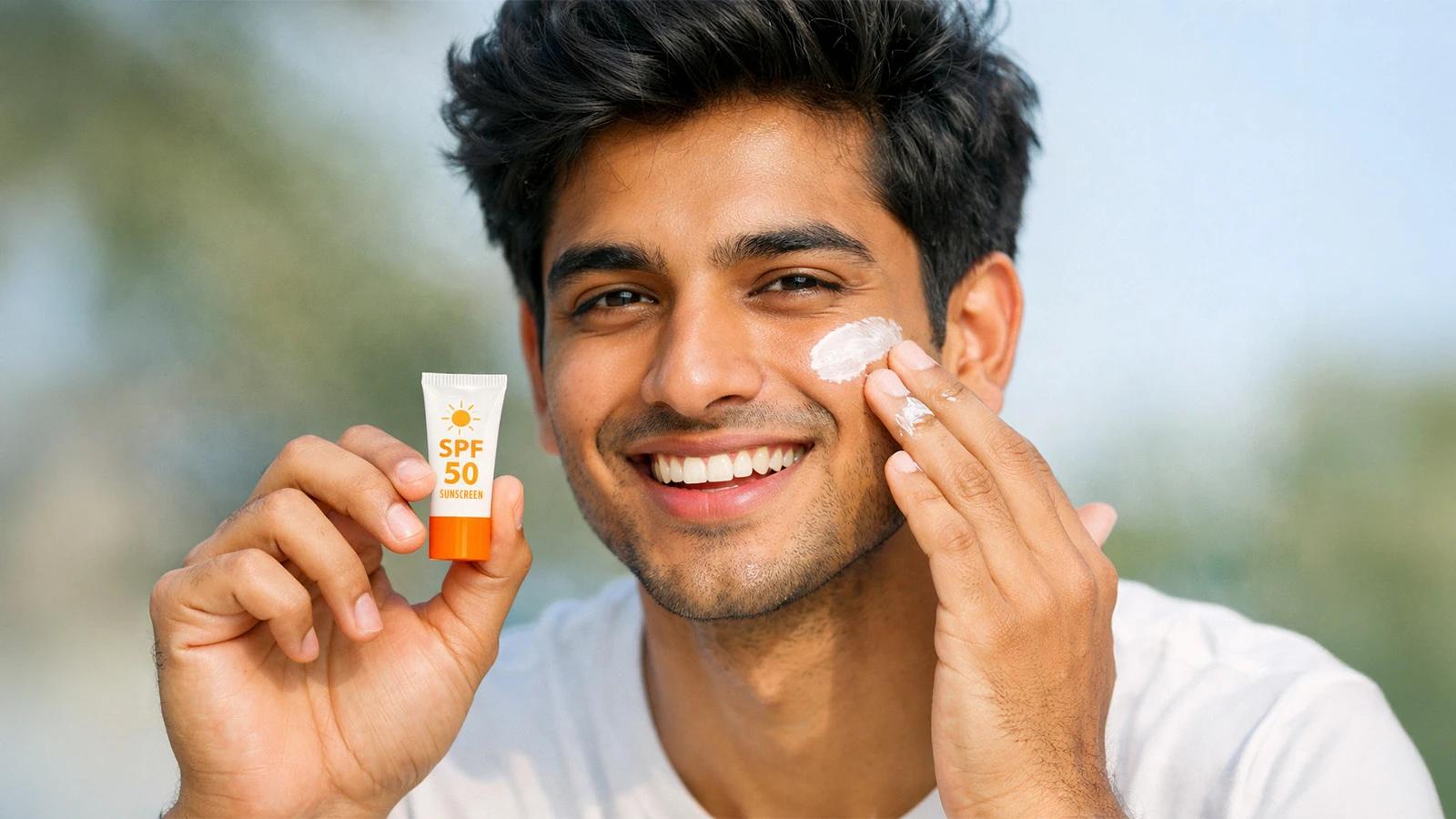


SPF 50 Sunscreen for Pigmentation | Lightweight, Non-Greasy, No White Cast | Fades Dark Spot & Acne Marks | For All Skin Types | 50g
Picture this: you're standing in the skincare aisle, staring at rows of sunscreens with numbers like SPF 15, 30, 50, and even 100. The Indian sun is relentless, and you know protection is non-negotiable, but which number actually makes sense for your skin and lifestyle? With UV levels in India often reaching extreme highs, especially during summer months, choosing the right SPF isn't just about slapping on any sunscreen—it's about understanding what those numbers mean for your specific needs. Whether you're dealing with hyperpigmentation, spending hours commuting in Delhi traffic, or simply want to prevent premature ageing, the SPF level you choose can make all the difference in your sun damage prevention journey.
Let's start with the basics—SPF stands for Sun Protection Factor, but it's not quite what most people think. SPF measures how long it takes for UVB rays to redden your skin compared to wearing no protection at all. So if your skin normally burns in 10 minutes, SPF 30 theoretically gives you 300 minutes before burning occurs.
Here's where it gets interesting for Indian sun protection. The protection percentages don't increase as dramatically as the numbers suggest:
SPF 15: Blocks 93% of UVB rays
SPF 30: Blocks 97% of UVB rays
SPF 50: Blocks 98% of UVB rays
SPF 100: Blocks 99% of UVB rays
That 4% difference between SPF 30 and 50 might seem small, but in India's intense UV climate—where the UV index regularly hits 10+ during peak hours—that extra protection becomes significant. The reality is that higher SPF doesn't mean you can stay in the sun longer without reapplication. Your sunscreen for face still needs refreshing every two hours, regardless of whether it's SPF 30 or 50.
The eternal debate in sun protection India circles often comes down to this choice. For most daily scenarios—your morning commute, brief outdoor errands, working near windows—SPF 30 provides adequate protection when applied correctly and reapplied as needed.
However, SPF 50 becomes the clear winner for extended outdoor exposure. Think weekend cricket matches, beach holidays in Goa, or trekking in the Himalayas where UV intensity increases with altitude. The extra protection also matters if you have melasma, post-inflammatory hyperpigmentation, or are using active ingredients like retinoids that increase photosensitivity.
For office workers with limited sun exposure, SPF 30 offers solid protection whilst feeling lighter on the skin. It's also more budget-friendly for daily sunscreen use, making it easier to apply the recommended amount without worrying about product cost.
Given India's geographical location and intense UV radiation, dermatologists increasingly recommend SPF 50 as the baseline. The formula provides that crucial extra buffer when application isn't perfect—and let's be honest, most of us don't apply the full 2mg per square centimetre recommended for optimal protection.

Tinted Sunscreen SPF 50 | Makeup-Friendly | No White Cast | Niacinamide + Titanium Dioxide | For Oily, Combination & Acne-Prone Skin | 40ml
Here's something many people miss: SPF only measures UVB protection, but UVA rays are equally damaging. This is where PA ratings come in, and they're particularly important for SPF for Indian skin considerations.
The PA system, developed in Japan, measures UVA protection:
PA+: Some UVA protection
PA++: Moderate UVA protection
PA+++: High UVA protection
PA++++: Extremely high UVA protection
For Indian conditions, look for PA+++ or PA++++ alongside your chosen SPF. UVA rays penetrate deeper into the skin, causing premature ageing, dark spots, and contributing to skin cancer risk. They're also present year-round and can penetrate glass, making them a constant concern even indoors.
Broad spectrum sunscreen protects against both UVA and UVB rays. In India, where sun exposure is intense and prolonged throughout the year, this comprehensive protection isn't optional—it's essential for preventing both immediate burning and long-term skin damage.
Your skin tone, type, and specific concerns all influence the best SPF level for your needs. Contrary to popular belief, darker skin tones still need robust sun protection, though they may have slightly more natural protection due to higher melanin content.
If you burn easily or have lighter skin, SPF 50 with PA++++ is your safest bet. You're more susceptible to immediate sun damage and need that extra protection buffer, especially during peak UV hours between 10 AM and 4 PM.
While you may not burn as easily, UVA damage still occurs, leading to uneven skin tone and premature ageing. SPF 30-50 with good UVA protection helps prevent post-inflammatory hyperpigmentation and maintains even skin tone.
Look for physical sunscreens with zinc oxide or titanium dioxide if you have sensitive skin. These ingredients are less likely to cause irritation whilst providing excellent protection. For acne-prone skin, choose non-comedogenic formulas that won't clog pores.

Fluid SPF 50 Sunscreen for Oily Skin | No White Cast | Matte, Ultra-Light & Non-Greasy | Niacinamide + Vitamin C | 50ml
Understanding the types of sunscreen available helps you make the right choice for your lifestyle and skin needs. Physical sunscreens create a barrier on your skin's surface, whilst chemical sunscreens absorb UV rays and convert them to heat.
In India's humid climate, many people prefer chemical sunscreens for their lighter feel and easier blending. However, physical sunscreens often provide more reliable protection and are better for sensitive skin types.
The most expensive, highest SPF sunscreen won't work if you're not applying it correctly. Use about a teaspoon for your face and neck, applying 15-20 minutes before sun exposure. Don't forget often-missed spots like your ears, the back of your neck, and the tops of your feet if wearing sandals.
Reapplication is crucial—every two hours, or immediately after swimming or heavy sweating. Keep a travel-sized sunscreen in your bag for touch-ups throughout the day.
Making daily sunscreen use a habit is perhaps the most important step in your skincare routine. Apply sunscreen as the final step of your morning routine, after moisturiser but before makeup.
For those working indoors, reapplication might seem unnecessary, but UVA rays penetrate windows. A midday touch-up, especially if you sit near windows or step outside for lunch, maintains consistent protection.
Seasonal adjustments matter too. During monsoon season, you might prefer a lighter SPF 30 formula, whilst summer calls for SPF 50 with water-resistant properties. Urban pollution can also increase skin sensitivity, making higher SPF levels more beneficial in cities like Delhi or Mumbai.
One of the biggest misconceptions is that higher SPF lasts longer. Whether you choose SPF 30 or 100, reapplication timing remains the same. Another common mistake is using too little product—most people apply only 25-50% of the recommended amount, significantly reducing protection.
Price isn't always an indicator of quality when it comes to sunscreen benefits. Some affordable options provide excellent protection, whilst expensive products might focus more on cosmetic elegance than sun protection efficacy.
Storage matters too. Sunscreen left in hot cars or expired products lose effectiveness. Check expiration dates and store products in cool, dry places to maintain their protective properties.

Sunscreen Spray for Body | SPF 50+ PA+++ | Sweat & Water-Resistant | Broad Spectrum UVA/UVB Protection | Clear Matte Formula | Aloe Vera | 100ml
Yes, SPF 50 provides excellent protection for Indian conditions when combined with PA++++ for UVA protection. It blocks 98% of UVB rays, which is sufficient for most situations when applied correctly and reapplied regularly.
SPF 30-50 with broad spectrum protection and PA++++ rating offers optimal protection for Indian skin. Choose SPF 30 for daily indoor activities with limited sun exposure, and SPF 50 for extended outdoor activities or if you have sensitive skin.
For daily use with minimal sun exposure, SPF 30 is adequate and often more comfortable to wear. However, SPF 50 provides extra protection that's valuable in India's intense UV environment, especially if you're not perfect with reapplication.
SPF 50+ with broad spectrum protection is recommended for melasma patients. The higher protection helps prevent UV-triggered flares and worsening of hyperpigmentation. Look for formulas with iron oxides for additional visible light protection.
SPF 50 with PA++++ is ideal for Indian summers. The intense UV radiation and high temperatures require maximum protection, especially during peak hours between 10 AM and 4 PM when UV levels are highest.
Choosing the right SPF level for Indian sun protection isn't just about picking the highest number on the shelf. It's about understanding your skin's needs, your lifestyle, and the unique challenges of India's UV environment. Whether you settle on SPF 30 for daily use or opt for SPF 50 for maximum protection, consistency in application and reapplication matters more than the specific number.
Remember, the best sunscreen is the one you'll actually use every day. If you're exploring different formulations and brands, platforms like Smytten let you try samples before committing to full-sized products—perfect for finding that ideal sunscreen that feels comfortable on your skin whilst providing the protection you need. With over 28 million users discovering products through trials, you can make informed decisions about your sun protection routine without the guesswork.
Your skin will thank you for the consistent protection, and you'll notice the difference in preventing premature ageing, dark spots, and maintaining an even skin tone. Start with the SPF level that feels right for your routine, but never compromise on broad spectrum protection and regular reapplication—these are the non-negotiables for healthy skin in India's challenging sun conditions.
