How to Select Sunscreen SPF for India's Tropical Climate


Sunscreen Spray for Body | SPF 50+ PA+++ | Sweat & Water-Resistant | Broad Spectrum UVA/UVB Protection | Clear Matte Formula | Aloe Vera | 100ml
Picture this: you've just stepped out of your air-conditioned office into Mumbai's sweltering afternoon heat, and within minutes, your carefully applied sunscreen feels like it's melting off your face. Sound familiar? If you've ever wondered whether your SPF 30 is actually doing its job in India's relentless tropical climate, or why your sunscreen seems to disappear the moment you start sweating, you're not alone. Choosing the right sunscreen for India's unique combination of intense UV rays, crushing humidity, and year-round heat isn't just about picking the highest SPF on the shelf.
India's tropical climate presents unique challenges that make sunscreen selection more complex than simply grabbing any bottle off the pharmacy shelf. The country experiences some of the world's highest UV index levels, often reaching 11+ during peak summer months, which falls into the 'extreme' category according to the World Health Organisation.
The combination of high UV index levels and intense humidity creates a perfect storm for skin damage. Unlike temperate climates where UV exposure might be seasonal, India's tropical regions face year-round sun exposure that demands consistent, robust protection. Coastal cities like Chennai and Mumbai deal with additional challenges from salt air and reflected UV rays from water bodies, whilst northern plains experience extreme heat that can break down sunscreen formulations faster than expected.
Humidity and sweat significantly impact how well your sunscreen performs throughout the day. In cities where humidity regularly exceeds 80%, traditional cream-based sunscreens can feel heavy and may not adhere properly to damp skin. This is why understanding your local climate patterns becomes crucial for effective sun protection.
Here's where the maths gets interesting: SPF 30 blocks approximately 97% of UVB rays, whilst SPF 50 blocks about 98%. That 1% difference might seem minimal, but SPF 50 actually provides 50% more protection time than SPF 30. In India's intense UV conditions, this extended protection window can make a significant difference, especially during outdoor activities or long commutes.
Dermatologists across India increasingly recommend SPF 50 as the minimum for daily use, particularly for those living in high-UV regions. The extra protection becomes even more valuable when you consider that most people apply only half the recommended amount of sunscreen, effectively halving their protection level.
Walking down the sunscreen aisle can feel overwhelming when you're faced with terms like PA++++, broad spectrum, and water-resistant. Understanding these labels becomes crucial when you're selecting sunscreen for humid weather conditions.
The PA rating system measures UVA protection, which is equally important as UVB protection for comprehensive skin health. UVA rays penetrate deeper into the skin and are primarily responsible for premature ageing, dark spots, and long-term skin damage. In tropical climates, where UVA exposure remains consistently high throughout the year, a PA++++ rating ensures maximum protection against these ageing rays.
Broad spectrum sunscreen protects against both UVA and UVB rays, making it essential for Indian conditions. Look for formulations that specifically mention broad spectrum protection, as this ensures you're getting comprehensive coverage against the full range of harmful UV radiation.

Fluid SPF 50 Sunscreen for Oily Skin | No White Cast | Matte, Ultra-Light & Non-Greasy | Niacinamide + Vitamin C | 50ml
In India's humid climate, water resistant sunscreen becomes a necessity rather than a luxury. Water resistance is measured in minutes - typically 40 or 80 minutes - indicating how long the sunscreen maintains its SPF level when exposed to water or sweat. For daily use in humid conditions, 40-minute water resistance usually suffices, whilst beach days or intense outdoor activities call for 80-minute protection.
It's worth noting that no sunscreen is truly 'sweat proof' or 'waterproof' - these terms are actually prohibited by regulatory bodies. Sweat proof sunscreen formulations are designed to adhere better to skin in high-sweat conditions, but reapplication remains essential for continued protection.
India's diverse population means that best sunscreen for indian skin isn't a one-size-fits-all solution. Different skin types require different approaches, especially when dealing with tropical weather conditions.
If you have oily skin, the thought of adding another layer of product in humid weather might make you cringe. Sunscreen for oily skin should be lightweight, non-comedogenic, and preferably gel-based or have mattifying properties. Look for formulations containing ingredients like niacinamide, which can help control oil production whilst providing additional skin benefits.
Gel-based sunscreens absorb quickly and don't leave the heavy, greasy feeling that can exacerbate oiliness in humid conditions. Many modern formulations also include oil-absorbing ingredients that help maintain a matte finish throughout the day, making them perfect for layering under makeup or wearing alone.
Sunscreen for sensitive skin requires extra consideration in tropical climates where heat and humidity can exacerbate skin reactions. Mineral sunscreens containing zinc oxide or titanium dioxide are generally gentler than chemical sunscreens, as they sit on top of the skin rather than being absorbed into it.
Look for fragrance-free, hypoallergenic formulations that have been dermatologically tested. Ingredients like aloe vera or ceramides can provide additional soothing benefits for reactive skin. Always perform a patch test before committing to a new sunscreen, especially if you have a history of skin sensitivities.
One common concern with mineral sunscreens is the dreaded white cast, which can be particularly noticeable on deeper skin tones. Modern formulations have largely solved this issue through micronised mineral particles and tinted options that blend seamlessly with various skin tones. Many brands now offer universal shades that work across the spectrum of Indian skin tones.
Your lifestyle and daily activities should heavily influence your sunscreen spf guide decisions. A software engineer working in an air-conditioned office has different protection needs compared to someone who commutes by two-wheeler or works outdoors.

Tinted Sunscreen SPF 50 | Makeup-Friendly | No White Cast | Niacinamide + Titanium Dioxide | For Oily, Combination & Acne-Prone Skin | 40ml
For predominantly indoor activities with minimal sun exposure, SPF 30 provides adequate protection for most people. However, don't forget about incidental exposure - those walks to the car park, lunch breaks, or brief outdoor errands add up over time. Even in air-conditioned environments, reapplication every 4-6 hours helps maintain consistent protection.
Consider lightweight, makeup-friendly formulations that won't interfere with your daily routine. Many modern sunscreens double as excellent makeup primers, making them easy to incorporate into existing beauty routines.
Beach days, trekking, outdoor sports, or any activity involving prolonged sun exposure calls for SPF 50+ protection. In these situations, the extra protection time becomes crucial, especially when combined with proper reapplication practices. Water-resistant formulations are essential for swimming or high-sweat activities.
Don't forget often-missed areas like ears, feet, and the back of your neck. These areas are particularly vulnerable during outdoor activities and often bear the brunt of sun damage due to inadequate protection.
India's vast geography means climate conditions vary significantly across regions. Coastal areas deal with high humidity and reflected UV rays from water, requiring lightweight, water-resistant formulations. Northern plains experience extreme heat that can break down sunscreen faster, necessitating more frequent reapplication. Hill stations present unique challenges with high-altitude UV exposure that can be deceptively intense even in cooler temperatures.
Even the best sunscreen won't protect you if it's not applied correctly. In tropical conditions, proper application becomes even more critical due to increased sweat and humidity affecting product performance.
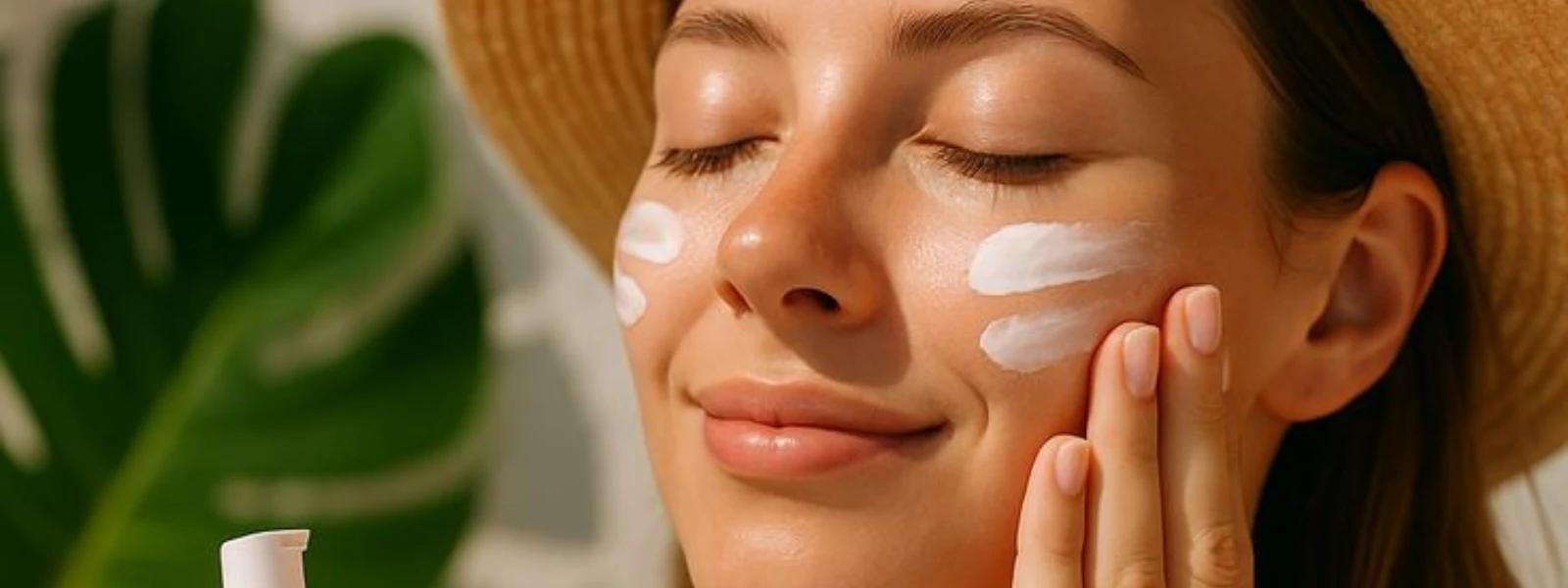
The golden rule is 2 milligrams per square centimetre of skin - roughly a teaspoon for your face and neck. Most people apply far less than this, significantly reducing their protection level. Apply sunscreen 15-30 minutes before sun exposure to allow proper absorption and film formation.
Layer sunscreen after your moisturiser but before makeup. If you're using multiple skincare products, allow each layer to absorb before applying the next to prevent pilling or reduced effectiveness.
The standard two-hour reapplication rule becomes even more important in tropical climate conditions. High humidity, sweat, and heat can compromise sunscreen effectiveness faster than in temperate climates. After swimming, toweling off, or intense sweating, immediate reapplication is necessary regardless of timing.
For makeup wearers, powder sunscreens or SPF-containing setting sprays can help with midday touch-ups without disturbing your look. However, these should supplement, not replace, proper cream or gel sunscreen application.

SPF 50 Sunscreen for Pigmentation | Lightweight, Non-Greasy, No White Cast | Fades Dark Spot & Acne Marks | For All Skin Types | 50g
Dermatologists across India consistently emphasise that sunscreen benefits extend far beyond preventing sunburn. Regular, proper sunscreen use is the single most effective anti-ageing measure you can take, preventing premature wrinkles, dark spots, and maintaining overall skin health.
Common mistakes include using expired sunscreen (which loses effectiveness), applying too little product, and forgetting about reapplication. In tropical climates, these mistakes become more costly due to intense UV exposure year-round.
When exploring new sunscreen options, platforms like Smytten Shop offer the opportunity to try products before committing to full sizes. With over 28 million users discovering their perfect skincare matches, you can explore curated selections of premium sunscreen brands with the confidence of cashback offers and genuine reviews from fellow skincare enthusiasts.
SPF 30 provides adequate protection for minimal sun exposure, but SPF 50 is increasingly recommended by dermatologists for India's high UV conditions. The extra protection becomes valuable when you consider that most people under-apply sunscreen, effectively reducing their protection level.
Look for lightweight, gel-based formulations with water-resistant properties. Avoid heavy creams that may feel uncomfortable in humidity. Ingredients like niacinamide can help control oil production whilst providing additional skin benefits in humid conditions.
No sunscreen is truly waterproof - this term is actually prohibited by regulatory bodies. Water-resistant sunscreens maintain their SPF level for either 40 or 80 minutes when exposed to water or sweat, after which reapplication is necessary.
Facial sunscreens are typically formulated to be lighter and less likely to cause breakouts, whilst body sunscreens may be more cost-effective for larger areas. However, a good facial sunscreen can be used on both face and body if preferred.
Makeup with SPF provides additional protection but shouldn't be your primary sun protection. Most people don't apply makeup thickly enough to achieve the stated SPF level. Use a dedicated sunscreen as your base layer for reliable protection.
Selecting the right sunscreen for India's tropical climate isn't just about finding the highest SPF number - it's about understanding your skin type, lifestyle, and local climate conditions. Whether you need lightweight protection for daily office wear or robust, water-resistant coverage for weekend beach trips, the key lies in consistent, proper application and regular reapplication.
Remember that the best sunscreen is the one you'll actually use every day. Don't let the perfect be the enemy of the good - even imperfect sun protection is infinitely better than none at all. Your future self will thank you for the daily habit of proper sun protection, especially in India's challenging tropical climate conditions.
