How to Remove Tan Effectively: Quick & Easy Tips


Target & Fade Duo for Hyperpigmentation | Even-Tone Underarms, Inner Thighs & Bum | Refines Skin Texture | For All Skin Types
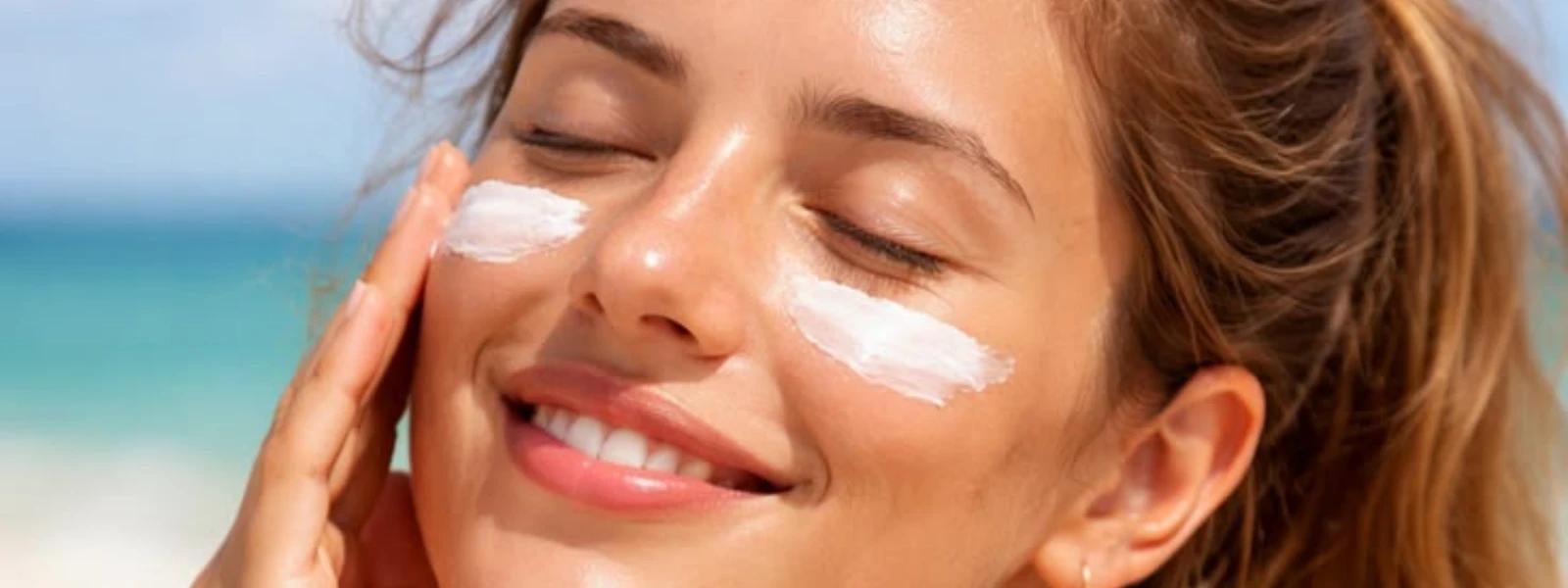
That post-holiday glow has faded, and you're left staring at uneven tan lines from your beach getaway. Or perhaps it's those stubborn patches from daily commutes that have left your skin looking patchy and dull. If you're wondering how to remove tan effectively without harsh treatments, you're not alone. Millions face this exact concern, especially after summer months or unexpected sun exposure. The good news? Your skin has an incredible ability to renew itself, and with the right approach, you can help it along.
Before diving into tan removal methods, it helps to understand what's actually happening beneath the surface. When your skin encounters UV rays, it produces melanin as a protective mechanism. Think of it as your skin's natural umbrella, trying to shield deeper layers from damage.
This process isn't inherently bad—it's your body being clever. However, uneven skin tanning can leave you with patches that feel frustrating to deal with. A natural tan typically lasts 7-10 days if you avoid further sun exposure, but deeper tans can persist for weeks or even months.
Several factors affect how intense your tan becomes and how long it sticks around. Your natural skin tone, the amount of melanin you produce, your age, and even your skincare routine all play a role. Younger skin tends to shed cells faster, which means quicker tan removal naturally. Dry skin holds onto tanned cells longer, whilst well-moisturised skin cycles through renewal more efficiently.
Your kitchen likely holds several effective ingredients for natural tan removal. These methods work by gently encouraging cell turnover and providing mild bleaching effects without harsh chemicals. The key is consistency rather than intensity—gentle, regular treatments win over aggressive scrubbing every time.
This classic combination works because lemon contains natural citric acid that helps lighten pigmentation, whilst honey provides moisture and healing properties. Mix equal parts fresh lemon juice and raw honey, apply to clean skin, and leave for 15-20 minutes before rinsing with cool water. The natural acids help break down melanin deposits whilst honey prevents over-drying.
Plain yogurt contains lactic acid, a gentle exfoliant that helps remove dead, tanned skin cells. Turmeric brings anti-inflammatory properties and mild bleaching effects. Mix 2 tablespoons of yogurt with a pinch of turmeric powder. Apply this mixture to affected areas, let it sit for 20 minutes, then rinse off. This combination is particularly effective for sensitive skin that can't tolerate stronger acids.
Fresh aloe vera gel doesn't just soothe sunburned skin—it actively helps with tan removal too. The plant contains compounds that can lighten pigmentation whilst providing deep hydration. Apply fresh gel directly from the plant, or choose a pure aloe vera product without added fragrances. Leave it on overnight for maximum benefit, as your skin repairs itself most actively during sleep.
Both potatoes and tomatoes contain natural enzymes and mild acids that can help lighten tanned skin. Grate a raw potato and mix with tomato pulp, apply to your skin for 15 minutes, then rinse. The starch in potatoes has a mild bleaching effect, whilst tomatoes provide antioxidants that support skin repair. This remedy works particularly well on stubborn tan lines.

Mineral Sunscreen SPF 50 | Matte Finish | No White Cast | Non-Nano Zinc Oxide | Cica | Pregnancy Safe | All Skin Types | 50ml
Gram flour acts as a gentle physical exfoliant whilst providing mild cleansing properties. Mix besan with rose water or milk to create a paste, gently massage onto damp skin in circular motions, then rinse. This method helps remove the top layer of tanned skin cells whilst being gentle enough for regular use. Use this scrub 2-3 times per week for best results.
When you need faster results for your face, targeted treatments can help accelerate the tan removal process. Your facial skin is more delicate but also renews itself more quickly than body skin, making it responsive to the right treatments.
For quick brightening before an event, try a milk and oatmeal mask. Blend oats into a fine powder, mix with milk to form a paste, and apply for 15 minutes. The lactic acid in milk provides gentle exfoliation whilst oats soothe and soften. You'll notice an immediate improvement in skin brightness, though deeper tans require longer treatment.
If you're comfortable with active ingredients, products containing AHAs like glycolic acid or BHAs like salicylic acid can speed up cell turnover. Vitamin C serums also help inhibit melanin production whilst brightening existing pigmentation. Start with lower concentrations and always follow with SPF during the day, as these ingredients can increase sun sensitivity.
Sometimes tan removal home remedies aren't enough, especially for deep, stubborn tans or uneven pigmentation that's been building up over time. Professional treatments can provide more dramatic results, though they require careful consideration of cost, downtime, and potential side effects.
Chemical peels use controlled acids to remove layers of tanned skin more aggressively than home treatments. Light peels might use glycolic or lactic acid, whilst deeper peels employ stronger formulations. Results can be significant, but you'll need to factor in recovery time and strict sun avoidance during healing.
These procedures physically remove or break down pigmented skin cells. Microdermabrasion uses fine crystals to buff away surface layers, whilst laser treatments target melanin deposits specifically. Both require multiple sessions and professional aftercare, but can address stubborn tans that don't respond to other methods.

Salicylic Acid Face Cleanser | Deep Cleansing Formula for Breakouts | Unclogs Pores & Controls Oil | For Oily & Acne-Prone Skin | 100ml
Consider professional help if your tan hasn't improved after 6-8 weeks of consistent home treatment, if you notice irregular pigmentation patterns, or if the tan seems to be getting darker despite your efforts. A dermatologist can assess whether you're dealing with simple tanning or more complex pigmentation issues.
Successful tan removal isn't just about the treatments you apply—it's about creating the right environment for your skin to heal and renew itself effectively. These practices will amplify whatever method you choose.
Gentle, regular exfoliation helps remove tanned skin cells and encourages fresh cell turnover. Use a soft washcloth, gentle scrub, or chemical exfoliant 2-3 times per week. Over-exfoliating can actually slow down the process by irritating your skin and triggering more pigmentation, so resist the urge to scrub aggressively.
Well-moisturised skin sheds dead cells more efficiently and repairs itself faster. Choose moisturisers with ingredients like hyaluronic acid, ceramides, or niacinamide that support skin barrier function. Don't forget internal hydration—drinking plenty of water helps your skin function optimally from within.
This cannot be overstated: continued sun exposure will sabotage your tan removal efforts. Use broad-spectrum SPF 30 or higher every day, reapply every two hours, and seek shade during peak UV hours (10 AM to 4 PM). Your skin is working hard to repair itself—don't make its job harder.
Once you've successfully removed your unwanted tan, prevention becomes your best strategy. Building good sun protection habits now will save you from repeating this process in the future.
Most people use only 25-50% of the recommended amount of sunscreen. You need about 1/4 teaspoon for your face and 1 ounce (2 tablespoons) for your body. Apply 15-30 minutes before sun exposure and reapply every two hours, or immediately after swimming or sweating heavily.
Physical barriers often work better than sunscreen alone. Wide-brimmed hats, UV-protective clothing, and quality sunglasses create a comprehensive shield. Look for clothing with UPF (Ultraviolet Protection Factor) ratings for the best protection during extended outdoor activities.

Hydrating Moisturizer | Non-Comedogenic | Boosts Collagen & Hydrates Deeply | Ceramides + Niacinamide | For Normal to Dry Skin | 50g
Eating antioxidant-rich foods like berries, leafy greens, and tomatoes can provide some internal protection against UV damage. Some people also find that gradually building sun tolerance through short, protected exposures helps prevent sudden, intense tanning.
A combination of gentle daily exfoliation, natural bleaching treatments like lemon-honey masks, and strict sun protection typically shows noticeable results within 7-14 days. Professional treatments can work faster but require more consideration of cost and potential side effects.
Surface tans from recent sun exposure can often be significantly lightened or removed with consistent home treatments. Deeper, older tans or those involving actual sun damage may require professional intervention for complete removal.
While complete tan removal typically takes 2-8 weeks depending on depth, you can see noticeable lightening within 4-7 days using intensive natural treatments combined with complete sun avoidance and gentle exfoliation.
Yes, with proper treatment and sun protection, most tanned skin can return to its natural tone. The timeline varies based on how deep the tan penetrates and your individual skin's renewal rate, but patience and consistency are key.
Most natural ingredients are gentler than chemical treatments, but everyone's skin reacts differently. Always patch test new treatments on a small area first, and avoid citrus-based remedies if you have very sensitive skin or are taking photosensitising medications.
Removing unwanted tan doesn't have to involve harsh chemicals or expensive treatments. Your skin's natural renewal process is remarkably effective when supported with the right care. Whether you choose gentle home remedies or decide professional treatment is worth the investment, consistency and patience will serve you better than aggressive approaches.
Remember that healthy, glowing skin is about more than just colour—it's about creating habits that support your skin's natural functions. The same gentle exfoliation, proper hydration, and sun protection that help with tan removal will keep your skin looking its best long-term. For those exploring new skincare products to support their journey, platforms like Smytten offer the chance to try different formulations before committing to full sizes, helping you find what works best for your unique skin needs without the guesswork.
