How to Remove Pigmentation from Face Permanently: A Complete Guide


2% Kojic Acid Serum | Dark Spot & Pigmentation Care | Alpha Arbutin + Niacinamide | Even-Tone Formula | For All Skin Types | 30ml
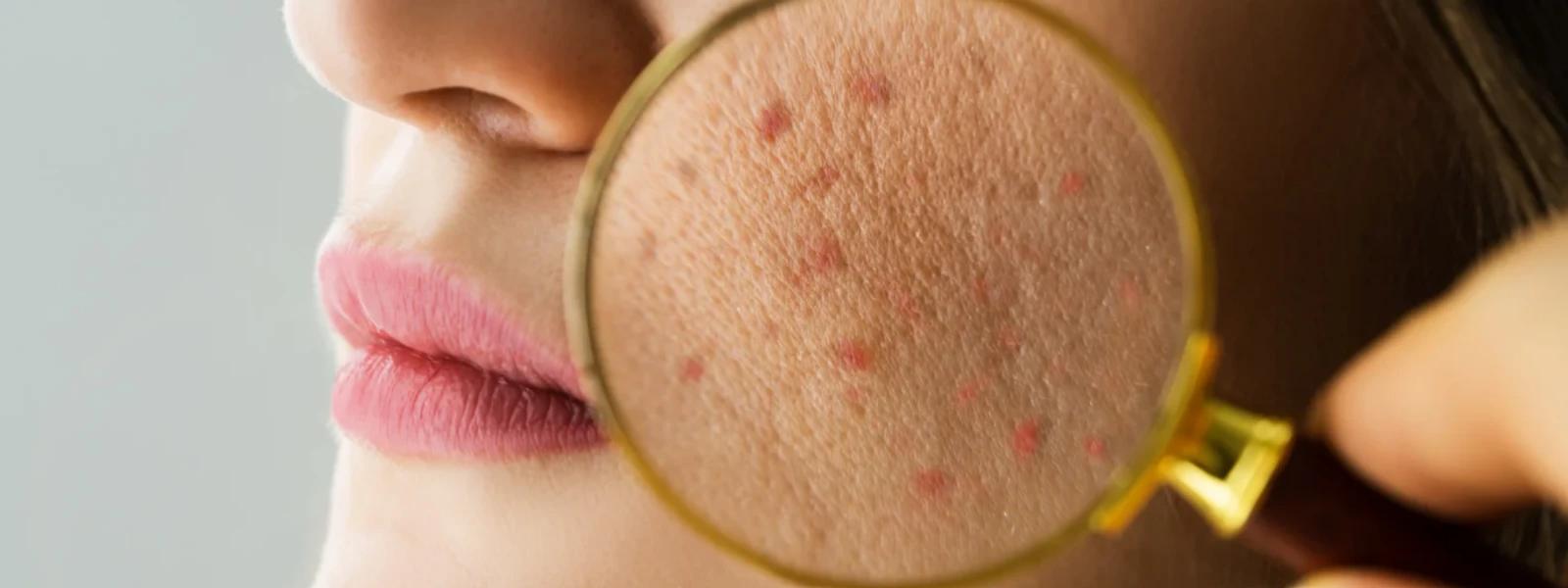
Staring at your reflection and noticing those stubborn dark patches that seem to have made themselves permanently at home on your face? You're not alone. Whether it's melasma from hormonal changes, sun spots from years of UV exposure, or post-inflammatory hyperpigmentation from that breakout you couldn't resist picking, facial pigmentation can feel like an unwelcome guest that's overstayed its welcome. The good news? With the right approach, you can significantly fade these marks and achieve the even-toned complexion you've been dreaming of.
Before diving into solutions, it's crucial to understand what you're dealing with. Hyperpigmentation occurs when your skin produces excess melanin, the pigment responsible for your skin colour. Think of it as your skin's overzealous response to various triggers, creating those darker patches that stand out against your natural skin tone.
Hyperpigmentation is essentially your skin's way of protecting itself, but sometimes it goes a bit overboard. When melanocytes (the cells that produce melanin) become hyperactive due to triggers like UV exposure, inflammation, or hormonal changes, they pump out more pigment than necessary. This excess melanin gets deposited in patches, creating the uneven skin tone that many of us struggle with.
Melasma typically appears as brown or grey patches on the cheeks, forehead, nose, and upper lip. Often called the "pregnancy mask," it's primarily triggered by hormonal fluctuations during pregnancy, whilst taking contraceptive pills, or during menopause. Age spots and sun spots are flat, brown marks that develop from years of UV exposure, usually appearing on areas that see the most sun.
Post-inflammatory hyperpigmentation (PIH) is perhaps the most frustrating type, appearing after acne, cuts, or any skin trauma. These dark marks can linger for months or even years if left untreated. Freckles, whilst often considered charming, are also a form of pigmentation caused by genetic predisposition and sun exposure.
UV exposure remains the primary culprit behind most pigmentation issues. Even brief moments in the sun without protection can trigger melanin production. Hormonal fluctuations, particularly oestrogen and progesterone changes, can activate melanocytes. Skin trauma from aggressive scrubbing, picking at spots, or harsh treatments can also lead to pigmentation. Genetics play a role too – some people are simply more prone to developing dark spots than others.
When it comes to serious pigmentation reduction, professional treatments often deliver the most dramatic and lasting results. Dermatologists have access to powerful ingredients and technologies that can target pigmentation at its source.
Hydroquinone remains the gold standard for hyperpigmentation treatment. This powerful ingredient works by inhibiting tyrosinase, the enzyme responsible for melanin production. Prescription-strength formulations (2-4%) can deliver significant results within 3-6 months. Tretinoin, a prescription retinoid, accelerates cell turnover whilst preventing new pigmentation from forming.
Kojic acid and arbutin are gentler alternatives that work similarly to hydroquinone but with fewer side effects. These ingredients are often combined in custom formulations for enhanced effectiveness.
Chemical peels for skin discoloration removal use acids like glycolic, salicylic, or TCA to remove pigmented skin layers. Medium-depth peels can address deeper pigmentation but require downtime. Laser therapy and IPL (Intense Pulsed Light) treatments target melanin with specific wavelengths, breaking down pigmented cells.
Microdermabrasion physically removes the top layer of skin, whilst cryotherapy uses controlled freezing to destroy pigmented cells. These treatments work best for surface-level pigmentation.

Target & Fade Duo for Hyperpigmentation | Even-Tone Underarms, Inner Thighs & Bum | Refines Skin Texture | For All Skin Types
The most effective approach often involves combining multiple treatments. A typical protocol might include a prescription topical regimen alongside periodic chemical peels or laser sessions. This multi-modal approach addresses pigmentation from different angles, leading to more comprehensive and lasting results.
Whilst professional treatments offer the fastest results, natural skin brightening methods can be surprisingly effective when used consistently. The key is patience and realistic expectations – natural methods work more slowly but can deliver genuine improvements over time.
Vitamin C is a powerhouse antioxidant that inhibits melanin production whilst protecting against further UV damage. Look for stable forms like magnesium ascorbyl phosphate or sodium ascorbyl phosphate. Niacinamide (vitamin B3) is excellent for pigmentation reduction, working by preventing melanin transfer to skin cells.
Alpha hydroxy acids (AHAs) like glycolic and lactic acid gently exfoliate pigmented skin cells, revealing brighter skin underneath. These can be found naturally in fruits and fermented products, though skincare formulations offer more consistent concentrations.
Turmeric contains curcumin, which has anti-inflammatory and skin-brightening properties. Mix turmeric powder with honey to create a gentle mask. Lemon juice contains natural citric acid, but use it cautiously as it can increase photosensitivity.
Aloe vera contains aloin, a compound that may help lighten pigmentation whilst soothing the skin. Green tea extract provides antioxidants that can help prevent further pigmentation whilst supporting skin healing.
Your diet plays a crucial role in skin health. Foods rich in antioxidants like berries, leafy greens, and citrus fruits support skin repair. Adequate hydration helps maintain healthy cell turnover. Quality sleep allows your skin to repair itself, whilst stress management prevents cortisol-induced inflammation that can worsen pigmentation.
Not all pigmentation is created equal, and different types require tailored approaches for optimal results. Understanding your specific concern helps you choose the most effective treatment strategy.
Melasma treatment requires special consideration due to its hormonal triggers. Pregnancy-safe options include vitamin C, azelaic acid, and gentle AHAs. Avoiding hormonal triggers when possible and maintaining strict sun protection are crucial for preventing recurrence.
Age spot removal often responds well to targeted treatments like laser therapy or cryotherapy. Prevention through consistent SPF use and antioxidant serums is equally important. Men often see excellent results with professional treatments as their skin tends to be thicker and more resilient.

Mineral Sunscreen SPF 50 | Matte Finish | No White Cast | Non-Nano Zinc Oxide | Cica | Pregnancy Safe | All Skin Types | 50ml
Sun spot removal can be addressed with both immediate treatments like laser therapy and long-term solutions involving consistent use of brightening ingredients. The key is addressing existing spots whilst preventing new ones from forming.
Those with sensitive skin should start with gentler ingredients like niacinamide or low-concentration vitamin C. Always patch test new products and introduce them gradually to avoid irritation that could worsen pigmentation.
The most effective approach to pigmentation is preventing it in the first place. Even if you're treating existing spots, prevention strategies ensure your efforts aren't undone by new pigmentation forming.
SPF is non-negotiable – aim for broad-spectrum SPF 30 or higher, applied generously and reapplied every two hours. Physical sunscreens containing zinc oxide or titanium dioxide are often better tolerated by sensitive skin. Chemical sunscreens can be more elegant for daily wear but may cause irritation in some people.
A morning routine should focus on protection with antioxidants like vitamin C and SPF. Evening routines can include active ingredients like retinoids or AHAs. Proper product layering – thinnest to thickest consistency – ensures maximum absorption and effectiveness.
Blue light from screens may contribute to pigmentation, particularly melasma. Consider blue light-blocking skincare or screen filters. Pollution can also trigger inflammatory responses that lead to pigmentation, making antioxidant protection even more important in urban environments.
Understanding what to expect and when can help you stay motivated throughout your pigmentation journey. Results don't happen overnight, but with consistency, you will see improvements.
Professional treatments typically show initial results within 4-6 weeks, with significant improvement by 3-6 months. Natural methods require more patience – expect to see gradual changes over 6-12 months of consistent use. The depth and age of pigmentation affect treatment time significantly.
Skin type, pigmentation depth, and consistency of treatment all impact results. Darker skin tones may require gentler approaches to avoid post-inflammatory hyperpigmentation. Deeper pigmentation takes longer to address than surface-level discolouration.

Salicylic Acid Face Cleanser | Deep Cleansing Formula for Breakouts | Unclogs Pores & Controls Oil | For Oily & Acne-Prone Skin | 100ml
Even after successful treatment, maintenance is crucial. This includes continued SPF use, periodic touch-up treatments, and ongoing use of brightening ingredients. Think of it as an investment in your skin's long-term health and appearance.
Natural methods can significantly fade dark spots and improve skin tone, but "permanent" removal typically requires professional intervention. Natural ingredients like vitamin C and niacinamide can prevent new pigmentation whilst gradually lightening existing spots, but results are slower and may not be as dramatic as professional treatments.
Professional treatments like laser therapy, chemical peels, or prescription-strength topicals offer the fastest results. However, the "fastest" approach should always be balanced with safety and your skin's tolerance. Combining professional treatments with proper home care typically yields the best results.
Staying well-hydrated with water supports overall skin health and cell turnover. Green tea provides antioxidants that may help prevent further pigmentation. However, topical treatments are far more effective than dietary approaches for addressing existing pigmentation.
Consistent use of SPF, incorporating brightening ingredients like vitamin C and niacinamide, and maintaining a gentle but effective skincare routine are key. Professional treatments can accelerate results, but consistency with basic protective measures is crucial for long-term success.
Professional treatments may cause temporary redness, peeling, or sensitivity. Some ingredients like hydroquinone can cause irritation or, rarely, ochronosis with prolonged use. Always patch test new products and follow professional guidance when using prescription treatments.
Costs vary widely depending on treatment type and location. Chemical peels might range from ₹3,000-₹15,000 per session, whilst laser treatments can cost ₹8,000-₹25,000 per session. Multiple sessions are usually required for optimal results.
Addressing facial pigmentation requires patience, consistency, and often a combination of approaches. Whether you choose professional treatments, natural methods, or a combination of both, the key is starting with a solid foundation of sun protection and gentle, consistent skincare. Remember that everyone's skin responds differently, and what works for others may need to be adapted for your unique needs.
The journey to more even-toned skin is exactly that – a journey. With platforms like Smytten Shop, you can explore different brightening products and ingredients through samples before committing to full sizes, making it easier to find what works for your skin without the guesswork. Their curated selection includes trusted brands with proven ingredients, backed by reviews from their 28M+ users who've tried and tested these products.
Your skin will notice the difference when you approach pigmentation with knowledge, patience, and the right products. Real talk – it's not about achieving perfection overnight, but about consistent care that leads to genuine, lasting improvements in your skin's clarity and confidence.
