How to Remove Dark Spots on Face: Your Complete FAQ Guide


Target & Fade Duo for Hyperpigmentation | Even-Tone Underarms, Inner Thighs & Bum | Refines Skin Texture | For All Skin Types
You've been staring at that stubborn dark spot for weeks now, wondering if it's ever going to fade. Whether it's a leftover reminder from last month's breakout or a sun spot that's decided to make itself at home, dark spots can feel like unwelcome guests on your face. The good news? You're not stuck with them forever. From gentle home remedies to targeted treatments, there are proven ways to help fade these marks and restore your skin's natural radiance. Let's dive into everything you need to know about tackling facial pigmentation.
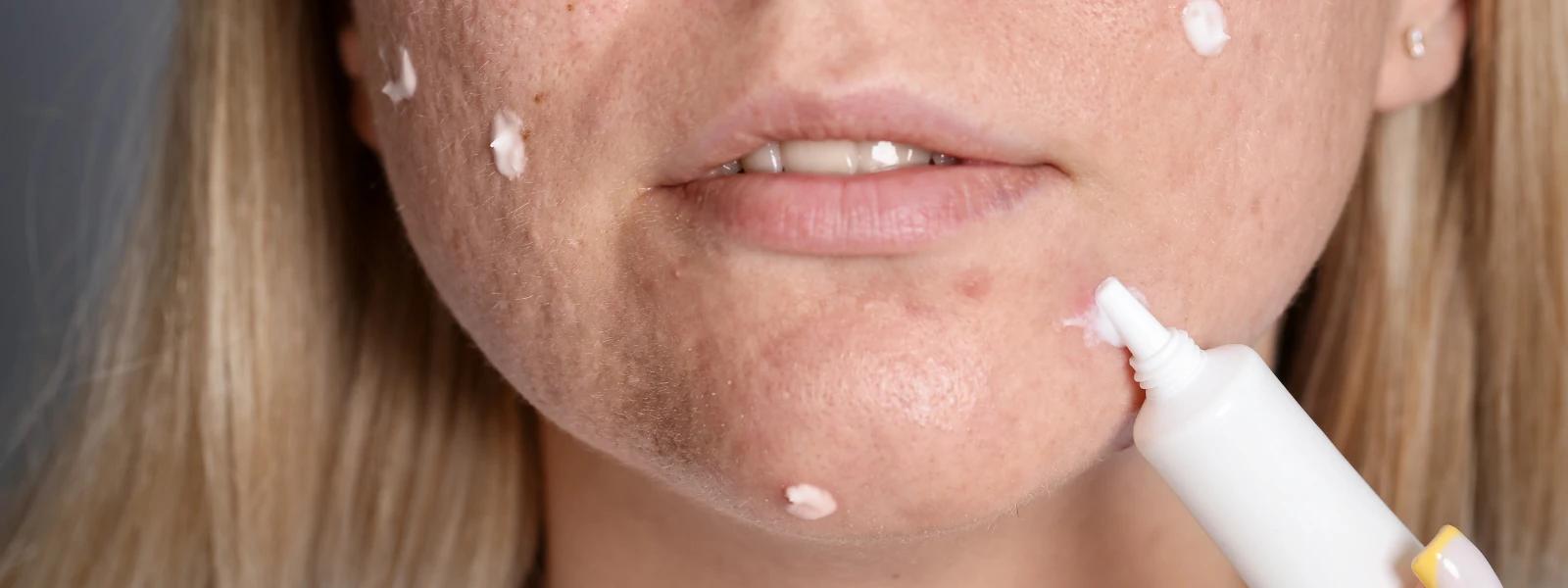
Dark spots, also known as hyperpigmentation, occur when your skin produces excess melanin in certain areas. Think of melanin as your skin's natural defence mechanism – it's what gives your skin its colour and helps protect it from UV damage. However, sometimes this system goes into overdrive, creating patches that are darker than your surrounding skin tone.
There are several types of facial pigmentation you might encounter. Post-inflammatory hyperpigmentation (PIH) appears after your skin heals from acne, cuts, or other injuries. Melasma typically shows up as larger, symmetrical patches often triggered by hormonal changes during pregnancy or from birth control. Solar lentigines, commonly called age spots or sun spots, develop from years of sun exposure and tend to appear on areas that see the most sunlight.
Your skin type and genetics play a significant role in how prone you are to developing dark spots. People with deeper skin tones naturally produce more melanin, which means they're more susceptible to post-inflammatory hyperpigmentation but often have better natural protection against sun damage. Fair skin types, whilst less prone to PIH, are more vulnerable to sun spots and may see faster results with certain treatments.
When you're dealing with stubborn dark spot removal, you'll find options ranging from professional treatments to gentle home remedies. The fastest results typically come from professional interventions, but that doesn't mean natural methods don't have their place in your skincare routine.
Chemical peels using AHAs like glycolic acid or BHAs like salicylic acid can significantly speed up cell turnover, helping to fade dark spots more quickly than topical treatments alone. Professional-strength peels can show visible results in 2-4 weeks, though you'll need multiple sessions for optimal results.
Laser treatments and IPL (Intense Pulsed Light) therapy target melanin directly, breaking up pigmented cells so your body can naturally eliminate them. These treatments typically require 3-6 sessions spaced 4-6 weeks apart, with results becoming apparent after the second session.
Retinoids remain one of the most effective ingredients for encouraging cell turnover and fading dark spots over time. Start with a gentle retinol product 2-3 times per week, gradually increasing frequency as your skin builds tolerance. You'll typically see improvements after 6-8 weeks of consistent use.

Mineral Sunscreen SPF 50 | Matte Finish | No White Cast | Non-Nano Zinc Oxide | Cica | Pregnancy Safe | All Skin Types | 50ml
Vitamin C serums work as powerful antioxidants whilst helping to brighten skin and prevent new dark spots from forming. Look for stable forms like magnesium ascorbyl phosphate or sodium ascorbyl phosphate, which are less likely to irritate sensitive skin. Niacinamide is another gentle yet effective ingredient that helps regulate melanin production whilst strengthening your skin barrier.
Those dark marks left behind after a breakout aren't actually scars – they're post-inflammatory hyperpigmentation. Understanding this distinction is crucial because PIH responds well to topical treatments, whilst true acne scars often require professional intervention.
When your skin experiences inflammation from a pimple, it triggers melanin production as part of the healing process. This is why you might notice that spots appear darker after the actual pimple has healed. The good news is that PIH will fade naturally over time, typically taking 3-24 months depending on your skin type and the severity of the original inflammation.
To speed up the fading process, focus on gentle exfoliation with AHAs like lactic acid, which help remove the top layer of pigmented skin cells. Avoid picking or squeezing active breakouts, as this increases inflammation and makes dark spots more likely to form. Instead, treat acne gently with salicylic acid or benzoyl peroxide, and always follow up with a broad-spectrum SPF during the day.
Whilst professional treatments offer faster results, natural remedies for dark spots can be effective additions to your routine, especially for those with sensitive skin or budget constraints. The key is managing expectations – natural ingredients work more slowly but can provide gentle, consistent improvement over time.
Vitamin C from natural sources like lemon juice contains citric acid, which provides gentle exfoliation. However, lemon juice can be quite acidic and photosensitising, so if you choose to try it, always dilute it with water and never use it before sun exposure. A safer approach is using a formulated vitamin C serum.
Aloe vera gel contains compounds like aloin and aloesin that may help inhibit melanin production whilst providing soothing, anti-inflammatory benefits. Fresh aloe gel can be applied directly to dark spots twice daily. Green tea extract offers similar antioxidant benefits and can be used as a toner by brewing strong green tea, cooling it completely, and applying with a cotton pad.
Turmeric has been used for centuries in traditional skincare for its anti-inflammatory properties. Mix a small amount of turmeric powder with honey or yoghurt to create a gentle mask. Be aware that turmeric can temporarily stain fair skin yellow, so test on a small area first.

Salicylic Acid Face Cleanser | Deep Cleansing Formula for Breakouts | Unclogs Pores & Controls Oil | For Oily & Acne-Prone Skin | 100ml
Rice water, the starchy water left after cooking rice, contains compounds that may help brighten skin over time. Use it as a gentle toner after cleansing, though results will be subtle and take several months of consistent use to become noticeable.
Real talk: if you're searching for how to completely remove dark spots in 2-3 days, you're likely to be disappointed. Melanin reduction is a gradual process that requires patience and consistency. However, you can achieve some immediate improvements in your skin's overall appearance.
In 2-3 days, you might notice your skin looking brighter and more radiant from gentle exfoliation and hydration. A good spot corrector with light-reflecting particles can provide immediate camouflage whilst active ingredients work beneath the surface. Professional treatments like chemical peels might show initial results within a few days, but true fading takes weeks to months.
The most realistic timeline for noticeable dark spot removal is 4-6 weeks for surface-level pigmentation with consistent treatment, and 3-6 months for deeper, more established spots. This timeline can vary significantly based on your skin type, the age and depth of the spots, and the treatments you're using.
Preventing new dark spots is often easier than treating existing ones. Sun protection is absolutely non-negotiable – UV exposure not only creates new spots but also darkens existing ones. Use a broad-spectrum SPF 30 or higher every single day, even when you're indoors near windows.
When dealing with active breakouts, resist the urge to pick or squeeze. Instead, use targeted treatments with salicylic acid or benzoyl peroxide, and consider adding a gentle retinoid to your evening routine once your skin has healed. This helps prevent both future breakouts and the dark spots they can leave behind.
Building a consistent routine with gentle exfoliation, antioxidant protection, and proper hydration creates the best environment for your skin to heal and renew itself naturally. Remember, consistency trumps intensity when it comes to long-term skin health.
Whilst you can't completely remove established dark spots in just 2 days, you can improve your skin's overall appearance through gentle exfoliation with a homemade sugar scrub, applying aloe vera gel for hydration and healing, and using a vitamin C-rich face mask. These methods will brighten your complexion and may make spots appear less noticeable, but true fading requires weeks of consistent treatment.

Hydrating Moisturizer | Non-Comedogenic | Boosts Collagen & Hydrates Deeply | Ceramides + Niacinamide | For Normal to Dry Skin | 50g
Yes, many dark patches can fade naturally over time, especially post-inflammatory hyperpigmentation from acne. Natural remedies like vitamin C serums, gentle exfoliation with AHAs, and consistent sun protection can help speed up this process. However, deeper pigmentation like melasma or long-established sun spots may require professional treatment for significant improvement.
In 3 days, focus on brightening your overall complexion rather than expecting complete spot removal. Use a gentle exfoliating toner with lactic acid, apply a vitamin C serum in the morning, and use a niacinamide treatment in the evening. A hydrating mask can also help plump the skin and make spots appear less prominent, but permanent fading takes much longer.
Dark spots are typically small, round patches caused by acne, sun damage, or minor injuries. Melasma appears as larger, symmetrical patches usually on the cheeks, forehead, or upper lip, often triggered by hormonal changes. Melasma is generally more challenging to treat and may require professional intervention, whilst regular dark spots often respond well to over-the-counter treatments.
Most natural remedies are gentler than chemical treatments, but they're not automatically safe for everyone. Ingredients like lemon juice can be too acidic for sensitive skin, and some people may be allergic to natural ingredients like honey or aloe. Always patch test new ingredients on a small area first, and discontinue use if you experience irritation or increased sensitivity.
Professional treatments typically show initial results within 2-4 weeks, with optimal results appearing after 2-3 months of treatment. Chemical peels may show improvement after just one session, whilst laser treatments usually require 3-6 sessions spaced 4-6 weeks apart. The timeline depends on the type of treatment, the depth of pigmentation, and your individual skin response.
Consult a dermatologist if your dark spots are changing in size, shape, or colour, if they're not responding to over-the-counter treatments after 3 months of consistent use, or if you have extensive pigmentation that's affecting your confidence. A professional can determine whether you're dealing with normal hyperpigmentation or something that requires medical attention.
Dealing with dark spots requires patience, consistency, and realistic expectations. Whether you choose natural remedies, over-the-counter treatments, or professional interventions, the key is finding an approach that works for your skin type and lifestyle. Remember that prevention through daily sun protection is just as important as treatment.
Your skin's journey is unique, and what works for others might need adjusting for you. Start with gentle approaches, be consistent with your routine, and don't hesitate to seek professional guidance if you're not seeing the results you want. With the right approach and patience, you can achieve the clearer, more even-toned skin you're working towards.
