How to Remove Dark Patches for Brighter, Even Skin Tone


Target & Fade Duo for Hyperpigmentation | Even-Tone Underarms, Inner Thighs & Bum | Refines Skin Texture | For All Skin Types
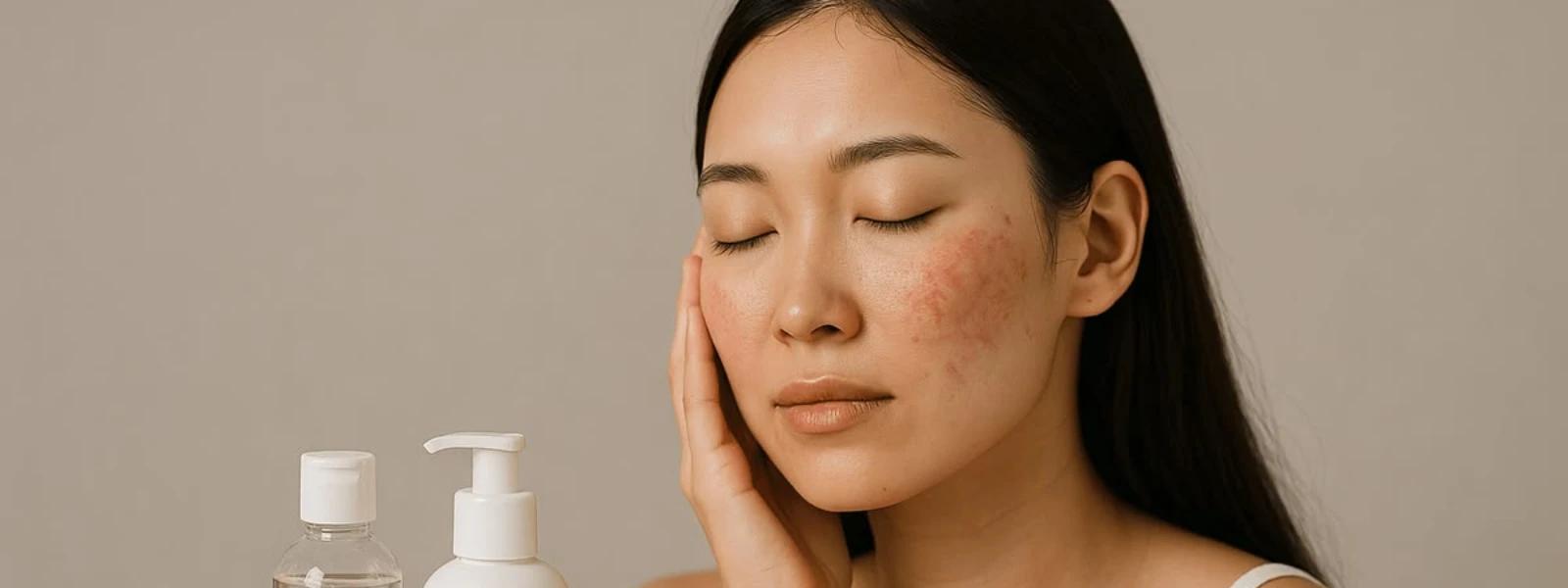
You've been staring at that stubborn dark patch on your cheek for months now, wondering if it's ever going to fade. Maybe it appeared after a particularly nasty breakout, or perhaps you've noticed new spots creeping up despite your best skincare efforts. The frustrating truth? Dark patches are one of the most common skin concerns, affecting people of all ages and skin tones. But here's the encouraging bit: with the right approach and a bit of patience, you absolutely can achieve that brighter, even skin tone you're after.
Before diving into solutions, let's get clear on what we're actually dealing with. Not all dark patches are created equal, and understanding your specific type is crucial for choosing the most effective treatment approach.
Post-inflammatory hyperpigmentation (PIH) is probably the most familiar culprit. These are the dark marks left behind after acne, cuts, or any skin trauma. They're particularly common in deeper skin tones and can range from brown to almost black. Melasma presents as symmetrical patches, often on the cheeks, forehead, or upper lip, and is closely linked to hormonal changes during pregnancy or from birth control. Sunspots and age spots are flat, brown patches that develop from years of UV exposure, typically appearing on areas like hands, face, and shoulders.
Your skin produces melanin as a protective response to various triggers. Sun exposure is the biggest culprit, causing your melanocytes to go into overdrive. Hormonal fluctuations, particularly oestrogen spikes, can trigger melasma formation. Inflammation from acne, eczema, or even aggressive skincare can leave lasting marks. And sometimes, it's simply genetics playing a role in how your skin responds to these triggers.
The depth of pigmentation matters enormously. Surface-level discolouration responds much faster to treatment than deeper, established patches. Melasma is notoriously stubborn because it often involves both surface and deeper skin layers. Fresh PIH from recent breakouts typically fades within 6-12 months, whilst older, established spots can take much longer.
Real talk: the skincare aisle can feel overwhelming when you're hunting for dark spot removal solutions. But focusing on clinically proven ingredients takes the guesswork out of your routine.
Vitamin C is your morning hero, working to inhibit melanin production whilst brightening existing spots. Look for concentrations between 10-20% in stable forms like magnesium ascorbyl phosphate or sodium ascorbyl phosphate. Niacinamide at 2-5% concentration is gentler but incredibly effective, reducing melanin transfer to skin cells whilst calming inflammation. Retinoids accelerate cell turnover, helping to push pigmented cells to the surface faster. Start with retinol 0.25% and work your way up.
Glycolic acid penetrates deeply to break down pigmented cells, whilst lactic acid offers gentler exfoliation with hydrating benefits. Mandelic acid is particularly brilliant for darker skin tones as it's less likely to cause irritation or post-inflammatory hyperpigmentation. Use these 2-3 times weekly, always followed by SPF during the day.

Mineral Sunscreen SPF 50 | Matte Finish | No White Cast | Non-Nano Zinc Oxide | Cica | Pregnancy Safe | All Skin Types | 50ml
Effective spot correctors often combine multiple ingredients for maximum impact. Look for formulations containing kojic acid, arbutin, or tranexamic acid alongside the actives mentioned above. These work synergistically to target different pathways of melanin production.
Creating an effective routine isn't about using every active ingredient at once. It's about strategic layering and consistent application over time.
Start with a gentle cleanser, follow with vitamin C serum, then niacinamide if your skin tolerates both. Always finish with a broad-spectrum SPF 30 or higher. The key is consistency rather than intensity. Your skin will notice gradual improvements over 8-12 weeks with this approach.
Cleanse thoroughly, then alternate between retinoid nights and acid exfoliation nights. Never use both on the same evening unless you're experienced with actives. On retinoid nights, apply your treatment, wait 20 minutes, then follow with a hydrating serum and moisturiser. On acid nights, apply your chosen AHA or BHA, then hydrate well.
Once weekly, consider a more intensive treatment like a glycolic acid mask or a concentrated vitamin C treatment. These can accelerate results but should be introduced gradually to avoid irritation.
Whilst active ingredients are typically more effective, some natural approaches do have scientific backing for skin brightening and gentle spot fading.
Aloe vera contains compounds that can inhibit melanin production whilst soothing inflammation. Fresh gel applied twice daily can support your main treatment routine. Green tea extract offers antioxidant protection and mild brightening effects. Rice water contains kojic acid naturally and can be used as a gentle toner.

Salicylic Acid Face Cleanser | Deep Cleansing Formula for Breakouts | Unclogs Pores & Controls Oil | For Oily & Acne-Prone Skin | 100ml
Natural treatments work more slowly than clinical actives, often requiring 3-6 months for noticeable results. They're excellent for maintenance and prevention but may not be sufficient for stubborn or established hyperpigmentation. Think of them as supportive rather than primary treatments.
Sometimes, at-home treatments need professional backup, especially for deep or extensive pigmentation.
Professional glycolic or TCA peels can dramatically accelerate spot fading. A series of 4-6 peels spaced 2-4 weeks apart often delivers significant results. Expect some downtime with deeper peels, including peeling and temporary darkening before improvement.
IPL (Intense Pulsed Light) works well for lighter skin tones with sun damage, whilst Q-switched lasers can be safer for darker skin. Always consult an experienced practitioner who understands your skin tone's specific needs.
Consider professional treatment if spots haven't responded to 6 months of consistent at-home care, if they're very dark or extensive, or if you're dealing with melasma triggered by hormones.
The most effective dark spot removal strategy is preventing new ones from forming whilst treating existing patches.
Broad-spectrum SPF 30 minimum, every single day, regardless of weather. Look for formulations containing iron oxides for protection against visible light, which can worsen melasma. Reapply every 2 hours when outdoors.
Avoid picking at spots or scratches, as trauma leads to PIH. Use gentle skincare techniques rather than aggressive scrubbing. Manage stress levels, as cortisol can influence melanin production. Stay hydrated and maintain a diet rich in antioxidants.

Hydrating Moisturizer | Non-Comedogenic | Boosts Collagen & Hydrates Deeply | Ceramides + Niacinamide | For Normal to Dry Skin | 50g
If you're pregnant or on hormonal contraception, focus heavily on sun protection as your skin is more prone to melasma. Some treatments like retinoids should be avoided during pregnancy, so consult your healthcare provider about safe alternatives.
Most people notice initial improvements within 4-6 weeks of consistent treatment, with significant results typically visible after 12-16 weeks. Deeper, older spots may take 6 months or longer to fade substantially.
Natural methods can help fade lighter, newer spots over time, but they're generally less effective than clinical actives. Combining natural approaches with proven ingredients like vitamin C and niacinamide often yields better results.
The fastest safe approach combines daily vitamin C, regular retinoid use, weekly acid exfoliation, and religious sun protection. Professional treatments like chemical peels can accelerate results but require proper aftercare.
Quality formulations containing proven ingredients like hydroquinone, kojic acid, or arbutin can be very effective. Look for products with multiple active ingredients and realistic claims rather than overnight miracle promises.
Consult a professional if patches change in size, colour, or texture, if they don't respond to 6 months of treatment, or if you're unsure about the type of hyperpigmentation you're dealing with.
Achieving brighter, even skin tone is absolutely possible with the right approach and realistic expectations. The key is understanding your specific type of hyperpigmentation and choosing treatments accordingly. Consistency trumps intensity every time, and patience is your best friend in this journey.
Whether you're exploring gentle natural approaches or considering professional treatments, remember that effective dark spot removal is a marathon, not a sprint. With platforms like Smytten Shop offering access to premium skincare brands and the ability to try products before committing to full sizes, you can discover what works for your unique skin without the guesswork. The 28M+ users who've found their perfect skincare matches prove that the right products are out there waiting for you.
Your skin will notice the difference when you commit to a thoughtful, consistent routine. Start where you are, use what works for your skin type and budget, and celebrate the small improvements along the way. That even, radiant complexion you're working towards? It's closer than you think.
