How to Remove Acne Scars FAQ: Your Guide to Clearer Skin


Rapid Dark Spot Correction Set | Reduces Dark Spots & Post-Acne Marks | Cleanser, Gel, Moisturizer & Sunscreen Kit
That stubborn acne scar staring back at you in the mirror? You're not alone. Whether it's a deep ice pick scar from teenage breakouts or those persistent post-acne marks that just won't fade, dealing with facial scars can feel overwhelming. The good news is that modern acne scar treatment options have come a long way, and there are proven methods to help reduce their appearance. From professional skin resurfacing techniques to effective home remedies for acne scars, understanding your options is the first step towards clearer, smoother skin.
Before diving into treatment options, it's crucial to identify what type of scars you're dealing with. Not all acne scars are created equal, and the best acne scar treatment depends entirely on your specific scar type and skin condition.
These deep, narrow scars look like small puncture wounds in the skin. They're the most challenging type to treat because they extend deep into the dermis. Ice pick scars typically require professional intervention, as topical treatments alone rarely provide significant improvement.
Boxcar scars are wider than ice pick scars with defined edges, resembling chicken pox scars. They respond well to various treatments including chemical peels and laser therapy. These scars are generally easier to treat than ice pick scars because they don't penetrate as deeply.
These create a wave-like appearance on the skin's surface due to bands of scar tissue beneath the skin. Rolling scars often improve with treatments that stimulate collagen production, such as microneedling or certain laser treatments.
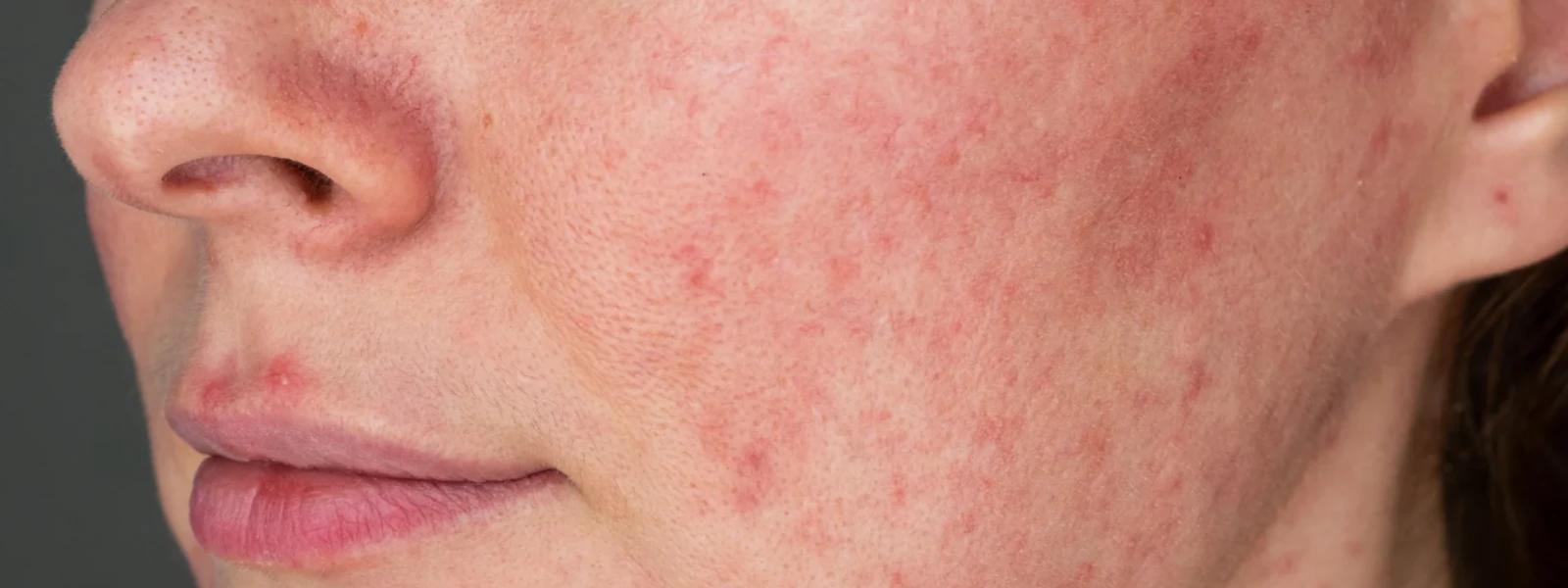
It's important to distinguish between post acne marks (hyperpigmentation) and actual textural scars. Post-inflammatory hyperpigmentation appears as flat, discoloured spots and typically fades over time with proper skincare. True acne scars involve changes in skin texture and require more intensive treatment approaches.
Professional treatments offer the most dramatic results for scar removal, especially for deeper or more extensive scarring. Here's what dermatologists typically recommend based on scar type and severity.

Target & Fade Duo for Hyperpigmentation | Even-Tone Underarms, Inner Thighs & Bum | Refines Skin Texture | For All Skin Types
Laser treatments work by removing damaged skin layers and stimulating collagen production. Fractional CO2 lasers are particularly effective for deeper scars, whilst gentler options like fractional erbium lasers work well for superficial scarring. Most patients need multiple sessions spaced several weeks apart for optimal results.
Professional chemical peels use acids like trichloroacetic acid (TCA) or glycolic acid to remove damaged skin layers. Medium-depth peels can significantly improve the appearance of boxcar and rolling scars, whilst lighter peels help with post-acne marks and overall skin texture.
Microneedling creates controlled micro-injuries that trigger the skin's natural healing response. This treatment is particularly effective for rolling scars and can be combined with radiofrequency for enhanced results. Most patients see improvement after 3-6 sessions.
Whilst professional treatments offer the most dramatic results, there are several effective home remedies for acne scars that can help improve skin texture and reduce the appearance of mild scarring over time.
Rosehip seed oil contains natural retinoids and vitamin C, which can help with skin regeneration. Apply a few drops to clean skin twice daily, focusing on scarred areas. Aloe vera gel has anti-inflammatory properties that may help reduce redness and promote healing when applied consistently.
Look for products containing retinoids, which increase cell turnover and stimulate collagen production. Vitamin C serums help with collagen synthesis and can brighten post-acne marks. Niacinamide reduces inflammation and helps regulate oil production whilst improving skin texture.

Mineral Sunscreen SPF 50 | Matte Finish | No White Cast | Non-Nano Zinc Oxide | Cica | Pregnancy Safe | All Skin Types | 50ml
A weekly honey and lemon mask can provide gentle exfoliation and vitamin C benefits. Mix equal parts raw honey and fresh lemon juice, apply for 15 minutes, then rinse thoroughly. Always follow with SPF during the day, as lemon can increase photosensitivity.
Preventing new acne scars is often easier than treating existing ones. The key is addressing active acne promptly and avoiding behaviours that increase scarring risk.
Never pick or squeeze spots, as this dramatically increases the likelihood of scarring. Instead, use targeted acne treatments containing salicylic acid or benzoyl peroxide to address breakouts safely. Daily SPF application is crucial, as UV exposure can darken existing scars and slow healing.
If you're dealing with persistent acne, consider consulting a dermatologist before scarring occurs. Early intervention with prescription treatments like retinoids or antibiotics can prevent the deep, inflammatory lesions most likely to cause permanent scarring.
Understanding what's achievable with different treatments helps set appropriate expectations. Complete scar removal isn't always possible, but significant improvement usually is with the right approach and patience.
Mild scarring often responds well to consistent at-home care over 3-6 months. Moderate scarring typically requires professional treatment but can see 50-80% improvement with appropriate therapy. Severe scarring may need combination treatments and multiple sessions but can still achieve meaningful results.
Remember that skin healing is a gradual process. Most treatments require several weeks to months before full results become apparent, as collagen remodelling takes time.
Complete removal depends on scar type and depth. Superficial scars and post-acne marks often fade significantly or disappear entirely with proper treatment. Deeper scars like ice pick scars may not be completely eliminated but can be substantially improved with professional treatments like laser resurfacing or punch excision techniques.

Salicylic Acid Face Cleanser | Deep Cleansing Formula for Breakouts | Unclogs Pores & Controls Oil | For Oily & Acne-Prone Skin | 100ml
Timeline varies by treatment method. Topical treatments and home remedies typically show initial improvement in 4-8 weeks, with continued progress over 3-6 months. Professional treatments like chemical peels may show results in 2-4 weeks, whilst laser treatments often require 2-3 months for full results as collagen rebuilds.
Deep scars usually require professional intervention. Fractional CO2 laser resurfacing is considered the gold standard for significant textural improvement. For very deep ice pick scars, punch excision followed by laser treatment often provides the best results. Combination approaches typically work better than single treatments.
Natural remedies can help with mild scarring and post-acne marks but have limitations for deeper scars. Ingredients like vitamin C, retinoids from rosehip oil, and alpha hydroxy acids from certain fruits can promote skin renewal. However, professional treatments are more effective for significant scarring.
Costs vary widely based on treatment type and location. Chemical peels typically range from ₹3,000-15,000 per session. Laser treatments can cost ₹8,000-25,000 per session. Microneedling usually ranges from ₹2,500-8,000 per session. Most patients need multiple sessions for optimal results.
Combining treatments can be effective but should be done carefully. Using a gentle retinoid with vitamin C serum is generally safe. However, combining aggressive treatments like strong chemical peels with laser therapy requires professional guidance to avoid over-treating the skin and causing irritation or additional damage.
Treating acne scars successfully requires understanding your specific scar type and choosing appropriate treatments accordingly. Whilst professional options like laser resurfacing and chemical peels offer the most dramatic results, consistent at-home care with proven ingredients can also make a meaningful difference, especially for mild scarring and post-acne marks.
The journey to clearer skin takes patience and often benefits from a combination approach. Whether you're exploring gentle home remedies or considering professional treatment, the key is starting with realistic expectations and maintaining consistency with your chosen method.
For those looking to experiment with different acne scar cream formulations and ingredients, platforms like Smytten offer the opportunity to try products before committing to full sizes. With access to curated skincare options from trusted brands, you can discover what works for your skin without the guesswork. Remember, the best treatment is one you'll stick with consistently, and finding the right products for your skin type and budget is essential for long-term success.
