How to Reduce Skin Spots: Effective Hyperpigmentation Remedies


Target & Fade Duo for Hyperpigmentation | Even-Tone Underarms, Inner Thighs & Bum | Refines Skin Texture | For All Skin Types
You've noticed them in the mirror—those stubborn dark patches that seem to appear overnight but take forever to fade. Whether it's the aftermath of a particularly aggressive breakout, sun damage from last summer's holiday, or mysterious spots that appeared during a stressful period, hyperpigmentation affects nearly 90% of people at some point in their lives. The good news? Understanding how to reduce skin spots isn't rocket science, and with the right approach, you can see real improvements in your skin's clarity and tone.
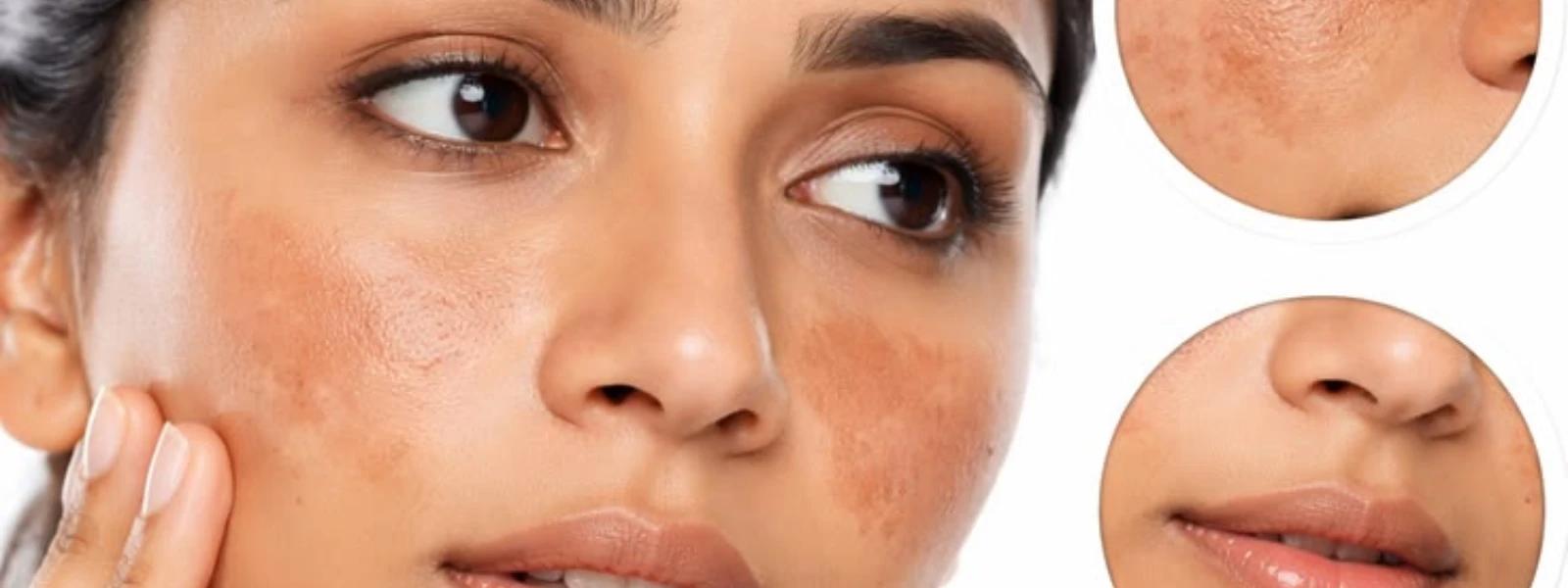
Not all dark spots are created equal, and knowing what you're dealing with makes all the difference in choosing the right treatment. Hyperpigmentation occurs when your skin produces excess melanin in response to various triggers, creating those frustrating patches of uneven skin tone.
This is probably the most common type you'll encounter, especially if you've dealt with acne. PIH appears as dark marks left behind after spots heal—those brown or black patches that linger long after the actual pimple has gone. Your skin essentially overreacts to inflammation, producing extra melanin as a protective response. The deeper the original inflammation, the more stubborn these marks tend to be.
Years of UV exposure catch up with us eventually, manifesting as flat, brown patches typically on the face, hands, and shoulders. These age spots aren't actually about age—they're about cumulative sun damage. Even that seemingly harmless daily commute or sitting by a window can contribute to their formation over time.
Often called the "pregnancy mask," melasma creates symmetrical patches across the cheeks, forehead, and upper lip. Hormonal fluctuations—whether from pregnancy, contraceptives, or hormone replacement therapy—trigger this condition. Unlike other forms of hyperpigmentation, melasma can be particularly stubborn and often requires a more targeted approach.
When over-the-counter products aren't cutting it, professional treatments offer more potent solutions for skin discoloration treatment. These options work faster and more effectively, though they require proper guidance and realistic expectations.
Hydroquinone remains the gold standard for spot reduction, available in 2-4% concentrations through dermatologists. It works by inhibiting tyrosinase, the enzyme responsible for melanin production. However, it requires careful use—prolonged application can sometimes cause paradoxical darkening, particularly on deeper skin tones.
Tretinoin and other prescription retinoids accelerate cell turnover, helping to push pigmented cells to the surface more quickly. They're particularly effective when combined with other lightening agents. The downside? Initial irritation and increased sun sensitivity, making consistent SPF use absolutely crucial.

Mineral Sunscreen SPF 50 | Matte Finish | No White Cast | Non-Nano Zinc Oxide | Cica | Pregnancy Safe | All Skin Types | 50ml
Chemical peels using glycolic acid, salicylic acid, or TCA (trichloroacetic acid) remove the top layers of skin, taking pigmented cells with them. Light peels require multiple sessions but have minimal downtime, whilst deeper peels show dramatic results but need significant recovery time.
Laser treatments and IPL (Intense Pulsed Light) target melanin specifically, breaking up pigment clusters. These work particularly well for sun spot treatment and can show results in just a few sessions. However, they're not suitable for all skin types and can sometimes worsen melasma.
If you prefer a gentler approach or want to complement professional treatments, several natural remedies for skin spots have solid research backing their effectiveness. These methods take longer but are generally safer for sensitive skin.
Vitamin C serums work on multiple levels—they inhibit melanin production, provide antioxidant protection, and boost collagen synthesis. Look for stable forms like magnesium ascorbyl phosphate or sodium ascorbyl phosphate, which are less likely to oxidise and cause irritation. Apply in the morning under your SPF for maximum protection and brightening benefits.
Niacinamide (vitamin B3) is brilliant for addressing multiple skin concerns simultaneously. At concentrations of 2-5%, it reduces melanin transfer to skin cells, minimises pore appearance, and strengthens the skin barrier. It's particularly effective for those dealing with both acne and the resulting dark marks.
Glycolic acid and lactic acid gently exfoliate the skin's surface, encouraging cell turnover and gradually fading surface pigmentation. Start with lower concentrations (5-10%) and use only in the evening, always following with SPF the next day. These acids make your skin more photosensitive, so sun protection becomes even more critical.
Whilst not as potent as clinical treatments, some household ingredients can support your skin brightening methods. Turmeric contains curcumin, which has anti-inflammatory and mild lightening properties. Mix with honey for a gentle weekly mask, but be cautious—turmeric can temporarily stain the skin yellow.
Green tea extract provides antioxidant protection and mild lightening effects. You can use cooled green tea as a toner or look for products containing green tea extract. Aloe vera soothes inflammation and may help prevent PIH from forming in the first place.
Consistency trumps intensity when it comes to fade dark spots effectively. Your daily routine should focus on three key principles: protection, treatment, and patience.

Salicylic Acid Face Cleanser | Deep Cleansing Formula for Breakouts | Unclogs Pores & Controls Oil | For Oily & Acne-Prone Skin | 100ml
Start with a gentle cleanser that won't strip your skin barrier. Follow with a vitamin C serum—this provides antioxidant protection and gradual brightening. The most crucial step? SPF 30 or higher, applied generously and reapplied throughout the day. Without proper sun protection, even the best treatments will fail as new damage continues to occur.
Double cleanse to remove sunscreen and daily pollutants thoroughly. This is when you apply your active treatments—whether it's a prescription retinoid, niacinamide serum, or gentle AHA. Follow with a nourishing moisturiser to support your skin barrier during the repair process.
Incorporate gentle exfoliation 1-2 times weekly using either chemical exfoliants or a soft physical scrub. This helps remove dead skin cells and allows your treatment products to penetrate more effectively. Face masks containing kojic acid, arbutin, or licorice root extract can provide additional brightening support.
Your skincare routine is just one piece of the puzzle. Several lifestyle factors significantly impact how quickly you see results and whether new spots continue to form.
Whilst SPF is non-negotiable, comprehensive sun protection includes seeking shade during peak hours (10 AM to 4 PM), wearing wide-brimmed hats, and choosing clothing with tight weaves. Even car windows don't block all UV rays, so consider window film or keep sunscreen handy for longer drives.
Antioxidant-rich foods support your skin's natural repair processes. Include plenty of berries, leafy greens, and foods high in vitamin E and selenium. Hydration also plays a crucial role—well-hydrated skin sheds dead cells more efficiently, helping treatments work more effectively.
Chronic stress elevates cortisol levels, which can worsen inflammation and slow healing. Quality sleep (7-9 hours) is when your skin does most of its repair work. Poor sleep can extend the time it takes for dark spots to fade and make you more prone to new breakouts.

Hydrating Moisturizer | Non-Comedogenic | Boosts Collagen & Hydrates Deeply | Ceramides + Niacinamide | For Normal to Dry Skin | 50g
Whilst many spots respond well to consistent home care, certain situations warrant professional consultation. If spots change shape, size, or colour rapidly, or if they're raised and irregular, see a dermatologist promptly. These could indicate more serious conditions requiring medical attention.
For stubborn melasma or extensive sun damage, professional treatments often provide faster, more dramatic results than home remedies alone. A dermatologist can also help you avoid common mistakes that might worsen hyperpigmentation, particularly if you have deeper skin tones that are more prone to post-inflammatory changes.
Most people begin noticing improvements after 6-8 weeks of consistent treatment, with significant changes visible after 3-4 months. Professional treatments may show results faster, but patience is key regardless of your chosen method. Remember, it took time for these spots to form, and it takes time for them to fade.
Yes, but introduce them gradually to avoid irritation. A common effective combination is vitamin C in the morning and retinol or AHA in the evening. Always start with lower concentrations and monitor your skin's response. If you experience excessive dryness or irritation, scale back and build tolerance slowly.
Without proper sun protection, spots will return as UV exposure continues to trigger melanin production. Additionally, hormonal fluctuations can reactivate melasma, and new breakouts can create fresh PIH. Maintenance is crucial—think of spot treatment as an ongoing process rather than a one-time fix.
Natural remedies work more slowly but can be effective for mild hyperpigmentation, especially when used consistently over time. They're also gentler and less likely to cause irritation. However, for stubborn spots or extensive damage, professional treatments typically provide faster, more dramatic results.
Learning how to reduce skin spots effectively requires understanding your specific type of hyperpigmentation and choosing appropriate treatments accordingly. Whether you opt for professional procedures, gentle natural remedies, or a combination approach, consistency and sun protection remain your most powerful tools.
The journey to clearer, more even-toned skin isn't always linear—you might see initial improvement followed by plateaus, or experience some trial and error finding what works best for your skin. That's completely normal. What matters most is maintaining realistic expectations and staying committed to your routine.
For those exploring new products and treatments, platforms like Smytten Shop offer the opportunity to try various skincare solutions before committing to full sizes. With access to premium brands and the ability to test products risk-free, you can build an effective routine tailored to your specific needs without the guesswork. Remember, the best treatment is the one you'll actually use consistently—and finding products you love makes that consistency much easier to maintain.
