How to Read Skincare Ingredients List India: A Complete Guide
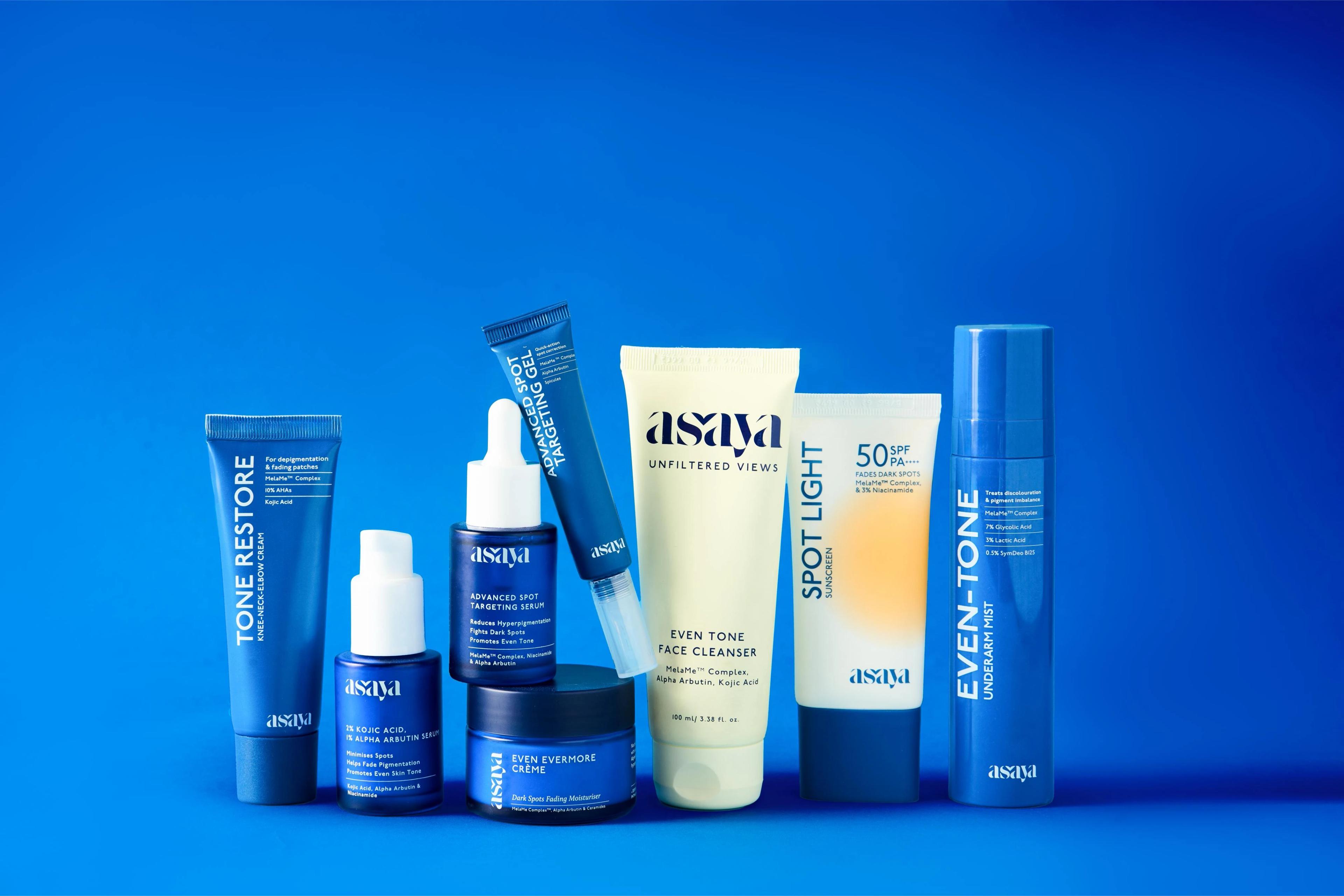


Target & Fade Duo for Hyperpigmentation | Even-Tone Underarms, Inner Thighs & Bum | Refines Skin Texture | For All Skin Types
Ever stood in the skincare aisle, squinting at tiny print on the back of a bottle, wondering if those long scientific names are actually good for your skin? You're not alone. Reading skincare ingredient lists can feel like decoding a chemistry textbook, especially when you're trying to find products that work for Indian skin in our unique climate. But here's the thing – understanding what's actually in your skincare products is one of the most empowering skills you can develop. It helps you avoid ingredients that might irritate your skin, find products that target your specific concerns like hyperpigmentation or monsoon breakouts, and make smarter choices with your skincare budget.
Before diving into specific ingredients, let's talk about how skincare ingredients are actually listed on products sold in India. Every skincare product follows the INCI (International Nomenclature of Cosmetic Ingredients) system, which means that turmeric will be listed as "Curcuma Longa" and rose water as "Rosa Damascena Flower Water." This standardised naming helps you identify the same ingredient across different brands, regardless of how they market it.
In India, the Bureau of Indian Standards (BIS) requires all cosmetic products to list ingredients in descending order of concentration. This means the first ingredient makes up the largest percentage of the formula, and the last ingredient makes up the smallest. For most skincare products, water (listed as "Aqua") typically tops the list, followed by the main active ingredients or base formulation components.
Here's something many people don't realise: there's often a huge difference between what brands claim on the front of their packaging and what's actually inside. A product might boast "infused with vitamin C" on the front, but if you check the ingredient list and find "Ascorbic Acid" listed near the bottom, you're probably getting a tiny amount that won't make much difference to your skin.
Most preservatives and some active ingredients are used at concentrations below 1%. Once you see ingredients like phenoxyethanol or potassium sorbate (common preservatives), you know that everything listed after them is likely present at less than 1% concentration.
The most important thing to understand about decoding skincare labels is that the first five ingredients typically make up about 80% of the entire formula. This means if you're buying a moisturiser for dry skin, you want to see hydrating ingredients like hyaluronic acid, glycerin, or ceramides listed early on, not buried at the end after the preservatives.
Let's break down a typical Indian skincare product ingredient list. Say you're looking at a face cream marketed for pigmentation. The list might start with: Aqua, Glycerin, Niacinamide, Cetyl Alcohol, Kojic Acid, Dimethicone, and so on. Here, water is the base, glycerin provides hydration, niacinamide helps with oil control and pigmentation, cetyl alcohol acts as an emulsifier, and kojic acid targets dark spots. This tells you the product is primarily hydrating with meaningful amounts of pigmentation-fighting ingredients.
Active ingredients are the ones that actually treat your skin concerns – think salicylic acid for acne, retinol for anti-ageing, or vitamin C for brightening. Inactive ingredients include emulsifiers, preservatives, and texture enhancers that make the product feel nice and stay stable, but don't directly address skin issues.
Preservatives typically appear towards the end of ingredient lists because they're used in small concentrations (usually 0.1-1%). Common ones include phenoxyethanol, benzyl alcohol, and various parabens. While some people prefer paraben-free products, it's worth noting that preservatives are essential for preventing harmful bacteria growth, especially in India's humid climate.

Mineral Sunscreen SPF 50 | Matte Finish | No White Cast | Non-Nano Zinc Oxide | Cica | Pregnancy Safe | All Skin Types | 50ml
Indian skin has unique needs shaped by our climate, pollution levels, and genetic predisposition to certain concerns like hyperpigmentation. Understanding which Indian skincare ingredients work best for our skin types can help you make smarter product choices.
For our hot, humid climate, ingredients like hyaluronic acid are brilliant because they draw moisture from the environment into your skin. Niacinamide is another superstar for Indian skin – it helps control excess oil production during summer months while also working on pigmentation concerns that many of us face.
Vitamin C deserves special mention for Indian skincare routines. With high pollution levels in most Indian cities, this antioxidant helps protect your skin from environmental damage while also brightening existing dark spots. Look for stable forms like "Magnesium Ascorbyl Phosphate" or "Sodium Ascorbyl Phosphate" rather than plain "Ascorbic Acid," which can be unstable in our climate.
Ceramides are fantastic for repairing your skin barrier, which often gets compromised by air conditioning, pollution, and frequent face washing. They're particularly helpful if you're dealing with post-acne dryness or irritation from active ingredients.
Many traditional Indian ingredients have made their way into modern formulations. Turmeric (Curcuma Longa) appears in products targeting inflammation and dullness. Neem (Azadirachta Indica) is excellent for acne-prone skin, while sandalwood (Santalum Album) offers soothing properties for sensitive skin types.
For hyperpigmentation – one of the most common concerns among Indian consumers – look for kojic acid, arbutin, alpha arbutin, or azelaic acid. These ingredients work gently to fade dark spots without causing the irritation that stronger acids might trigger on melanin-rich skin.
If you're dealing with acne, salicylic acid and tea tree oil (Melaleuca Alternifolia) are your friends. Salicylic acid helps unclog pores, while tea tree oil has antimicrobial properties that can help manage breakouts.
Not all ingredients play well with Indian skin or climate conditions. Being aware of potentially harmful skincare ingredients can save you from irritation, breakouts, or worsened skin concerns.
Sulfates like Sodium Lauryl Sulfate (SLS) and Sodium Laureth Sulfate (SLES) can be particularly harsh in our climate. They strip away natural oils, which might seem appealing if you have oily skin, but can actually trigger your skin to produce even more oil to compensate.
Denatured alcohol (often listed as "Alcohol Denat") can be problematic in hot weather. While it might make products feel lightweight initially, it can lead to increased dryness and irritation, especially if you're spending time in air-conditioned environments.

Salicylic Acid Face Cleanser | Deep Cleansing Formula for Breakouts | Unclogs Pores & Controls Oil | For Oily & Acne-Prone Skin | 100ml
Certain essential oils can make your skin more sensitive to sunlight. Bergamot oil and lime oil are particularly photosensitising, which is concerning given India's intense UV exposure. If you see these in your skincare products, make sure you're religious about SPF application.
If you're prone to breakouts, be cautious with heavy oils like coconut oil or cocoa butter in facial products. While these ingredients work beautifully for body care, they can clog facial pores and worsen acne. Instead, look for non-comedogenic oils like jojoba oil or squalane.
Now that you understand the basics, let's walk through a practical approach to skincare product analysis. This method will help you evaluate any product before adding it to your routine.
Step 1: Identify the Product Type
Start by understanding what the product is supposed to do. Is it a cleanser, moisturiser, treatment serum, or sunscreen? This helps set expectations for what ingredients you should see prominently featured.
Step 2: Analyze the First Five Ingredients
Read the first five ingredients carefully. These make up the bulk of the formula. For a hydrating serum, you might expect to see water, hyaluronic acid, and glycerin early on. For an anti-acne treatment, salicylic acid or benzoyl peroxide should appear in the top five.
Step 3: Look for Active Ingredients
Identify the active ingredients and roughly gauge their concentration based on their position in the list. If a product claims to contain retinol but you find it listed after preservatives, it's probably not present in meaningful amounts.
Let's analyze a hypothetical "brightening serum" popular in India:
Aqua, Niacinamide, Glycerin, Alpha Arbutin, Sodium Hyaluronate, Phenoxyethanol, Kojic Acid, Fragrance.
This tells us: it's water-based, contains a significant amount of niacinamide (great for pigmentation), includes glycerin for hydration, has alpha arbutin as another pigmentation fighter, and uses sodium hyaluronate for moisture retention. The kojic acid appears after preservatives, so it's likely present in smaller amounts.
Understanding Indian regulations helps you make informed choices and spot authentic products. The Bureau of Indian Standards requires all cosmetic products to display ingredients in descending order of concentration, include manufacturing and expiry dates, and list the manufacturer's details.
For imported products, you should see an import license number and the Indian distributor's information. This is particularly important when buying international brands, as it helps verify authenticity.

Hydrating Moisturizer | Non-Comedogenic | Boosts Collagen & Hydrates Deeply | Ceramides + Niacinamide | For Normal to Dry Skin | 50g
Counterfeit skincare products are unfortunately common in India. Authentic products will have clear, properly printed ingredient lists, correct spelling, and proper regulatory information. If the ingredient list looks blurry, has spelling mistakes, or seems incomplete, be cautious.
Most brands don't disclose exact percentages, but you can estimate based on ingredient order and regulatory minimums. For example, if vitamin C is listed third or fourth, it's likely present at 5-20%. Active ingredients like retinol typically range from 0.25-1% in over-the-counter products.
They follow similar principles – both list ingredients in descending order of concentration. However, cosmetic regulations are different from food regulations, and some ingredients safe for skin contact aren't meant for consumption.
The INCI database, Paula's Choice ingredient dictionary, and apps like YUKA or Think Dirty can help you understand individual ingredients. For Indian-specific concerns, dermatology websites and trusted beauty platforms often provide ingredient guides tailored to our climate and skin types.
Look for lightweight, non-comedogenic formulations with ingredients like niacinamide, hyaluronic acid, and zinc oxide. Avoid heavy oils, thick creams with petroleum-based ingredients, and products with high alcohol content for daily use in humid conditions.
INCI names are standardised scientific names used globally – like "Tocopherol" for Vitamin E. Common names are what we usually call ingredients – like "Vitamin E." Learning key INCI names helps you identify ingredients across different brands and countries.
Reading skincare ingredient lists might seem overwhelming at first, but it's one of the most valuable skills you can develop for your skin health. Understanding what's actually in your products helps you make informed decisions, avoid ingredients that don't work for your skin type, and get better results from your skincare routine.
Remember, the best skincare routine is one that's tailored to your specific skin needs and concerns. Whether you're dealing with monsoon breakouts, pollution-induced dullness, or stubborn pigmentation, knowing how to read ingredient lists empowers you to choose products that will actually help rather than just promise results.
For those looking to experiment with new products safely, platforms like Smytten Shop offer sample sizes of premium skincare brands, allowing you to test how your skin responds to different ingredients before committing to full-sized products. With over 28 million users discovering products through samples and earning cashback on purchases, it's a smart way to build an ingredient-informed skincare routine that actually works for your skin.
Your skin deserves products that work, and now you have the knowledge to find them. Start small, patch test new ingredients, and remember that great skin is built over time with consistent, informed choices.
