How to Prevent Underarm Pigment Issues: Causes and Solutions


2% Kojic Acid Serum | Dark Spot & Pigmentation Care | Alpha Arbutin + Niacinamide | Even-Tone Formula | For All Skin Types | 30ml
You catch a glimpse of yourself in the mirror whilst getting dressed and notice those telltale dark patches under your arms. Sound familiar? Underarm discoloration affects millions of people worldwide, yet it remains one of those skin concerns we rarely discuss openly. Whether you're dealing with sudden pigmentation changes or gradual darkening over time, understanding the root causes is your first step towards clearer, more even-toned underarms. The good news? Most cases of armpit pigmentation are completely preventable and treatable with the right approach.
Before diving into solutions, let's get real about what's actually happening beneath the surface. Dark underarms aren't just a cosmetic concern—they're often your skin's way of responding to various internal and external factors. Understanding these triggers helps you tackle the issue at its source rather than just masking the symptoms.
Acanthosis nigricans is perhaps the most common medical cause of underarm darkening. This condition creates thick, velvety patches of darker skin, particularly in body folds like the underarms, neck, and groin. It's closely linked to insulin resistance, which means your body struggles to process sugar effectively. If you've noticed sudden darkening alongside weight gain or increased thirst, it's worth discussing with your GP.
PCOS (Polycystic Ovary Syndrome) frequently causes hormonal imbalances that trigger pigmentation changes. The elevated insulin levels common in PCOS can stimulate melanin production, leading to darker patches under the arms. Many women first notice this connection when their underarm tone changes alongside irregular periods or unexplained weight gain.
Your daily habits play a massive role in preventing underarm pigment issues. Friction from tight clothing creates constant irritation, prompting your skin to produce more melanin as a protective response. That snug sports bra or fitted shirt might be contributing to the very problem you're trying to solve.
Shaving irritation ranks high amongst armpit darkening causes. Frequent shaving, especially with dull razors or without proper preparation, creates micro-injuries that heal with increased pigmentation. The constant trauma-repair cycle leaves behind darker patches that build up over time.
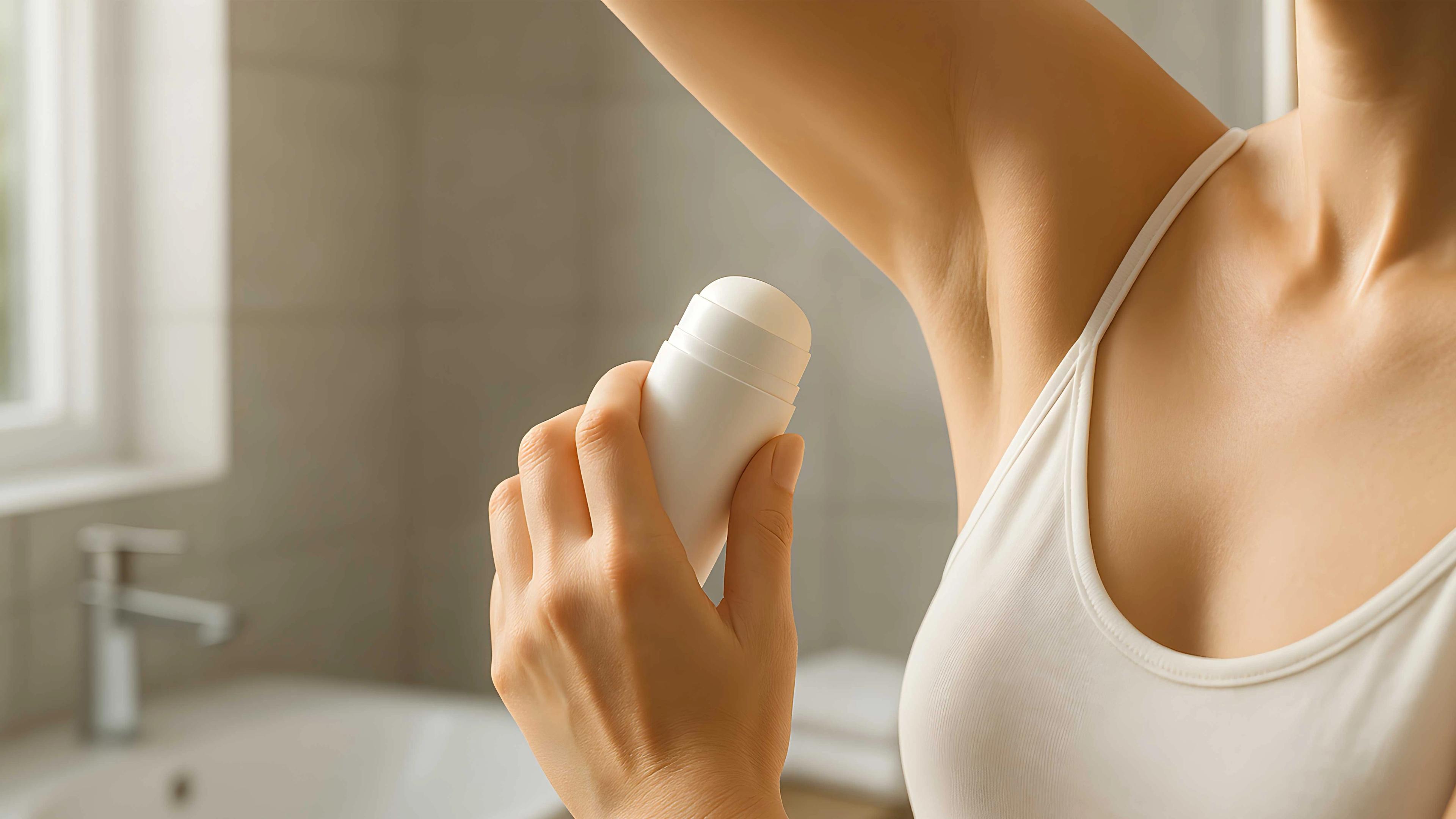
Your deodorant might be working against you too. Aluminium-based antiperspirants can cause chemical irritation in sensitive individuals, whilst certain fragrances and preservatives trigger allergic reactions that manifest as darkening.
Some people naturally produce more melanin in response to irritation—it's simply how their skin is programmed. If your family members struggle with similar pigmentation issues, you're more likely to develop them too. This doesn't mean you're powerless, though. Understanding your genetic predisposition helps you take preventive measures early.
Prevention truly is better than cure when it comes to underarm pigmentation. These evidence-based strategies address the root causes whilst protecting your skin from future damage. The key is consistency—sporadic efforts won't deliver the results you're after.
Your hair removal method significantly impacts pigmentation risk. Sharp, clean razors used with proper technique cause minimal trauma. Always shave in the direction of hair growth, never against it, and replace blades frequently. Pre-shave oils and quality shaving creams create a protective barrier that reduces friction.
Waxing, whilst more painful initially, removes hair from the root and reduces the frequency of removal needed. This gives your skin more time to heal between sessions. Laser hair removal offers the most long-term benefits for preventing dark armpits, as it eliminates the need for regular removal altogether.

Face Wash for Dark Spots & Marks | Alpha Arbutin + Kojic Acid | Evens Skin Tone | Non-Stripping Gentle Formula | For All Skin Types | 100ml
Switching to aluminium-free deodorants can make a remarkable difference for sensitive skin. Natural alternatives containing ingredients like coconut oil, shea butter, and essential oils provide odour protection without harsh chemicals. However, the transition period can be challenging as your skin adjusts.
Look for deodorants specifically formulated for sensitive skin, avoiding products with heavy fragrances or alcohol. Some brands now offer deodorants with brightening ingredients like kojic acid or vitamin C, which actively work to even out skin tone whilst providing protection.
Breathable fabrics like cotton, bamboo, and moisture-wicking synthetics reduce friction and allow proper air circulation. Avoid overly tight clothing that creates constant rubbing against the underarm area. The goal is to minimise irritation whilst maintaining comfort and style.
When prevention isn't enough, targeted treatments can help restore even skin tone. The approach you choose depends on the severity of pigmentation, your budget, and how quickly you want to see results. Professional treatments typically work faster but cost more, whilst at-home options require patience but offer better value.
Chemical peels using glycolic acid or lactic acid remove the top layer of pigmented skin, revealing fresher, more even-toned skin beneath. Professional-strength peels deliver faster results than over-the-counter options, typically showing improvement within 4-6 weeks.
Laser therapy targets melanin deposits directly, breaking them down so your body can naturally eliminate them. Q-switched lasers are particularly effective for stubborn pigmentation, though multiple sessions are usually required. The treatment is virtually painless and requires no downtime.
Prescription tretinoin accelerates cell turnover, helping pigmented cells shed more quickly whilst preventing new dark spots from forming. Your dermatologist might combine this with hydroquinone for enhanced brightening effects.
Lemon juice contains natural citric acid that gently exfoliates whilst vitamin C provides antioxidant benefits. However, never apply lemon juice before sun exposure, as it can cause photosensitivity reactions. Use it only in evening routines and always follow with moisturiser.
Gentle exfoliation with a soft brush or exfoliating mitt helps remove dead skin cells that can make pigmentation appear darker. Limit this to 2-3 times weekly to avoid over-irritation. Follow with a soothing moisturiser containing ingredients like aloe vera or ceramides.
Kojic acid serums offer gentle brightening without the irritation potential of stronger acids. This naturally derived ingredient inhibits melanin production whilst being suitable for sensitive underarm skin. Results typically appear after 6-8 weeks of consistent use.
Moisturisers containing niacinamide help regulate melanin production whilst strengthening the skin barrier. This versatile ingredient also reduces inflammation, making it ideal for post-shaving care. Look for products with at least 5% niacinamide concentration for optimal results.
Consistency trumps intensity when it comes to underarm care. A simple, daily routine prevents issues from developing whilst maintaining the results of any treatments you've undertaken. The key is choosing products that work with your lifestyle rather than against it.

Even Tone Underarm Mist | Brightening Spray for Dark Underarms | 48H Odour Protection | 7% Glycolic + 3% Lactic Acid | Pack of 2 | 100ml
Start with gentle cleansing using a mild, fragrance-free cleanser. Harsh soaps strip natural oils and can increase irritation. Pat the area dry rather than rubbing, then apply a lightweight moisturiser before your deodorant.
If you'll be spending time outdoors, consider applying SPF to exposed underarm areas. Sun exposure can worsen existing pigmentation and slow the healing process of any treatments you're using.
Evening routines allow for more intensive treatments since you won't be applying deodorant afterwards. This is the ideal time for brightening serums, gentle acids, or prescription treatments. Always follow active ingredients with a nourishing moisturiser to prevent dryness.
If you're using multiple active ingredients, alternate them to prevent irritation. For example, use a kojic acid serum on Monday, Wednesday, and Friday, whilst applying a niacinamide moisturiser on the other days.
Whilst most cases of underarm discoloration respond well to at-home care, certain situations warrant professional evaluation. Recognising these red flags can save you time and ensure you receive appropriate treatment for any underlying conditions.
Sudden, dramatic changes in underarm pigmentation, especially when accompanied by other symptoms like excessive thirst, unexplained weight changes, or irregular periods, may indicate hormonal imbalances or metabolic conditions requiring medical attention.
If home treatments haven't shown improvement after 12 weeks of consistent use, it's time to consult a dermatologist. They can assess whether you're dealing with simple post-inflammatory hyperpigmentation or a more complex condition requiring prescription treatments.
Your dermatologist will examine the affected areas and ask about your medical history, current medications, and skincare routine. They might recommend blood tests to check for insulin resistance or hormonal imbalances if they suspect an underlying medical cause.
Treatment recommendations will be tailored to your specific situation, skin type, and lifestyle. Professional treatments typically show results faster than over-the-counter options, with most patients seeing improvement within 6-8 weeks.
Sustainable results require addressing the bigger picture. Your diet, exercise habits, and overall health significantly impact your skin's appearance and its ability to heal from pigmentation issues.
Anti-inflammatory foods like berries, leafy greens, and fatty fish support skin healing whilst reducing the inflammatory response that can worsen pigmentation. If insulin resistance is contributing to your underarm darkening, focusing on low-glycemic foods helps stabilise blood sugar levels.

Even Tone Underarm Mist | Brightening Spray for Dark Underarms | 48H Odour Protection | 7% Glycolic + 3% Lactic Acid | Pack of 2 | 100ml
Proper hydration supports cellular turnover and helps your skin eliminate pigmented cells more efficiently. Aim for at least 8 glasses of water daily, more if you're active or live in a hot climate.
Post-workout cleansing prevents bacteria and sweat from irritating sensitive underarm skin. Use lukewarm water and gentle cleansers, avoiding harsh scrubbing that can worsen pigmentation. Change out of sweaty clothes promptly to reduce friction and bacterial growth.
Choose breathable workout fabrics and consider applying a light layer of petroleum jelly to high-friction areas before exercise. This creates a protective barrier that reduces irritation during movement.
Most people notice improvement within 4-6 weeks of consistent treatment, though complete results may take 3-6 months depending on the severity of pigmentation and treatment method used. Professional treatments typically work faster than at-home remedies.
Yes, PCOS commonly causes underarm darkening due to insulin resistance and hormonal imbalances. Managing PCOS through diet, exercise, and medication (when prescribed) often improves underarm pigmentation alongside other symptoms.
Natural remedies can be effective for mild pigmentation but typically work slower than professional treatments. They're excellent for maintenance and prevention but may not be sufficient for severe cases or underlying medical conditions.
Avoid products containing alcohol, heavy fragrances, parabens, and aluminium if you're prone to irritation. These ingredients can worsen pigmentation in sensitive individuals.
Yes, pigmentation can return if the underlying causes aren't addressed. Maintaining proper skincare habits, choosing appropriate deodorants, and managing any medical conditions helps prevent recurrence.
Preventing underarm pigment issues is entirely achievable with the right knowledge and consistent approach. Whether you're dealing with existing discoloration or want to prevent future issues, the key lies in understanding your skin's unique needs and responding accordingly. Remember, what works for your friend might not work for you—skincare is deeply personal.
The journey to even-toned underarms requires patience, but the confidence boost is worth every effort. If you're exploring new products for your routine, platforms like Smytten Shop offer curated selections from premium brands, allowing you to discover what works best for your skin without committing to full-sized products immediately. With over 28 million users trusting their recommendations, you can feel confident about trying new solutions for your skincare concerns.
Your skin will notice the difference when you treat it with the care and attention it deserves. Start with one or two changes rather than overhauling your entire routine overnight, and give each approach time to work before moving on to something new.
