How to Prevent Sweat: Effective Solutions for Excessive Sweating
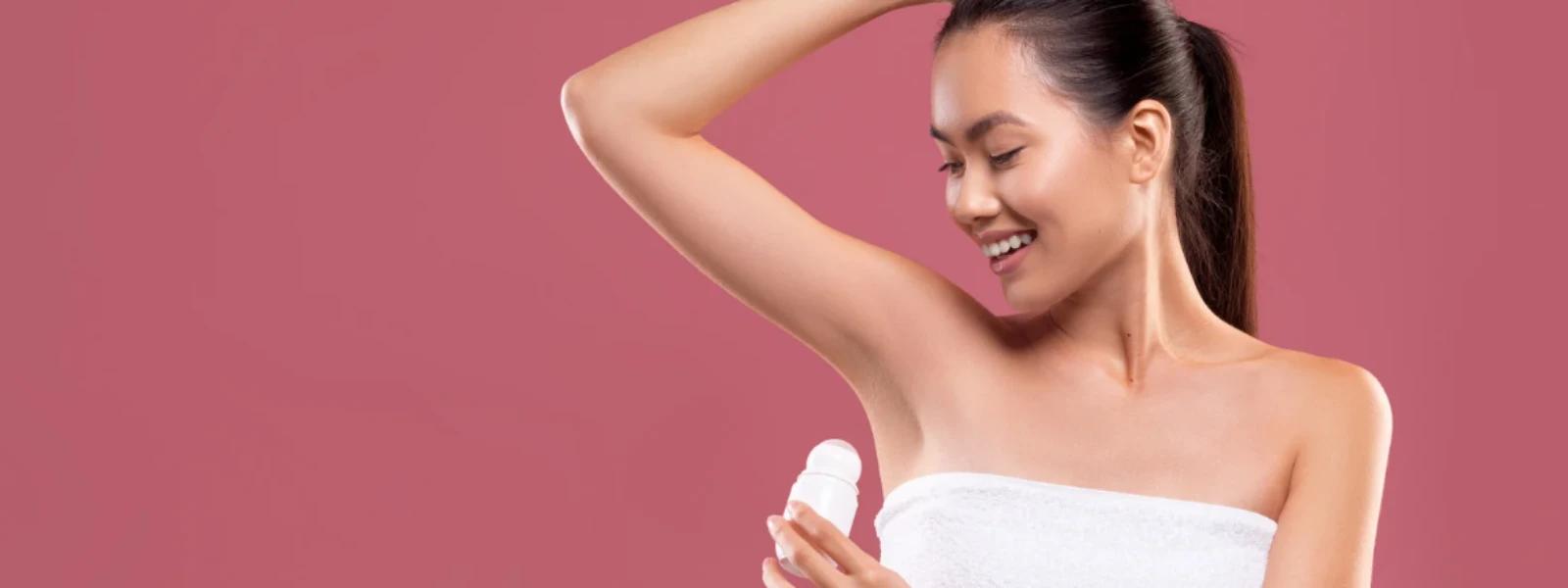


Even Tone Underarm Mist | Brightening Spray for Dark Underarms | 48H Odour Protection | 7% Glycolic + 3% Lactic Acid | Pack of 2 | 100ml
That moment when you're getting ready for an important meeting and notice sweat patches forming before you've even left the house. Or when you're shaking hands with someone new and worry about your palms being damp. Excessive sweating affects millions of people worldwide, turning everyday situations into sources of anxiety. While perspiration is completely natural and necessary for temperature regulation, some of us deal with far more than what's considered normal. The good news? There are proven methods to help manage perspiration and regain confidence in your daily life.
Before diving into solutions, it's worth understanding what makes sweating "excessive." Normal perspiration helps your body maintain its ideal temperature, but hyperhidrosis goes beyond this basic function. This condition affects roughly 5% of the population and can significantly impact quality of life.
Primary hyperhidrosis typically begins in childhood or adolescence and affects specific areas like underarms, palms, feet, or face without an underlying medical cause. Secondary hyperhidrosis, on the other hand, results from medical conditions, medications, or hormonal changes and tends to affect larger areas of the body.
Common triggers include stress, anxiety, spicy foods, caffeine, alcohol, and hot weather. Some people notice increased sweating during hormonal fluctuations, whilst others find that certain fabrics or tight clothing make the problem worse. Understanding your personal triggers is the first step in learning how to prevent sweat in problematic situations.
You might have hyperhidrosis if you're sweating even when you're not hot, exercising, or stressed. Other signs include sweat that interferes with daily activities, causes skin problems, or leads to social withdrawal. Many people with this condition avoid certain colours of clothing, worry about handshakes, or feel self-conscious in social situations.
The emotional impact shouldn't be underestimated. When sweating affects your confidence or daily choices, it's time to explore hyperhidrosis treatment options that can help restore your comfort and self-assurance.
The most accessible first-line defence against excessive sweating is upgrading your antiperspirant game. Not all antiperspirants are created equal, and understanding the differences can make a significant impact on your sweat reduction journey.
Aluminium chloride is the active ingredient that actually prevents sweating by temporarily blocking sweat ducts. Regular antiperspirants contain 10-15% aluminium salts, whilst clinical strength deodorant formulations can contain up to 20%. The higher the concentration, the more effective it tends to be for heavy sweaters.
It's important to understand that antiperspirants prevent sweating, whilst deodorants primarily address odour. For excessive sweating, you need the former. Look for products specifically labelled as "clinical strength" or "prescription strength" for the most potent over-the-counter options.
Here's where many people go wrong: timing matters enormously. Apply clinical strength deodorant to completely dry skin before bed. This gives the aluminium salts time to form plugs in your sweat ducts whilst you're not actively perspiring. You can apply regular deodorant in the morning for fragrance and additional protection.
Common mistakes include applying to damp skin, using too little product, or only applying in the morning. For best results, ensure the area is completely dry, apply a thin but thorough layer, and allow it to dry completely before putting on clothing.

2% Salicylic Acid Face Serum | Reduces Open Pores, Blackheads & Whiteheads | With 5% Niacinamide | For All Skin Types | 30ml
Whilst underarms are the most common application site, you can use antiperspirants on other problem areas too. For facial sweating, look for gentler formulations designed for sensitive skin. Some people successfully use antiperspirant on their hairline, upper lip, or forehead.
For hands and feet, apply antiperspirant before bed and wash off in the morning if needed. This approach helps manage perspiration without leaving residue that might interfere with daily activities.
If you prefer natural approaches or want to complement your antiperspirant routine, several lifestyle modifications can help with sweat reduction. These methods work best when combined with other strategies rather than as standalone solutions.
What you eat and drink directly affects how much you sweat. Caffeine stimulates your nervous system and can trigger sweating, whilst spicy foods literally heat up your body. Alcohol can also increase perspiration by affecting your body's temperature regulation.
Staying properly hydrated might seem counterintuitive, but it actually helps your body regulate temperature more efficiently. When you're dehydrated, your body works harder to cool itself, potentially leading to more sweating. Aim for clear or pale yellow urine as a hydration indicator.
Foods rich in magnesium and calcium may help regulate your nervous system and reduce stress-related sweating. Think leafy greens, nuts, and dairy products as part of a balanced approach to manage perspiration.
Your wardrobe choices can significantly impact how much you sweat and how noticeable it becomes. Natural fibres like cotton, linen, and wool allow better air circulation than synthetic materials. However, moisture-wicking athletic fabrics can also be excellent for active situations.
Loose-fitting clothing allows air to circulate around your body, helping with natural cooling. Tight clothes trap heat and moisture, creating the perfect environment for increased sweating. Dark colours and busy patterns can help camouflage any sweat marks that do occur.
Consider layering strategies too. A moisture-wicking base layer under your regular clothes can help keep sweat away from your skin and prevent visible marks on your outer clothing.
Stress management is crucial since anxiety and stress are major sweating triggers. Regular exercise, meditation, deep breathing exercises, or yoga can help reduce overall stress levels. Ironically, regular exercise can also improve your body's cooling efficiency over time.
Temperature control in your environment makes a significant difference. Use fans, air conditioning, or open windows to maintain cooler surroundings. Even small changes like using breathable bedding or keeping a small fan at your desk can help.
When over-the-counter solutions and lifestyle changes aren't enough, medical hyperhidrosis treatment options can provide significant relief. These treatments are typically reserved for cases where sweating seriously impacts quality of life.

Advanced Anti-Pigmentation Kit | Hyperpigmentation Reduction Kit | Cleanser, Serum, Moisturizer & Sunscreen | Complete Skin Care Routine
Botox injections are highly effective for underarm, hand, and foot sweating. The treatment blocks nerve signals that trigger sweat glands, providing relief for 6-12 months. Whilst the injections can be uncomfortable, many patients find the results life-changing.
Iontophoresis uses mild electrical currents to temporarily disable sweat glands. This treatment works particularly well for hands and feet, requiring multiple sessions initially followed by maintenance treatments. Many people can eventually do this therapy at home with a prescribed device.
Prescription medications called anticholinergics can reduce sweating throughout the body, though they may cause side effects like dry mouth or blurred vision. These are typically considered when other treatments haven't been successful.
Consider professional help if sweating interferes with daily activities, causes skin problems, or significantly impacts your emotional wellbeing. Sudden changes in sweating patterns, night sweats, or sweating accompanied by other symptoms warrant medical evaluation to rule out underlying conditions.
During your consultation, be prepared to discuss when the sweating started, which areas are affected, triggers you've noticed, and treatments you've already tried. This information helps your doctor recommend the most appropriate hyperhidrosis treatment for your situation.
Different areas of your body may require specific approaches to effectively control excessive sweating. What works for underarm sweat might not be suitable for facial perspiration, so tailoring your approach is essential.
Underarm sweat is often the most noticeable and socially concerning type of perspiration. Beyond strong antiperspirants, consider using clothing shields or absorbent pads that stick to your clothes. These create a barrier between your skin and clothing, preventing visible sweat marks.
Some people find success with underarm hair removal, as hair can trap moisture and bacteria. Keeping the area clean and dry throughout the day, perhaps with a quick wipe using antibacterial cloths, can also help manage both sweating and odour.
Facial sweating requires gentler products since the skin is more sensitive. Look for antiperspirants specifically formulated for face use, or try applying a small amount of regular antiperspirant to problem areas like your hairline or upper lip before bed.
For sweat proof beauty routines, use primer designed for oily skin, setting powder, and long-wearing formulations. Blotting papers can help manage breakthrough shine without disturbing your makeup.
Sweaty hands and feet present unique challenges since these areas are constantly in use. Foot powders containing antifungal ingredients can help absorb moisture and prevent odour. Choose breathable footwear and moisture-wicking socks, changing them during the day if necessary.
For hands, keep a small towel or handkerchief nearby for discreet drying. Some people find that applying antiperspirant to palms before bed helps, though you'll need to wash it off in the morning to avoid residue.

Sunscreen Spray for Body | SPF 50+ PA+++ | Sweat & Water-Resistant | Broad Spectrum UVA/UVB Protection | Clear Matte Formula | Aloe Vera | 100ml
Sweating and body odour often go hand in hand, but they're actually separate issues that require different approaches. Understanding this distinction helps you tackle both problems more effectively.
Body odour occurs when bacteria on your skin break down sweat, particularly in warm, moist areas. Regular cleansing with antibacterial soap can reduce the bacterial population on your skin. Pay special attention to areas where sweat tends to accumulate.
Consider using products containing zinc or triclosan, which have antibacterial properties. Some people find that changing their diet to include more chlorophyll-rich foods like leafy greens can help reduce body odour naturally.
For unexpected sweating situations, keep a small emergency kit with you. Include blotting papers, a small towel, antibacterial wipes, and a travel-size deodorant. Some people carry a spare shirt or keep one at their office for particularly challenging days.
Quick fixes include using hand dryers in restrooms to dry sweat, applying cornstarch or baby powder to absorb moisture, or using antiperspirant wipes for on-the-go touch-ups.
The most effective approach combines clinical strength antiperspirant applied correctly with lifestyle modifications like wearing breathable clothing and managing stress. For severe cases, medical treatments like Botox injections or prescription medications may be necessary. Start with over-the-counter solutions and consult a doctor if these don't provide sufficient relief.
Easy sweating can result from genetics, medical conditions, medications, hormonal changes, or simply having more active sweat glands. Some people are naturally more sensitive to heat, stress, or other triggers. If your sweating pattern has changed suddenly or seems excessive, it's worth discussing with a healthcare provider to rule out underlying causes.
Your body naturally eliminates sweat through evaporation and absorption back into your skin. You can support this process by staying hydrated, wearing breathable fabrics, maintaining good hygiene, and keeping your environment cool. Regular exercise can also improve your body's cooling efficiency over time.
Complete sweat elimination isn't possible or healthy, as sweating is essential for temperature regulation. However, you can significantly reduce excessive sweating through proper antiperspirant use, lifestyle changes, and medical treatments when necessary. The goal should be managing sweating to a comfortable level rather than stopping it entirely.
Learning how to prevent sweat effectively often requires trying multiple approaches to find what works best for your specific situation. Start with proper antiperspirant application and lifestyle modifications, as these provide relief for many people without requiring medical intervention.
Remember that excessive sweating is a common condition that affects millions of people. You're not alone in dealing with this challenge, and effective sweating solutions are available. Whether you find success with over-the-counter products, natural methods, or medical treatments, the key is being patient and persistent in finding your ideal combination.
If your sweating significantly impacts your daily life or self-confidence, don't hesitate to consult with a healthcare provider. They can help determine if you have hyperhidrosis and recommend appropriate treatments. With the right approach, you can regain control over your sweating and feel more confident in any situation.
