How to Prevent Post-Inflammatory Hyperpigmentation During Summer


Target & Fade Duo for Hyperpigmentation | Even-Tone Underarms, Inner Thighs & Bum | Refines Skin Texture | For All Skin Types
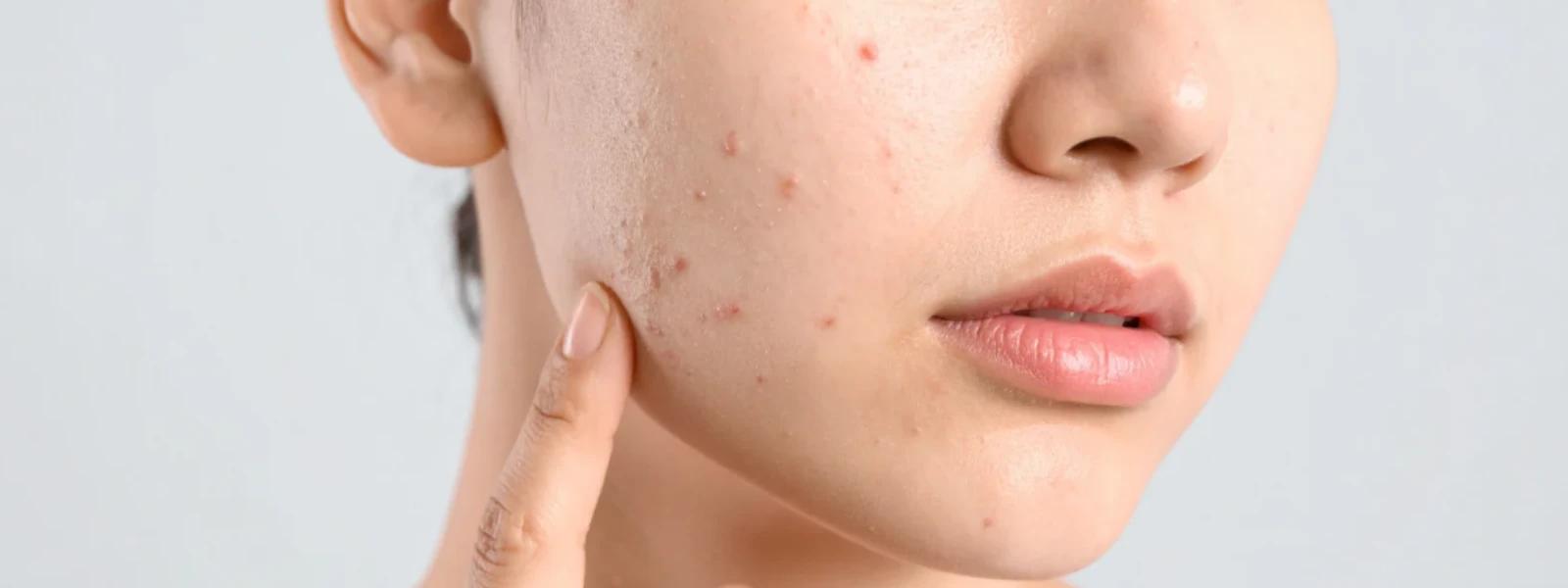
You've just noticed those stubborn dark patches from last month's breakout getting deeper and more pronounced. Sound familiar? As temperatures rise and UV exposure intensifies, post-inflammatory hyperpigmentation becomes a pressing concern for many of us. Those marks left behind by acne, cuts, or any skin trauma can darken significantly during summer months, creating lasting reminders of temporary skin issues. The good news? With the right approach to PIH prevention, you can protect your skin and maintain an even complexion all season long.
Post-inflammatory hyperpigmentation occurs when your skin produces excess melanin in response to injury or inflammation. Unlike melasma or age spots, PIH develops specifically after trauma—whether from acne, eczema, cuts, or even aggressive skincare treatments. The affected area becomes darker than your natural skin tone, creating those frustrating patches that seem to linger for months.
Summer presents unique challenges for PIH-prone skin. Melanin production naturally increases when exposed to UV radiation, and inflamed or recently healed skin is particularly vulnerable. The combination of heat, humidity, and increased sun exposure creates the perfect storm for summer skin discolouration. Research shows that people with Fitzpatrick skin types III-VI are most susceptible to developing PIH, with summer months showing a 40% increase in new cases compared to winter.
Beyond UV exposure, heat itself triggers inflammatory responses in your skin. When temperatures soar, your skin works harder to regulate temperature, potentially aggravating existing inflammation and making dark spots on skin more pronounced. This explains why that post-acne mark from spring suddenly looks much darker after your first beach day.
Your skin's response to summer conditions involves complex biological processes. When UV radiation hits inflamed or recently healed skin, it activates melanocytes—the cells responsible for pigment production. These activated cells produce melanin as a protective mechanism, but in areas already compromised by inflammation, this process goes into overdrive.
The inflammatory cascade triggered by sun exposure involves multiple pathways. Heat shock proteins activate, inflammatory mediators like prostaglandins increase, and oxidative stress damages cellular structures. This creates a cycle where sun induced hyperpigmentation not only darkens existing marks but can also trigger new inflammatory responses, leading to fresh PIH formation.
Once PIH forms, it can take 6-12 months to fade naturally—and that's with proper care. During summer, this timeline extends significantly due to continued UV exposure. Prevention strategies are not only more effective but also more cost-efficient than trying to treat hyperpigmentation after it's already established.
Effective sun protection forms the cornerstone of PIH prevention. Your approach needs to be comprehensive, addressing both direct UV exposure and reflected radiation from surfaces like water, sand, and concrete.
Sunscreen selection requires careful consideration. Broad-spectrum formulas with SPF 30 or higher provide essential protection, but for PIH-prone skin, mineral sunscreens containing zinc oxide or titanium dioxide often prove gentler and more effective. These physical blockers sit on your skin's surface, reflecting UV rays rather than absorbing them chemically.

Mineral Sunscreen SPF 50 | Matte Finish | No White Cast | Non-Nano Zinc Oxide | Cica | Pregnancy Safe | All Skin Types | 50ml
Most people apply only 25% of the recommended sunscreen amount. For your face, you need approximately 1/4 teaspoon of product, applied 15-30 minutes before sun exposure. Reapplication every two hours becomes non-negotiable during summer, especially if you're swimming, sweating, or spending extended time outdoors.
Wide-brimmed hats, UV-protective clothing, and quality sunglasses create additional barriers against sun induced hyperpigmentation. Seeking shade during peak UV hours (10 AM to 4 PM) significantly reduces your exposure risk. These beauty tips for summer might seem basic, but they're remarkably effective at preventing new PIH formation.
Your regular skincare routine needs thoughtful adjustments during summer months. The goal is maintaining skin health while avoiding irritation that could trigger new inflammatory responses.
Gentle cleansing becomes paramount. Harsh scrubs or overly drying cleansers can create micro-trauma, potentially leading to PIH. Opt for cream or gel cleansers with pH-balanced formulas that remove sweat, sunscreen, and environmental pollutants without stripping your skin's protective barrier.
Antioxidant serums provide dual benefits during summer. Vitamin C helps prevent oxidative damage while supporting collagen production, whilst niacinamide reduces inflammation and helps regulate melanin production. These ingredients work synergistically to prevent uneven skin tone development.
Hydration strategies need adjustment too. Lightweight, non-comedogenic moisturisers prevent the skin barrier compromise that can lead to inflammation. Look for formulas containing hyaluronic acid or ceramides that provide moisture without feeling heavy in humid conditions.
Summer exfoliation requires a delicate balance. Gentle chemical exfoliants like lactic acid can help prevent clogged pores that lead to breakouts and subsequent PIH, but aggressive exfoliation increases photosensitivity. Limit exfoliation to once or twice weekly, and always follow with diligent sun protection.
Managing existing hyperpigmentation during summer requires careful ingredient selection. Some traditional hyperpigmentation remedies can increase photosensitivity, making your skin more vulnerable to UV damage and potentially worsening the very condition you're trying to treat.

Salicylic Acid Face Cleanser | Deep Cleansing Formula for Breakouts | Unclogs Pores & Controls Oil | For Oily & Acne-Prone Skin | 100ml
Safe summer actives include kojic acid, which inhibits tyrosinase enzyme activity responsible for melanin production. Arbutin provides similar benefits with excellent tolerability. These ingredients can help fade existing dark spots on skin without increasing sun sensitivity.
Reserve stronger actives for evening use when UV exposure isn't a concern. Gentle retinoids can help accelerate cell turnover, encouraging the natural fading of PIH. Start with low concentrations and gradually increase frequency to avoid irritation that could trigger new hyperpigmentation.
Vitamin C deserves special mention for its dual action. Morning application provides antioxidant protection against environmental damage, while evening use supports the skin's natural repair processes. This makes it an ideal ingredient for those looking to treat hyperpigmentation while preventing new formation.
Your daily habits significantly impact your skin's inflammatory response and subsequent PIH risk. Diet plays a crucial role—foods rich in antioxidants like berries, leafy greens, and omega-3 fatty acids help combat the oxidative stress that contributes to hyperpigmentation.
Stress management becomes particularly important during summer months when heat and increased social activities can elevate cortisol levels. Chronic stress triggers inflammatory pathways that can worsen existing PIH and increase susceptibility to new formation. Regular exercise, adequate sleep, and stress-reduction techniques all contribute to healthier skin responses.
Air conditioning can create unexpected challenges. Constant temperature changes between hot outdoor conditions and cool indoor environments can stress your skin, potentially triggering inflammatory responses. Maintaining consistent hydration and using a humidifier in overly dry, air-conditioned spaces helps maintain skin barrier function.
Certain situations warrant professional intervention. If you notice PIH spreading, developing raised areas, or showing signs of infection, consult a dermatologist promptly. Additionally, if home care hasn't shown improvement after 3-4 months of consistent use, professional treatments might be necessary.
Professional PIH prevention treatments safe for summer include gentle chemical peels with lactic or mandelic acid. These treatments can be performed during summer months with proper post-treatment care and diligent sun protection. However, deeper peels and laser treatments are typically postponed until autumn when UV exposure naturally decreases.
Successful PIH management requires a long-term perspective. Working with a dermatologist to create a year-round prevention and treatment plan ensures consistent progress while adapting to seasonal changes in your skin's needs.

Hydrating Moisturizer | Non-Comedogenic | Boosts Collagen & Hydrates Deeply | Ceramides + Niacinamide | For Normal to Dry Skin | 50g
The most effective approach combines daily broad-spectrum SPF 30+ sunscreen, physical sun protection like hats and clothing, gentle skincare routines, and antioxidant serums. Avoid peak sun hours and maintain consistent protection even on cloudy days, as UV rays can penetrate cloud cover.
While complete prevention isn't always possible, you can significantly reduce your risk through consistent sun protection, gentle skincare practices, anti-inflammatory ingredients, and avoiding skin trauma. The key is addressing inflammation quickly and protecting healing skin from UV exposure.
UV radiation increases melanin production in already inflamed areas, heat triggers additional inflammatory responses, and increased outdoor activities raise exposure to PIH triggers like sun damage and environmental irritants. Sweat and humidity can also aggravate existing inflammation.
Yes, but with modifications. Use gentler treatments, increase sun protection, avoid photosensitising ingredients during peak UV times, and focus on prevention-based treatments rather than aggressive exfoliation. Evening application of actives works best during summer.
Broad-spectrum sunscreen, vitamin C, niacinamide, kojic acid, arbutin, and gentle moisturisers form the foundation. Avoid harsh retinoids and strong acids during peak sun exposure times, reserving these for evening use or cooler months.
Preventing post-inflammatory hyperpigmentation during summer requires a thoughtful, multi-faceted approach. The combination of diligent sun protection, gentle skincare practices, and strategic ingredient use creates your best defence against summer skin discolouration. Remember, consistency matters more than perfection—small daily actions compound into significant long-term results.
Your skin journey is unique, and what works for others might need adjustment for your specific needs. Platforms like Smytten Shop offer curated selections of skincare products from trusted brands, allowing you to discover effective PIH prevention solutions through samples before committing to full sizes. With over 28 million users exploring new products safely, you can build your perfect summer skincare routine whilst earning cashback on your purchases.
The key to success lies in understanding your skin's responses and adapting your routine accordingly. Start with the basics—sun protection and gentle care—then gradually introduce targeted treatments as needed. Your future self will thank you for the prevention efforts you make today.
