How to Prevent Lemon for Skin After Shaving: A Guide


2% Salicylic Acid Face Serum | Reduces Open Pores, Blackheads & Whiteheads | With 5% Niacinamide | For All Skin Types | 30ml
You've just finished shaving and someone suggests dabbing lemon juice on your skin to prevent ingrown hairs or tighten pores. Stop right there. This well-meaning advice could turn your smooth shave into a painful, irritated mess. Fresh razor work leaves your skin vulnerable, and lemon's acidic nature can cause serious damage when applied to compromised skin barriers. Real talk: there are much safer ways to care for your skin after shaving that actually work.
When you shave, you're essentially creating microscopic wounds across your skin's surface. The razor doesn't just remove hair—it also scrapes away the top layer of dead skin cells, leaving fresh, sensitive skin exposed. This is why your skin feels tender and looks slightly pink after a good shave.
Lemon juice after shaving becomes problematic because of its high citric acid content, typically around 5-6% concentration. On healthy, intact skin, this might cause mild tingling. On freshly shaved skin, it's like pouring acid on an open wound. The compromised skin barrier can't protect against the harsh acidity, leading to chemical burns, intense stinging, and potential scarring.
Your skin's natural pH sits around 4.5-5.5, slightly acidic to maintain its protective barrier. Lemon juice clocks in at a pH of 2-3, making it far too acidic for vulnerable post-shave skin. This dramatic pH difference disrupts your skin's natural healing process and can trigger inflammatory responses that last for days.
Common symptoms of lemon-induced skin irritation after shaving include immediate burning sensations, redness that intensifies rather than fades, swelling, and in severe cases, blistering or darkening of the skin. Unlike normal post-shave sensitivity that settles within hours, lemon damage can worsen over the first 24-48 hours.
Beyond the immediate discomfort, lemon on skin side effects can create lasting problems. The most concerning risk is photosensitivity—lemon juice contains compounds called psoralens that make your skin extremely sensitive to UV light. Even indoor lighting can trigger reactions when these compounds are present on your skin.
If you venture outside after applying lemon to shaved skin, you're setting yourself up for severe burns that can result in permanent hyperpigmentation. These dark spots, particularly common on deeper skin tones, can take months or even years to fade. The combination of razor trauma and citric acid creates the perfect storm for post-inflammatory hyperpigmentation.
Chemical burns from lemon juice aren't just painful—they can cause scarring that affects skin texture permanently. The acid essentially "cooks" the protein in your skin cells, leading to tissue damage that your body struggles to repair properly.
If you've already made this mistake, act quickly. Rinse the area immediately with cool water for at least 10 minutes to dilute and remove the acid. Avoid scrubbing, which can drive the acid deeper into damaged skin. Pat the area dry gently and apply a thick layer of plain, unscented moisturiser or aloe vera gel.
Monitor the area closely over the next 24 hours. If you notice blistering, severe swelling, or signs of infection like pus or red streaking, seek medical attention promptly. Avoid sun exposure completely until the skin has healed, and consider using a gentle, fragrance-free sunscreen once the initial irritation subsides.

Hydrating Moisturizer | Non-Comedogenic | Boosts Collagen & Hydrates Deeply | Ceramides + Niacinamide | For Normal to Dry Skin | 50g
Effective post-shave care focuses on soothing inflammation, preventing infection, and supporting your skin's natural healing process. The goal is to calm irritated skin, not shock it with harsh ingredients.
Start with cool water to rinse away any remaining shaving cream and close your pores. The temperature shock helps reduce immediate inflammation and provides instant relief from razor burn. Follow this with gentle patting—never rubbing—to dry the skin.
Proper moisturising within minutes of shaving is crucial for preventing skin irritation after shaving. Look for products containing ceramides, hyaluronic acid, or niacinamide—ingredients that repair the skin barrier and lock in hydration. Avoid anything with alcohol, fragrances, or essential oils, which can sting compromised skin.
Cool compresses work wonders for reducing post-shave inflammation. Wrap ice cubes in a clean cloth and apply for 5-10 minutes to particularly irritated areas. This helps constrict blood vessels, reducing redness and swelling whilst providing immediate comfort.
If you prefer natural aftershave options, several ingredients offer genuine benefits without the risks. Aloe vera gel tops the list—its anti-inflammatory properties and cooling effect make it ideal for freshly shaved skin. Choose pure aloe vera gel without added colours or fragrances for best results.
Witch hazel serves as a gentle astringent that can help prevent ingrown hairs without the harshness of alcohol-based products. Its natural tannins provide mild antiseptic properties whilst tightening pores. However, use it sparingly and always follow with moisturiser.
For sensitive skin types, colloidal oatmeal treatments offer exceptional soothing properties. You can create a simple paste by mixing finely ground oats with water, applying it as a mask for 10 minutes before rinsing gently. The beta-glucans in oats help reduce inflammation and support skin healing.
Prevention remains your best strategy for avoiding post-shave problems altogether. Proper preparation makes all the difference—start by exfoliating gently 24 hours before shaving to remove dead skin cells and lift trapped hairs. This reduces the likelihood of ingrown hairs and allows for a closer, smoother shave.
Never shave dry skin. Use warm water to soften hair follicles and open pores, making hair easier to cut. Apply a quality shaving cream or gel that creates a protective barrier between your razor and skin. Products containing glycerin or natural oils provide the best lubrication.
Your shaving technique significantly impacts post-shave comfort. Always shave in the direction of hair growth, not against it. Use light pressure—let the razor's weight do the work. Pressing hard increases the risk of nicks, cuts, and irritation. Replace razor blades regularly; dull blades tug at hair rather than cutting cleanly.

Moisturizer for Oily Skin | Hyaluronic Acid, Ceramides & Cica | Controls Sebum & Unclogs Pores | For Oily, Combination & Acne-Prone Skin | 50g
Effective shaving rash remedies vary by skin type. Oily skin benefits from products containing salicylic acid to prevent clogged pores, whilst dry skin needs rich, emollient moisturisers. Sensitive skin requires fragrance-free, hypoallergenic formulations with minimal ingredients.
Face and neck skin requires extra gentle treatment due to its thinness and sensitivity. Use shorter strokes and rinse your razor frequently to prevent clogging. The neck area, in particular, tends to be prone to ingrown hairs due to curved hair growth patterns.
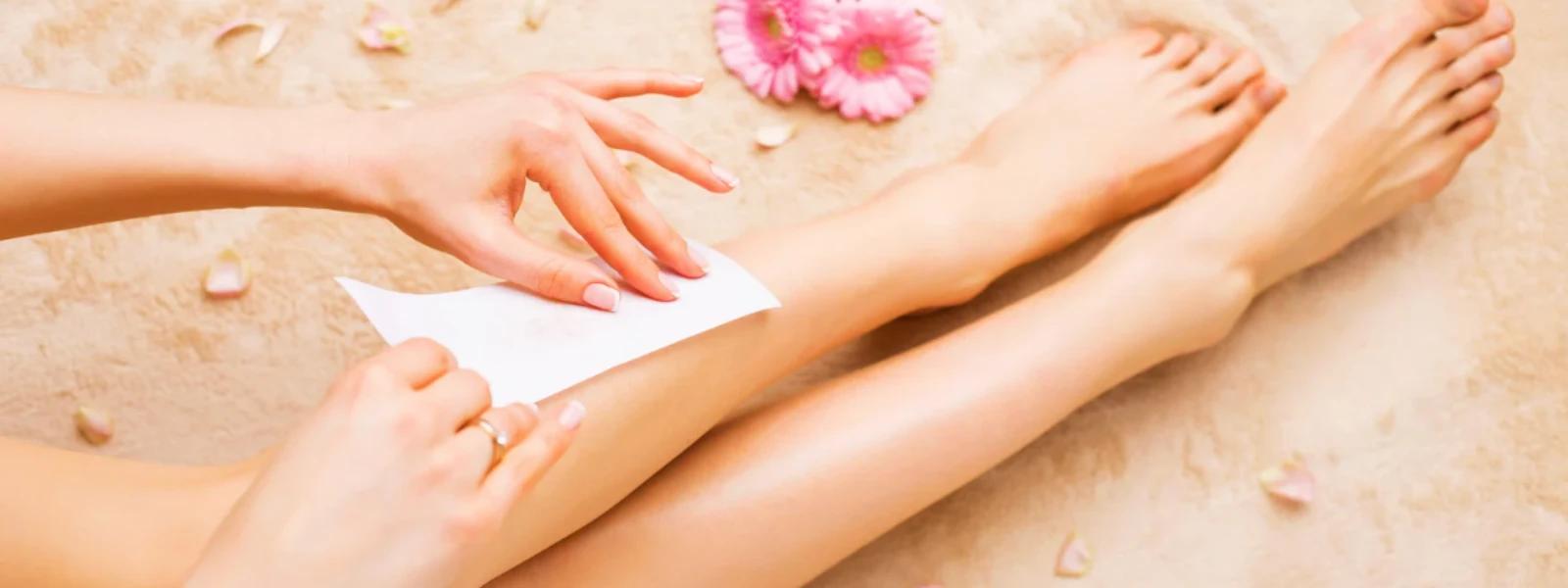
Body shaving, especially on legs, allows for slightly more aggressive exfoliation but still requires proper preparation. The skin on your legs can handle stronger ingredients than facial skin, but avoid anything that stings or burns immediately after shaving.
Building a sustainable post-shave routine means finding products and techniques that work consistently for your skin type. This isn't about quick fixes—it's about maintaining healthy skin that can handle regular shaving without chronic irritation.
Realistic expectations matter when it comes to how to soothe skin after shaving. While some products promise overnight results, genuine healing takes time. Most post-shave irritation resolves within 24-48 hours with proper care. Anything promising instant elimination of razor bumps likely contains harsh ingredients that could worsen long-term skin health.
Preventing ingrown hairs requires consistent exfoliation between shaves, proper moisturising, and avoiding tight clothing immediately after shaving. Chemical exfoliants like glycolic acid or salicylic acid work better than physical scrubs, which can further irritate sensitive post-shave skin.
Sometimes the best thing you can do for your skin is give it a break from shaving. If you're experiencing chronic irritation, consider extending the time between shaves to allow complete healing. Your skin will thank you with better tolerance when you resume your routine.
Steer clear of products containing alcohol, menthol, or strong fragrances immediately after shaving. These ingredients can cause stinging and prolong irritation. Similarly, avoid retinoids, alpha hydroxy acids, or vitamin C serums on freshly shaved skin—save these for non-shaving days.
Instead, look for ingredients like panthenol (pro-vitamin B5), allantoin, and bisabolol, which have proven anti-inflammatory properties. Ceramides help restore the skin barrier, whilst hyaluronic acid provides hydration without heaviness.

Dark Spot Serum For Pigmentation | With Niacinamide & Alpha Arbutin | Fades Melasma & Acne Marks | For Oily & Dry Skin | Pack of 2 | 30ml
No, lemon juice should never be used after shaving as it can cause severe skin irritation, chemical burns, and increased photosensitivity on compromised skin. The citric acid in lemon is far too harsh for freshly shaved skin and can lead to lasting damage including hyperpigmentation and scarring.
Use proper pre-shave preparation with warm water and quality shaving cream. Shave with the grain using light pressure, rinse with cool water, and immediately apply a gentle, unscented moisturiser. Avoid tight clothing and harsh products for at least 24 hours after shaving.
Normal post-shave irritation should resolve within 24-48 hours with proper care. If symptoms persist longer than a few days or worsen over time, this may indicate infection or an allergic reaction requiring medical attention.
Apply an unscented, gentle moisturiser immediately after shaving, use cool compresses for inflammation, avoid tight clothing over shaved areas, and allow adequate healing time before your next shaving session. Consistency in your aftercare routine is key.
Exfoliate 24 hours before shaving, use lukewarm water to soften hair, replace razor blades regularly, never dry shave, and pat skin dry rather than rubbing. Quality preparation and gentle technique prevent most shaving-related skin problems.
Your skin deserves better than harsh, outdated remedies that cause more harm than good. Effective post-shave care doesn't require extreme measures—gentle, consistent treatment with proven ingredients will keep your skin healthy and comfortable. Remember that what works for your friend might not work for you, so take time to understand your skin's specific needs.
When exploring new skincare products and routines, platforms like Smytten Shop make it easier to discover what actually works for your skin without committing to full-sized products. With access to premium brands and the ability to try before you buy, you can build a post-shave routine that truly suits your skin type. Your skin's health is worth the investment in proper care, not risky shortcuts that promise quick fixes.
