How to Manage Acne: Your Ultimate Guide to Clear Skin


Target & Fade Duo for Hyperpigmentation | Even-Tone Underarms, Inner Thighs & Bum | Refines Skin Texture | For All Skin Types
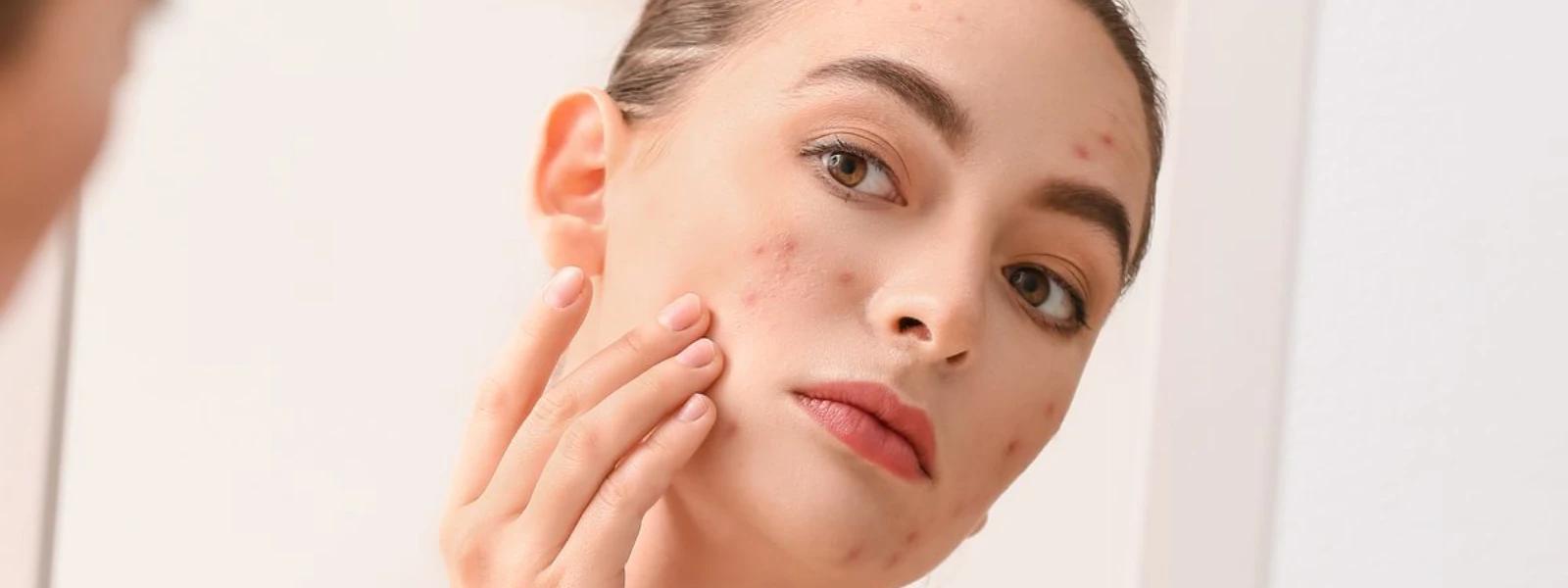
That stubborn spot that appeared overnight before your big presentation. The cluster of pimples that decided to throw a party on your chin just as you planned that weekend getaway. If you've been there, you're not alone. Managing acne isn't about finding a magic overnight cure—it's about understanding your skin, building the right routine, and knowing which treatments actually work. Whether you're dealing with the occasional breakout or persistent blemishes, the path to clearer skin starts with the right knowledge and consistent care.
Before diving into acne treatment options, it's worth understanding what's actually happening when those unwelcome visitors appear on your face. Acne develops when hair follicles become clogged with oil, dead skin cells, and bacteria. Your sebaceous glands produce sebum (natural oil) to keep your skin moisturised, but sometimes this process goes into overdrive.
The main culprit behind most breakouts is a bacteria called Propionibacterium acnes, which thrives in clogged pores. When this bacteria multiplies, it triggers inflammation, leading to those red, angry pimples we all know too well. Hormonal fluctuations, stress, certain foods, and even your skincare products can influence how much oil your skin produces.
Comedonal acne includes blackheads and whiteheads—those small bumps that form when pores get clogged but aren't inflamed. Inflammatory acne is the red, tender type that includes papules, pustules, and the deeper, more painful cysts and nodules. Understanding which type you're dealing with helps determine the best approach for your skin care routine.
Real talk: acne management isn't a sprint—it's more like training for a marathon. Most treatments take 6-12 weeks to show significant results, so patience becomes your best friend in this journey.
A consistent daily routine forms the foundation of effective acne prevention. The key is finding that sweet spot between being thorough and being gentle—your skin needs care, not warfare.
Your morning routine should start with a gentle facial cleanser that removes overnight oil buildup without stripping your skin. Look for cleansers with salicylic acid or benzoyl peroxide if you're dealing with active breakouts, but start slowly to avoid irritation. Follow with a lightweight, non-comedogenic moisturiser—yes, even acne-prone skin needs hydration—and always finish with broad-spectrum SPF.
Your evening routine is where the real work happens. Double cleanse if you wear makeup or sunscreen, then apply your treatment products. This is when you'd use stronger actives like retinoids or higher concentrations of acids. Always follow with a gentle moisturiser to support your skin barrier.

Mineral Sunscreen SPF 50 | Matte Finish | No White Cast | Non-Nano Zinc Oxide | Cica | Pregnancy Safe | All Skin Types | 50ml
That post-gym glow is lovely, but leaving sweat on your skin for too long can lead to blemishes. If you can't shower immediately after exercising, at least cleanse your face with a gentle wipe or micellar water to prevent pore congestion.
The beauty of modern acne remedies is that many effective treatments are available without a prescription. These ingredients have solid research backing their effectiveness for managing breakouts.
Benzoyl peroxide remains one of the most effective over-the-counter treatments for inflammatory acne. It works by killing the bacteria that contribute to breakouts and helping to unclog pores. Start with a 2.5% concentration—it's often just as effective as higher strengths but with less irritation. Apply it as a spot treatment initially, then gradually work up to using it on larger areas if your skin tolerates it well.
Salicylic acid is brilliant for preventing and treating blackheads and whiteheads. This beta-hydroxy acid can penetrate oil-filled pores, making it particularly effective for comedonal acne. You'll find it in cleansers, toners, and leave-on treatments. Start with 0.5-1% concentrations and use it every other day initially.
Adapalene, now available over-the-counter, is a retinoid that's particularly effective for preventing new breakouts. It works by normalising skin cell turnover, preventing dead cells from clogging pores. The catch? It can cause initial dryness and irritation, so introduce it slowly—perhaps twice a week to start.
While clinical treatments form the backbone of acne treatment, certain natural approaches and lifestyle modifications can support your journey to clear skin. These aren't magic bullets, but they can complement your main routine effectively.
Niacinamide deserves special mention here. This form of vitamin B3 helps regulate oil production, reduces inflammation, and can improve the appearance of enlarged pores. It's gentle enough for sensitive skin and plays well with other acne treatments.
The relationship between diet and acne isn't as straightforward as some would have you believe, but there's growing evidence that certain foods may influence breakouts. High-glycemic foods (think white bread, sugary snacks) and dairy products seem to worsen acne for some people. Consider keeping a food diary if you suspect certain foods trigger your breakouts.

Salicylic Acid Face Cleanser | Deep Cleansing Formula for Breakouts | Unclogs Pores & Controls Oil | For Oily & Acne-Prone Skin | 100ml
Stress doesn't directly cause acne, but it can make existing breakouts worse by increasing hormone production. Regular exercise, adequate sleep, and stress-reduction techniques like meditation can support your overall skin health.
Preventing future breakouts is often easier than treating existing ones. Smart acne prevention involves being mindful of everything that touches your face and understanding your personal triggers.
Choose non-comedogenic products across your entire routine—this includes makeup, sunscreen, and hair products. That styling cream you love might be causing those persistent forehead breakouts. Keep your phone clean (it touches your face more than you realise), change your pillowcases regularly, and resist the urge to pick at your skin.
If your breakouts follow your menstrual cycle or seem resistant to topical treatments, hormonal factors might be at play. Adult women often experience jawline and chin acne related to hormonal fluctuations. While topical treatments can help, persistent hormonal acne often benefits from professional evaluation.
Sometimes, despite your best efforts with over-the-counter acne solutions, professional intervention becomes necessary. If you're dealing with painful cysts, widespread inflammation, or if acne is affecting your confidence significantly, it's time to consult a dermatologist.
Professional treatments might include prescription retinoids, antibiotics, hormonal therapies, or procedures like chemical peels. Severe acne can lead to scarring, so early professional intervention often prevents long-term skin damage.
Professional treatments aren't instant fixes either. Most prescription acne medications take 3-4 months to show full results. Your dermatologist will likely start with gentler options and adjust based on your skin's response.

Hydrating Moisturizer | Non-Comedogenic | Boosts Collagen & Hydrates Deeply | Ceramides + Niacinamide | For Normal to Dry Skin | 50g
Most acne treatments require 6-12 weeks of consistent use before you see significant improvement. Some people notice initial changes within 2-4 weeks, but patience is crucial. Your skin needs time to adjust to new products and complete its natural renewal cycle.
Yes, but introduce them gradually. Combining treatments like benzoyl peroxide and salicylic acid can be effective, but using too many active ingredients at once can irritate your skin. Start with one treatment, let your skin adjust for 2-3 weeks, then slowly add others if needed.
This phenomenon, called purging, is common with treatments that increase cell turnover, like retinoids. Your skin is bringing deeper clogs to the surface faster than usual. True purging typically lasts 4-6 weeks and occurs only in areas where you normally break out.
Absolutely. Skipping moisturiser can actually make acne worse by triggering your skin to produce more oil to compensate for dryness. Choose lightweight, non-comedogenic formulas that won't clog pores but will maintain your skin barrier.
Stress doesn't directly cause acne, but it can worsen existing breakouts by increasing cortisol production, which can stimulate oil glands. Stress also tends to disrupt sleep and healthy habits, which can indirectly affect skin health.
Managing acne successfully is about finding the right combination of treatments for your unique skin and sticking with them consistently. What works for your friend might not work for you, and that's completely normal. The key is starting with gentle, proven ingredients and building your routine gradually.
Remember that clear skin doesn't happen overnight, but with patience and the right approach, significant improvement is absolutely achievable. Whether you're exploring new treatments through sample programmes or building a routine with trusted products, the most important step is simply starting. Your skin—and your confidence—will thank you for the consistent care and attention you give it.
