How to Lighten Dark Knees: Effective Remedies for Knee Discoloration


Face Wash for Dark Spots & Marks | Alpha Arbutin + Kojic Acid | Evens Skin Tone | Non-Stripping Gentle Formula | For All Skin Types | 100ml
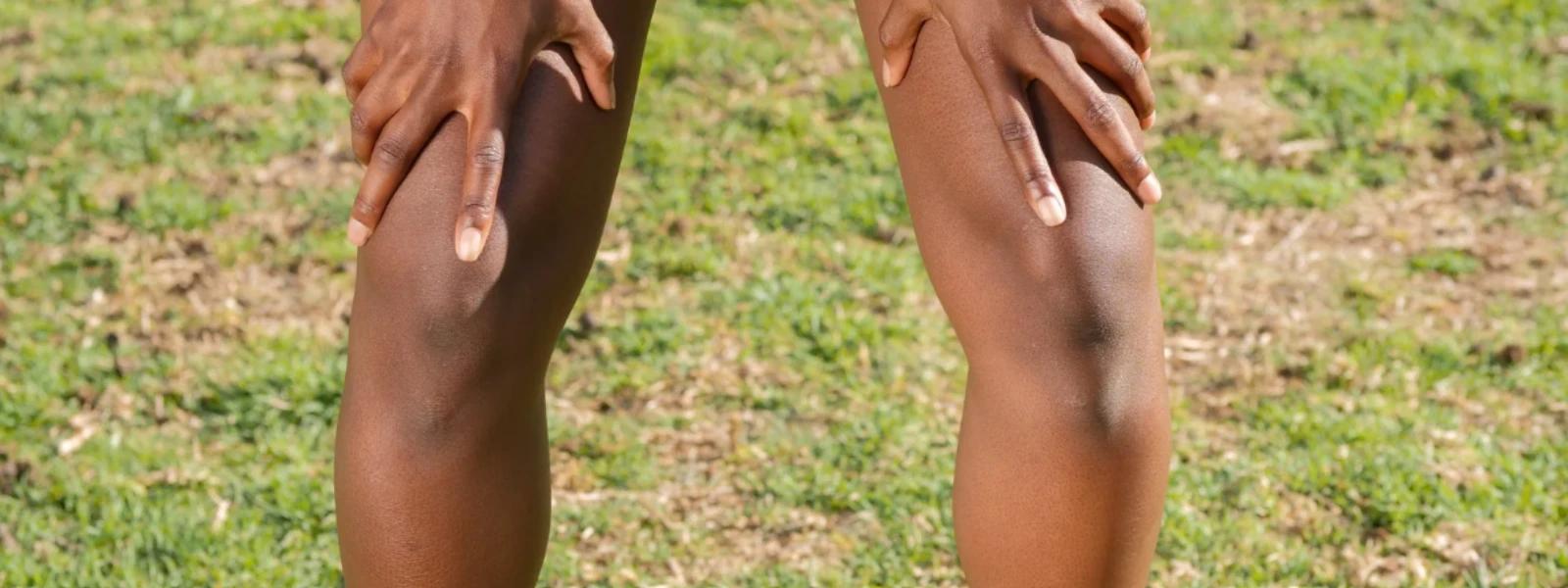
You've noticed those darker patches on your knees, and suddenly every outfit choice feels like a strategic decision. Whether it's avoiding your favourite shorts or feeling self-conscious in that stunning dress, dark knees can quietly chip away at your confidence. The good news? This common concern affects millions of people and is completely treatable with the right approach and realistic expectations.
Before diving into solutions, it's worth understanding why knee discoloration happens in the first place. Your knees work hard—they bend, they bear weight, and they often come into contact with surfaces that create friction. This constant activity, combined with the naturally thicker skin in this area, makes knees particularly prone to darkening.
The most common culprit is simple friction and pressure. Think about how often you kneel—whether it's during yoga, cleaning, or even just sitting in certain positions. This repeated contact causes the skin to thicken and darken as a protective response. Acanthosis nigricans is another cause, often linked to insulin resistance or hormonal changes, creating velvety, dark patches that extend beyond just surface-level pigmentation.
Sun exposure plays a role too. Your knees might not seem like prime real estate for UV damage, but they're often exposed during summer months. Dead skin cell buildup can also make the area appear darker than it actually is—sometimes what looks like hyperpigmentation is actually just layers of skin that need gentle removal.
Surface-level darkening feels rough and slightly raised, whilst deeper pigmentation appears smooth but significantly darker than surrounding skin. If your dark knees appeared suddenly, feel thick and velvety, or are spreading to other areas like your neck or underarms, it's worth consulting a dermatologist to rule out underlying conditions.
Home remedies can be surprisingly effective for mild to moderate knee discoloration, especially when used consistently over time. The key is patience—natural ingredients work gently, which means results take longer but are often gentler on sensitive skin.
A simple sugar and honey scrub works wonders for removing dead skin cells. Mix two tablespoons of brown sugar with one tablespoon of honey, then gently massage onto damp knees in circular motions. The sugar provides physical exfoliation whilst honey offers antibacterial and moisturising properties.
Gram flour (besan) mixed with curd creates a traditional remedy that's been used for generations. The lactic acid in curd provides gentle chemical exfoliation, whilst gram flour acts as a mild abrasive. Use this paste twice weekly, leaving it on for 15 minutes before rinsing with lukewarm water.
Lemon juice contains natural citric acid, but use it carefully—always dilute with honey or aloe vera gel to prevent irritation. Apply this mixture in the evening only, as citrus can make skin photosensitive. Aloe vera gel on its own is brilliant for soothing and hydrating the area, especially after exfoliation.
Turmeric mixed with milk creates a gentle brightening paste. Use a pinch of turmeric powder with enough milk to form a paste, apply for 20 minutes, then rinse thoroughly. Be aware that turmeric can temporarily stain skin yellow, so test on a small area first.

Target & Fade Duo for Hyperpigmentation | Even-Tone Underarms, Inner Thighs & Bum | Refines Skin Texture | For All Skin Types
Green tea compresses provide antioxidants that may help with inflammation and pigmentation. Brew strong green tea, let it cool, then soak cotton pads and apply to knees for 15 minutes. The vitamin C in citrus fruits can be beneficial, but stick to gentler options like orange peel powder mixed with yoghurt rather than direct lemon application.
When home remedies aren't cutting it, or if you want faster results, professional-grade ingredients offer more potent solutions. These compounds are scientifically proven to address hyperpigmentation and can significantly speed up your journey to even-toned knees.
Urea at 12% concentration is particularly effective for knees because it both exfoliates and deeply moisturises. This ingredient breaks down the bonds between dead skin cells whilst drawing moisture into the skin, making it perfect for the thicker skin on knees.
Lactic acid at 6% provides gentle exfoliation with added hydrating benefits. It's derived from milk and is generally well-tolerated, making it an excellent starting point for those new to chemical exfoliants. Glycolic acid penetrates deeper but should be introduced gradually to avoid irritation.
Kojic acid inhibits melanin production and is particularly effective when combined with other lightening agents. Hydroquinone at 2% (available over-the-counter) is considered the gold standard for pigmentation treatment, though it should be used under guidance and for limited periods.
Arbutin offers a gentler alternative to hydroquinone, derived from bearberry plants. Vitamin C in stable forms like magnesium ascorbyl phosphate provides antioxidant protection whilst gradually brightening the skin.
Look for moisturising creams specifically formulated for body use, as facial products may not be strong enough for knee pigmentation. Exfoliating lotions with urea or lactic acid can be used daily, whilst spot treatments with higher concentrations of active ingredients should be applied more sparingly.
Consistency is everything when it comes to treating knee discoloration. A well-structured routine ensures you're addressing the issue from multiple angles without overwhelming your skin.
Start with gentle cleansing using a mild body wash—avoid harsh soaps that can further dry and darken the area. Apply a vitamin C serum or lightening cream whilst the skin is still slightly damp to enhance absorption. Never skip sunscreen on exposed knees, even if you're wearing trousers that might ride up during the day.

Mineral Sunscreen SPF 50 | Matte Finish | No White Cast | Non-Nano Zinc Oxide | Cica | Pregnancy Safe | All Skin Types | 50ml
Choose clothing that doesn't create friction against your knees. Tight jeans or leggings that bunch at the knee can worsen pigmentation over time.
Thoroughly cleanse to remove sunscreen and daily buildup. Two to three times weekly, use your chosen exfoliation method—whether it's a physical scrub or chemical exfoliant. On exfoliation nights, follow with a soothing moisturiser. On non-exfoliation nights, apply your treatment cream containing urea, lactic acid, or other active ingredients.
Always finish with a rich moisturiser to support skin barrier function and prevent irritation from active ingredients.
Once weekly, dedicate extra time to a deeper exfoliation session followed by a hydrating mask. This might be your homemade gram flour treatment or a store-bought exfoliating mask designed for body use. Take progress photos in consistent lighting to track improvements—changes happen gradually and can be hard to notice day-to-day.
Prevention is always easier than treatment. Once you've achieved the results you want, maintaining them requires ongoing attention to the factors that caused the darkening initially.
Invest in knee pads if your work or hobbies involve kneeling. Choose yoga mats with extra cushioning, and consider your sleeping position—some people unknowingly rub their knees together during sleep, creating friction.
Examine your wardrobe for items that might be causing friction. Jeans that are too tight at the knee, or fabrics that don't breathe well, can contribute to ongoing irritation and darkening.
Make sunscreen application a non-negotiable part of your routine. Even brief sun exposure can undo weeks of lightening progress. Maintain regular gentle exfoliation—once or twice weekly is usually sufficient for maintenance.
Keep the area well-moisturised year-round. Dry skin is more prone to darkening and irritation, so consistent hydration is key to preventing recurrence.
Whilst most cases of dark knees respond well to consistent home care, certain situations warrant professional evaluation and treatment.

Salicylic Acid Face Cleanser | Deep Cleansing Formula for Breakouts | Unclogs Pores & Controls Oil | For Oily & Acne-Prone Skin | 100ml
If your knee darkening appeared suddenly, feels extremely thick or velvety, or is accompanied by itching, it's time to see a dermatologist. These could be signs of acanthosis nigricans, which may indicate underlying health conditions like diabetes or insulin resistance.
No improvement after three months of consistent treatment also warrants professional assessment. Sometimes what appears to be simple pigmentation requires prescription-strength treatments or professional procedures.
Dermatologists can prescribe stronger lightening agents, including higher concentrations of hydroquinone or combination treatments. Chemical peels specifically designed for body pigmentation can accelerate results, whilst laser treatments offer options for particularly stubborn cases.
If an underlying condition is contributing to the pigmentation, treating that condition is essential for long-term success.
Realistic expectations are crucial—most people see initial improvements within 4-6 weeks of consistent treatment, with significant results appearing after 2-3 months. Overnight solutions don't exist, despite what some products might claim.
Yes, most cases of knee discoloration are completely reversible with proper treatment. However, if the darkening is due to an underlying medical condition, managing that condition is essential for lasting results.
Not necessarily. For mild pigmentation, consistent home care can be very effective. Professional-grade ingredients typically work faster, but home remedies can achieve similar results with patience and consistency.
Lemon juice can be helpful when used properly—always dilute it, never use it before sun exposure, and discontinue if irritation occurs. Many people find gentler alternatives like lactic acid more effective and less risky.
Treating dark knees is a journey that requires patience, consistency, and realistic expectations. Whether you choose natural remedies or professional-grade ingredients, the key is maintaining a routine that addresses exfoliation, treatment, and protection.
Remember that everyone's skin responds differently, and what works for one person might not work for another. If you're exploring new skincare ingredients or products, platforms like Smytten Shop offer the opportunity to try samples before committing to full sizes—particularly helpful when testing treatments for sensitive areas like knees. With over 28 million users discovering products through curated selections and cashback offers, finding the right solution for your skin becomes less overwhelming and more exciting.
Your skin journey is unique, and achieving even-toned knees is absolutely possible with the right approach and a bit of patience. Focus on consistent care rather than quick fixes, and celebrate the small improvements along the way.
