How to Layer Actives for PIH on Indian Skin Effectively


Target & Fade Duo for Hyperpigmentation | Even-Tone Underarms, Inner Thighs & Bum | Refines Skin Texture | For All Skin Types
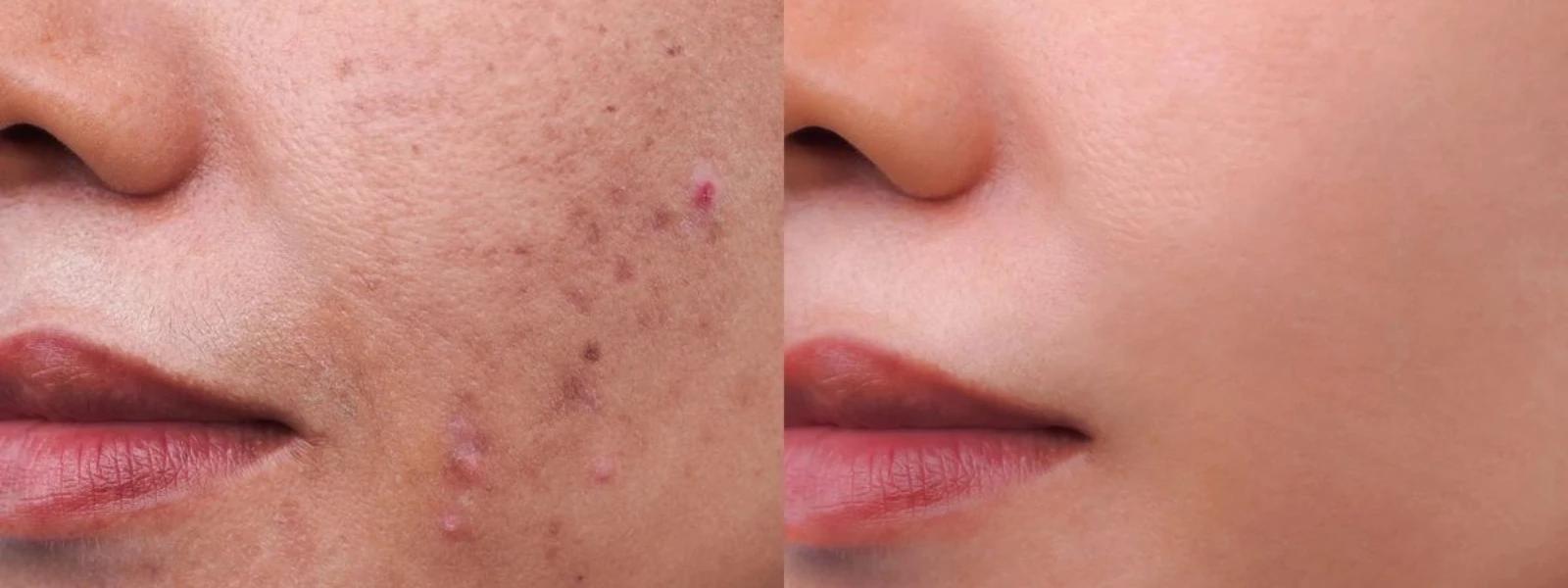
You've been dealing with those stubborn dark spots for months now. Every time you think your skin is finally clearing up, another breakout leaves behind a fresh mark that seems to take forever to fade. If you're tired of playing the waiting game with post-inflammatory hyperpigmentation (PIH) on your Indian skin, you're not alone. The good news? With the right combination of actives and a strategic layering approach, you can actually speed up the fading process and prevent new marks from forming.
Before diving into the how-to of layering actives, let's talk about why PIH treatment for Indian skin requires a different approach altogether. Your melanin-rich skin has unique characteristics that both protect and challenge you when it comes to dealing with dark spots.
Indian skin contains higher levels of melanin, which is fantastic for natural sun protection but can work against you when inflammation strikes. When your skin experiences trauma—whether from a stubborn pimple, a small cut, or even aggressive scrubbing—your melanocytes (pigment-producing cells) go into overdrive. This heightened response means that even minor skin irritation can result in noticeable dark spots that linger for months.
The most common triggers include hormonal acne (especially around your jawline and chin), eczema flare-ups, ingrown hairs from shaving or waxing, and unfortunately, harsh skincare treatments that promise quick results but end up causing more harm than good.
Not all dark spots are created equal, and understanding the difference is crucial for choosing the right treatment approach. PIH typically appears as brown or black spots that develop after inflammation subsides. Unlike melasma, which often presents as larger, symmetrical patches triggered by hormones or sun exposure, PIH spots are usually smaller and directly correspond to areas where you've had breakouts or injuries.
The timeline matters too. PIH can start developing within days of the initial inflammation and may take anywhere from 6 months to 2 years to fade naturally without intervention. This is where strategic use of actives for skin discoloration becomes your best friend.
Now that you understand what you're dealing with, let's explore the powerhouse ingredients that can help fade those stubborn marks. The key is choosing actives that are effective yet gentle enough for regular use on melanin-rich skin.
Mandelic acid deserves the top spot for Indian skin. Its larger molecular size means it penetrates more slowly, reducing the risk of irritation whilst still providing effective exfoliation. Start with a 5% concentration twice weekly and gradually increase frequency as your skin builds tolerance.
Lactic acid is another excellent choice, particularly if your skin tends to be on the drier side. At concentrations between 5-10%, it helps speed up cell turnover whilst providing hydrating benefits. Glycolic acid can be effective but should be used sparingly—once weekly at low concentrations to avoid triggering more pigmentation.
Niacinamide is perhaps the most versatile active for hyperpigmentation on Indian skin. This form of vitamin B3 not only helps regulate melanin production but also strengthens your skin barrier and reduces inflammation. Look for concentrations between 5-10% for optimal results without irritation.
Vitamin C works by inhibiting tyrosinase, the enzyme responsible for melanin production. L-ascorbic acid is the most potent form, but if your skin is sensitive, consider stable derivatives like magnesium ascorbyl phosphate or sodium ascorbyl phosphate.

Mineral Sunscreen SPF 50 | Matte Finish | No White Cast | Non-Nano Zinc Oxide | Cica | Pregnancy Safe | All Skin Types | 50ml
Kojic acid and arbutin are natural brightening agents that work gently to fade existing spots whilst preventing new ones from forming. These ingredients are particularly well-suited for Indian skin as they're less likely to cause irritation compared to hydroquinone.
For stubborn PIH that doesn't respond to gentler treatments, retinoids can be game-changers. Adapalene is available over-the-counter and tends to be less irritating than tretinoin, making it a good starting point. Azelaic acid offers both anti-inflammatory and brightening benefits, whilst tranexamic acid is an emerging ingredient that shows particular promise for treating persistent pigmentation.
Understanding how to layer actives for PIH on Indian skin is crucial because the wrong combination or application order can actually worsen pigmentation. Your skin's response to layering depends on several factors including pH levels, molecular size, and ingredient interactions.
The golden rule of layering skincare actives is to apply products from thinnest to thickest consistency. This ensures optimal absorption and prevents pilling. Water-based serums go first, followed by oil-based treatments, and finally your moisturiser and SPF.
pH compatibility is equally important. Vitamin C works best at a lower pH (3.5-4.0), whilst niacinamide is stable at a higher pH (5.0-7.0). If you're using both, apply vitamin C first, wait 10-15 minutes, then follow with niacinamide.
Contrary to popular belief, vitamin C and niacinamide can be used together—the key is proper timing and pH consideration. However, combining vitamin C with retinoids in the same routine can increase irritation risk. Use vitamin C in the morning and retinoids at night for optimal results.
AHAs and BHAs should be used cautiously with retinoids. If you're new to actives, alternate nights rather than layering them together. As your skin builds tolerance, you may be able to use them in the same routine with proper spacing.
The "start low, go slow" approach is particularly important for melanin-rich skin. Begin with the lowest concentration available and use new actives just once or twice weekly initially. Introduce only one new active every 2-3 weeks to monitor your skin's response.
Learn to distinguish between purging and irritation. Purging typically occurs in areas where you normally break out and should resolve within 4-6 weeks. Irritation, on the other hand, can happen anywhere and includes symptoms like burning, excessive dryness, or new breakouts in unusual areas.
Creating an effective skincare routine for PIH requires balancing active treatment with proper skin barrier support. Here's how to structure your morning and evening routines for optimal results.

Salicylic Acid Face Cleanser | Deep Cleansing Formula for Breakouts | Unclogs Pores & Controls Oil | For Oily & Acne-Prone Skin | 100ml
Your morning routine should focus on protection and prevention. Start with a gentle, non-stripping cleanser that won't disrupt your skin barrier. Follow with a vitamin C serum at 10-15% concentration—this provides antioxidant protection whilst working to fade existing spots.
Layer niacinamide next if your skin tolerates the combination well. A 5-10% concentration helps regulate oil production and reduces inflammation throughout the day. Always finish with a moisturiser containing ceramides or hyaluronic acid, followed by broad-spectrum SPF 30 or higher.
Evenings are when the real PIH-fighting work happens. Double cleansing ensures you've removed all traces of sunscreen and daily grime. On active nights, apply your chosen chemical exfoliant (mandelic or lactic acid) first, wait 20-30 minutes, then follow with treatment serums like kojic acid or arbutin.
Retinoids should be introduced gradually and used on alternate nights from chemical exfoliants initially. Always finish with a rich, barrier-repairing moisturiser to support your skin through the renewal process.
Consider adopting a skin cycling approach: two nights of actives followed by two recovery nights with just gentle cleansing and moisturising. This prevents over-exfoliation whilst allowing your skin time to repair and rebuild.
Even with the best intentions, certain habits can sabotage your PIH treatment efforts. Recognising and avoiding these pitfalls is crucial for success.
The biggest mistake people make when treating Indian skin dark spots is thinking more equals better. Over-exfoliation compromises your skin barrier, leading to increased sensitivity and paradoxically, more pigmentation. Signs include persistent redness, burning sensations, and new breakouts.
If you've over-exfoliated, take a step back. Focus on gentle cleansing, hydrating serums, and barrier repair for at least a week before reintroducing actives at a lower frequency.
This cannot be overstated: SPF is non-negotiable when treating PIH. UV exposure not only darkens existing spots but can also trigger new pigmentation. Choose a broad-spectrum sunscreen with zinc oxide or titanium dioxide for the best protection without white cast on Indian skin tones.
PIH treatment is a marathon, not a sprint. Expect to see initial improvements around 6-8 weeks, with significant fading taking 3-6 months or longer for deeper spots. Consistency beats intensity every time—gentle, regular use of appropriate actives will always outperform aggressive treatments that cause irritation.

Hydrating Moisturizer | Non-Comedogenic | Boosts Collagen & Hydrates Deeply | Ceramides + Niacinamide | For Normal to Dry Skin | 50g
Sometimes, despite your best efforts with topical treatments, certain PIH spots prove particularly resistant. This is when you might need to consider additional strategies or professional intervention.
If you've been consistent with a well-formulated routine for 6 months without significant improvement, it may be time to consult a dermatologist. Chemical peels specifically formulated for Indian skin, such as mandelic acid or lactic acid peels, can provide deeper exfoliation than at-home treatments.
Microneedling combined with vitamin C or tranexamic acid serums can enhance penetration and accelerate results. However, avoid aggressive laser treatments that aren't specifically designed for darker skin tones, as these can worsen pigmentation.
Your skincare routine for PIH extends beyond topical products. Chronic inflammation from poor diet, stress, or inadequate sleep can slow healing and trigger new pigmentation. Focus on anti-inflammatory foods rich in antioxidants, manage stress through regular exercise or meditation, and prioritise 7-9 hours of quality sleep for optimal skin repair.
Most people begin to notice lightening of PIH spots after 6-8 weeks of consistent treatment. However, complete fading can take 3-6 months for surface-level pigmentation and up to a year for deeper spots. The key is patience and consistency with your routine.
Yes, you can use vitamin C and niacinamide together despite common myths suggesting otherwise. Apply vitamin C first, wait 10-15 minutes for it to absorb, then follow with niacinamide. Alternatively, use vitamin C in the morning and niacinamide in the evening.
Beginners should start with mandelic acid at 5% or lactic acid at 5-8%. Use these just once or twice weekly initially, gradually increasing frequency as your skin builds tolerance. Never start with glycolic acid concentrations above 5% if you're new to chemical exfoliants.
For PIH treatment, limit yourself to 2-3 actives per routine when starting out. A typical evening routine might include a chemical exfoliant, followed by niacinamide, and a retinoid on alternate nights. As your skin builds tolerance, you may be able to incorporate additional actives.
Treating PIH on Indian skin requires patience, consistency, and a strategic approach to layering skincare actives. Remember that your melanin-rich skin has unique needs—what works for others may not work for you, and that's perfectly normal. The key is finding the right combination of gentle yet effective actives and giving them time to work.
Start with proven ingredients like niacinamide and mandelic acid, build your tolerance slowly, and never skip your SPF. If you're looking to explore new products and brands, platforms like Smytten Shop offer curated selections from premium brands with the added benefit of cashback rewards. With over 28 million users discovering their perfect skincare matches, you're in good company on this journey to clearer, more even-toned skin.
Your PIH journey may feel overwhelming at times, but remember—every spot that fades is progress. Trust the process, listen to your skin, and don't hesitate to seek professional guidance when needed. Your patience and dedication will pay off with the healthy, radiant skin you deserve.
