How to Know if Your Skincare Product is Actually Working
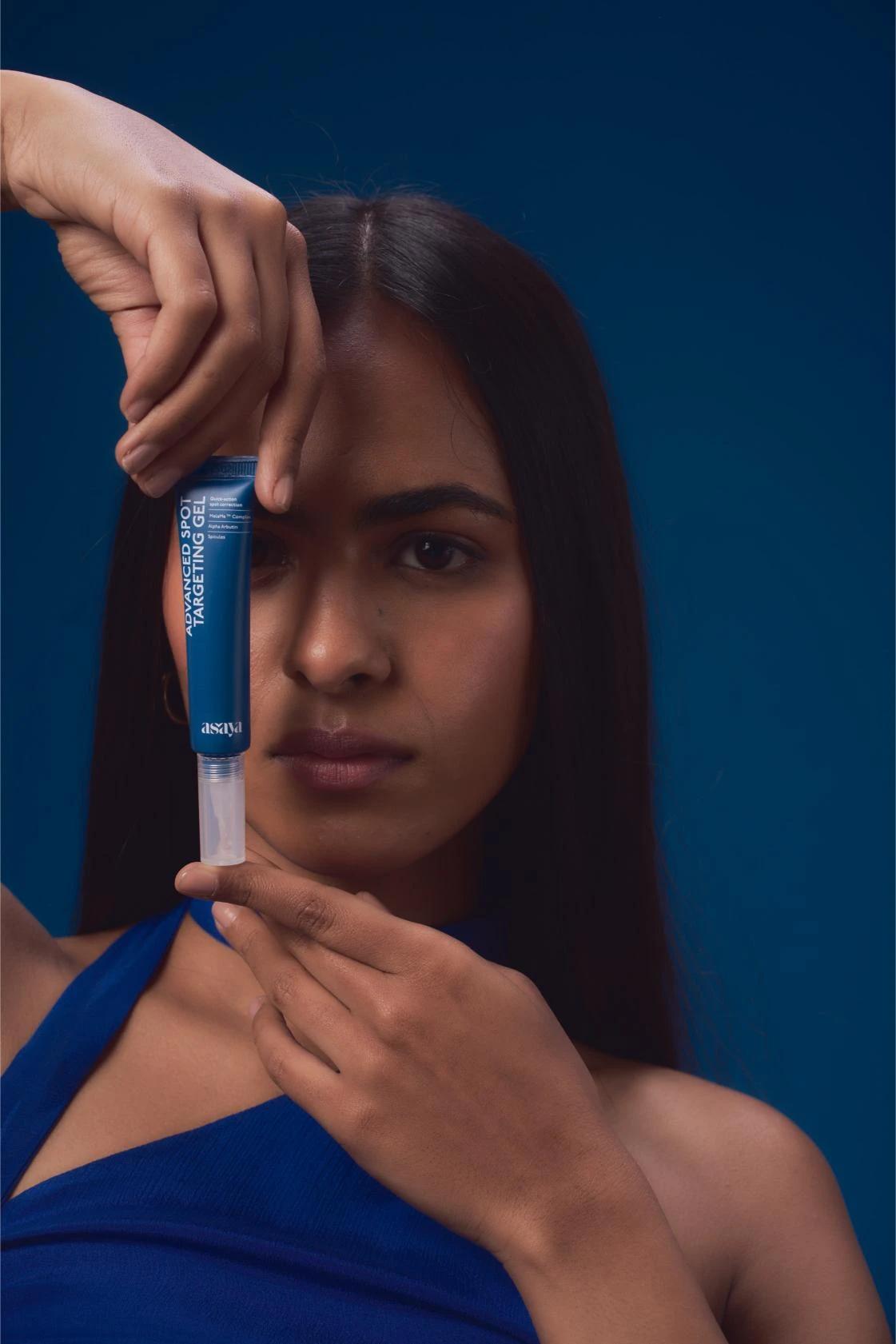


Target & Fade Duo for Hyperpigmentation | Even-Tone Underarms, Inner Thighs & Bum | Refines Skin Texture | For All Skin Types
You've been religiously applying that vitamin C serum for three weeks now, and you're starting to wonder if it's actually doing anything. Your friend swears by her retinol routine, but your skin looks exactly the same as it did a month ago. Sound familiar? The truth is, knowing whether your skincare is working isn't always obvious, especially when social media promises overnight transformations that rarely happen in real life. Understanding the genuine signs of skincare product effectiveness can save you from abandoning products too early or sticking with ones that aren't right for your skin.
Before diving into the signs your products are working, it's worth understanding what actually happens when you apply that carefully chosen serum or moisturiser. Your skin operates on a roughly 28-day cycle, constantly renewing itself from the deepest layers up to the surface. This process, called cellular turnover, means that the skin you see today was actually formed weeks ago in the deeper layers.
When you apply active ingredients like niacinamide, AHAs, or peptides, they need time to penetrate through the skin's protective barrier and reach the layers where they can actually make a difference. Some ingredients work on the surface level, providing immediate hydration or smoothing, whilst others need to build up in your skin over time to show their full effects.
This is why that hyaluronic acid serum might make your skin feel plumper immediately, but your retinol treatment for fine lines could take 12 weeks to show visible results. Understanding these timelines helps set realistic expectations and prevents you from giving up on products that are actually working behind the scenes.
Recognising the signs skincare is working requires paying attention to both immediate changes and gradual improvements over time. Here's what to look for at different stages of your skincare journey.
The first week of using a new product should give you some early clues about compatibility. Your skin should feel comfortable and balanced after application, without any stinging, burning, or excessive tightness. If you're using a hydrating serum or moisturiser, you might notice your skin feels softer and more supple almost immediately.
Good skincare progress indicators in this early stage include reduced irritation from environmental factors, makeup applying more smoothly, and your skin generally feeling more comfortable throughout the day. These might seem like small changes, but they're actually significant signs that the product is supporting your skin's barrier function.
This is when you should start seeing more noticeable improvements. If you're dealing with hormonal acne, breakouts should begin to reduce in both frequency and severity. For those targeting hyperpigmentation, you might notice that new dark spots aren't forming as readily, even if existing ones haven't faded yet.
Dehydration issues should show clear improvement by this point, with your skin looking less dull and feeling more resilient. If you've been consistent with an SPF routine, you might notice that your skin isn't getting as irritated by sun exposure or environmental stressors.

Mineral Sunscreen SPF 50 | Matte Finish | No White Cast | Non-Nano Zinc Oxide | Cica | Pregnancy Safe | All Skin Types | 50ml
This is when the real magic happens. PIH (post-inflammatory hyperpigmentation) should start to visibly fade, fine lines may appear softer, and overall skin clarity should improve significantly. If you've been using products with AHAs or retinol, this is when you'll see the full benefits of increased cellular turnover.
Your skin should look more radiant and feel more resilient. Friends might start commenting that you're glowing, or you might find yourself reaching for less makeup because your skin looks better on its own.
Knowing how to tell if skincare works also means recognising when it doesn't. Persistent breakouts that don't improve after 6-8 weeks of consistent use could indicate that a product isn't suitable for your skin type. This is particularly important to monitor if you're dealing with post-gym congestion or AC-induced dryness that seems to be getting worse rather than better.
Increased redness, irritation, or burning sensations that don't subside after the first week are clear indicators that a product isn't right for you. Your skin shouldn't feel constantly tight, flaky, or uncomfortable, even during the adjustment period to new active ingredients.
If you're not seeing any improvement in your target concerns after the recommended trial period, it might be time to reassess. This doesn't necessarily mean the product is bad, but it might not be the right fit for your specific skin needs or concerns.
Measuring skincare success requires understanding that different ingredients and concerns have different timelines. Here's what to realistically expect and when.
During this phase, your skin is getting used to new ingredients. Some people experience what's called "purging" when using products with AHAs or retinol. This temporary increase in breakouts happens because these ingredients speed up cellular turnover, bringing existing congestion to the surface faster.
Real purging typically occurs in areas where you normally break out and should improve within 4-6 weeks. If you're getting breakouts in new areas or if irritation persists beyond two weeks, the product likely isn't suitable for your skin.
This is when you should start documenting progress with photos taken in consistent lighting. Evaluating skincare results becomes easier when you can compare your skin objectively. Look for improvements in texture, reduced frequency of breakouts, and better overall skin comfort.
If you're targeting summer breakouts or preparing for festive glow prep, this is when you should start seeing the foundation of those improvements taking shape.

Salicylic Acid Face Cleanser | Deep Cleansing Formula for Breakouts | Unclogs Pores & Controls Oil | For Oily & Acne-Prone Skin | 100ml
By this point, you should see the full benefits of your routine. Hyperpigmentation should be noticeably lighter, skin texture should be smoother, and your overall complexion should look more even and radiant. This is also when you can accurately assess whether your routine is effective for your specific concerns.
Assessing skincare performance requires a systematic approach. Start by introducing only one new product at a time, waiting at least two weeks before adding anything else. This way, you can accurately attribute any changes to the specific product you're testing.
Take photos of your skin in the same lighting conditions, preferably natural light, at the same time of day. Weekly photos can help you track gradual changes that might not be obvious day-to-day. Note any changes in how your skin feels, not just how it looks.
Keep a simple skincare diary noting application times, any reactions, and how your skin feels throughout the day. This becomes particularly valuable when evaluating skincare results for multiple concerns or when trying to identify which product in your routine is causing specific effects.
Sometimes, getting an objective professional opinion can help you understand whether your routine is working optimally. Dermatologists can assess improvements that might not be visible to the naked eye and help you adjust your routine for better results.
One of the biggest obstacles to seeing results is inconsistency. Skincare products need regular use to build up in your skin and show their full effects. Using a vitamin C serum sporadically won't give you the same results as daily application.
Another common mistake is testing multiple new products simultaneously. When you introduce several products at once, it becomes impossible to determine which ones are helping and which might be causing problems. This approach often leads to abandoning entire routines when only one product might be the issue.
Improper storage can also affect product effectiveness. Vitamin C serums and retinol products are particularly sensitive to light and heat, and degraded products won't deliver the results you're expecting.

Hydrating Moisturizer | Non-Comedogenic | Boosts Collagen & Hydrates Deeply | Ceramides + Niacinamide | For Normal to Dry Skin | 50g
The timeline depends on your specific concerns and the products you're using. For hydration and basic comfort, you should see improvements within 1-2 weeks. For acne and texture issues, allow 6-8 weeks. For hyperpigmentation and anti-ageing concerns, give products 10-12 weeks to show full results. Remember that skincare progress indicators often appear gradually, so weekly photos can help you track changes you might not notice day-to-day.
Occasional breakouts are normal, especially around hormonal fluctuations or during stressful periods. The key is whether breakouts are less frequent, less severe, and heal faster than before you started your routine. If you're still getting the same intensity and frequency of breakouts after 8 weeks of consistent use, your routine might need adjustment.
For sensitive skin, start with patch testing and introduce products very gradually. Success indicators include reduced reactivity to environmental factors, less redness and irritation, and improved comfort throughout the day. Your skin should feel calmer and more resilient, even if dramatic visual changes take longer to appear.
Seasonal changes can affect how your skin responds to products. During summer, you might need lighter formulations and stronger SPF protection. Winter might require richer moisturisers and more gentle exfoliation. Your skin's needs can change, but effective products should help your skin adapt to these seasonal shifts rather than causing additional stress.
Your skin can adapt to certain ingredients, particularly exfoliating acids, which might require occasional breaks or concentration adjustments. However, ingredients like niacinamide, hyaluronic acid, and SPF don't typically lose effectiveness over time. If a product seems to stop working, consider whether your skin's needs have changed or if other factors like stress, hormones, or seasonal changes are affecting your skin.
Purging typically occurs with products containing AHAs, BHAs, or retinol and happens in areas where you normally break out. It should improve within 4-6 weeks. Breaking out from a product usually involves new areas of your face, doesn't improve with time, and may include increased sensitivity or irritation. If you're unsure, discontinue the product for a week and see if your skin improves.
Understanding how to know if a skincare product is working takes patience and careful observation. Your skin's journey is unique, and what works for your friend might not work for you. The key is giving products adequate time to work whilst staying alert to signs that something isn't right for your skin.
Remember that effective skincare is about consistency and finding the right products for your specific concerns. Whether you're dealing with dull skin, hormonal acne, or post-inflammatory hyperpigmentation, the right routine will show gradual, sustainable improvements over time.
For those looking to explore new products safely, platforms like Smytten Shop offer the opportunity to try products before committing to full sizes. With access to premium brands and the ability to test products risk-free, you can build a routine that truly works for your skin without the guesswork. After all, the best skincare routine is the one you'll actually stick to, filled with products that make your skin feel as good as it looks.
