How to Fade Dark Spots: Your Guide to Even Skin Tone


10% Vitamin C Face Serum | Brightens Dull, Uneven Skin & Boosts Glow | With 5% Niacinamide | Beginner-Friendly | For All Skin Types | 30ml
You've been staring at that stubborn dark spot on your cheek for months now, watching it mock your skincare efforts. Whether it's a leftover reminder from last summer's holiday tan, a hormonal breakout that overstayed its welcome, or those pesky age spots that seem to multiply overnight, dark spots can feel like permanent residents on your face. But here's the real talk: with the right approach and a bit of patience, you absolutely can fade these unwelcome guests and reclaim your even skin tone.
Before diving into solutions, let's decode what's actually happening beneath your skin's surface. Hyperpigmentation occurs when your skin produces excess melanin—the pigment responsible for your natural skin colour—in response to various triggers. Think of melanin as your skin's protective shield that sometimes gets a bit overzealous.
The most common culprits behind uneven skin tone include sun damage (those UV rays are relentless), hormonal fluctuations (hello, pregnancy mask and period breakouts), post-inflammatory responses from acne or injuries, and the natural ageing process. Different types of dark spots require slightly different approaches, which is why understanding your specific concern matters.
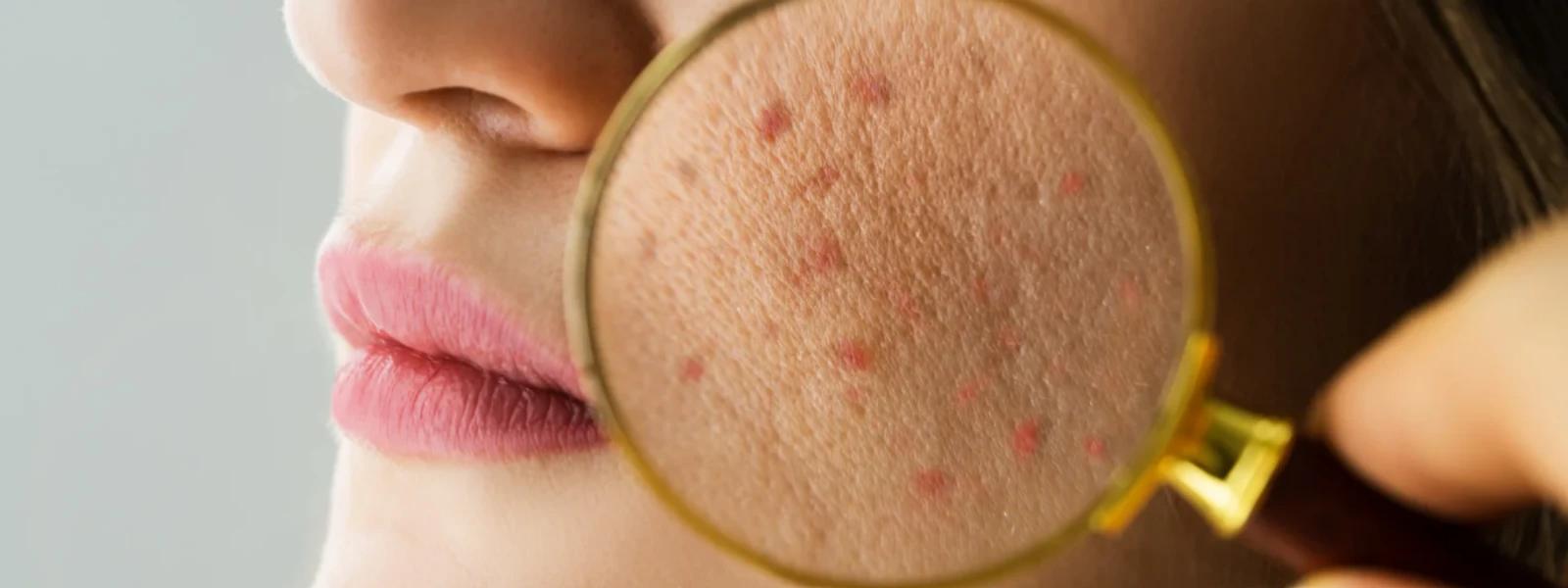
Sun spots and age spots typically appear as flat, brown patches on areas that see the most sun exposure—your face, hands, shoulders, and arms. Melasma presents as larger, symmetrical patches often triggered by hormonal changes, whilst post-inflammatory hyperpigmentation shows up as dark marks where acne or other skin trauma once lived.
Your skin type also plays a role in how prone you are to skin discoloration. Deeper skin tones naturally produce more melanin, which means they're more susceptible to developing dark spots but also have better natural protection against UV damage. It's all about finding the right balance for your unique skin.
Now for the exciting bit—the ingredients that actually work to fade those spots. The skincare world is brimming with options, but some have genuinely earned their reputation through consistent results and solid research.
Vitamin C deserves its place at the top of any dark spot corrector routine. This powerhouse antioxidant doesn't just protect against future damage; it actively inhibits melanin production whilst brightening existing spots. Look for stable forms like magnesium ascorbyl phosphate or sodium ascorbyl phosphate if you have sensitive skin.
Niacinamide has become the darling of the skincare world for good reason. This form of vitamin B3 works by preventing melanin from transferring to the skin's surface, effectively stopping dark spots from forming whilst gently fading existing ones. It's particularly brilliant for those with sensitive skin who can't tolerate stronger actives.
Kojic acid, derived from rice fermentation, offers natural skin lightening properties without the harsh side effects of some synthetic alternatives. It works by inhibiting tyrosinase, the enzyme responsible for melanin production, making it particularly effective for stubborn spots.

Target & Fade Duo for Hyperpigmentation | Even-Tone Underarms, Inner Thighs & Bum | Refines Skin Texture | For All Skin Types
Alpha hydroxy acids (AHAs) like glycolic and lactic acid work differently—they speed up cell turnover, helping to slough away pigmented cells and reveal brighter skin underneath. Think of them as your skin's personal renovation crew, constantly refreshing the surface.
Creating an effective routine isn't about throwing every active ingredient at your face and hoping for the best. It's about strategic layering and consistent application that your skin can actually tolerate.
Your morning routine should focus on protection and gentle brightening. Start with a mild cleanser that won't strip your skin's natural barrier, follow with a vitamin C serum (allow it to absorb for a few minutes), then moisturise according to your skin type. The non-negotiable final step? SPF protection—and we mean every single day, even when you're working from home.
Evenings are prime time for your hyperpigmentation treatment. After cleansing, this is when you can introduce stronger actives like retinoids or AHAs. Start slowly—perhaps twice a week—and gradually increase frequency as your skin builds tolerance.
If you're using multiple actives, alternate them rather than layering everything at once. Monday might be your glycolic acid night, Wednesday could be retinol, and Friday might feature a niacinamide treatment. Your skin will thank you for the thoughtful approach.
Weekly treatments can accelerate your progress. Consider incorporating a gentle at-home chemical peel or a brightening mask into your routine. Just remember—more isn't always better, and consistency trumps intensity every time.
Sometimes home care needs a professional boost, especially for deeper or more stubborn spots. Chemical peels performed by qualified practitioners can target melasma and sun spots more aggressively than at-home options.
Laser treatments like IPL (Intense Pulsed Light) can be particularly effective for isolated spots, though they require careful consideration of your skin type and tone. Always consult with a dermatologist or qualified aesthetician who understands how different treatments interact with various skin types.
Here's where we need to set realistic expectations. Surface-level spots might start showing improvement within 4-6 weeks of consistent treatment, but deeper pigmentation can take 3-6 months or longer to significantly fade. The key is patience and consistency—your skin is constantly renewing itself, but it follows its own timeline.

Mineral Sunscreen SPF 50 | Matte Finish | No White Cast | Non-Nano Zinc Oxide | Cica | Pregnancy Safe | All Skin Types | 50ml
Factors like the depth of pigmentation, your skin type, the size of the affected area, and how consistently you follow your routine all influence how quickly you'll see results. Some people notice changes within weeks, whilst others need months of dedicated care.
Whilst we're focused on fading existing spots, preventing new ones is equally important. Sun protection isn't just about preventing burns—it's about stopping the cascade of melanin production that leads to uneven skin tone.
Choose a broad-spectrum SPF of at least 30, and if you have deeper skin tones, look for formulas containing iron oxide, which provides additional protection against visible light that can trigger melasma. Reapplication every two hours isn't just a suggestion—it's essential for maintaining protection.
Gentle skincare practices also play a crucial role. Avoid aggressive scrubbing or picking at blemishes, as trauma to the skin often results in post-inflammatory hyperpigmentation. Instead, treat your skin with the kindness it deserves.
Whilst professional treatments and proven actives are often the most effective route, some natural ingredients do show promise for gentle dark spot removal. Licorice root extract contains glabridin, which can help inhibit melanin production, whilst arbutin (found in bearberry) offers a gentler alternative to hydroquinone.
Green tea extract provides antioxidant protection and mild brightening effects, making it a lovely addition to a comprehensive routine. However, it's important to manage expectations—natural ingredients typically work more slowly and gently than their synthetic counterparts.
If you've been consistent with your routine for several months without seeing improvement, or if dark spots are appearing rapidly or changing in appearance, it's time to consult a dermatologist. Some types of pigmentation, particularly melasma, can be stubborn and may require prescription treatments or professional procedures.
Additionally, any spot that changes in size, colour, or texture should be evaluated by a healthcare professional to rule out more serious concerns.

Salicylic Acid Face Cleanser | Deep Cleansing Formula for Breakouts | Unclogs Pores & Controls Oil | For Oily & Acne-Prone Skin | 100ml
Natural fading can take anywhere from 6-24 months depending on the depth and type of pigmentation. However, using proven ingredients like vitamin C, niacinamide, and gentle AHAs can significantly accelerate this process, with many people seeing improvement within 6-12 weeks of consistent use.
Many dark spots can be significantly faded or removed with proper treatment, but prevention is key to maintaining results. Sun protection and gentle skincare practices help prevent new spots from forming whilst maintaining the progress you've made.
Professional treatments like chemical peels or laser therapy typically show the fastest results, often within 4-8 weeks. For at-home care, combining vitamin C in the morning with retinoids or AHAs in the evening, plus consistent sun protection, offers the most effective approach.
Not necessarily. Many affordable ingredients like niacinamide and vitamin C are highly effective for hyperpigmentation treatment. The key is finding products with stable, well-formulated ingredients rather than focusing solely on price point.
Yes, but introduce them gradually and alternate application days to avoid irritation. Start with one active ingredient and slowly add others as your skin builds tolerance. Always use sun protection when using any brightening treatments.
Fading dark spots isn't about finding a miracle cure—it's about understanding your skin's needs and committing to a consistent routine that works for your lifestyle. Whether you're dealing with post-acne marks, sun damage, or hormonal pigmentation, the right combination of proven ingredients and patience will get you there.
Remember that your skin is unique, and what works brilliantly for your friend might need tweaking for your specific concerns. The beauty of platforms like Smytten Shop lies in being able to explore different formulations and brands without committing to full sizes immediately. With over 28 million users discovering their perfect skincare matches, you're in good company on this journey to clearer, more even-toned skin.
Your skin has an incredible ability to heal and renew itself—sometimes it just needs the right support and a bit of time. Trust the process, be consistent with your routine, and celebrate the small improvements along the way. That stubborn dark spot doesn't stand a chance.
