How to Fade Dark Spots with Affordable Creams


Dark Spot Serum For Pigmentation | With Niacinamide, Alpha Arbutin & MelaMe Complex | Fades Melasma & Acne Marks | For Oily & Dry Skin | 30ml
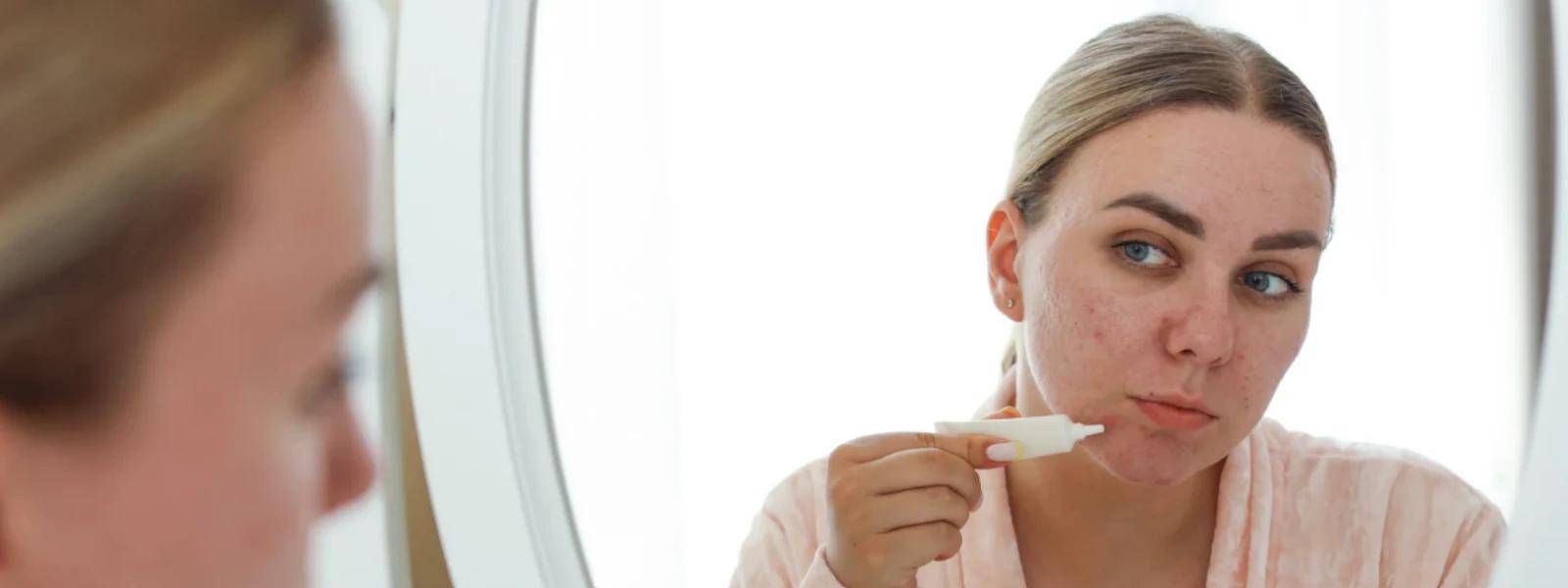
You've been staring at that stubborn dark spot for months now, haven't you? Whether it's a reminder of last summer's breakout, those hormonal changes that left their mark, or simply the natural ageing process catching up, dark spots can feel like unwelcome guests that refuse to leave. The good news? You don't need to spend a fortune on hyperpigmentation treatment to see real results. Some of the most effective affordable dark spot creams are sitting right there on your local pharmacy shelf, waiting to transform your skin without breaking the bank.
Before diving into solutions, let's get clear on what we're actually dealing with. Not all dark spots are created equal, and understanding the type you have will help you choose the most effective treatment approach.
Post-inflammatory hyperpigmentation (PIH) is probably the most common culprit for younger skin. These are the dark marks left behind after acne, ingrown hairs, or any skin injury. They're your skin's way of protecting itself, but unfortunately, they tend to overstay their welcome. Melasma, on the other hand, appears as larger, symmetrical patches often triggered by hormonal changes during pregnancy or from birth control. Then there are age spots – those flat, brown patches that develop from years of sun exposure, typically appearing on areas like your hands, face, and shoulders.
The science behind all these is essentially the same: your melanocytes (pigment-producing cells) go into overdrive, creating excess melanin that gets trapped in your skin layers. Sun exposure accelerates this process, which is why dermatologists constantly remind us about SPF – it's not just about preventing new spots, but stopping existing ones from getting darker.
Here's the real talk: affordable dark spot creams work brilliantly for mild to moderate skin discoloration. If your spots are relatively new (under two years old) and not too deep, over-the-counter options can deliver impressive results. However, if you're dealing with very deep pigmentation, extensive melasma, or spots that have been there for decades, you might need professional treatments like chemical peels or laser therapy alongside your topical routine.
The beauty of modern skincare is that many powerhouse ingredients have become accessible and affordable. You don't need a prescription to access some seriously effective skin brightening compounds.
Vitamin C is your first line of defence and treatment. It's an antioxidant that not only protects against future damage but actively works to fade dark spots by inhibiting melanin production. Look for stable forms like magnesium ascorbyl phosphate or sodium ascorbyl phosphate in budget-friendly formulations.
Niacinamide is another hero ingredient that's become incredibly affordable. This form of vitamin B3 reduces melanin transfer from your pigment cells to your skin surface, essentially stopping dark spots from forming whilst helping existing ones fade. It's also brilliant for reducing inflammation, making it perfect for blemish-prone skin.
Alpha arbutin is a gentler alternative to hydroquinone that naturally brightens skin without irritation. Retinol speeds up cell turnover, helping pigmented cells shed faster and revealing brighter skin underneath. Glycolic acid provides gentle exfoliation, perfect for addressing uneven skin tone whilst encouraging fresh, even-toned skin to surface.

Target & Fade Duo for Hyperpigmentation | Even-Tone Underarms, Inner Thighs & Bum | Refines Skin Texture | For All Skin Types
The most effective affordable dark spot creams combine multiple approaches. Vitamin C paired with hyaluronic acid gives you brightening plus hydration – crucial because dry skin can make pigmentation look more pronounced. Retinol combined with moisturising agents like ceramides or peptides ensures you get the cell-turnover benefits without irritation.
Natural extracts like turmeric, kojic acid, and licorice root offer gentle pigmentation benefits. These are particularly worth looking for if you have sensitive skin or prefer more natural formulations.
Your skin type plays a huge role in which dark spot correctors will work best for you. This isn't just about effectiveness – it's about ensuring you can actually use the product consistently without irritation.
If you have sensitive skin, start with gentler ingredients like niacinamide or alpha arbutin. These provide effective hyperpigmentation treatment without the potential irritation of stronger acids or retinoids. Oily skin types should look for lightweight, non-comedogenic formulations that won't clog pores – gel-based or serum textures work brilliantly.
For dry skin, choose melasma creams or treatments that include moisturising ingredients. Your skin barrier needs to be healthy for any active ingredient to work effectively, so hydration is non-negotiable.
This is where many people go wrong with their skin brightening routine. Vitamin C works best in the morning under SPF, whilst retinol should be used at night. Never mix retinol with acids like glycolic or salicylic acid in the same application – this can cause irritation and actually slow down your progress.
Always, always use SPF during the day when using any dark spot treatment. These ingredients can make your skin more photosensitive, and sun exposure will undo all your hard work.
Having the right product is only half the battle – how you use it determines whether you'll see results or just waste your money.

Mineral Sunscreen SPF 50 | Matte Finish | No White Cast | Non-Nano Zinc Oxide | Cica | Pregnancy Safe | All Skin Types | 50ml
Start with clean skin – a gentle cleanser that doesn't strip your skin is essential. Apply your dark spot corrector to slightly damp skin for better absorption. If you're using a targeted treatment, apply it directly to spots first, then follow with your regular moisturiser. For all-over treatments, apply after cleansing but before heavier creams or oils.
Less is more with these products. A pea-sized amount is usually enough for your entire face. Using too much can cause irritation and won't speed up results – your skin can only absorb so much at once.
Real talk: affordable dark spot creams require patience. In the first week or two, you might notice your skin adjusting – perhaps some mild dryness or slight irritation as your skin gets used to new ingredients. This is normal and usually settles down.
By month one, you should start seeing subtle improvements – spots may look slightly lighter, and your overall skin tone might appear more even. The real magic happens between months three to six, where you'll see significant fading of dark spots and improvement in uneven skin tone.
Even the best affordable dark spot creams won't work if you're sabotaging your own efforts. These mistakes are incredibly common and easily fixable.
Over-application is probably the biggest mistake people make. More product doesn't equal faster results – it usually just leads to irritation, which can actually worsen hyperpigmentation. Inconsistent use is another progress-killer. These ingredients need time to work, and skipping days or weeks will reset your progress.
Skipping SPF is the ultimate self-sabotage. You could use the most effective pigmentation cream in the world, but without sun protection, you're essentially working against yourself. UV exposure will darken existing spots and create new ones faster than any cream can fade them.
Combining certain actives can reduce their effectiveness or cause irritation. For example, vitamin C and retinol can destabilise each other when used together. Acids at different pH levels can neutralise each other. When in doubt, use different actives at different times of day or on alternating days.

Salicylic Acid Face Cleanser | Deep Cleansing Formula for Breakouts | Unclogs Pores & Controls Oil | For Oily & Acne-Prone Skin | 100ml
The Ordinary's Alpha Arbutin 2% + HA offers excellent results for under ₹1,000. For combination treatments, look for products containing vitamin C, niacinamide, or gentle retinol derivatives. Many users on Smytten Shop have found success with budget-friendly options from brands like Minimalist, Plum, and Dot & Key, which offer effective dark spot correctors without the premium price tag.
Start with niacinamide-based products or gentle vitamin C serums. These provide effective hyperpigmentation treatment with minimal risk of irritation. Products containing 5-10% niacinamide or stable vitamin C derivatives are perfect entry points for skin brightening without overwhelming sensitive skin.
Most users notice initial improvements in 4-6 weeks of consistent use, with significant results appearing after 3-6 months. Post-inflammatory hyperpigmentation typically responds faster than melasma or age spots. Patience and consistency are key – your skin's natural renewal cycle takes about 28 days, so give treatments time to work.
Absolutely. Many budget-friendly options contain the same active ingredients as luxury brands, just in different concentrations or packaging. The key is choosing products with proven ingredients like vitamin C, niacinamide, alpha arbutin, or retinol. Price doesn't always correlate with effectiveness in skincare.
Dark spot correctors are typically more concentrated treatments designed for targeted application on specific spots. Skin brightening creams provide overall tone improvement and are meant for all-over application. Both can be effective for uneven skin tone, but correctors are better for isolated spots whilst brightening creams work on general dullness.
Yes, ingredients like turmeric, kojic acid, licorice root extract, and vitamin E offer gentle pigmentation benefits. These natural options work more slowly than synthetic actives but are excellent for sensitive skin or those preferring natural formulations. Look for products that combine these with proven actives for best results.
The journey to fading dark spots doesn't require a luxury budget – just the right knowledge and consistent application. Whether you're dealing with post-acne marks, hormonal pigmentation, or sun damage, effective affordable dark spot creams can deliver real results when chosen and used correctly.
Remember, the best hyperpigmentation treatment is the one you'll actually use consistently. Start with gentle, well-formulated products and build your routine gradually. Your skin will thank you for the patience and care, and your wallet will appreciate the savings. With platforms like Smytten Shop offering curated selections from trusted brands and the ability to try before you commit, finding your perfect dark spot corrector has never been more accessible or affordable.
