How to Fade Dark Spots FAQ: Your Guide to Clearer Skin


Target & Fade Duo for Hyperpigmentation | Even-Tone Underarms, Inner Thighs & Bum | Refines Skin Texture | For All Skin Types
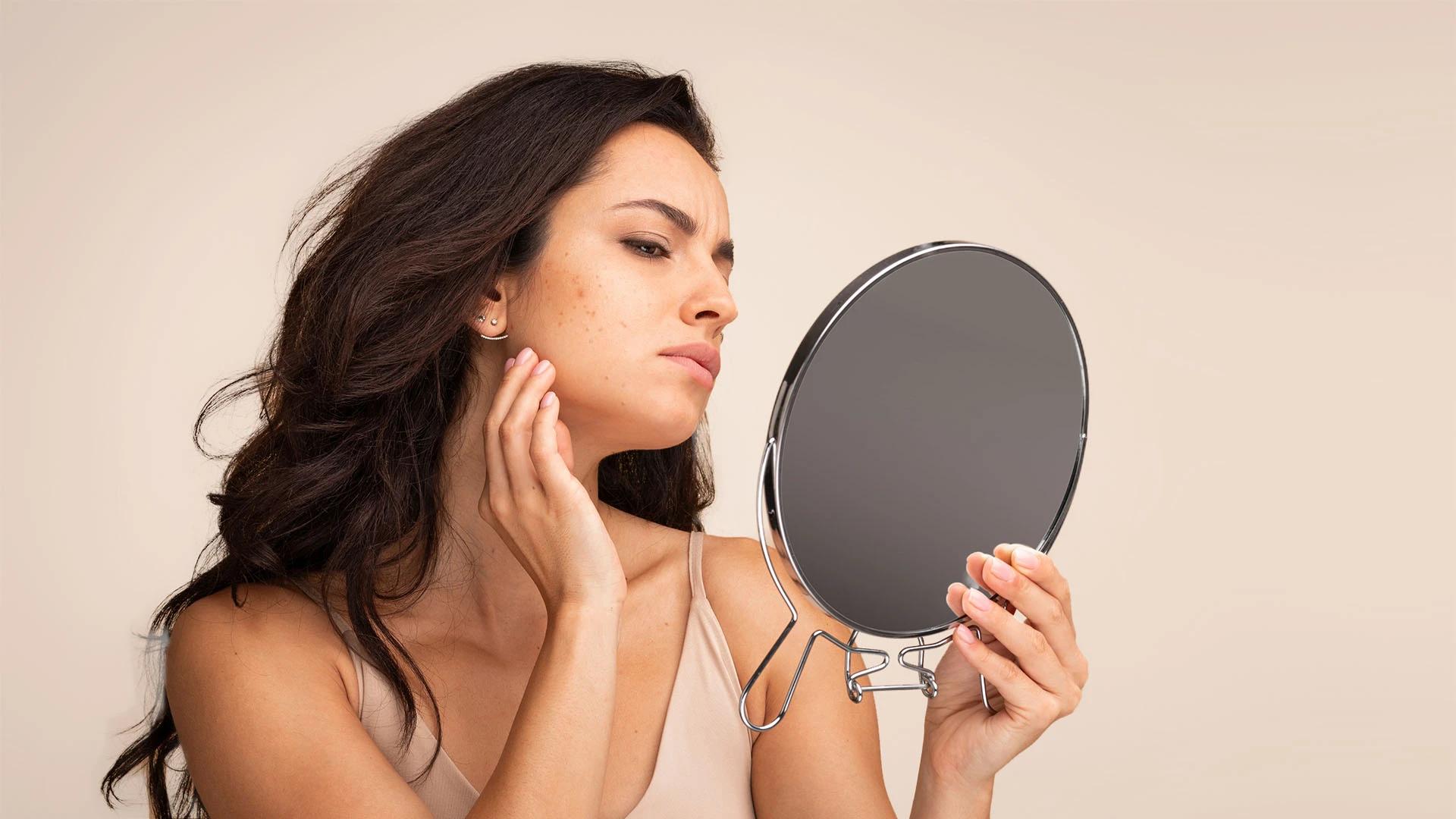
You've been staring at that stubborn dark spot on your cheek for months now, wondering if it'll ever fade. Whether it's a souvenir from last summer's holiday or a reminder of that hormonal breakout from ages ago, dark spots have this annoying way of overstaying their welcome. The good news? You're not stuck with them forever. With the right approach, patience, and proper ingredients, you can help your skin return to its natural, even-toned glory. Let's dive into everything you need to know about fading those pesky marks.
Before we tackle how to fade them, it's worth understanding what we're dealing with. Dark spots, also known as hyperpigmentation, occur when your skin produces excess melanin in certain areas. Think of melanin as your skin's natural defence system—it ramps up production when it senses damage or inflammation, creating those darker patches we'd rather live without.
Post-inflammatory hyperpigmentation (PIH) is probably the most familiar culprit. These are the dark marks left behind after acne, cuts, or any skin trauma. They're particularly common if you have a habit of picking at spots (we've all been there). Sun spots or age spots develop from years of UV exposure, typically appearing on areas that see the most sun—your face, hands, and shoulders. Melasma is the trickier cousin, often triggered by hormonal changes during pregnancy or from birth control, creating larger patches of discolouration usually on the face.
The main culprits behind uneven skin tone include UV exposure (even through windows), hormonal fluctuations, inflammation from acne or injuries, and sometimes genetics. Your skin type also plays a role—those with deeper skin tones are more prone to PIH, whilst fair skin tends to develop more sun spots over time.
Now for the exciting bit—the ingredients that actually work. The skincare world is full of promising claims, but these powerhouses have the research to back them up. Understanding how they work helps you choose the right approach for your specific concerns.
Vitamin C is your morning hero. This antioxidant not only protects against future damage but also helps fade existing spots by inhibiting melanin production. Look for L-ascorbic acid or more stable forms like magnesium ascorbyl phosphate. Retinoids work overnight, speeding up cell turnover to help pigmented cells shed faster whilst preventing new dark spots from forming. Start slowly—your skin needs time to adjust.
Niacinamide is the gentle giant of the group. This form of vitamin B3 helps regulate melanin transfer and reduces inflammation, making it perfect for sensitive skin or those dealing with active breakouts alongside pigmentation. Alpha hydroxy acids (AHAs) like glycolic and lactic acid work by exfoliating the surface layer, helping pigmented cells shed more quickly.

Mineral Sunscreen SPF 50 | Matte Finish | No White Cast | Non-Nano Zinc Oxide | Cica | Pregnancy Safe | All Skin Types | 50ml
Kojic acid and arbutin are derived from natural sources but pack a scientific punch. They work by inhibiting tyrosinase, the enzyme responsible for melanin production. Azelaic acid is particularly brilliant for those dealing with both acne and PIH, as it tackles inflammation whilst gently exfoliating.
Creating an effective routine isn't about using every ingredient at once—it's about strategic layering and consistency. Your skin needs time to respond, so patience is absolutely key here. Most people start seeing improvements around the 6-8 week mark, with significant changes by 12 weeks.
Start with a gentle cleanser that won't strip your skin. Apply your vitamin C serum to clean skin, allowing it to absorb for a few minutes. Follow with a lightweight moisturiser, then—and this is non-negotiable—broad-spectrum SPF 30 or higher. Without proper sun protection, you're essentially taking one step forward and two steps back.
Evening is when the real work happens. After cleansing, apply your treatment products in order of thinnest to thickest consistency. If you're using retinoids, start 2-3 times per week and gradually increase frequency as your skin adjusts. Always follow with a nourishing moisturiser to support your skin barrier.
Consider adding a gentle AHA treatment 1-2 times per week to boost cell turnover. Face masks containing brightening ingredients can provide an extra boost, but don't overdo it—your skin needs recovery time between treatments.
Whilst active ingredients are typically more effective, natural remedies can complement your routine or serve as gentler alternatives for sensitive skin. The key is managing expectations—natural doesn't always mean immediate results.

Salicylic Acid Face Cleanser | Deep Cleansing Formula for Breakouts | Unclogs Pores & Controls Oil | For Oily & Acne-Prone Skin | 100ml
Lemon juice contains natural vitamin C and citric acid, but use it cautiously. It can make your skin more photosensitive, so only apply in the evening and never skip SPF the next day. Turmeric has anti-inflammatory properties that may help with PIH, though it can temporarily stain fair skin yellow.
Green tea is rich in antioxidants and can be used as a toner or in DIY masks. Aloe vera soothes inflammation and may help prevent dark spots from forming after breakouts or injuries.
Here's some real talk: you won't see dramatic changes overnight, regardless of what you use. Natural remedies typically take longer than active ingredients—we're talking months rather than weeks. The gentler the approach, the longer the timeline, but also the lower the risk of irritation.
Sometimes at-home care needs backup. Professional treatments can accelerate results, particularly for stubborn melasma or deep sun spots that haven't responded to topical treatments.
Professional chemical peels use higher concentrations of acids than you can get over-the-counter. Glycolic peels are excellent for surface pigmentation, whilst deeper peels can tackle more stubborn discolouration. Laser treatments like IPL (Intense Pulsed Light) target pigment specifically, breaking it down so your body can naturally eliminate it.
If your dark spots are large, very dark, or haven't improved after 3-4 months of consistent home treatment, it's worth consulting a dermatologist. They can determine the exact type of pigmentation you're dealing with and recommend the most effective treatment approach.

Hydrating Moisturizer | Non-Comedogenic | Boosts Collagen & Hydrates Deeply | Ceramides + Niacinamide | For Normal to Dry Skin | 50g
Natural fading varies significantly depending on the spot's age, depth, and your skin's natural turnover rate. Fresh PIH from recent breakouts might fade in 3-6 months, whilst older sun spots can take a year or more. Consistent use of gentle exfoliants and sun protection can help speed the process.
Yes, but introduce them gradually. Start with one active ingredient and add others slowly once your skin adjusts. Avoid using strong actives like retinoids and AHAs on the same night initially. Niacinamide plays well with most ingredients and can help reduce irritation from stronger treatments.
This is completely normal when using active ingredients. As your skin increases cell turnover, pigmented cells can temporarily appear darker before they shed. This "purging" phase typically lasts 4-6 weeks. If irritation is severe or spots continue darkening beyond this timeframe, scale back your routine.
Existing spots that have been successfully treated shouldn't return, but new ones can form if you don't maintain proper sun protection and skincare habits. Think of it as an ongoing process rather than a one-time fix. Consistent SPF use and a maintenance routine with gentle actives can prevent new pigmentation.
Harsh scrubs and over-exfoliation can actually worsen pigmentation by causing inflammation. Avoid combining multiple strong actives initially, and be cautious with DIY remedies containing citrus oils, which can cause photosensitivity. Always patch test new ingredients, especially if you have sensitive skin.
Take photos in consistent lighting every few weeks to track progress—it's often easier to see changes in photos than in the mirror. Dark spots typically fade from the edges inward and may appear lighter or smaller over time. Keep a skincare diary noting what you're using and any changes you observe.
Fading dark spots is absolutely achievable with the right approach and realistic expectations. The most effective strategy combines proven active ingredients, consistent sun protection, and patience. Whether you opt for gentle natural remedies or stronger clinical treatments, consistency is your best friend. Remember that prevention is always easier than treatment—protecting your skin from further damage whilst addressing existing spots gives you the best chance of achieving that clear, even complexion you're after.
For those looking to explore effective dark spot corrector products, platforms like Smytten offer the opportunity to try various treatments before committing to full sizes. With over 28 million users discovering their perfect skincare matches, you can explore curated options from trusted brands whilst earning cashback on your purchases. Your journey to clearer skin doesn't have to be a guessing game—find what works for your unique skin concerns and build a routine that delivers real results.
