How to Fade Dark Spots: Effective Hyperpigmentation Treatment
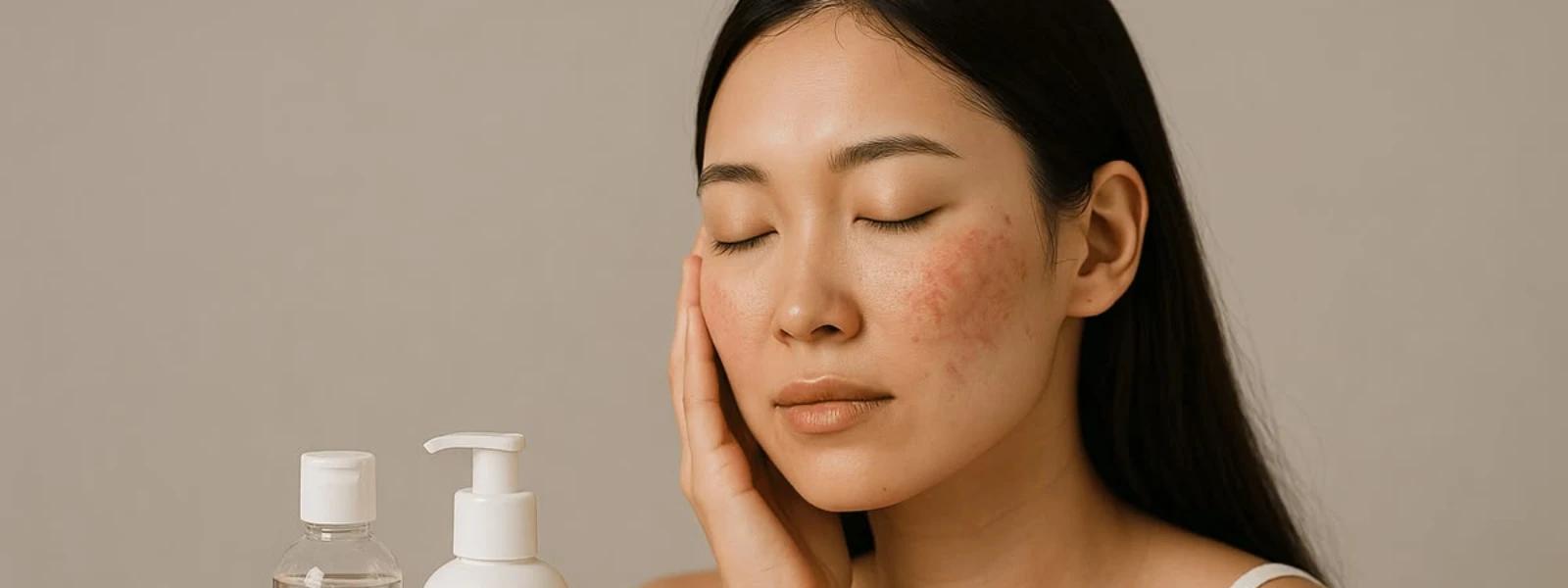

You've spotted them in the mirror again – those stubborn dark patches that seem to have appeared overnight but refuse to budge. Whether it's the aftermath of last summer's breakouts, years of sun exposure catching up with you, or hormonal changes leaving their mark, hyperpigmentation can feel like an unwelcome guest that's overstayed its welcome. The good news? With the right approach and a bit of patience, you absolutely can fade those dark spots and reclaim your even-toned complexion.
Before diving into solutions, let's get clear on what we're actually dealing with. Dark spots are essentially areas where your skin has produced excess melanin – the pigment that gives your skin its colour. Think of melanin as your skin's natural defence system; when it detects damage or irritation, it goes into overdrive, creating those concentrated patches of pigmentation we're trying to fade.
The most common culprits behind skin discoloration include sun damage (those pesky age spots and sun spots), post-inflammatory hyperpigmentation from acne, hormonal changes like melasma, and even friction from tight clothing. Understanding your specific type of dark spot is crucial because different causes often respond better to different treatments.
Post-inflammatory hyperpigmentation (PIH) appears after your skin has healed from acne, cuts, or other injuries. These spots are typically brown or black and can take months to fade naturally. Solar lentigines – what we commonly call age spots or sun spots – develop from cumulative UV exposure and tend to appear on areas like your face, hands, and shoulders.
Melasma presents as larger, symmetrical patches often triggered by hormonal changes during pregnancy or from birth control. These can be particularly stubborn and require consistent, gentle treatment approaches.
If you prefer starting with gentler, natural approaches, there are several proven ingredients that can help with melanin reduction and skin brightening. The key word here is patience – natural methods typically take 8-12 weeks to show noticeable results, but they're often gentler on sensitive skin.
Vitamin C is your first line of defence in any natural dark spot treatment plan. This powerhouse antioxidant not only helps fade existing spots but also prevents new ones from forming. Look for serums containing L-ascorbic acid or more stable forms like magnesium ascorbyl phosphate. Apply it in the morning before your SPF for maximum benefit.
Licorice root extract contains glabridin, which helps inhibit melanin production without being harsh on your skin. It's particularly effective for those with sensitive skin who can't tolerate stronger actives. Kojic acid, derived from fermented rice, is another gentle option that works by blocking the enzyme responsible for melanin production.
Alpha hydroxy acids (AHAs) like glycolic and lactic acid help speed up cell turnover, gradually revealing brighter skin underneath. Start with lower concentrations (5-10%) and use them only at night, always followed by SPF during the day.
A simple honey and lemon mask can provide gentle exfoliation and vitamin C benefits. Mix equal parts raw honey and fresh lemon juice, apply for 10-15 minutes, then rinse thoroughly. Always patch test first, and never use this treatment before sun exposure as lemon can increase photosensitivity.
Rice water, rich in natural kojic acid and vitamins, makes an excellent gentle toner. Soak rice in water for 30 minutes, strain, and use the liquid as a daily toner. Many users report gradual brightening after 4-6 weeks of consistent use.
When natural methods aren't cutting it, or if you're dealing with deeper pigmentation, professional treatments can offer more dramatic results. The key is choosing the right treatment for your skin type and the severity of your hyperpigmentation.
Hydroquinone remains the gold standard for dark spot treatment, available in 2% concentrations over-the-counter or stronger prescriptions from dermatologists. It works by inhibiting melanin production but should be used under guidance as it can cause irritation or paradoxical darkening if misused.
Retinoids are incredibly effective for both preventing and treating dark spots. They work by speeding up cell turnover and helping fade pigmentation from within. Start with retinyl palmitate or retinol, gradually working up to stronger formulations as your skin builds tolerance.
Niacinamide at 5-10% concentrations helps reduce melanin transfer to skin cells while also improving overall skin texture. It's particularly good for those with sensitive skin or rosacea who can't tolerate other actives.
Azelaic acid offers a gentler alternative to hydroquinone, working to normalise melanin production while also providing anti-inflammatory benefits. It's particularly effective for post-acne marks and can be used long-term without the concerns associated with hydroquinone.
Chemical peels using glycolic, salicylic, or TCA can provide more dramatic results than at-home treatments. A series of peels can significantly improve uneven skin tone and fade stubborn spots that haven't responded to topical treatments.
Laser treatments like IPL (Intense Pulsed Light) or Q-switched lasers can target specific pigmented areas with precision. These treatments work by breaking up melanin deposits, which are then naturally eliminated by your body's immune system.
Not all dark spots are created equal, and your treatment approach should reflect the specific type you're dealing with. Post-inflammatory hyperpigmentation from acne responds well to gentle acids and vitamin C, while sun damage might require more intensive treatments.
For acne-related dark spots, the key is treating them early before they have a chance to deepen. Gentle exfoliation with salicylic acid, combined with vitamin C and niacinamide, can prevent spots from darkening while helping existing ones fade more quickly.
Sun spots and age spots are often the most stubborn because they've had years to develop and penetrate deeper into the skin. These typically respond best to combination treatments – perhaps a retinoid at night, vitamin C in the morning, and periodic chemical peels or laser treatments.
For body areas with dark spots, you can often use stronger concentrations than you would on your face. Body skin is typically less sensitive, allowing for more aggressive treatment approaches that can deliver faster results.
The most effective dark spot treatment is prevention. Sun protection isn't just about preventing new spots – it's crucial for preventing existing spots from darkening further. Even the best treatment won't work if you're continuously exposing your skin to UV damage.
Choose a broad-spectrum SPF of at least 30, and reapply every two hours when outdoors. For those with darker skin tones, look for sunscreens containing iron oxides, which provide additional protection against visible light that can also trigger pigmentation.
A consistent routine focusing on gentle exfoliation, antioxidant protection, and hydration can prevent many types of dark spots from forming. Avoid picking at blemishes or irritating your skin, as inflammation is a major trigger for post-inflammatory hyperpigmentation.
Incorporate antioxidants like vitamin C, vitamin E, and green tea extract into your routine. These help neutralise free radicals that can trigger melanin production and protect your skin from environmental damage.
Natural treatments typically take 8-12 weeks to show noticeable results, with full fading taking 6-12 months depending on the depth and age of the spots. Consistency is key – daily application of vitamin C, gentle acids, and sun protection will gradually improve your skin tone.
While many dark spots can be significantly faded or removed, prevention is crucial for long-term results. Without proper sun protection and skincare maintenance, new spots can form and existing ones can darken again.
Dark spots are flat areas of discolouration, while acne scars involve changes in skin texture – either raised or depressed areas. Dark spots respond well to brightening treatments, while textural scars typically require professional procedures like microneedling or laser resurfacing.
Not necessarily. Many effective ingredients like vitamin C, niacinamide, and glycolic acid are available in affordable formulations. The key is consistency and choosing the right ingredients for your specific skin concerns rather than focusing on price alone.
Fading dark spots is absolutely achievable with the right approach and realistic expectations. Whether you choose natural methods, over-the-counter treatments, or professional procedures, consistency and patience are your best allies. Remember that everyone's skin responds differently, so what works brilliantly for your friend might need tweaking for your skin type.
The beauty of platforms like Smytten Shop is the ability to try different dark spot correctors and brightening treatments before committing to full sizes. With access to premium brands and the experiences of 28M+ users, you can discover what works for your specific skin concerns without the guesswork. Your journey to even-toned, radiant skin starts with that first step – and with the right products and approach, those stubborn spots don't stand a chance.
