How to Correct Pigmentation for Even Skin Tone


Target & Fade Duo for Hyperpigmentation | Even-Tone Underarms, Inner Thighs & Bum | Refines Skin Texture | For All Skin Types
That stubborn dark spot from last summer's breakout is still there, isn't it? Or perhaps you've noticed patches of uneven tone creeping across your cheeks, making your once-clear complexion feel like a distant memory. Pigmentation issues affect nearly everyone at some point, whether it's post-acne marks, sun damage, or hormonal changes leaving their mark on our skin. The good news? Understanding how to correct pigmentation isn't just about covering up—it's about addressing the root causes and building a routine that actually works for your unique skin concerns.
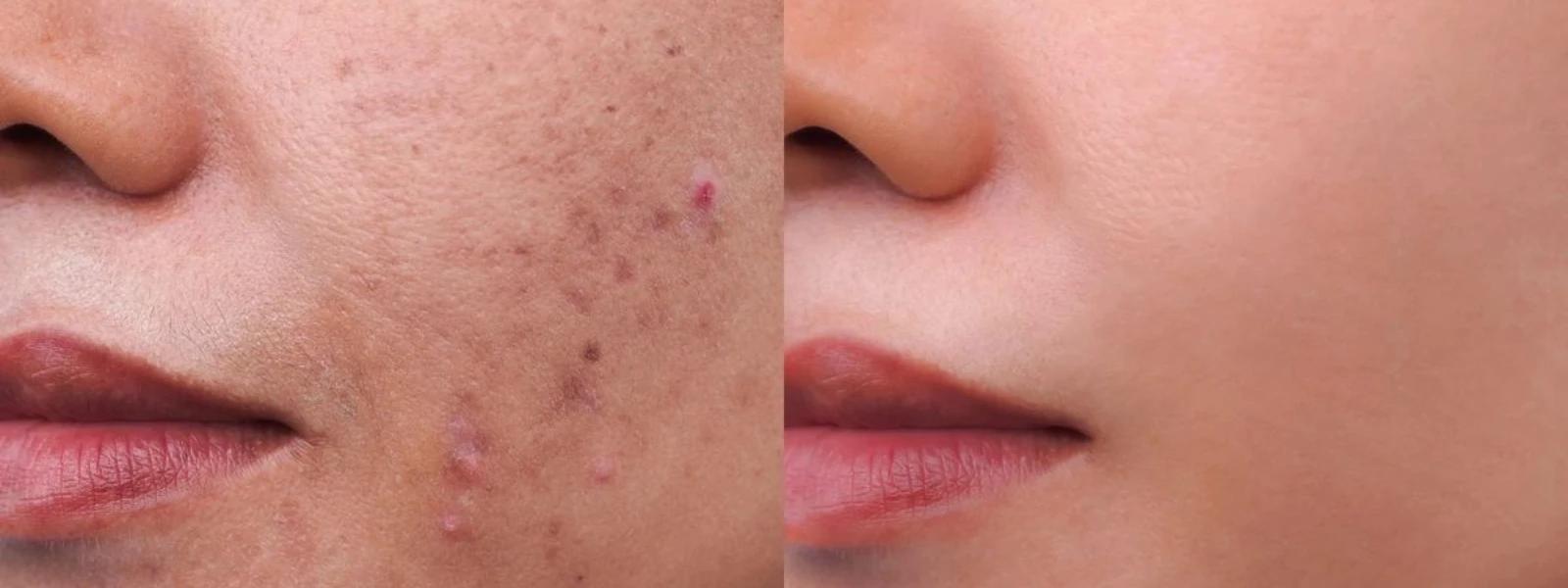
Before diving into solutions, let's talk about what's actually happening beneath your skin's surface. Pigmentation occurs when melanocytes (your skin's pigment-producing cells) go into overdrive, creating uneven patches of colour that can range from light brown spots to deep, stubborn marks that seem impossible to shift.
The triggers for skin discoloration are more common than you might think. UV exposure remains the biggest culprit—those seemingly harmless lunch breaks in the sun add up over time, creating what we know as age spots and sunspots. But sun damage isn't the only villain in this story.
Hormonal changes can wreak havoc on your skin's pigment production. If you've ever noticed darker patches appearing during pregnancy or after starting a new contraceptive, you're experiencing melasma—a particularly stubborn form of pigmentation that loves to settle in around the cheeks, forehead, and upper lip. Post-inflammatory hyperpigmentation is another common concern, especially if you've dealt with acne or picked at spots (we've all been there). Even something as simple as a mosquito bite can leave behind a dark mark if your skin is prone to this type of response.
Age spots and sunspots typically appear as small, well-defined brown patches on areas that see the most sun exposure—think face, hands, and décolletage. These solar lentigines are essentially your skin's way of trying to protect itself from further UV damage.
Melasma presents differently, often appearing as larger, symmetrical patches with irregular borders. This hormonal pigmentation can be particularly frustrating because it tends to fluctuate with hormonal cycles and can worsen with sun exposure. Post-inflammatory hyperpigmentation shows up as dark marks where you've had acne, cuts, or other skin trauma. Unlike active acne, these marks are flat and purely pigmented—they're essentially your skin's healing response gone a bit overboard.
Sometimes, despite our best at-home efforts, stubborn pigmentation requires professional intervention. Understanding your options can help you make informed decisions about when to seek hyperpigmentation treatment from a qualified dermatologist.
Chemical peels work by removing the top layers of skin, encouraging cell turnover and revealing fresher, more evenly toned skin underneath. Glycolic acid peels are excellent for surface-level pigmentation, whilst deeper TCA peels can address more stubborn discolouration. The key is finding the right depth for your skin type and pigmentation severity.
Laser therapy offers targeted treatment for specific types of pigmentation. Q-switched lasers excel at breaking up concentrated pigment in age spots, whilst IPL (Intense Pulsed Light) can address more diffuse discolouration. Fractional CO2 lasers work deeper, stimulating collagen production whilst addressing pigmentation—though they do require more downtime.
Consider professional treatment if you've been consistent with a good at-home routine for 3-6 months without seeing improvement. Melasma treatment often requires professional intervention because it's so deeply rooted in hormonal triggers. If you have darker skin, it's particularly important to work with a dermatologist experienced in treating pigmentation in your skin tone, as some treatments can actually worsen hyperpigmentation if not performed correctly.

Mineral Sunscreen SPF 50 | Matte Finish | No White Cast | Non-Nano Zinc Oxide | Cica | Pregnancy Safe | All Skin Types | 50ml
Professional treatments typically show results faster than topical options—you might see improvement in 4-6 weeks rather than the 3-6 months required for at-home treatments. However, they also require proper aftercare and sun protection to maintain results.
The world of skin brightening ingredients can feel overwhelming, but focusing on science-backed actives will give you the best chance of success. These ingredients work by either inhibiting melanin production, accelerating cell turnover, or providing antioxidant protection.
Vitamin C deserves its reputation as a pigmentation-fighting powerhouse. L-ascorbic acid, magnesium ascorbyl phosphate, and sodium ascorbyl phosphate all work to inhibit tyrosinase, the enzyme responsible for melanin production. Beyond pigmentation, vitamin C provides antioxidant protection against environmental damage that can trigger new dark spots.
Retinoids accelerate cell turnover, helping to push pigmented cells to the surface where they can be shed naturally. Prescription tretinoin is the gold standard, but over-the-counter retinol can also be effective with consistent use. Start slowly—retinoids can cause irritation if introduced too quickly.
Niacinamide works differently from other brightening ingredients. Rather than inhibiting melanin production, it reduces the transfer of pigment from melanocytes to skin cells. It's also anti-inflammatory, making it excellent for preventing post-inflammatory hyperpigmentation from active breakouts.
Your morning routine should focus on protection and prevention. Apply vitamin C serum to clean skin, followed by moisturiser and broad-spectrum SPF 50+. This combination provides antioxidant protection whilst preventing new pigmentation from forming.
Evenings are for treatment and repair. After cleansing, apply your retinoid (start 2-3 times per week and build up gradually), followed by a hydrating moisturiser. Niacinamide can be used morning or evening and plays well with most other ingredients. Avoid mixing vitamin C with retinoids in the same routine, as this can cause irritation without providing additional benefits.
Whilst professional treatments and proven actives are most effective, some natural ingredients do have research supporting their use in dark spots removal. However, it's important to have realistic expectations and understand the limitations of DIY approaches.
Aloe vera contains aloesin, a compound that can inhibit tyrosinase activity. Fresh aloe gel can be soothing for inflamed skin and may help prevent post-inflammatory hyperpigmentation when used consistently. Green tea extract provides antioxidant benefits and has anti-inflammatory properties that can support overall skin health.
Licorice root extract contains glabridin, which has been shown to inhibit tyrosinase and provide some brightening effects. Look for products containing standardised licorice extract rather than trying to make your own preparations.

Salicylic Acid Face Cleanser | Deep Cleansing Formula for Breakouts | Unclogs Pores & Controls Oil | For Oily & Acne-Prone Skin | 100ml
If you're exploring natural options, stick to gentle, research-backed ingredients. Apply fresh aloe vera gel twice daily to clean skin, or look for products containing standardised plant extracts. However, avoid popular DIY remedies like lemon juice, which can actually worsen pigmentation through a process called phytophotodermatitis.
Natural remedies work slowly and are best viewed as supportive rather than primary treatments. They're excellent for maintaining results from more active treatments or for those with very sensitive skin who can't tolerate stronger actives.
Prevention truly is better than cure when it comes to pigmentation. Whilst treating existing dark spots is important, preventing new ones from forming will give you the most dramatic long-term results.
Daily SPF 50+ PA++++ isn't negotiable if you're serious about preventing pigmentation. UV exposure not only creates new sun damage but also darkens existing pigmentation, undoing months of treatment progress. Apply sunscreen as the final step in your morning routine, and reapply every 2 hours when outdoors.
Broad-spectrum protection is crucial—both UVA and UVB rays contribute to pigmentation. UVA rays penetrate deeper and are present year-round, even through windows, making daily protection essential regardless of the weather or season.
Hormonal fluctuations can trigger or worsen pigmentation, particularly melasma. If you're on hormonal contraception and notice increased pigmentation, discuss alternatives with your healthcare provider. Stress management and adequate sleep support overall skin health and can help prevent inflammation that leads to post-inflammatory hyperpigmentation.
An anti-inflammatory diet rich in antioxidants supports your skin's natural repair processes. Think colourful fruits and vegetables, omega-3 fatty acids, and plenty of water. Gentle skincare practices—no picking, harsh scrubbing, or aggressive treatments—prevent the trauma that can trigger new pigmentation.
Effective pigmentation treatment isn't one-size-fits-all. Your approach should consider your skin type, the type of pigmentation you're dealing with, and your lifestyle factors.
If you have darker skin, you'll need to be particularly careful with treatment selection. Some ingredients and procedures that work well on lighter skin can actually worsen hyperpigmentation in darker skin tones. Melasma treatment requires special consideration because it's so hormonally driven—treatments that work for sun damage may not be effective for melasma.
Combination therapy often provides the best results. You might use vitamin C and sunscreen daily for prevention, add a retinoid for cell turnover, and incorporate professional treatments for stubborn areas. The key is introducing treatments gradually and monitoring your skin's response.

Hydrating Moisturizer | Non-Comedogenic | Boosts Collagen & Hydrates Deeply | Ceramides + Niacinamide | For Normal to Dry Skin | 50g
Take photos in consistent lighting to track your progress—pigmentation changes can be subtle and difficult to notice day-to-day. Most topical treatments require 8-12 weeks of consistent use before you'll see significant improvement, so patience is crucial.
Signs your treatment is working include gradual lightening of dark spots, more even overall skin tone, and fewer new spots appearing. If you're not seeing improvement after 3-4 months of consistent use, it may be time to reassess your approach or seek professional guidance.
Professional treatments like chemical peels and laser therapy show results in 4-6 weeks, whilst topical treatments require 8-12 weeks. Combining professional procedures with daily vitamin C and retinoids provides the fastest, most effective results. However, 'fast' is relative with pigmentation—consistent, gentle treatment over months typically provides better long-term results than aggressive quick fixes.
Whilst pigmentation can be significantly reduced, 'permanent' removal depends on the type and cause. Sun-induced age spots can be effectively eliminated with proper treatment, but conditions like melasma may require ongoing maintenance due to hormonal triggers. Prevention through daily sun protection is crucial for maintaining results.
Use proven ingredients like vitamin C in the morning and retinoids in the evening, always followed by broad-spectrum SPF 50+ during the day. Niacinamide can be used morning or evening and is gentle enough for daily use. Introduce actives gradually and avoid DIY remedies like lemon juice that can worsen pigmentation.
Common causes include cumulative sun damage, hormonal changes from pregnancy or contraception, post-acne marks, and genetic predisposition. A dermatologist can identify your specific triggers and recommend targeted treatments. Sometimes what appears to be widespread pigmentation is actually a combination of different types requiring different approaches.
Correcting pigmentation is a journey that requires patience, consistency, and the right approach for your unique skin concerns. Whether you're dealing with stubborn melasma, post-acne marks, or sun damage, understanding the science behind pigmentation helps you make informed decisions about treatment.
The most effective approach combines prevention through daily sun protection with targeted treatment using proven ingredients or professional procedures. Remember that dramatic improvements take time—typically 3-6 months for significant results with topical treatments.
For those exploring new skincare solutions, platforms like Smytten Shop offer access to premium brands and curated selections, allowing you to try products before committing to full sizes. With over 28 million users discovering effective skincare solutions, you can explore pigmentation-fighting ingredients with confidence, knowing you're part of a community that values informed skincare choices.
Your skin's journey is unique, and finding the right combination of treatments may take some experimentation. Focus on gentle, consistent care, protect your skin daily, and remember that even small improvements in skin tone can make a significant difference in how you feel about your complexion.
