How to Correct Pigmentation: Effective Methods for Brighter Skin
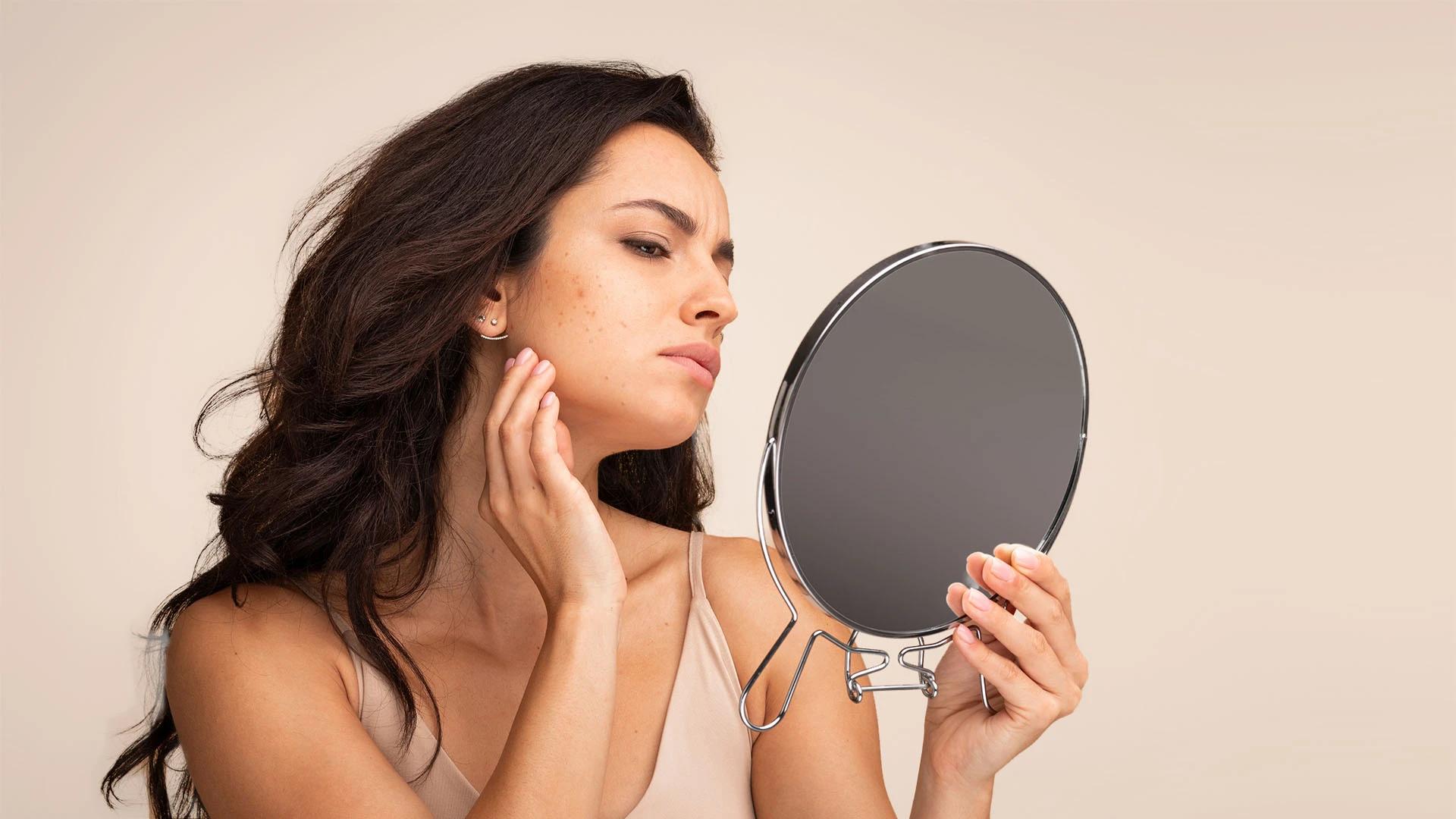

You've been staring at those stubborn dark patches on your cheeks for months now, wondering if they'll ever fade. Whether it's post-acne marks that refuse to budge, melasma that appeared during pregnancy, or sun spots that seem to multiply each summer, dealing with uneven skin tone can feel overwhelming. The good news? There are proven pigmentation correction methods that actually work—you just need to know which approach suits your specific skin concerns and how long to stick with it.
Before diving into treatments, it's worth understanding what's actually happening beneath your skin's surface. Hyperpigmentation occurs when melanocytes (your pigment-producing cells) go into overdrive, creating those frustrating patches of skin discoloration that seem impossible to shift.
The triggers vary widely, but the most common culprits include prolonged sun exposure, hormonal fluctuations (hello, pregnancy and birth control), inflammatory skin conditions like acne, and even certain medications. Your skin essentially creates extra melanin as a protective response, but sometimes it doesn't know when to stop.
Sun damage remains the leading cause of pigmentation issues. Those seemingly harmless beach days from your twenties often show up as age spots in your thirties. Hormonal changes during pregnancy, menopause, or whilst taking contraceptives can trigger melasma—those symmetrical brown patches that typically appear on the forehead, cheeks, and upper lip.
Post-inflammatory hyperpigmentation (PIH) is particularly common after acne breakouts, especially if you've been picking at spots (we've all been there). Even minor skin injuries like cuts or insect bites can leave behind dark marks that linger for months.
Age spots and sun spots typically appear as small, flat brown patches on areas that see the most sun exposure—face, hands, shoulders, and arms. Melasma presents as larger, irregular patches with defined borders, often called the "pregnancy mask" though it affects people regardless of pregnancy status.
Post-acne marks can range from red or purple (post-inflammatory erythema) to brown or black (post-inflammatory hyperpigmentation), depending on your skin tone and the severity of the original breakout.
When at-home treatments aren't cutting it, professional interventions can provide faster, more dramatic results. The key is finding a qualified dermatologist or aesthetician who understands how different treatments work with various skin tones—this is crucial, as some procedures can actually worsen pigmentation in darker skin if not performed correctly.
Pico laser technology has revolutionised dark spots removal by delivering ultra-short pulses that shatter pigment particles without damaging surrounding tissue. This makes it particularly suitable for darker skin tones, where traditional lasers might cause additional pigmentation issues.
Q-switched lasers target specific pigment colours and work brilliantly for age spots and sun damage. IPL (Intense Pulsed Light) uses broad-spectrum light to treat multiple pigmentation issues simultaneously, though it's generally better suited to lighter skin tones.
Superficial peels using glycolic acid or lactic acid gently remove the top layer of pigmented skin cells. These are excellent for maintaining results and can be done regularly with minimal downtime. Medium-depth peels with trichloroacetic acid (TCA) penetrate deeper for more stubborn pigmentation but require proper healing time.
The beauty of chemical peels lies in their versatility—your practitioner can adjust the strength and type based on your specific pigmentation pattern and skin sensitivity.
Prescription-strength hydroquinone (4%) remains the gold standard for melasma treatment and stubborn dark spots. It works by inhibiting tyrosinase, the enzyme responsible for melanin production. Tretinoin combinations accelerate cell turnover whilst preventing new pigmentation from forming.
Professional treatments deliver faster results, but consistent at-home care forms the foundation of any successful pigmentation correction routine. The trick is choosing ingredients that work synergistically without irritating your skin—patience and consistency trump aggressive approaches every time.
Vitamin C serums are brilliant for both treating existing pigmentation and preventing new spots from forming. Look for stable forms like magnesium ascorbyl phosphate or sodium ascorbyl phosphate if you have sensitive skin. Retinol products accelerate cell turnover, gradually fading dark spots whilst improving overall skin texture.
Niacinamide is particularly effective for post-acne marks and works well with other active ingredients without causing irritation. Alpha hydroxy acids (AHAs) like glycolic and lactic acid provide gentle exfoliation that helps pigmented cells shed more quickly.
Whilst natural ingredients work more slowly than clinical treatments, they can provide gentle support for sensitive skin. Aloe vera gel contains aloin, which has mild depigmenting properties and soothes inflammation that can worsen pigmentation.
Licorice root extract contains glabridin, which inhibits tyrosinase activity similarly to hydroquinone but much more gently. Green tea antioxidants help prevent UV-induced pigmentation whilst providing anti-inflammatory benefits.
Your morning routine should focus on protection: gentle cleanser, vitamin C serum, moisturiser, and broad-spectrum SPF 30 or higher. Evening is treatment time: cleanser, retinol or AHA (alternating nights to start), and a nourishing moisturiser.
Weekly treatments might include a gentle enzyme mask or AHA treatment, but avoid over-exfoliating, which can actually stimulate more pigmentation.
Age spot correction requires a targeted approach since these spots are typically deeper and more established than other forms of pigmentation. The good news is they respond well to consistent treatment, though patience is essential.
Spot-specific serums containing higher concentrations of active ingredients can be applied directly to individual spots for more intensive treatment. Microneedling creates controlled micro-injuries that stimulate cell renewal and help topical treatments penetrate more effectively.
Some practitioners offer cryotherapy for isolated age spots, though this requires careful consideration of your skin type and healing capacity.
Daily broad-spectrum SPF is non-negotiable—even on cloudy days, even when you're mostly indoors. UV rays are the primary driver of new age spot formation, so consistent protection is your best defence.
Antioxidant protection through both topical products and a diet rich in vitamins C and E helps neutralise free radicals that contribute to pigmentation. Don't underestimate protective clothing and accessories—wide-brimmed hats and UV-protective sunglasses make a real difference.
Managing expectations is crucial for successful pigmentation treatment. Unlike a spot treatment that works overnight, pigmentation correction is a gradual process that requires consistency and patience. Understanding realistic timelines helps you stick with treatments long enough to see results.
Laser therapy typically requires 4-6 sessions spaced 4-6 weeks apart, with initial results visible after 2-3 treatments. Chemical peels show gradual improvement over 3-6 treatments, with optimal results appearing 2-4 months after completing the series.
Prescription topicals like hydroquinone usually show initial lightening within 6-8 weeks, with significant improvement by 3-6 months of consistent use.
Over-the-counter products require more patience—expect to see subtle changes around 6-8 weeks, with more noticeable improvement by 12-16 weeks. Natural remedies work even more gradually, often requiring 3-4 months of consistent application for visible results.
Remember that maintenance is ongoing—pigmentation can return if you stop treatment and sun protection, so think of this as a long-term skincare commitment rather than a quick fix.
Not all pigmentation correction methods work equally well for everyone. Your skin tone, sensitivity level, and the type of pigmentation you're dealing with all influence which treatments will be most effective and safe for you.
Darker skin tones require extra caution with certain treatments, as aggressive procedures can trigger post-inflammatory hyperpigmentation. Gentle, consistent approaches often work better than intensive treatments.
Sensitive skin benefits from starting with lower concentrations of active ingredients and gradually building tolerance. Combination approaches using multiple gentle ingredients often work better than single high-strength treatments.
Severe pigmentation that covers large areas or doesn't respond to over-the-counter treatments warrants professional evaluation. Hormonal-related discoloration like melasma often requires prescription treatments for effective management.
If you've been consistently using appropriate treatments for 3-4 months without improvement, it's time to seek professional guidance.
The most effective approach typically combines professional treatments with consistent at-home care. Prescription hydroquinone paired with retinoids and proper sun protection provides excellent results for most pigmentation types. However, the "best" method depends on your specific skin concerns, tone, and sensitivity level.
Professional treatments like laser therapy may show initial results within 2-4 weeks, whilst at-home treatments typically require 6-12 weeks for noticeable improvement. Complete pigmentation correction often takes 3-6 months of consistent treatment, depending on the severity and type of discoloration.
Whilst significant improvement is achievable, complete permanent removal depends on the pigmentation type and underlying causes. Sun-induced spots respond better to treatment than hormonal pigmentation like melasma. Ongoing maintenance with sun protection and appropriate skincare is essential for long-term results.
Natural ingredients like vitamin C, licorice root extract, and kojic acid can provide gentle pigmentation improvement over time. However, they typically work more slowly than clinical treatments and may be insufficient for severe pigmentation. They work best as supportive treatments alongside more potent ingredients.
Avoid over-exfoliating, picking at dark spots, and inconsistent sun protection. Don't use multiple strong active ingredients simultaneously without building tolerance gradually. Avoid treatments that aren't suitable for your skin tone, as they may worsen pigmentation rather than improve it.
Correcting pigmentation isn't about finding one miracle product—it's about understanding your skin's specific needs and committing to a consistent, well-planned approach. Whether you choose professional treatments, at-home care, or a combination of both, patience and sun protection remain your most powerful tools.
The journey to more even skin tone takes time, but with the right pigmentation correction methods and realistic expectations, significant improvement is absolutely achievable. Remember that healthy, glowing skin is worth the investment in both time and quality products that support your skin's natural renewal process.
