How to Control Blemishes for Clear Skin: Expert Tips


Target & Fade Duo for Hyperpigmentation | Even-Tone Underarms, Inner Thighs & Bum | Refines Skin Texture | For All Skin Types
You've tried everything from spot treatments to expensive serums, yet those stubborn blemishes keep appearing just when you need clear skin the most. Whether it's a breakout before an important meeting or persistent marks that refuse to fade, dealing with facial blemishes can feel like an endless cycle of frustration. The good news? Understanding how to control blemishes effectively isn't about finding a miracle cure—it's about building the right approach with proven ingredients and consistent habits that actually work for your skin.
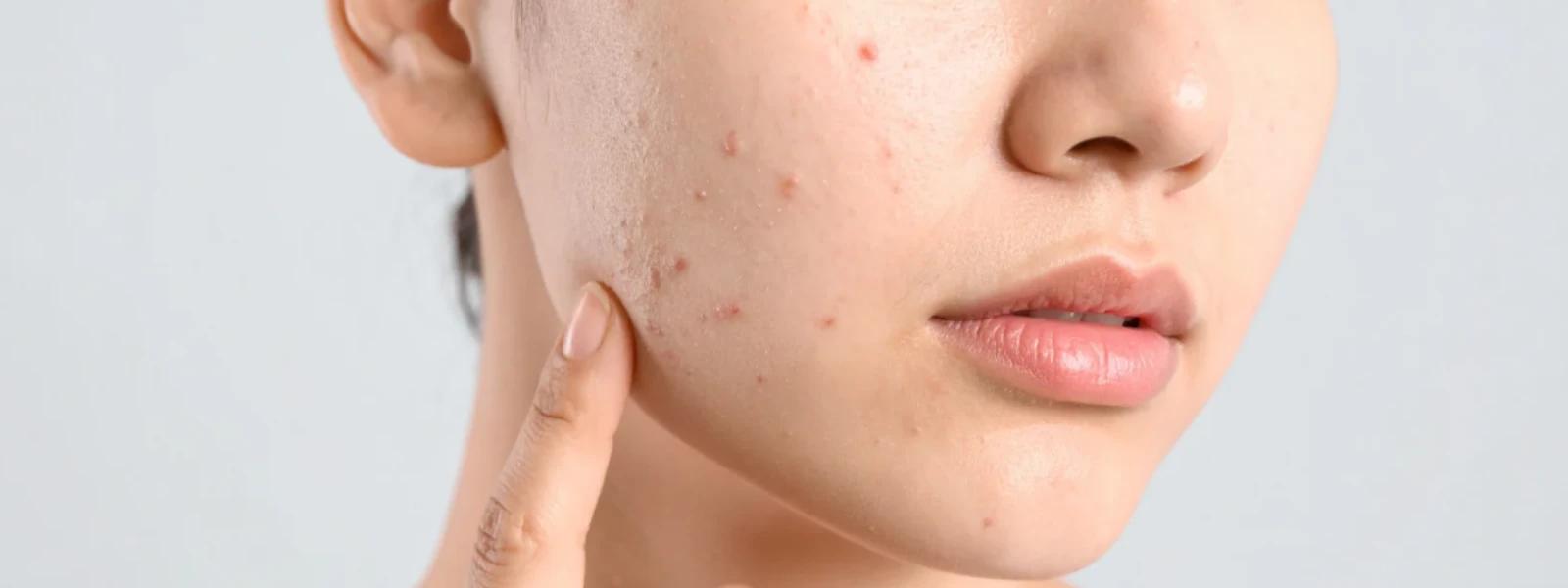
Before diving into blemish treatment options, it's crucial to identify what type of skin imperfections you're dealing with. Not all blemishes are created equal, and what works for one type might worsen another. This understanding forms the foundation of effective blemish control.
Active acne includes current breakouts—those red, inflamed spots that are still developing. Post-inflammatory hyperpigmentation (PIH), on the other hand, refers to the dark marks left behind after acne heals. Many people mistake PIH for active acne and treat it incorrectly, which can actually make the discolouration worse.
Blackheads are open comedones filled with oxidised oil and dead skin cells. Whiteheads are closed comedones that appear as small, flesh-coloured bumps. Cystic acne forms deep under the skin and feels like painful, hard lumps. Each type requires a different approach for effective spot reduction.
Blemishes typically result from a combination of excess oil production, clogged pores, bacteria, and inflammation. Hormonal fluctuations, stress, diet, and using the wrong skincare products can all trigger breakouts. Understanding your specific triggers helps in developing a targeted prevention strategy.
The most effective acne solutions rely on scientifically-proven active ingredients that target the root causes of blemish formation. These ingredients work by unclogging pores, reducing inflammation, and preventing new breakouts from forming.
Salicylic acid is a beta hydroxy acid that penetrates deep into pores to dissolve oil and dead skin cells. It's particularly effective for blackheads and whiteheads because it can cut through oil. Start with 0.5-2% concentrations and use it once daily to avoid irritation.
Benzoyl peroxide kills acne-causing bacteria and helps prevent new breakouts. It's especially effective for inflammatory acne but can be drying, so start with 2.5% concentrations. This ingredient provides excellent pimple control when used consistently.
Niacinamide (vitamin B3) combined with zinc helps regulate oil production and reduce inflammation. This combination is gentler than other actives and works well for sensitive skin. It also helps improve overall skin clarity by minimising pore appearance.
Glycolic acid and lactic acid help remove dead skin cells from the surface, preventing pore blockages. They're particularly useful for improving skin texture and helping with blemish removal by promoting cell turnover.

Mineral Sunscreen SPF 50 | Matte Finish | No White Cast | Non-Nano Zinc Oxide | Cica | Pregnancy Safe | All Skin Types | 50ml
While active ingredients are highly effective, natural remedies can complement your routine and provide gentle support for blemish-prone skin. These beauty tips for blemishes focus on ingredients that many people already have at home.
Tea tree oil has natural antibacterial properties that can help reduce acne-causing bacteria. Always dilute it to 5-10% concentration with a carrier oil like jojoba. Apply as a spot treatment rather than all over the face to avoid irritation.
Pure aloe vera gel soothes inflamed skin and provides hydration without clogging pores. It's particularly helpful for calming irritated skin after using stronger active ingredients. Look for 99% pure aloe vera gel for best results.
Bentonite clay and kaolin clay help absorb excess oil and draw impurities from pores. Use clay masks 1-2 times per week, focusing on oily areas like the T-zone. Always follow with a hydrating moisturiser to prevent over-drying.
Physical exfoliation with a soft cloth or gentle scrub can help remove dead skin cells, but chemical exfoliation with AHAs or BHAs is generally more effective and less irritating for achieving clear skin.
Consistency is key when learning how to control blemishes effectively. A well-structured routine that you can maintain long-term will always outperform sporadic use of expensive treatments.
Start with a gentle cleanser that removes overnight oil buildup without stripping the skin. Follow with a lightweight, non-comedogenic moisturiser and always finish with SPF 30 or higher. Sun protection is crucial for preventing PIH from darkening.
Evening is the time for active treatments. After cleansing, apply your chosen active ingredient (salicylic acid, benzoyl peroxide, or niacinamide) and follow with a hydrating moisturiser. Introduce actives gradually to build tolerance.
Choose products labelled non-comedogenic, which means they won't clog pores. Avoid heavy oils like coconut oil on the face, and be cautious with products containing isopropyl myristate or acetylated lanolin alcohols.
Most blemish treatments require 4-8 weeks of consistent use before showing significant results. Your skin may initially purge (temporary worsening) when starting new actives, which is normal and usually resolves within 2-4 weeks.

Salicylic Acid Face Cleanser | Deep Cleansing Formula for Breakouts | Unclogs Pores & Controls Oil | For Oily & Acne-Prone Skin | 100ml
While true blemish removal takes time, certain techniques can help speed up the process and provide faster relief for urgent situations.
High-concentration spot treatments with salicylic acid (2%) or benzoyl peroxide (5-10%) can help reduce the size and redness of individual blemishes overnight. Apply directly to the spot before bed.
At-home chemical peels with higher concentrations of AHAs or BHAs can provide faster results than daily-use products. Start with lower concentrations and gradually increase as your skin builds tolerance.
Prescription retinoids like tretinoin are among the most effective treatments for both active acne and PIH. They work by increasing cell turnover and preventing pore blockages, but require dermatologist supervision.
For immediate relief, apply ice wrapped in a cloth for 5-10 minutes to reduce inflammation. Hydrocolloid patches can also help draw out pus from whiteheads overnight while protecting the area from picking.
Understanding what not to do is just as important as knowing the right techniques. These common mistakes can actually make blemishes worse and lead to scarring or prolonged healing times.
Picking at blemishes pushes bacteria deeper into the skin and can cause permanent scarring or PIH. The temporary satisfaction isn't worth the long-term damage. Keep your hands busy with a stress ball or fidget toy if you're a habitual picker.
Washing your face more than twice daily or using harsh scrubs can strip the skin's natural barrier, leading to increased oil production and irritation. Stick to gentle cleansing twice daily with lukewarm water.
UV exposure can darken PIH and make it last longer. Always wear broad-spectrum SPF, even on cloudy days. This is especially important when using active ingredients that can increase photosensitivity.
Using too many products at once or layering incompatible ingredients can clog pores and cause irritation. Introduce new products one at a time and avoid mixing acids with retinoids or vitamin C.

Hydrating Moisturizer | Non-Comedogenic | Boosts Collagen & Hydrates Deeply | Ceramides + Niacinamide | For Normal to Dry Skin | 50g
While many blemishes respond well to over-the-counter treatments, certain situations require professional intervention for the best outcomes and to prevent long-term skin damage.
If you're experiencing deep, painful cysts, widespread breakouts, or acne that's affecting your emotional wellbeing, it's time to see a dermatologist. Cystic acne often requires prescription treatments to prevent scarring.
If you've been consistent with a proper routine for 8-12 weeks without improvement, professional evaluation can help identify underlying causes or recommend stronger treatments.
Dermatologists can perform professional extractions safely, prescribe stronger retinoids or antibiotics, and recommend in-office treatments like chemical peels or laser therapy for stubborn cases.
Early intervention is key to preventing permanent scarring. If you notice deep, pitted scars forming or persistent dark marks that don't fade after several months, professional treatment can help minimise long-term damage.
Use targeted spot treatments with 2% salicylic acid or benzoyl peroxide, apply ice to reduce inflammation, and maintain a consistent skincare routine. Hydrocolloid patches can also help draw out pus from whiteheads overnight. Remember that true improvement takes 4-8 weeks of consistent treatment.
Cleanse twice daily with non-comedogenic products, avoid touching your face, use oil-free moisturisers, and maintain a consistent treatment routine with proven actives like niacinamide or salicylic acid. Also, change pillowcases regularly and clean your phone screen daily.
Combine active ingredients like niacinamide and salicylic acid, protect from sun exposure with daily SPF, and allow 4-8 weeks for over-the-counter treatments to show results. Consistency is more important than using multiple expensive products.
Use diluted tea tree oil as spot treatments, apply pure aloe vera gel daily, try clay masks 2-3 times weekly, and maintain a gentle cleansing routine. Natural methods work best when combined with proven active ingredients rather than used alone.
Learning how to control blemishes effectively is a journey that requires patience, consistency, and the right approach for your specific skin type. The key is understanding that clear skin isn't achieved overnight—it's the result of consistent daily habits and using proven ingredients that target the root causes of blemish formation.
Whether you're dealing with occasional breakouts or persistent acne, the combination of gentle cleansing, targeted active ingredients, and proper sun protection forms the foundation of any successful blemish treatment routine. Remember that your skin's needs may change with seasons, stress levels, and hormonal fluctuations, so be prepared to adjust your approach accordingly.
For those exploring new skincare solutions, platforms like Smytten Shop offer the opportunity to try products from premium brands before committing to full sizes. With over 28 million users discovering their perfect skincare matches, you can explore curated selections of acne solutions and find what works best for your unique skin concerns. The journey to clearer skin is personal, but you don't have to navigate it alone—armed with the right knowledge and products, achieving the skin clarity you desire is absolutely within reach.
