How to Clear Acne Marks: A Guide to Scar Removal


Dark Spot Reduction Set | 3-Step Routine for Hyperpigmentation & Even Skin Tone | Cleanser, Serum & Moisturizer | Skin Care Routine Kit
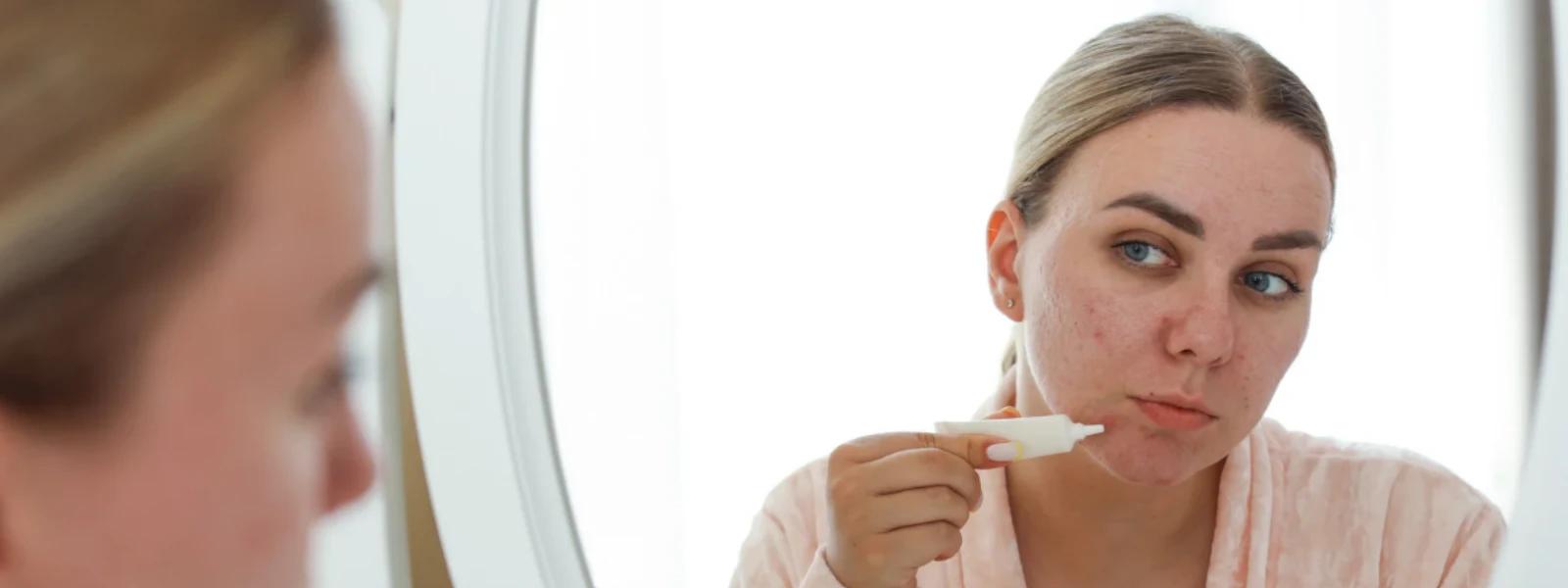
You've finally cleared your acne, but now you're left staring at dark spots and marks that seem determined to overstay their welcome. Those stubborn reminders of past breakouts can feel just as frustrating as the original blemishes—especially when you're doing everything right with your skincare routine. If you're wondering how to clear acne marks and restore your skin's natural glow, you're not alone. The good news? With the right approach and a bit of patience, these marks can fade significantly, leaving you with the clear, even-toned skin you've been working towards.
Before diving into treatment options, it's crucial to understand what you're actually dealing with. Many people use "acne marks" and "acne scars" interchangeably, but they're quite different conditions that require different approaches.
Acne marks, technically called post-inflammatory hyperpigmentation (PIH) or post-inflammatory erythema (PIE), are flat discolourations left behind after a blemish heals. These appear as dark brown, black, or red spots that sit flush with your skin's surface. They're essentially your skin's response to inflammation—think of them as temporary tattoos that your skin gives itself during the healing process.
Acne scars, on the other hand, involve actual changes to your skin's texture. These create depressions (atrophic scars) or raised areas (hypertrophic scars) where the skin's structure has been permanently altered. Ice pick scars create deep, narrow indentations, whilst boxcar scars form wider, rectangular depressions.
The distinction matters because acne marks will eventually fade on their own (though it can take months to years), whilst true scars are permanent without intervention. Most people dealing with "acne scars" are actually experiencing skin discoloration from marks, which is much more treatable with consistent care.
Different types of acne marks require tailored approaches for effective acne mark treatment. Understanding your specific type helps you choose the most effective path forward.
PIH appears as dark brown or black spots, particularly common on deeper skin tones. These marks develop when inflammation triggers excess melanin production. Niacinamide, vitamin C, and gentle exfoliating acids work brilliantly for PIH. The key is consistency rather than intensity—harsh treatments can actually worsen hyperpigmentation on melanin-rich skin.
PIE shows up as red or pink marks, more common on lighter skin tones. These are actually dilated capillaries beneath the skin's surface. Ingredients like azelaic acid and gentle retinoids help normalise blood vessel function, whilst laser treatments can be particularly effective for stubborn PIE.
True atrophic scars require more intensive intervention. Ice pick scars respond well to TCA cross treatments, whilst rolling scars benefit from subcision or dermal fillers. Professional skin resurfacing treatments often provide the most dramatic improvements for textural concerns.

Advanced Spot Targeting Gel | Fast-Acting Discolouration Care | Targets Stubborn Marks | Spicules + Biomimetic Peptides + Arbutin | 15g
When at-home treatments aren't delivering the results you're after, professional interventions can significantly accelerate your journey to clearer skin. These treatments work by either removing damaged skin layers or stimulating your skin's natural healing processes.
Chemical peels use controlled acids to remove damaged skin layers, revealing fresher skin beneath. Superficial peels with glycolic or lactic acid work well for mild discolouration, whilst deeper TCA peels can address more stubborn marks. Most people see gradual improvement over 4-6 sessions spaced several weeks apart.
Professional microneedling creates controlled micro-injuries that trigger collagen production. This process helps fade marks whilst improving overall skin texture. The treatment works particularly well for both PIH and shallow textural scarring, with results becoming apparent after 3-4 sessions.
Different lasers target different concerns. IPL (Intense Pulsed Light) works brilliantly for red marks and general discolouration, whilst fractional CO2 lasers address deeper textural issues. Q-switched lasers specifically target pigmentation, making them excellent for stubborn dark spots.
For severe scarring, treatments like subcision (breaking up scar tissue beneath the skin) or dermal fillers can create dramatic improvements. These procedures require experienced practitioners but can address concerns that topical treatments simply cannot reach.
Whilst professional treatments offer faster results, consistent at-home care can create significant improvements over time. The key is choosing ingredients that work synergistically without overwhelming your skin.
Vitamin C serums work as antioxidants whilst inhibiting melanin production, making them excellent for preventing new marks whilst fading existing ones. Look for stable forms like magnesium ascorbyl phosphate or sodium ascorbyl phosphate if you have sensitive skin.
Retinoids accelerate cell turnover, helping marked skin shed faster whilst stimulating collagen production. Start with gentle retinol products and gradually work up to stronger formulations. Your skin will notice the difference in texture and tone within 6-8 weeks of consistent use.
Niacinamide reduces inflammation whilst regulating melanin transfer, making it particularly effective for preventing new marks during active breakouts. It's gentle enough for daily use and plays well with other active ingredients.

Rapid Dark Spot Correction Set | Reduces Dark Spots & Post-Acne Marks | Cleanser, Gel, Moisturizer & Sunscreen Kit
Alpha hydroxy acids (AHAs) like glycolic and lactic acid work on the skin's surface, whilst beta hydroxy acids (BHAs) like salicylic acid penetrate deeper into pores. Alternating between these can address both surface discolouration and prevent new breakouts that lead to marking.
Layer your actives thoughtfully—vitamin C in the morning under SPF, retinoids at night, and exfoliating acids 2-3 times weekly. Always follow with a good moisturiser to support your skin barrier during the healing process.
The timeline for acne scar removal varies dramatically based on several factors, and setting realistic expectations helps maintain motivation during your skin journey.
PIH typically fades within 6-12 months with consistent treatment, though deeper pigmentation can take up to 2 years. PIE often resolves faster, usually within 3-6 months of targeted care. True textural scarring requires more time and intensive treatment—expect 6 months to several years for significant improvement.
Several factors influence healing speed. Deeper skin tones may experience slower PIH fading due to higher melanin content, whilst lighter skin often sees faster results with pigmentation but may struggle more with persistent redness. Your age affects collagen production and cell turnover, with younger skin generally healing faster.
Consistency trumps intensity every time. Daily gentle care with appropriate actives will outperform sporadic aggressive treatments that irritate your skin and potentially worsen marking. Track your progress with monthly photos rather than daily mirror scrutiny—the gradual changes become much more apparent over time.
The most effective acne mark treatment is prevention. By addressing breakouts properly and protecting your skin during the healing process, you can minimise the likelihood of lasting discolouration.
Treat active acne promptly and gently. Harsh scrubbing or picking at blemishes increases inflammation and the likelihood of marking. Instead, use targeted spot treatments with salicylic acid or benzoyl peroxide to address breakouts without traumatising surrounding skin.
Sun protection becomes absolutely crucial during and after breakouts. UV exposure can darken healing marks and make them more persistent. Apply broad-spectrum SPF daily, even when staying indoors, as window glass doesn't block all harmful rays.
Incorporate anti-inflammatory ingredients like niacinamide and azelaic acid into your routine during active breakouts. These help calm inflammation whilst treating the blemish, reducing the intensity of any resulting marks.

Anti-Acne Set | Targets Acne, Breakouts & Clogged Pores | Lightweight, Non-Greasy Routine | Ideal for Oily & Acne-Prone Skin
Yes, most acne marks will fade naturally over time as your skin renews itself. However, this process can take 6 months to 2 years without intervention. Using targeted treatments can significantly speed up the fading process and prevent marks from becoming more entrenched.
Professional treatments like chemical peels, microneedling, or laser therapy typically provide the fastest results. However, combining professional treatments with consistent at-home care using vitamin C, retinoids, and gentle exfoliation creates the most comprehensive approach to blemish removal.
Absolutely. Using anti-inflammatory ingredients, avoiding picking or squeezing, applying SPF daily, and treating breakouts gently can significantly reduce the likelihood of marking. Prevention is always easier than correction.
Not necessarily. Many effective ingredients for treating hyperpigmentation treatment are available in budget-friendly formulations. Consistency and proper application matter more than price point, though professional treatments can offer faster results for severe cases.
Run your finger over the area—if it feels smooth but appears discoloured, you're dealing with marks (PIH or PIE). If you feel texture changes like depressions or raised areas, those are true scars requiring different treatment approaches.
Avoid harsh physical scrubs, high concentrations of acids used too frequently, and ingredients that increase photosensitivity without proper sun protection. Also, be cautious with hydroquinone on darker skin tones, as it can sometimes cause paradoxical darkening.
Learning how to clear acne marks requires patience, consistency, and the right approach for your specific skin type and concerns. Whether you're dealing with post-inflammatory hyperpigmentation, red marks, or textural scarring, there are effective solutions available at every budget level.
Remember that your skin journey is unique—what works brilliantly for your friend might need adjustment for your skin type and lifestyle. Start with gentle, proven ingredients and build your routine gradually. For those exploring new products and treatments, platforms like Smytten Shop offer the opportunity to try premium skincare brands through samples before committing to full sizes, helping you discover what truly works for your skin without the guesswork.
Your skin will notice consistent, gentle care far more than sporadic intensive treatments. Focus on supporting your skin's natural healing processes whilst protecting against further damage, and those stubborn marks will gradually fade into memory. The clear, even-toned skin you're working towards is absolutely achievable with the right approach and realistic expectations.
