How to Choose: Home Remedies vs Clinical Treatments for Underarm Shaving


Target & Fade Duo for Hyperpigmentation | Even-Tone Underarms, Inner Thighs & Bum | Refines Skin Texture | For All Skin Types
You've just finished shaving your underarms, and there it is again—that familiar sting of razor burn or the telltale bumps of ingrown hairs. Sound familiar? You're not alone in wondering whether those DIY remedies your grandmother swore by actually work better than splashing out on clinical treatments. The truth is, both home remedies and clinical treatments have their place in underarm care, but knowing which path suits your skin, lifestyle, and budget makes all the difference. Let's dive into what really works and help you make the right choice for your sensitive skin.
When it comes to underarm shaving, you've essentially got two camps: the natural, at-home approach and the professional, clinical route. Home remedies typically involve ingredients you can find in your kitchen or local pharmacy—think aloe vera, turmeric, honey, and sugar scrubs. These methods focus on gentle, gradual improvement using natural ingredients that have been trusted for generations.
Clinical treatments, on the other hand, involve professional procedures like laser hair removal, electrolysis, or prescription-strength products recommended by dermatologists. These approaches often promise faster, more dramatic results but come with higher upfront costs and potential side effects that require professional monitoring.
The underarm area presents unique challenges that make this choice particularly important. The skin here is naturally thinner and more sensitive than other parts of your body, making it prone to razor burn, ingrown hairs, and darkening. Add to that the constant friction from clothing and the area's tendency to trap moisture, and you've got a recipe for irritation if you choose the wrong approach.
Natural beauty tips for underarm care have stood the test of time for good reason—they're gentle, accessible, and often surprisingly effective. The key lies in understanding which remedies actually work and how to use them properly.
Proper preparation is half the battle when it comes to preventing shaving irritation. Start with the three-minute warm water rule: hold a warm, damp cloth against your underarms for at least three minutes before shaving. This softens the hair and opens the pores, making removal easier and less traumatic for your skin.
Natural exfoliation works wonders for preventing ingrown hairs. Mix equal parts sugar and olive oil for a gentle scrub, or combine ground oatmeal with honey for sensitive skin. Use these scrubs 24 hours before shaving, not on the same day, to avoid over-irritating the area.
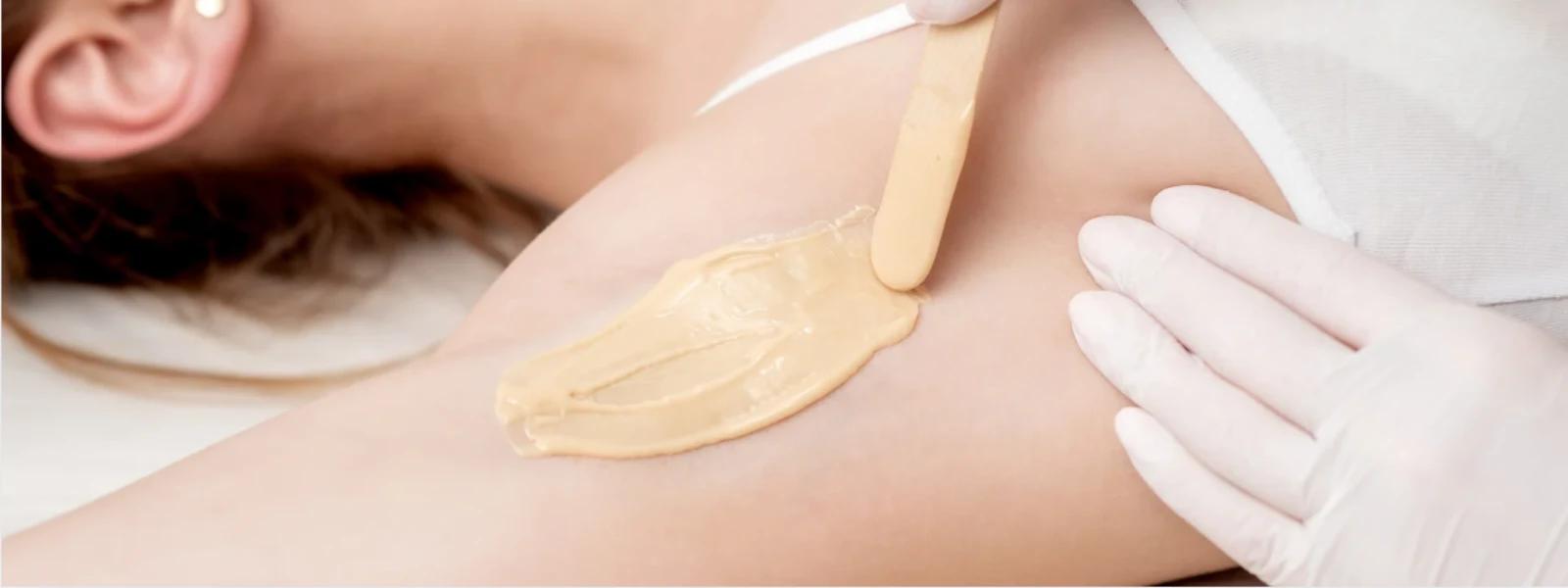
When you're out of shaving cream, don't reach for soap—it's too harsh. Instead, try pure aloe vera gel as a natural lubricant. It provides slip for the razor whilst soothing the skin simultaneously. For those interested in longer-lasting results, a homemade sugar wax using two parts sugar, one part honey, and a squeeze of lemon juice can remove hair from the root.
Turmeric paste, made with turmeric powder and milk, has been used traditionally to slow hair regrowth when applied regularly. Whilst results vary, many find it helps reduce hair thickness over time. Always patch test first, as turmeric can temporarily stain fair skin.
Fresh aloe vera gel straight from the plant provides immediate cooling relief for razor burn. If you don't have a plant, look for 99% pure aloe gel without added fragrances. Coconut oil, despite concerns about pore-clogging, actually works well for underarm moisturising due to its antimicrobial properties and the area's low sebaceous gland density.
Professional treatments offer precision and often permanent results that home remedies simply can't match. Understanding your options helps you weigh the investment against the benefits.

Mineral Sunscreen SPF 50 | Matte Finish | No White Cast | Non-Nano Zinc Oxide | Cica | Pregnancy Safe | All Skin Types | 50ml
Laser hair removal remains the gold standard for permanent underarm hair reduction. Most people need 6-8 sessions spaced 4-6 weeks apart, with results lasting years or permanently. The treatment works best on dark, coarse hair and lighter skin tones, though newer technologies accommodate a broader range of skin types.
Electrolysis offers true permanent hair removal for all hair and skin types by destroying individual hair follicles with electrical current. It's more time-consuming than laser treatment but works on blonde, grey, and red hairs that lasers can't target effectively.
Dermatologist-recommended products often contain ingredients like glycolic acid or salicylic acid to prevent ingrown hairs and reduce inflammation. These are more potent than over-the-counter options and require proper guidance for safe use.
Professional-grade razors with multiple blades and moisture strips can significantly reduce irritation compared to basic disposables. Brands like Gillette Venus or Schick Hydro offer clinical-level engineering for at-home use.
The effectiveness debate isn't straightforward—it depends entirely on what you're trying to achieve and how you define success.
Home remedies typically provide temporary solutions. Shaving lasts 1-3 days, homemade waxes might give you 2-4 weeks, and natural hair growth inhibitors like turmeric show subtle effects over months of consistent use. Clinical treatments offer more dramatic longevity: professional waxing lasts 4-6 weeks, whilst laser treatments can provide permanent reduction after a full course.
However, 'temporary' isn't necessarily inferior if you prefer the flexibility to change your mind or if you're not ready for the commitment and cost of permanent treatments.
Home remedies generally carry lower risks but aren't risk-free. Natural doesn't always mean safe—lemon juice can cause photosensitivity, and some people develop allergic reactions to seemingly harmless ingredients like honey or oats.
Clinical treatments have well-documented side effect profiles. Laser hair removal can cause temporary redness, swelling, and in rare cases, changes in skin pigmentation. The key advantage is professional monitoring and immediate intervention if complications arise.
Home remedies win on upfront costs—most ingredients cost under ₹500 and last for multiple treatments. However, the time investment and ongoing need for supplies add up. A complete laser hair removal course might cost ₹15,000-₹30,000 but eliminates the need for ongoing hair removal expenses.
Consider the hidden costs: time spent on daily shaving, replacement razors, shaving products, and treating complications like ingrown hairs or darkening.
Your skin type and daily routine should heavily influence your choice between home remedies and clinical treatments.

Salicylic Acid Face Cleanser | Deep Cleansing Formula for Breakouts | Unclogs Pores & Controls Oil | For Oily & Acne-Prone Skin | 100ml
If you have sensitive skin that reacts to everything, start with the gentlest home remedies. Pure aloe vera, oatmeal-based treatments, and careful shaving technique with high-quality tools often work better than jumping straight to clinical interventions.
However, if home methods consistently cause problems, professional treatments might actually be gentler in the long run. Laser hair removal, for instance, eliminates the daily trauma of shaving for sensitive skin.
Consider your schedule realistically. Home remedies require consistent application and patience—turmeric treatments need months to show effects, and natural exfoliation requires regular maintenance. If you're time-poor, the upfront investment in clinical treatments might save you hours weekly.
Travel frequently? Home remedies travel better than appointment-based clinical treatments, but permanent hair removal means less packing and worry about maintaining your routine whilst away.
Many people find success combining methods. You might use laser hair removal for permanent reduction whilst employing natural soothing remedies for post-treatment care. Or start with home remedies to understand your skin's needs before investing in clinical treatments.
Seasonal approaches work well too—natural methods during cooler months when you're covered up, switching to clinical treatments before summer when you want longer-lasting results.
Regardless of your chosen method, knowing how to handle common issues ensures better outcomes and healthier skin.
For immediate relief from razor burn, apply a cold compress for 10-15 minutes, followed by pure aloe vera gel. Avoid deodorants or antiperspirants until the irritation subsides—they'll only make things worse.
If home treatments aren't helping within 48 hours, or if you develop signs of infection like increased redness, warmth, or pus, seek professional help. Sometimes what looks like simple razor burn is actually folliculitis requiring medical treatment.
Ingrown hairs respond well to gentle exfoliation with a soft brush or washcloth, but resist the urge to pick or squeeze. Natural remedies like tea tree oil diluted in carrier oil can help reduce inflammation.
Persistent or infected ingrown hairs need professional attention. If you notice swollen lymph nodes in your armpit area along with ingrown hairs, see a healthcare provider promptly—this could indicate a more serious infection.

Hydrating Moisturizer | Non-Comedogenic | Boosts Collagen & Hydrates Deeply | Ceramides + Niacinamide | For Normal to Dry Skin | 50g
Natural lightening remedies like lemon juice, baking soda pastes, or potato slices show mixed results and can sometimes worsen darkening through irritation. The most effective approach is preventing darkening by using proper shaving technique and avoiding harsh deodorants.
For significant darkening, dermatologist-prescribed treatments containing hydroquinone, tretinoin, or kojic acid work more reliably than home remedies.
Alternatives include professional waxing, laser hair removal, electrolysis, or depilatory creams designed for sensitive areas. Natural hair removal methods like sugar waxing or threading also work well for some people.
No natural method provides truly permanent hair removal. Turmeric paste, papaya-turmeric masks, and regular sugar waxing may reduce hair growth over time, but results vary significantly and require months of consistent use.
Use a sharp, clean razor, shave in the direction of hair growth, avoid aggressive scrubbing, moisturise immediately after shaving, and choose alcohol-free deodorants. Exfoliate gently 24 hours before shaving, not on the same day.
Yes, infected ingrown hairs can cause nearby lymph nodes to swell as your immune system responds to the infection. If you notice swollen, tender lymph nodes along with ingrown hairs, see a healthcare provider promptly.
Consider clinical treatments if home remedies consistently cause irritation, you want permanent results, you have very coarse or resistant hair, or you've developed complications like chronic ingrown hairs or significant darkening.
The choice between home remedies vs clinical treatments for shaving underarms isn't about finding the 'right' answer—it's about finding what works for your skin, lifestyle, and goals. Home remedies offer gentle, affordable solutions that work beautifully for many people, whilst clinical treatments provide efficiency and permanence that can be life-changing for others.
Remember that your needs might change over time. What works in your twenties might not suit your skin in your thirties, and that's perfectly normal. The key is staying informed about your options and listening to your skin's responses.
Whether you choose the natural path, the clinical route, or a combination of both, platforms like Smytten make it easier to discover and try different beauty products before committing to full sizes. With access to samples from premium brands and a community of over 28 million users sharing real experiences, you can make more informed decisions about your armpit care routine without the guesswork.
Your skin deserves care that feels right for you—trust the process, be patient with results, and don't hesitate to seek professional guidance when home solutions aren't enough.
