How to Brighten Skin FAQ: Your Guide to Radiant Skin


Target & Fade Duo for Hyperpigmentation | Even-Tone Underarms, Inner Thighs & Bum | Refines Skin Texture | For All Skin Types
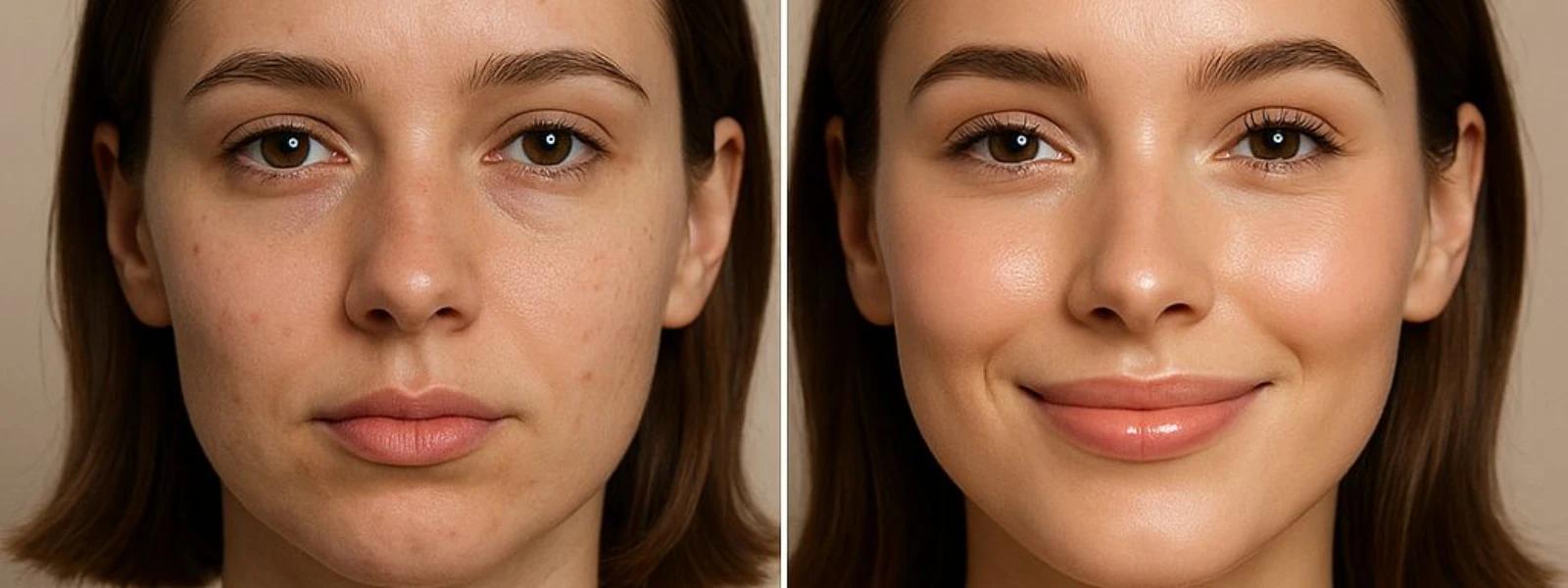
Ever looked in the mirror and wondered where your natural glow went? That moment when your skin looks tired, uneven, or just... flat? You're not alone. Between pollution, stress, hormonal changes, and the natural slowing of cell turnover as we age, our skin can lose its radiance faster than we'd like. The good news? Skin brightening isn't about changing your natural skin tone—it's about revealing the healthy, glowing complexion that's been hiding underneath.
Let's clear something up first: skin brightening and skin lightening are completely different. Brightening focuses on improving your skin's natural radiance, evening out tone, and reducing dullness. It's about working with your skin, not against it.
So what makes skin look dull in the first place? Dead skin cells are the main culprit. When they build up on the surface, they create a barrier that prevents light from reflecting properly—think of it like dust on a mirror. Sun damage adds another layer of complexity, creating hyperpigmentation and dark spots that make your complexion appear uneven.
Environmental factors play a huge role too. Air pollution, blue light from screens, and even air conditioning can dehydrate your skin and contribute to that lacklustre appearance. As we age, our skin's natural renewal cycle slows down from about 28 days in our twenties to 40+ days in our thirties and beyond.
Here's what you need to know about realistic expectations: visible improvements in skin clarity typically appear within 2-4 weeks of consistent care. The key word here is consistent—sporadic efforts won't give you the radiant skin you're after.
When it comes to brightening skin naturally, certain ingredients have proven track records. These aren't marketing gimmicks—they're backed by solid research and real results.
Vitamin C is probably the most famous brightening ingredient, and for good reason. This antioxidant doesn't just protect against free radical damage—it actively helps fade dark spots and boosts collagen production. Look for stable forms like magnesium ascorbyl phosphate or sodium ascorbyl phosphate if you have sensitive skin.
Niacinamide is the gentle giant of skincare. This form of vitamin B3 works on multiple levels: it helps control oil production, minimises pores, and gradually fades hyperpigmentation. What makes it brilliant is that it plays well with other ingredients and rarely causes irritation.
Kojic acid and glycolic acid work as a dynamic duo. Kojic acid inhibits melanin production (the pigment that causes dark spots), whilst glycolic acid gently exfoliates to reveal brighter skin underneath. Start slowly with these—your skin needs time to adjust.
Glutathione is gaining recognition as an advanced antioxidant that works from within to control melanin production. It's particularly effective for those dealing with stubborn pigmentation.
If you prefer gentler, plant-based options, licorice root extract contains glabridin, which helps inhibit tyrosinase—the enzyme responsible for melanin production. Arbutin, derived from bearberry, works similarly but even more gently.
Azelaic acid, naturally found in grains, is excellent for sensitive skin. It brightens whilst also helping with texture and mild acne. Green tea provides antioxidant protection whilst soothing inflammation that can worsen pigmentation.

Mineral Sunscreen SPF 50 | Matte Finish | No White Cast | Non-Nano Zinc Oxide | Cica | Pregnancy Safe | All Skin Types | 50ml
Creating an effective brightening routine doesn't require a dozen products. It requires the right products used consistently. Think of it as a daily investment in your skin glow.
Start with a gentle cleanser that removes overnight buildup without stripping your skin. Follow with a vitamin C serum—apply it to clean, dry skin and give it a few minutes to absorb before moving to the next step.
Moisturiser isn't just about hydration; well-moisturised skin reflects light better, creating an instant glow effect. Choose one with light-reflecting particles or a subtle luminous finish if you want an extra boost.
SPF 30 or higher is non-negotiable. UV exposure is the fastest way to undo all your brightening efforts. Even on cloudy days, even when you're mostly indoors—make it a habit.
Double cleansing in the evening ensures you're removing all traces of sunscreen, makeup, and daily grime. Start with an oil-based cleanser, then follow with your regular cleanser.
This is when you can introduce stronger actives like retinol or AHA/BHA treatments. Start with 1-2 times per week and gradually increase as your skin builds tolerance.
Finish with a nourishing night moisturiser or facial oil. Your skin does most of its repair work whilst you sleep, so give it the nutrients it needs.
Exfoliation is crucial for brightening skin naturally, but it's easy to overdo it. The goal is to remove dead skin cells that are dulling your complexion, not to scrub your skin raw.
Chemical exfoliation with AHAs (like glycolic or lactic acid) or BHAs (salicylic acid) is generally more effective and gentler than physical scrubs. AHAs work on the surface to brighten and smooth, whilst BHAs penetrate pores to clear congestion.
Start with once or twice weekly applications. If you're new to acids, begin with a lower concentration and work your way up. Your skin should feel smooth and look brighter, not red or irritated.
Post-exfoliation care is crucial. Your skin will be more sensitive to sun exposure, so never skip SPF the day after using acids. Also, avoid combining multiple strong actives on the same night—your skin needs time to process each treatment.

Salicylic Acid Face Cleanser | Deep Cleansing Formula for Breakouts | Unclogs Pores & Controls Oil | For Oily & Acne-Prone Skin | 100ml
Sometimes the most effective brightening treatments are sitting in your kitchen. These DIY options can complement your regular routine, especially when you need a quick boost.
A yogurt and turmeric mask combines lactic acid (for gentle exfoliation) with turmeric's anti-inflammatory properties. Mix 2 tablespoons of plain yogurt with a pinch of turmeric powder. Apply for 10-15 minutes, then rinse with lukewarm water. The lactic acid helps brighten whilst turmeric calms any inflammation.
Lemon and honey can work for spot treatments, but use caution. Mix equal parts fresh lemon juice and raw honey, apply only to dark spots, and never use before sun exposure. Lemon makes your skin photosensitive, so this is strictly an evening treatment.
Rice water has been used for centuries in Asian skincare. Soak rice in water for 30 minutes, strain, and use the water as a gentle toner. It contains vitamins and minerals that can help brighten and soften skin texture.
Always patch test DIY treatments on your inner arm before applying to your face. Natural doesn't always mean gentle, and some people are sensitive to ingredients like citrus or certain essential oils.
Use these treatments 1-2 times per week maximum. Your skin needs time to respond and recover between treatments.
Real talk: you can't cream your way out of poor lifestyle habits. Radiant skin comes from a combination of good skincare and healthy living.
Hydration affects how light reflects off your skin. Dehydrated skin looks flat and dull, whilst well-hydrated skin has a natural plumpness that catches light beautifully. Aim for 8 glasses of water daily, and notice how your skin responds.
Nutrition plays a bigger role than you might think. Antioxidant-rich foods like berries, leafy greens, and nuts help fight the free radical damage that contributes to dullness. Omega-3 fatty acids from fish or flaxseeds support skin barrier function.
Sleep is when your skin repairs itself. Poor sleep disrupts this process, leading to dull, tired-looking skin. Aim for 7-9 hours of quality sleep, and consider a silk pillowcase to reduce friction.
Stress management matters more than you'd expect. Chronic stress increases cortisol, which can worsen inflammation and slow skin renewal. Find what works for you—meditation, exercise, or simply taking time for yourself.

Hydrating Moisturizer | Non-Comedogenic | Boosts Collagen & Hydrates Deeply | Ceramides + Niacinamide | For Normal to Dry Skin | 50g
The most effective natural approach combines gentle exfoliation, antioxidant-rich ingredients like vitamin C, consistent sun protection, and healthy lifestyle habits. Focus on ingredients like niacinamide, vitamin C, and gentle acids. Remember that natural brightening takes time—expect to see results after 4-6 weeks of consistent care.
Whilst there's no overnight miracle, you can see improvements within a week by focusing on hydration and gentle exfoliation. Use a hydrating serum with hyaluronic acid, exfoliate 2-3 times per week with a gentle AHA, and never skip moisturiser. However, avoid harsh scrubs or over-exfoliating—this will only set you back.
For a 7-day glow boost, focus on hydration and circulation. Use a vitamin C serum every morning, exfoliate gently twice during the week, apply a hydrating mask every other day, and drink plenty of water. Facial massage can also boost circulation for an immediate glow effect.
Permanent brightening requires consistent long-term care and prevention. Use SPF daily to prevent new damage, maintain a regular routine with proven ingredients, and address lifestyle factors like sleep and nutrition. Professional treatments like chemical peels can accelerate results, but maintenance is key.
For overnight brightening, try a gentle AHA treatment or a hydrating mask with ingredients like glycolic acid or vitamin C. Apply a nourishing night cream and ensure you get quality sleep. While you won't see dramatic changes overnight, your skin should look more refreshed and glowing in the morning.
Foods rich in antioxidants and vitamins support skin brightness from within. Include berries, citrus fruits, leafy greens, nuts, and fatty fish in your diet. Green tea, tomatoes, and sweet potatoes are also excellent for skin health. Remember, dietary changes take 6-8 weeks to show visible effects on skin.
Achieving radiant skin isn't about following the latest trend or buying the most expensive products. It's about understanding your skin's needs and being consistent with proven ingredients and methods. Whether you're dealing with post-summer pigmentation or just want to restore your natural glow, the key is patience and persistence.
The beauty of skin brightening is that small, consistent efforts compound over time. That vitamin C serum you use every morning, the gentle exfoliation twice a week, the SPF you never skip—these habits create the foundation for genuinely glowing skin.
For those looking to explore new products safely, platforms like Smytten offer the perfect solution. With access to premium skincare brands and the ability to try products through samples before committing to full sizes, you can discover what works for your unique skin without the guesswork. Their curated selection takes the overwhelming choice out of skincare shopping, helping you build an effective brightening routine that actually delivers results.
Remember, your skin is unique, and what works for others might need tweaking for you. Start with the basics, be patient with the process, and celebrate the small improvements along the way. Your most radiant skin is absolutely achievable—it just takes the right approach and a bit of time.
