How to Adjust Your SPF Routine for Indian Seasons
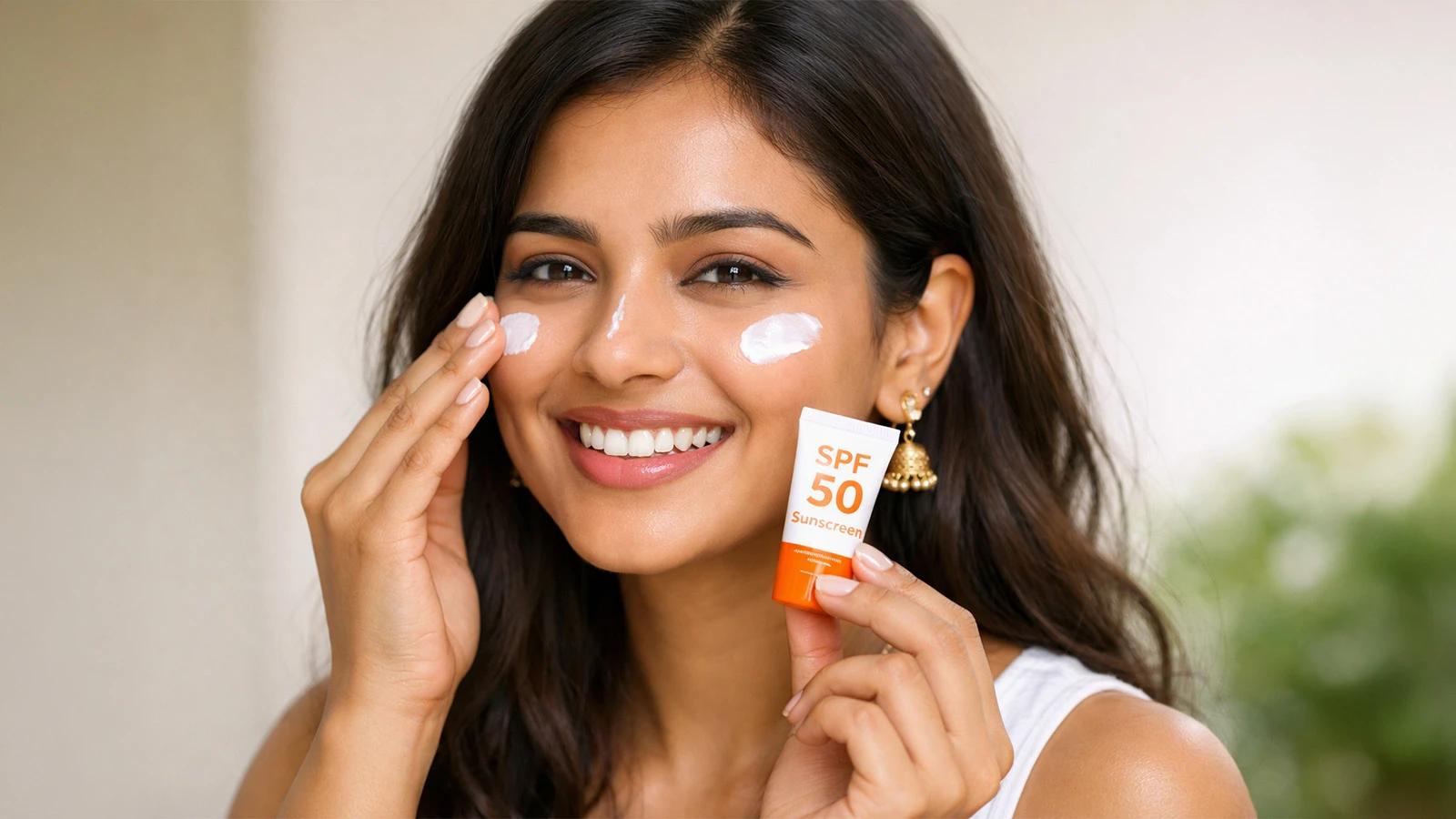


Tinted Sunscreen SPF 50 | Makeup-Friendly | No White Cast | Niacinamide + Titanium Dioxide | For Oily, Combination & Acne-Prone Skin | 40ml
Ever noticed how your trusty SPF that works perfectly in December suddenly feels heavy and greasy come April? Or how that lightweight summer sunscreen leaves your skin feeling parched during the winter months? You're not imagining it. India's dramatic seasonal shifts demand a thoughtful approach to sun protection, and your SPF routine should evolve just as much as your wardrobe does throughout the year.
With UV levels that can soar above 11 during peak summer and humidity that makes even the lightest formulations feel suffocating during monsoons, Indian skin faces unique challenges that a one-size-fits-all sunscreen approach simply can't address. Real talk: adjusting your SPF routine isn't just about comfort—it's about ensuring your skin gets the protection it truly needs, whether you're battling the scorching heat of May or the deceptively mild winter sun of January.
India's position near the equator means we're dealing with intense UV radiation year-round, but the way it affects our skin changes dramatically with each season. Unlike temperate countries where winter brings genuine relief from UV exposure, Indian winters still pack a UV punch that can catch you off guard. The key lies in understanding how seasonal factors like humidity, pollution, and temperature interact with UV rays to impact your skin differently throughout the year.
Most Indian cities experience a UV index between 8-11 throughout the year, which falls into the "very high" to "extreme" category. However, the challenge isn't just about UV intensity—it's about how seasonal conditions affect your sunscreen's performance and your skin's needs. During summer, excessive sweating can wash away your protection within hours. Monsoon humidity can make heavy formulations feel unbearable, leading to skipped applications. Winter's dry air can leave your skin craving moisture that traditional sunscreens don't provide.
Peak summer months (March to June) see UV levels reach their absolute highest, with some regions recording UV index values above 12. This is when UVB rays are most intense, making sunburn and immediate damage more likely. Contrary to popular belief, monsoon clouds don't block UV rays effectively—up to 80% of UV radiation can penetrate cloud cover. Winter sun might feel gentle, but UVA rays remain consistently strong, contributing to premature ageing and hyperpigmentation that many people don't notice until it's already established.
Summer in India isn't just hot—it's a full-contact sport between your skin and some of the world's most intense UV radiation. This is when your SPF routine needs to be at its most robust, with formulations and application techniques designed to withstand extreme heat, humidity, and sweat. The goal isn't just preventing sunburn; it's about protecting against the cumulative damage that can lead to dark spots, premature ageing, and skin cancer.
SPF 50+ broad-spectrum formulations become non-negotiable during these months. Look for sunscreens specifically labelled as water-resistant or sweat-proof, but remember that even these need reapplication every two hours during outdoor activities. Lightweight, gel-based formulations work particularly well for oily skin, while those with dry skin might prefer fluid or lotion textures that provide additional hydration without feeling heavy.
Chemical sunscreens containing avobenzone, octinoxate, or zinc oxide offer excellent protection, but pay attention to how your skin reacts during the hottest months. Some people find that chemical filters can cause stinging when combined with heavy sweating, making mineral options with titanium dioxide or zinc oxide more comfortable for extended outdoor exposure.
The three-finger rule becomes crucial during summer: squeeze sunscreen along three fingers for adequate face and neck coverage. Apply 20 minutes before sun exposure to allow proper absorption, and don't forget often-missed areas like your ears, the back of your neck, and the tops of your feet if you're wearing sandals.

Fluid SPF 50 Sunscreen for Oily Skin | No White Cast | Matte, Ultra-Light & Non-Greasy | Niacinamide + Vitamin C | 50ml
Reapplication every two hours isn't a suggestion during Indian summers—it's essential. Set phone reminders if needed, and keep a travel-size sunscreen in your bag for touch-ups. After swimming, towelling off, or any activity that causes significant sweating, reapply immediately regardless of how much time has passed.
Your summer routine should support your sunscreen, not compete with it. Start with a lightweight, niacinamide-based serum that can help control oil production and provide additional antioxidant protection. Follow with a gel-based moisturiser if your skin needs it, then apply your SPF as the final step. Evening routines become crucial for repair—consider gentle AHAs or vitamin C serums to address any sun damage and prepare your skin for the next day's protection.
Monsoon season presents a unique challenge: maintaining effective sun protection while dealing with humidity levels that can make even the lightest products feel suffocating. Many people mistakenly reduce their SPF usage during these months, thinking cloudy skies provide adequate protection. This seasonal lapse often leads to subtle but cumulative UV damage that becomes apparent months later.
Understanding the difference between waterproof and water-resistant becomes crucial during monsoon months. Water-resistant sunscreens maintain their SPF for 40-80 minutes of water exposure, while waterproof formulations can withstand longer periods. However, in India's monsoon humidity, even waterproof sunscreens can feel heavy and contribute to clogged pores.
Gel-based and mattifying formulations work exceptionally well during this season. Look for sunscreens with silica or dimethicone that can help control excess oil and provide a matte finish that won't feel sticky in humid conditions. Some people find that powder sunscreens work well for midday touch-ups when traditional creams feel too heavy.
Monsoon reapplication requires strategy. Keep blotting papers handy to remove excess oil before reapplying sunscreen. Quick-dry formulations become invaluable—they absorb faster and are less likely to feel uncomfortable in humid conditions. If you're frequently moving between air-conditioned spaces and humid outdoors, your skin experiences constant temperature changes that can affect how products feel and perform.
Winter sun in India is deceptive. The pleasant temperatures and gentle warmth can lull you into thinking UV protection is less important, but UVA rays remain consistently strong throughout the year. This is when many people develop subtle signs of photoaging without realising it, as the damage accumulates gradually and becomes noticeable only over time.
While you might be able to reduce to SPF 30 for daily wear, don't go lower than this even during the mildest winter days. Winter air tends to be drier, so look for moisturising sunscreens that combine hydration with protection. Formulations with hyaluronic acid, ceramides, or glycerin can address winter dryness while maintaining sun protection.
This is also an excellent time to incorporate treatments that might be too sensitising during summer months. Retinol or prescription retinoids can be introduced more easily during winter, but they make diligent SPF use even more critical as they increase photosensitivity.

Sunscreen Spray for Body | SPF 50+ PA+++ | Sweat & Water-Resistant | Broad Spectrum UVA/UVB Protection | Clear Matte Formula | Aloe Vera | 100ml
Shorter days don't mean less UV exposure if you're spending time outdoors during peak hours. Focus your protection on exposed areas—face, neck, and hands—and don't forget that UV rays can reflect off surfaces like concrete and glass, reaching you even in shaded areas. If you're concerned about vitamin D levels during winter months, discuss supplementation with your doctor rather than reducing sun protection.
Indian skin's diversity means that effective sun protection isn't one-size-fits-all. From the lightest to the deepest skin tones, from oily and acne-prone to dry and sensitive, each skin type has specific needs that become more pronounced with seasonal changes. Understanding these differences helps you choose formulations that you'll actually want to use consistently.
Avoiding white cast remains a primary concern for deeper skin tones. Tinted sunscreens or those specifically formulated for melanin-rich skin work well, but don't sacrifice protection for cosmetic elegance. Chemical sunscreens typically blend more seamlessly, while newer mineral formulations use micronised zinc oxide that's less likely to leave residue.
For oily and acne-prone skin, look for non-comedogenic formulations with oil-absorbing ingredients. Gel-based or fluid sunscreens work better than thick creams. Those with sensitive skin often find mineral sunscreens with zinc oxide or titanium dioxide less irritating than chemical filters, especially during extreme weather conditions.
Coastal areas with high humidity year-round need lightweight, quick-absorbing formulations regardless of season. Mountain regions require higher SPF due to increased UV exposure at altitude, while desert climates demand formulations that won't exacerbate dryness. If you travel frequently within India, consider having different sunscreens for different climates rather than trying to find one that works everywhere.
Effective sun protection extends beyond just applying sunscreen. A comprehensive approach includes physical barriers, timing strategies, and understanding how indoor environments affect your UV exposure. These additional measures become particularly important during extreme weather conditions when relying solely on topical protection might not be sufficient.
Physical barriers like wide-brimmed hats, UV-protective clothing, and quality sunglasses provide protection that doesn't wear off or need reapplication. During peak summer months, seeking shade between 10 AM and 4 PM significantly reduces your UV exposure. Even indoors, UV rays can penetrate windows, so if you sit near windows for extended periods, maintain your SPF routine.
Pay attention to how your skin responds to seasonal changes. Increased dullness, new dark spots, or changes in skin texture might indicate that your current routine needs adjustment. Regular skin assessments help you catch issues early and modify your protection strategy accordingly. If you notice persistent changes or new pigmentation despite consistent SPF use, consult a dermatologist to rule out underlying issues.

SPF 50 Sunscreen for Pigmentation | Lightweight, Non-Greasy, No White Cast | Fades Dark Spot & Acne Marks | For All Skin Types | 50g
While SPF 30 blocks 97% of UVB rays, India's intense UV conditions often warrant SPF 50+, especially during summer months. The difference in protection becomes significant when UV index levels regularly exceed 10. For daily indoor activities during winter, SPF 30 may suffice, but outdoor activities always benefit from higher protection.
Yes, seasonal adjustment makes sense. Use SPF 50+ during summer months (March-June), SPF 30-50 during monsoon depending on outdoor exposure, and minimum SPF 30 during winter. The key is never going below SPF 30 and increasing protection based on activity level and UV intensity.
Every two hours during outdoor activities, immediately after heavy sweating or swimming, and every 3-4 hours for indoor activities near windows. During peak summer, you might need more frequent reapplication if you're sweating heavily or spending extended time outdoors.
Gel-based or mattifying formulations with silica work well in humid conditions. Look for quick-absorbing, non-greasy textures that won't feel heavy or contribute to clogged pores. Water-resistant formulations help maintain protection despite humidity and occasional rain exposure.
No, up to 80% of UV rays can penetrate cloud cover. Cloudy days often lead to unexpected sun exposure as people spend more time outdoors thinking they're protected. Maintain your SPF routine regardless of cloud cover, especially during outdoor activities.
Use powder sunscreens for touch-ups over makeup, or gently blot away excess oil with blotting papers before applying a thin layer of liquid sunscreen. Some people prefer setting sprays with SPF, though these should supplement, not replace, proper sunscreen application.
Adjusting your SPF routine for India's diverse seasons isn't about following rigid rules—it's about understanding your skin's changing needs and responding thoughtfully. The sunscreen that feels perfect during December's mild weather might leave you feeling sticky and uncomfortable during April's heat wave, and that's completely normal.
Your skin will notice the difference when you match your protection to the season. Whether you're exploring new formulations through sample programmes or investing in seasonal staples, the key is finding products you'll actually use consistently. Platforms like Smytten Shop make this exploration easier, offering access to premium sunscreen brands with the flexibility to try before committing to full sizes—particularly valuable when you're building a seasonal rotation of products.
Remember, the best SPF routine is the one you'll stick to throughout the year. Start with the basics—broad-spectrum protection, adequate application, regular reapplication—and adjust the details based on what your skin tells you it needs. Your future self will thank you for the consistent protection, regardless of what the weather brings.
