How to Achieve Even Skin Tone with Affordable Hyperpigmentation Solutions


Target & Fade Duo for Hyperpigmentation | Even-Tone Underarms, Inner Thighs & Bum | Refines Skin Texture | For All Skin Types
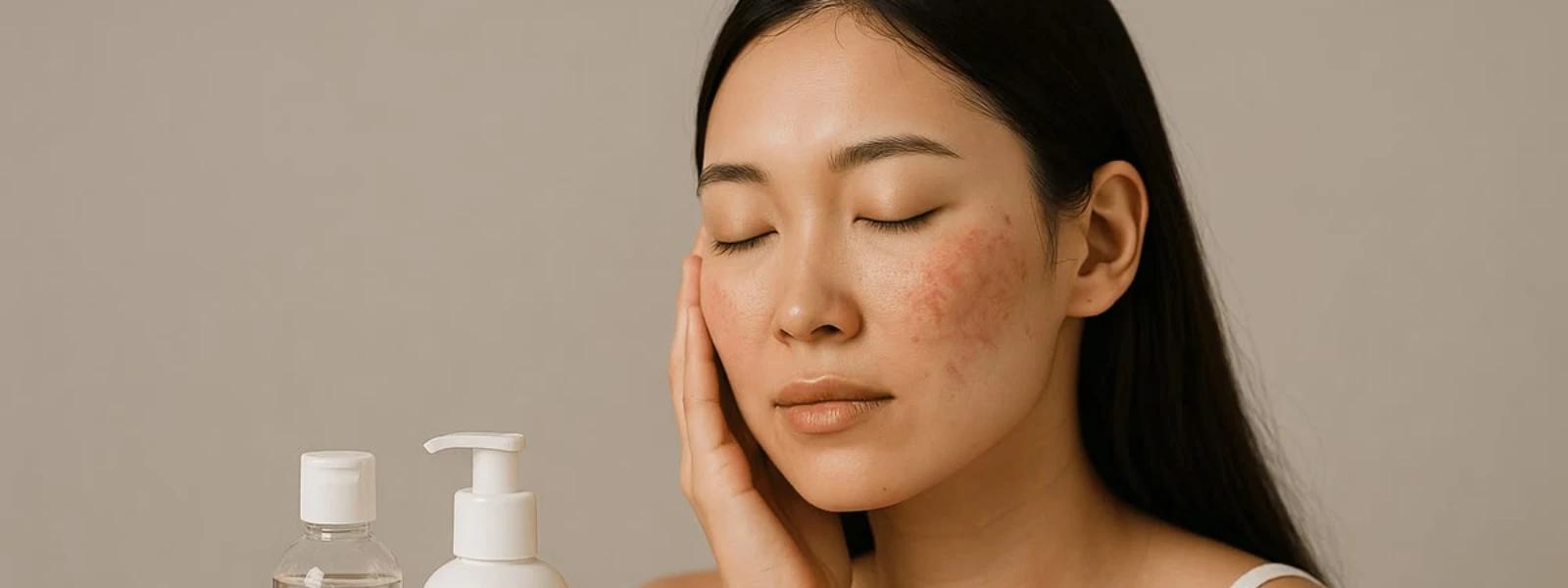
You've been staring at those stubborn dark spots in the mirror again, haven't you? Whether it's the aftermath of last summer's breakouts, those persistent patches that appeared during pregnancy, or the sun damage that's finally catching up with you, hyperpigmentation can feel like an expensive problem to solve. But here's the thing your skin needs to hear: achieving an even skin tone doesn't require a luxury budget. With the right affordable hyperpigmentation solutions, you can tackle uneven skin tone without breaking the bank.
Before diving into solutions, let's get clear on what we're actually dealing with. Hyperpigmentation happens when your skin produces excess melanin in certain areas, creating those darker patches that seem to have a mind of their own. It's not just one condition—it's an umbrella term for several types of skin discoloration that affect millions of people.
Post-inflammatory hyperpigmentation (PIH) is probably the most common type you'll encounter. Those dark marks left behind after acne, cuts, or any skin trauma? That's PIH doing its thing. Your skin essentially overreacts to inflammation by producing extra melanin as it heals.
Melasma presents as larger, symmetrical patches, usually on the face. Hormonal changes during pregnancy, birth control use, or hormone replacement therapy often trigger this type. Sun damage shows up as age spots or solar lentigines—those brown spots that seem to multiply after years of UV exposure.
Understanding the 'why' helps you choose the right treatment approach. UV exposure is the biggest villain here, triggering melanin production as your skin tries to protect itself. Hormonal fluctuations can send melanin production into overdrive, particularly in women. Even simple things like picking at spots or aggressive scrubbing can lead to pigmentation issues.
The beauty industry wants you to believe that effective hyperpigmentation treatment requires expensive procedures or luxury serums. Real talk: some of the most effective ingredients for pigmentation reduction are surprisingly affordable and widely available.
Niacinamide deserves a spot in every hyperpigmentation-fighting routine. This form of vitamin B3 works by inhibiting melanin transfer to skin cells, effectively preventing new dark spots from forming whilst helping existing ones fade. You can find quality niacinamide serums for under ₹800, making it one of the most accessible dark spot correctors available.
When it comes to skin brightening products, vitamin C is a tried-and-tested favourite. It works by interfering with melanin production and providing antioxidant protection against future damage. Look for stable forms like magnesium ascorbyl phosphate or sodium ascorbyl phosphate if you're on a budget—they're gentler and more affordable than L-ascorbic acid formulations.
This naturally-derived ingredient is like a gentler cousin to hydroquinone. Alpha arbutin inhibits tyrosinase, the enzyme responsible for melanin production, without the irritation potential of stronger alternatives. It's particularly effective for melasma remedies and works well for sensitive skin types.
Don't overlook retinol when planning your acne scar removal strategy. By speeding up cell turnover, retinol helps bring fresh, unpigmented skin to the surface faster. Start with lower concentrations (0.25% or 0.5%) to avoid irritation, and always use SPF during the day.

Mineral Sunscreen SPF 50 | Matte Finish | No White Cast | Non-Nano Zinc Oxide | Cica | Pregnancy Safe | All Skin Types | 50ml
Professional treatments aren't the only path to clearer skin. With consistent application and patience, at-home methods can deliver impressive results for sun damage repair and overall tone improvement.
Chemical exfoliants work by dissolving the bonds between dead skin cells, revealing brighter skin underneath. Glycolic acid and lactic acid (AHAs) are excellent for surface-level pigmentation, whilst salicylic acid (BHA) penetrates deeper, making it ideal for acne-related dark spots.
Start with lower concentrations (5-10% for AHAs, 0.5-2% for BHA) and gradually increase as your skin builds tolerance. Use these treatments 2-3 times per week initially, always followed by SPF during the day.
Often overlooked, azelaic acid tackles multiple concerns simultaneously. It's anti-inflammatory, antimicrobial, and helps normalise skin cell turnover. This makes it particularly effective for post-acne pigmentation and sensitive skin types that can't tolerate stronger treatments.
Consistency trumps intensity when treating hyperpigmentation. A simple morning routine might include vitamin C serum, moisturiser, and SPF. Evening could feature a retinol or AHA treatment, followed by a niacinamide serum and moisturiser. Remember: less is often more when building an effective routine.
Sometimes, at-home treatments need a professional boost. Fortunately, several effective beauty treatments for dark spots won't require a second mortgage.
Superficial chemical peels can cost between ₹2,000-₹5,000 per session, making them accessible for many budgets. These treatments use higher concentrations of acids than at-home products, delivering faster results for stubborn pigmentation. A series of 4-6 peels often provides significant improvement.
Microneedling creates tiny channels in the skin, allowing topical treatments to penetrate more effectively. Sessions typically cost ₹3,000-₹8,000, and when combined with vitamin C or growth factor serums, can accelerate pigmentation reduction significantly.
Consider professional treatments if you've been consistent with at-home care for 3-4 months without seeing improvement, if you have extensive sun damage, or if your pigmentation is affecting your confidence significantly. A dermatologist can also help identify the specific type of hyperpigmentation you're dealing with.
Not all affordable hyperpigmentation solutions work for every skin type. Here's how to choose products that'll work with your skin, not against it.

Salicylic Acid Face Cleanser | Deep Cleansing Formula for Breakouts | Unclogs Pores & Controls Oil | For Oily & Acne-Prone Skin | 100ml
For sensitive skin, look for gentle vitamin C derivatives and low-concentration niacinamide serums. The Ordinary's Alpha Arbutin 2% + HA and Niacinamide 10% + Zinc are excellent starting points. For oily skin, salicylic acid-based treatments can tackle both acne and resulting pigmentation simultaneously.
This price range opens up more sophisticated formulations. Look for products that combine multiple active ingredients, like vitamin C with niacinamide, or retinol with peptides. These combination products often provide better value and results than single-ingredient alternatives.
Avoid mixing vitamin C with retinol in the same routine—use one in the morning, one at night. Be cautious with combining multiple acids, as this can lead to irritation and potentially worsen pigmentation. Instead, embrace gentle, consistent application of proven ingredients.
Managing expectations is crucial when treating hyperpigmentation. Unlike what social media might suggest, even the best affordable hyperpigmentation solutions require patience and consistency.
During the first 4-6 weeks, focus on building tolerance to active ingredients rather than expecting dramatic results. You might notice some initial brightening, but significant changes typically take longer. This period is about establishing a routine your skin can handle long-term.
This is when most people start seeing noticeable improvements in uneven skin tone. Newer spots may fade significantly, whilst older, deeper pigmentation begins to lighten. Consistency during this phase is crucial—skipping treatments can slow progress considerably.
Stubborn pigmentation, particularly melasma and deep sun damage, may take 6-12 months to show significant improvement. This doesn't mean your routine isn't working—it means your skin needs time to complete multiple turnover cycles and gradually reduce melanin deposits.
Once you've achieved your desired results, maintenance becomes key. Continue using gentler versions of your treatment ingredients, and never skip SPF. Prevention is always more affordable than treatment.
The most cost-effective approach to hyperpigmentation is preventing it in the first place. This doesn't require expensive products—just smart, consistent habits.
Broad-spectrum SPF 30 or higher should be your daily uniform, regardless of weather or season. UV exposure not only creates new pigmentation but also darkens existing spots. A good sunscreen costs ₹500-₹1,500 and lasts 2-3 months—making it the most cost-effective beauty treatment available.

Hydrating Moisturizer | Non-Comedogenic | Boosts Collagen & Hydrates Deeply | Ceramides + Niacinamide | For Normal to Dry Skin | 50g
Environmental factors like pollution and blue light can contribute to skin damage and pigmentation. Antioxidant serums containing vitamin C, vitamin E, or green tea extract provide an additional protective layer without significant cost.
Adequate sleep, stress management, and a balanced diet all influence skin health and healing. While these don't directly treat existing pigmentation, they create optimal conditions for your skin to respond to treatments and prevent new issues from developing.
Most people notice initial improvements within 4-6 weeks of consistent use, with significant results typically visible after 3-4 months. Deeper pigmentation may take 6-12 months to show substantial fading. The key is consistency—skipping treatments can significantly slow progress.
Yes, many affordable products contain the same active ingredients found in expensive formulations. Niacinamide, vitamin C, retinol, and alpha arbutin are all available in budget-friendly options. The concentration and formulation quality matter more than the price point.
A combination of niacinamide serum (₹500-₹800), a gentle retinol product (₹800-₹1,500), and consistent SPF use (₹500-₹1,500) provides excellent results for most people. This routine costs under ₹3,000 and can last 3-4 months.
Start with one active ingredient and gradually introduce others as your skin builds tolerance. Using too many actives simultaneously can cause irritation, potentially worsening pigmentation. A simple, consistent routine often outperforms complex, aggressive approaches.
Consider professional help if you've been consistent with at-home treatments for 4-6 months without improvement, if you have extensive or very dark pigmentation, or if the issue is significantly affecting your confidence. A dermatologist can also help identify the specific type of hyperpigmentation you're dealing with.
Achieving even skin tone doesn't require a luxury budget—it requires patience, consistency, and the right approach for your specific skin concerns. Whether you're dealing with post-acne marks, sun damage, or hormonal pigmentation, effective solutions exist at every price point.
The key to successful hyperpigmentation treatment lies in understanding your skin type, choosing appropriate ingredients, and maintaining realistic expectations. Start with gentle, proven ingredients like niacinamide and vitamin C, build your routine gradually, and never underestimate the power of daily SPF.
For those exploring new products and brands, platforms like Smytten offer an excellent way to discover effective skin brightening products without committing to full-sized purchases. With access to premium brands and the ability to try before you buy, you can build an effective routine whilst staying within budget. Your skin will thank you for the thoughtful approach, and your wallet will appreciate the savings.
