How Melanin Pigment Works to Define Your Skin Tone


Target & Fade Duo for Hyperpigmentation | Even-Tone Underarms, Inner Thighs & Bum | Refines Skin Texture | For All Skin Types
Ever wondered why your skin tone is uniquely yours? The answer lies in a fascinating pigment called melanin that works tirelessly beneath your skin's surface. Whether you're dealing with unexpected dark spots after summer holidays or curious about why some people tan beautifully while others burn, understanding melanin pigment is the key to unlocking your skin's natural protective mechanisms. This remarkable substance doesn't just determine your complexion—it's your body's built-in shield against environmental damage, working around the clock to keep your skin healthy and protected.
Melanin pigment is your skin's natural colouring agent, produced by specialised cells called melanocytes that live in the deepest layer of your epidermis. Think of these cells as tiny factories, constantly working to create the pigment that gives your skin, hair, and eyes their distinctive colours. The amount and type of melanin your body produces is largely determined by your genetics, but it's also influenced by environmental factors like sun exposure and hormonal changes.
The primary role of melanin function extends far beyond aesthetics. This complex pigment serves as your body's first line of defence against harmful ultraviolet radiation, absorbing and dissipating UV energy before it can damage your skin cells' DNA. When your skin detects UV exposure, it signals melanocytes to ramp up production, which is why you develop a tan after spending time in the sun. This process, called melanogenesis, is your body's intelligent response to protect itself from potential harm.
Understanding skin pigmentation helps explain why people from different ethnic backgrounds have varying levels of natural sun protection. Those with higher melanin levels typically have better built-in UV protection, whilst those with lower levels may be more susceptible to sun damage. However, regardless of your natural melanin levels, everyone benefits from additional sun protection measures.
Not all melanin is created equal. Your unique skin tone results from the specific combination of two distinct types of melanin working together in your skin. Understanding these differences helps explain why some people tan easily whilst others are more prone to burning, and why certain skin concerns affect different complexions in varying ways.
Eumelanin is the brown-to-black pigment that provides the most robust protection against UV damage. People with higher concentrations of eumelanin typically have darker skin tones and enjoy superior natural sun protection. This type of melanin is incredibly efficient at absorbing harmful UV radiation and converting it into harmless heat, making it nature's most effective sunscreen.
Pheomelanin produces yellow to reddish-brown pigmentation and offers less UV protection than its darker counterpart. This type of melanin is more common in people with lighter skin tones, red or blonde hair, and freckles. Whilst pheomelanin still provides some protection, those with higher concentrations need to be particularly mindful of melanin and sun exposure interactions.
Melanogenesis is the fascinating biochemical process through which your body manufactures melanin. It begins with the amino acid tyrosine, which undergoes a series of enzymatic reactions within melanocytes. The enzyme tyrosinase plays a crucial role in this process, converting tyrosine into compounds that eventually become melanin granules.

Mineral Sunscreen SPF 50 | Matte Finish | No White Cast | Non-Nano Zinc Oxide | Cica | Pregnancy Safe | All Skin Types | 50ml
When your skin detects UV exposure, inflammatory responses, or hormonal changes, it triggers increased melanin production. The newly formed melanin granules are then transferred to surrounding skin cells called keratinocytes, where they form protective caps over cell nuclei. This process typically takes several days to weeks, which explains why a tan develops gradually rather than immediately after sun exposure.
The efficiency of your melanogenesis process varies based on genetic factors, age, and overall skin health. Some people's melanocytes respond quickly and efficiently to triggers, whilst others may have a more sluggish response. This variation explains why some individuals develop even tans whilst others experience patchy pigmentation or are more prone to developing hyperpigmentation concerns.
Several interconnected factors determine how much melanin your skin produces and how it's distributed across your complexion. Understanding these influences helps explain why your skin pigmentation might change throughout your life and why certain triggers can lead to unwanted dark spots or uneven tone.
Your genetic makeup is the primary determinant of your baseline melanin production capacity. Inherited variations in genes that control melanocyte function and enzyme activity influence everything from your natural skin tone to how your skin responds to sun exposure. These genetic factors also determine your predisposition to certain pigmentation disorders.
UV radiation is the most significant environmental trigger for increased melanin production. However, other factors like pollution, heat, and certain chemicals can also stimulate melanogenesis. Seasonal changes often affect melanin levels, with many people noticing darker pigmentation in summer months and lighter tones during winter when UV exposure is reduced.
Hormonal fluctuations, particularly during pregnancy, menstruation, or when taking certain medications, can significantly impact melanin production. This explains why some women develop melasma during pregnancy or notice changes in existing pigmentation when starting hormonal contraceptives. Inflammatory skin conditions and certain health issues can also trigger localised increases in melanin production.
The melanin benefits extend far beyond simply determining your complexion. This remarkable pigment functions as a sophisticated protective system that safeguards your skin in multiple ways. Melanin absorbs up to 99.9% of absorbed UV radiation, converting potentially harmful energy into harmless heat that's safely dissipated from your skin.
Beyond UV protection, melanin possesses powerful antioxidant properties that help neutralise free radicals generated by environmental stressors. These antioxidant effects contribute to melanin's anti-ageing benefits, helping to prevent premature skin damage and maintaining cellular health. Research suggests that melanin may also have anti-inflammatory properties, potentially helping to calm irritated skin and support the healing process.

Salicylic Acid Face Cleanser | Deep Cleansing Formula for Breakouts | Unclogs Pores & Controls Oil | For Oily & Acne-Prone Skin | 100ml
However, it's crucial to understand that even high levels of natural melanin don't provide complete protection against sun damage. Whilst darker skin tones have better built-in protection, everyone benefits from additional sun protection measures. The melanin function works best when combined with proper skincare practices, including regular SPF use and protective clothing.
Understanding common melanin-related concerns helps you recognise when your skin's pigmentation system might need additional support. These conditions range from cosmetic concerns to more serious health issues, all stemming from disruptions in normal melanin production or distribution.
Hyperpigmentation occurs when certain areas of skin produce excess melanin, resulting in dark spots or patches. Common types include post-inflammatory hyperpigmentation (PIH) following acne or injury, melasma triggered by hormonal changes, and age spots caused by cumulative sun exposure. These concerns are particularly common in those with naturally higher melanin production.
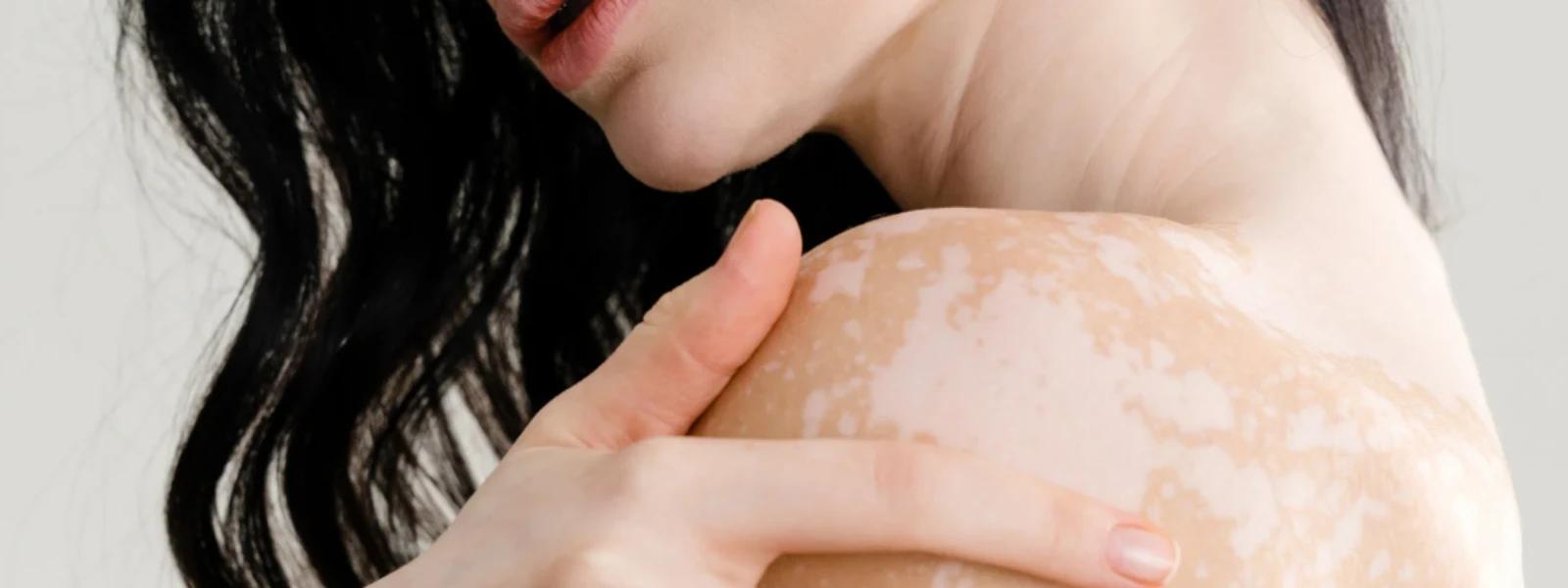
Conversely, some conditions involve reduced melanin production, leading to lighter patches of skin. Vitiligo, where melanocytes are destroyed in certain areas, and albinism, a genetic condition affecting melanin production throughout the body, are examples of hypopigmentation disorders that require specialised medical care.
Melanin in hair follows similar principles to skin pigmentation, with the same types of melanin determining hair colour. As we age, melanocyte activity in hair follicles gradually decreases, leading to grey or white hair as melanin production slows down.
Supporting healthy melanin production involves a combination of lifestyle choices and targeted skincare approaches. The goal isn't necessarily to increase or decrease melanin levels dramatically, but rather to support your skin's natural processes and address specific concerns when they arise.
Nutrition plays a vital role in supporting optimal melanin production. Foods rich in copper, such as nuts, seeds, and leafy greens, support tyrosinase enzyme function. Vitamin C from citrus fruits and berries aids in melanin synthesis, whilst antioxidant-rich foods help protect existing melanin from oxidative damage. Adequate hydration and quality sleep also support healthy skin cell turnover and melanocyte function.

Hydrating Moisturizer | Non-Comedogenic | Boosts Collagen & Hydrates Deeply | Ceramides + Niacinamide | For Normal to Dry Skin | 50g
Professional treatments for melanin-related concerns include chemical peels, laser therapy, and prescription topical treatments. Melanin skincare ingredients like niacinamide, vitamin C, and gentle exfoliating acids can help regulate pigmentation when used consistently. For those exploring products to support their skin's natural processes, platforms like Smytten Shop offer curated selections from trusted brands, allowing you to try formulations before committing to full sizes.
UV exposure is the primary trigger for increased melanin production, but hormonal changes, inflammation, certain medications, and genetic factors can also stimulate melanogenesis. Your skin produces more melanin as a protective response to these triggers.
Lower melanin levels result in increased UV sensitivity, higher risk of sun damage, and greater susceptibility to skin cancer. People with naturally low melanin need to be particularly diligent about sun protection and may burn more easily than those with higher levels.
Focus on a balanced diet rich in copper, vitamin C, and antioxidants. Protect your skin from excessive UV exposure whilst allowing some safe sun exposure for vitamin D synthesis. Stay hydrated, get adequate sleep, and manage stress levels to support overall skin health.
Copper-rich foods like nuts, seeds, and dark leafy greens support melanin synthesis. Vitamin C sources such as citrus fruits, berries, and bell peppers aid in the process. Foods high in antioxidants, including tomatoes, carrots, and green tea, help protect existing melanin from damage.
Melanin pigment is far more than just a determinant of skin colour—it's a sophisticated protective system that works continuously to safeguard your skin's health. Understanding how melanin functions helps you make informed decisions about sun protection, skincare choices, and when to seek professional guidance for pigmentation concerns. Whether you're dealing with unwanted dark spots or simply want to support your skin's natural protective mechanisms, knowledge about melanin empowers you to care for your skin more effectively.
Remember that healthy skin comes in all shades, and the goal is supporting your skin's natural processes rather than dramatically altering your melanin levels. With over 28 million users discovering new products through trial sizes, platforms like Smytten Shop make it easier to explore skincare options that work with your unique skin needs. Your melanin is working hard to protect you—now you can work with it to maintain healthy, radiant skin for years to come.
