How Long to Use a Product Before Judging Results
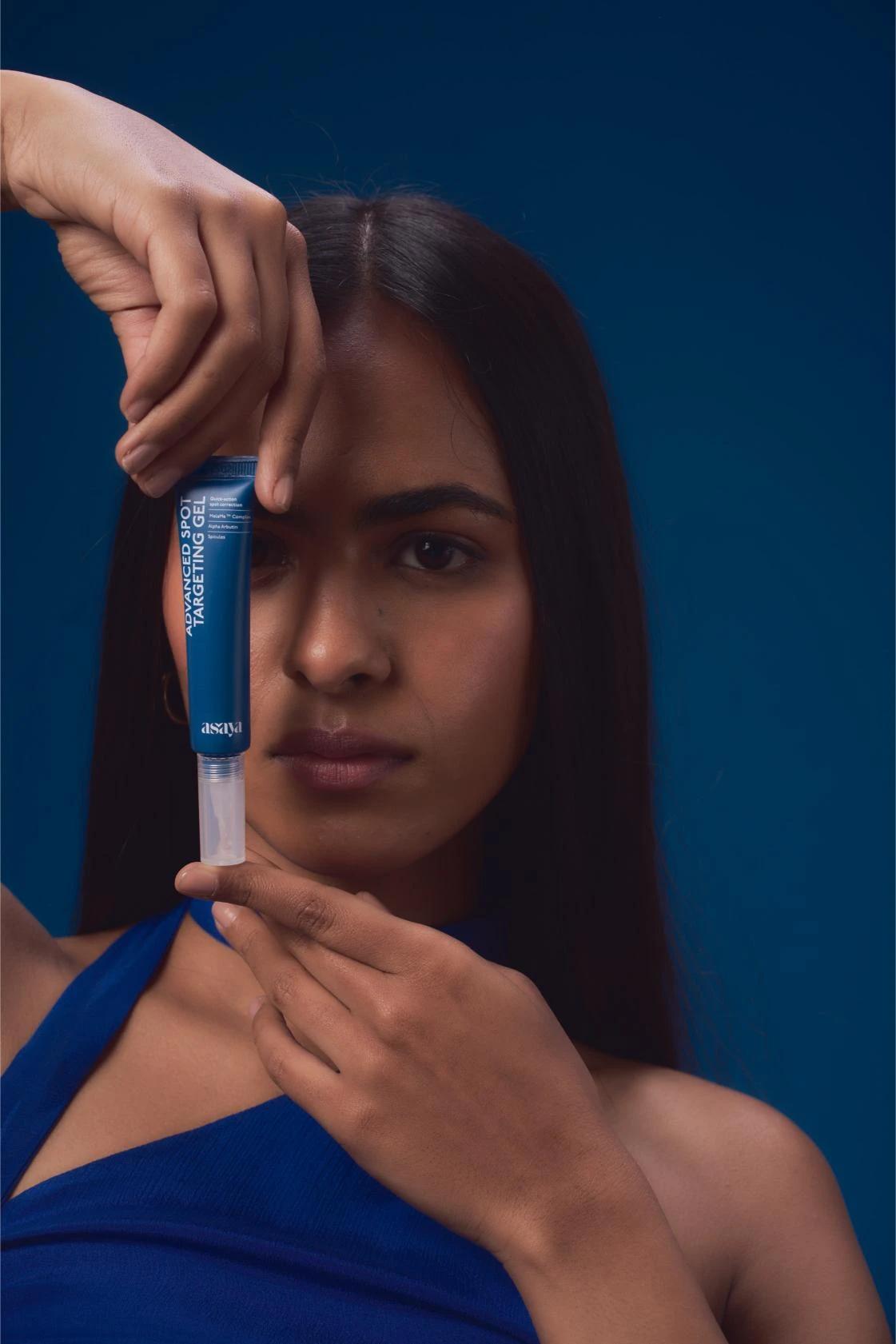


Target & Fade Duo for Hyperpigmentation | Even-Tone Underarms, Inner Thighs & Bum | Refines Skin Texture | For All Skin Types
You've just started using that highly-rated vitamin C serum everyone's been raving about, and after three days, you're already scrutinising your reflection for signs of that promised glow. Sound familiar? We've all been there—eager for instant transformation and slightly disappointed when our skin doesn't cooperate with our timeline. But here's the thing: your skin operates on its own schedule, and understanding how long to use a product before judging results can save you from prematurely abandoning products that could genuinely work wonders for your skin.
Your skin follows a natural 28-day cycle where old cells shed and new ones surface. This fundamental process explains why most skincare experts recommend giving products at least a month before making any judgements. During this product trial period, your skin is literally rebuilding itself, and any active ingredients need time to work their way through this cycle.
The reality is that beauty product effectiveness isn't always immediate. When you apply a retinol serum or start using a new AHA toner, you're essentially asking your skin to change its behaviour. This takes time, patience, and consistency. Your skin needs to adjust to new ingredients, and some actives work by stimulating cellular processes that happen gradually.
Several factors influence how quickly you'll see results. Your age plays a role—younger skin typically responds faster due to quicker cell turnover. Your skin's current condition matters too; severely dehydrated skin might show improvement within days of using a good hyaluronic acid serum, whilst hyperpigmentation could take months to fade noticeably.
It's also worth noting the difference between immediate and long-term benefits. A good moisturiser might make your skin feel softer instantly, but its ability to strengthen your skin barrier develops over weeks. Similarly, a gentle exfoliant might give you a subtle glow after first use, but its pore-refining benefits emerge over time.
Different products work at different speeds, and understanding these timelines helps set realistic expectations for your skincare product testing journey. Let's break down what to expect from various product categories.
Cleansers typically show their worth within 1-2 weeks. You'll notice if your skin feels clean without tightness, and any initial breakouts from switching products usually settle within this timeframe. Toners follow a similar pattern—hydrating toners show immediate plumping effects, whilst exfoliating toners reveal smoother skin texture within two weeks of consistent use.
A good moisturiser should make your skin feel comfortable immediately, but its deeper benefits—like improved skin barrier function and reduced sensitivity—develop over 2-4 weeks. If you're dealing with dehydration, you might notice plumper, more comfortable skin within days, but lasting hydration improvements take a full month.

Mineral Sunscreen SPF 50 | Matte Finish | No White Cast | Non-Nano Zinc Oxide | Cica | Pregnancy Safe | All Skin Types | 50ml
This is where patience becomes crucial. Niacinamide serums for pore appearance typically show results after 4-6 weeks. Vitamin C for brightness might give you a subtle glow within weeks, but significant dark spot fading takes 8-12 weeks. Retinol is notorious for requiring patience—initial results appear around 6-8 weeks, with maximum benefits developing over 3-6 months.
Acne treatments deserve special mention because they often get worse before they get better. The dreaded "purging" phase can last 4-6 weeks as your skin expels trapped congestion. Real improvement in breakout frequency typically becomes apparent after 6-12 weeks of consistent use.
Knowing what to look for during your beauty product evaluation helps you stay motivated and recognise genuine progress. Your skin gives you clues about whether a product is working, even before dramatic visual changes appear.
During weeks 1-2, focus on how your skin feels rather than how it looks. Does it feel more comfortable? Less tight after cleansing? These texture and comfort improvements often precede visible changes and indicate your skin is responding well to the new product.
Weeks 3-4 bring subtle visual changes. Your skin might look slightly more even, feel smoother to touch, or appear less dull. These early signs suggest you're on the right track, even if the changes aren't dramatic enough for others to notice.
By weeks 6-8, you should see noticeable improvements in your target concerns. Dark spots might appear lighter, pores could look smaller, or your overall skin tone might seem more even. This is when your patience starts paying off visibly.
Not every reaction requires patience. Severe irritation, persistent stinging, or allergic reactions mean you should stop using the product immediately. Similarly, if breakouts worsen significantly beyond the expected purging period, or if existing skin conditions deteriorate, it's time to reassess.
Your individual product usage timeline depends on several personal factors that affect how quickly you'll see results. Understanding these helps you set realistic expectations and avoid unnecessary product-hopping.

Salicylic Acid Face Cleanser | Deep Cleansing Formula for Breakouts | Unclogs Pores & Controls Oil | For Oily & Acne-Prone Skin | 100ml
Skin type and sensitivity significantly impact response time. Sensitive skin often needs longer adjustment periods and might require starting with lower concentrations. Oily skin sometimes responds faster to certain actives, whilst dry skin might need more time to show improvement from hydrating products.
Product concentration matters enormously. A 2% salicylic acid treatment works faster than a 0.5% version, but it might also cause more initial irritation. Higher concentrations aren't always better—they're just different tools for different skin needs and tolerance levels.
Your baseline skin condition affects timelines too. If you're starting with severely congested skin, clearing might take longer than someone with mild concerns. Similarly, mature skin with established damage patterns requires more time to show improvement than younger skin with minor issues.
Consistency cannot be overstated. Using a product sporadically and expecting results is like going to the gym once a week and wondering why you're not seeing changes. Your skin needs regular, consistent exposure to ingredients to respond effectively.
Proper testing beauty products requires a systematic approach that gives you reliable information about what's working and what isn't. Random product switching makes it impossible to identify which products deserve a permanent spot in your routine.
Always start with a patch test, especially for active ingredients. Apply a small amount to your inner arm or behind your ear, wait 48-72 hours, and check for any adverse reactions. This simple step can save you from facial irritation and wasted products.
Introduce one new product at a time, waiting at least two weeks before adding anything else. This way, if you experience reactions or see improvements, you'll know exactly which product is responsible. It's tempting to overhaul your entire routine, but patience here pays dividends.
Document your progress with photos and notes. Your memory isn't reliable when it comes to gradual changes, but photos taken in consistent lighting help you track real progress. Note how your skin feels, any reactions, and gradual improvements you observe.
Setting realistic goals based on actual product capabilities rather than marketing promises helps maintain motivation during longer testing periods. A vitamin C serum might brighten your complexion, but it won't erase deep wrinkles—that's not what it's designed to do.
Learn to distinguish between normal adjustment periods and genuine incompatibility. Some tingling with new actives is normal; persistent burning isn't. Slight dryness when starting retinol is expected; severe peeling suggests you need to adjust your approach.
Consider professional guidance when testing products for specific concerns. A dermatologist can help you understand realistic timelines for your particular skin issues and guide you towards products most likely to work for your skin type.

Hydrating Moisturizer | Non-Comedogenic | Boosts Collagen & Hydrates Deeply | Ceramides + Niacinamide | For Normal to Dry Skin | 50g
Most beauty products require 4-6 weeks of consistent use before noticeable results appear, though this varies significantly by product type and individual skin characteristics. Active treatments like retinol or chemical exfoliants may take 8-12 weeks to show their full benefits.
Yes, you should typically give products at least 4-6 weeks unless you experience adverse reactions. The exception is if you develop severe irritation, persistent breakouts beyond normal purging, or allergic reactions—in these cases, stop immediately.
A complete skincare routine evaluation requires 8-12 weeks, as different products work at different rates and may have cumulative effects. Some products provide immediate comfort, whilst others build benefits over time.
Look for gradual improvements in skin texture, hydration, and target concerns over 4-12 weeks. Your skin should feel more comfortable, appear more even, and show progress towards your specific goals like reduced breakouts or improved brightness.
Facial skin typically shows results faster (4-6 weeks) due to thinner skin and better circulation, whilst body products may take 6-8 weeks. Body skin is thicker and has slower cell turnover, requiring more patience for visible improvements.
Understanding how long to use a product before judging results transforms your skincare journey from a series of frustrated experiments into a thoughtful, strategic approach. The key lies in matching your expectations to realistic timelines, staying consistent with your routine, and recognising that good skincare is a marathon, not a sprint.
Remember that your skin is unique, and what works quickly for others might take longer for you—or vice versa. The most important factor is consistency paired with patience. Give products the time they need to work, document your progress, and don't be afraid to seek professional guidance when needed.
For those looking to discover new products worth testing, platforms like Smytten Shop offer the perfect solution. With access to premium brands and the ability to try products before committing to full sizes, you can build a testing routine that's both effective and economical. Their curated selection means you're more likely to find products worth the 4-6 week commitment, and with over 28 million users sharing their experiences, you're never testing alone.
