How Long for Niacinamide to Fade Inner Thigh Darkening?


10% Niacinamide Serum | Controls Sebum & Minimizes Pores | Reduces Spots | With 1% Alpha Arbutin | Suitable for All Skin Types | 30ml
You've noticed those stubborn dark patches on your inner thighs, and you're wondering if niacinamide could be the answer. Perhaps you've been dealing with this inner thigh hyperpigmentation for months or even years, trying different remedies without much success. The good news? Niacinamide has genuine science behind it for treating hyperpigmentation, but the timeline for seeing results isn't always what we'd hope for. Let's explore realistic expectations and proven strategies for using this powerhouse ingredient to fade those dark spots.
Inner thigh discoloration is incredibly common, yet it's rarely discussed openly. This darkening happens when your skin produces excess melanin in response to various triggers, creating patches that can feel frustrating and stubborn to treat.
The most frequent culprit is friction from clothing or skin-to-skin contact during walking, exercise, or daily movement. This constant rubbing triggers an inflammatory response that stimulates melanin production. Hormonal changes during puberty, pregnancy, or conditions like insulin resistance can also contribute to darkening. Some people develop acanthosis nigricans, a medical condition that causes velvety, dark patches in skin folds. Additionally, any irritation from harsh products, ingrown hairs, or infections can lead to post-inflammatory hyperpigmentation.
When your skin experiences friction or irritation, specialised cells called melanocytes go into overdrive, producing excess melanin as a protective response. The inner thigh area is particularly vulnerable because the skin here is thinner and more sensitive than other body areas. This creates a cycle where friction causes darkening, which can make you more conscious of the area, potentially leading to more irritation from clothing choices or skincare attempts.
Niacinamide, also known as vitamin B3, has become a skincare favourite for good reason. Unlike some harsh lightening ingredients, it works gently to address multiple aspects of hyperpigmentation whilst being suitable for sensitive areas like inner thighs.
Niacinamide doesn't bleach your skin like some traditional lightening agents. Instead, it works by inhibiting the transfer of melanin from melanocytes to the surrounding skin cells. This means less pigment reaches the surface, gradually leading to a more even skin tone. The ingredient also has powerful anti-inflammatory properties that help calm irritated skin and strengthen the skin barrier, making it less reactive to friction and other triggers.
The inner thigh area requires gentle yet effective treatment, making niacinamide an ideal choice. Its anti-inflammatory properties help reduce the ongoing damage from friction, whilst its barrier-strengthening effects make skin more resilient. Unlike some acids or retinoids, niacinamide won't increase photosensitivity, so you don't need to worry about sun exposure affecting the treated area. It's also compatible with other skin brightening ingredients, allowing for comprehensive treatment approaches.
Here's the honest truth about how long does it take for inner thigh darkening to fade with niacinamide: patience is essential. Unlike a facial breakout that might clear in days, hyperpigmentation requires consistent treatment over months to see significant results.

Dark Spot Serum For Pigmentation | With Niacinamide, Alpha Arbutin & MelaMe Complex | Fades Melasma & Acne Marks | For Oily & Dry Skin | 30ml
Weeks 1-2: You'll likely notice improved skin texture and reduced irritation rather than colour changes. The skin may feel smoother and less sensitive to friction.
Weeks 4-6: Subtle brightening begins, particularly around the edges of darker patches. The skin tone starts looking more uniform, though changes are still quite minimal.
Weeks 8-10: This is when many people start seeing visible lightening of newer dark spots. Older, deeper pigmentation will still be prominent, but surface-level discolouration begins to fade.
Weeks 12-16: Significant fading becomes apparent with consistent use. Most people see their best results during this period, with noticeable improvement in overall skin tone.
3-6 months: Maximum results for stubborn hyperpigmentation. Deep, long-standing dark patches require this extended timeline for meaningful change.
Several factors affect how quickly you'll see results. The age and depth of your pigmentation play crucial roles—newer dark spots respond faster than years-old discolouration. The concentration of niacinamide matters too; 5% formulations work more gently but slowly, whilst 10% concentrations can deliver faster results for tolerant skin. Your consistency with application is perhaps the most important factor—skipping days or weeks will significantly slow progress. Individual skin response varies greatly, and ongoing friction from tight clothing or activities can counteract treatment efforts.
Proper application technique can make the difference between disappointing results and genuine improvement. The inner thigh area has unique considerations that affect how products should be applied and absorbed.
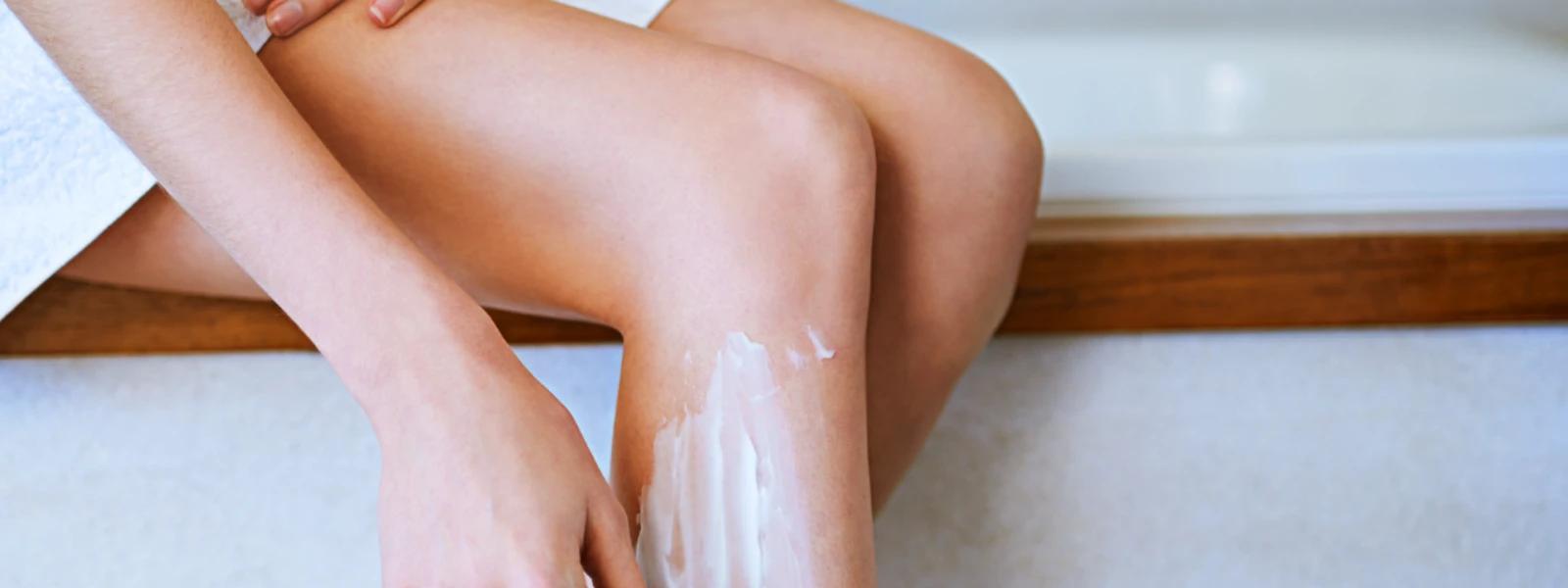
Start with clean, dry skin using a gentle, fragrance-free cleanser. Pat the area completely dry before applying niacinamide, as damp skin can dilute the product's effectiveness. Apply a thin, even layer using gentle upward strokes, avoiding rubbing or massaging that could cause additional friction. For serums, use 2-3 drops per inner thigh; for creams, a pea-sized amount should suffice. Allow the product to absorb completely before putting on clothing—this usually takes 5-10 minutes.
If you're new to niacinamide or have sensitive skin, start with a 5% concentration to assess tolerance. You can gradually increase to 10% after 4-6 weeks if your skin responds well. Serum formulations tend to penetrate better and work faster, whilst cream formulations provide additional moisturising benefits for dry or irritated skin. Look for products that combine niacinamide with complementary ingredients like hyaluronic acid for hydration or alpha arbutin for enhanced brightening effects.

Dark Spot Serum For Pigmentation | With Niacinamide & Alpha Arbutin | Fades Melasma & Acne Marks | For Oily & Dry Skin | Pack of 2 | 30ml
Whilst niacinamide works well alone, combining it with other proven skin lightening ingredients can accelerate results and provide more comprehensive treatment for stubborn dark spots on inner thighs.
Vitamin C pairs beautifully with niacinamide for enhanced brightening—use vitamin C in the morning and niacinamide at night, or look for stable formulations that combine both. Alpha arbutin works synergistically with niacinamide to inhibit melanin production through different pathways, potentially speeding results. Kojic acid can be effective for particularly stubborn dark spots, though it requires careful introduction to avoid irritation. Hyaluronic acid should be a staple in any inner thigh treatment routine, providing essential hydration that supports healing and prevents further irritation.
Harsh physical exfoliants can worsen hyperpigmentation by creating more friction and inflammation. Strong acids like glycolic acid or high-concentration retinoids may be too irritating for the sensitive inner thigh area. Avoid products with potential allergens like fragrances or essential oils that could trigger inflammatory responses. Be cautious with ingredients that increase photosensitivity, even though inner thighs aren't typically sun-exposed.
A comprehensive approach addressing both the pigmentation and its underlying causes will give you the best chance of success. This means combining topical treatments with lifestyle modifications for optimal results.
Morning routine: Cleanse gently with lukewarm water and a mild cleanser. Apply vitamin C serum if using, followed by niacinamide cream. Finish with a lightweight, non-comedogenic moisturiser. If the area will be exposed to sun, apply broad-spectrum SPF.
Evening routine: Cleanse thoroughly to remove sweat, bacteria, and product buildup. Apply niacinamide serum or cream to clean, dry skin. Follow with a nourishing moisturiser containing ingredients like ceramides or peptides. Once weekly, use a gentle chemical exfoliant like lactic acid to promote cell turnover.
Reducing friction is crucial for preventing new darkening whilst treating existing pigmentation. Choose breathable, moisture-wicking fabrics for underwear and workout clothes. Consider anti-chafe products or powders for high-friction activities. Maintain a healthy weight if applicable, as this can reduce skin-to-skin friction. Practice good hygiene without over-washing, which can strip the skin barrier and increase sensitivity.
Sometimes, despite consistent use and proper technique, results plateau or don't meet expectations. Understanding when and how to adjust your approach can help you achieve better outcomes.

Target & Fade Duo for Hyperpigmentation | Even-Tone Underarms, Inner Thighs & Bum | Refines Skin Texture | For All Skin Types
If you've used niacinamide consistently for 12-16 weeks without any visible improvement, it may be time to reassess your approach. Increased irritation, redness, or paradoxical darkening suggests the product or concentration isn't suitable for your skin. A plateau after initial improvement often indicates the need for additional active ingredients or professional intervention.
Professional treatments like chemical peels or laser therapy can address deeper pigmentation that topical products can't reach. Prescription options including hydroquinone, tretinoin, or combination creams may be necessary for severe cases. Some people benefit from professional-grade skin lightening creams that combine multiple active ingredients in higher concentrations. Consult a dermatologist if you suspect an underlying medical condition like diabetes or hormonal imbalances contributing to the darkening.
Niacinamide can significantly fade inner thigh darkening, but permanent results depend on addressing underlying causes like friction and hormonal factors. With consistent use and lifestyle changes to prevent new darkening, improvements can be long-lasting. However, if the original triggers return, some darkening may reoccur over time.
Most people see initial improvements in skin texture and reduced irritation within 2-4 weeks. Visible lightening typically begins around 6-8 weeks, with significant results appearing at 12-16 weeks of consistent use. Deeper, older pigmentation may require 3-6 months for meaningful fading.
Niacinamide can fade dark spots significantly, but "permanent" removal depends on preventing the underlying causes and maintaining a consistent skincare routine. The ingredient works by reducing melanin transfer rather than destroying existing pigment, so continued use is often necessary to maintain results.
Start with 5% niacinamide if you have sensitive skin or are new to the ingredient. You can increase to 10% after 4-6 weeks if your skin tolerates it well. Higher concentrations aren't necessarily better—consistency and proper application matter more than strength.
Yes, niacinamide pairs well with many other skin brightening ingredients like vitamin C, alpha arbutin, and kojic acid. However, introduce new ingredients gradually to avoid irritation, and consider using different actives at different times of day to minimise potential interactions.
Treating inner thigh hyperpigmentation with niacinamide requires patience, consistency, and realistic expectations. Whilst you won't see overnight results, the 12-16 week timeline for significant improvement is achievable for most people with dedicated use. Remember that addressing the underlying causes—whether friction, hormonal factors, or medical conditions—is just as important as topical treatment.
The journey to more even skin tone isn't always linear, and what works varies from person to person. If you're exploring new products and want to try before committing to full sizes, platforms like Smytten offer sample opportunities that let you test different niacinamide formulations risk-free. With over 28 million users discovering products through trials, you can find what works for your unique skin needs without the guesswork.
Your skin deserves gentle, effective care, and with the right approach, those stubborn dark patches can become a thing of the past. Trust the process, stay consistent, and don't hesitate to seek professional guidance if you need additional support along the way.
