How Indian Skin Gets Pigmentation: Causes & Treatments


Target & Fade Duo for Hyperpigmentation | Even-Tone Underarms, Inner Thighs & Bum | Refines Skin Texture | For All Skin Types
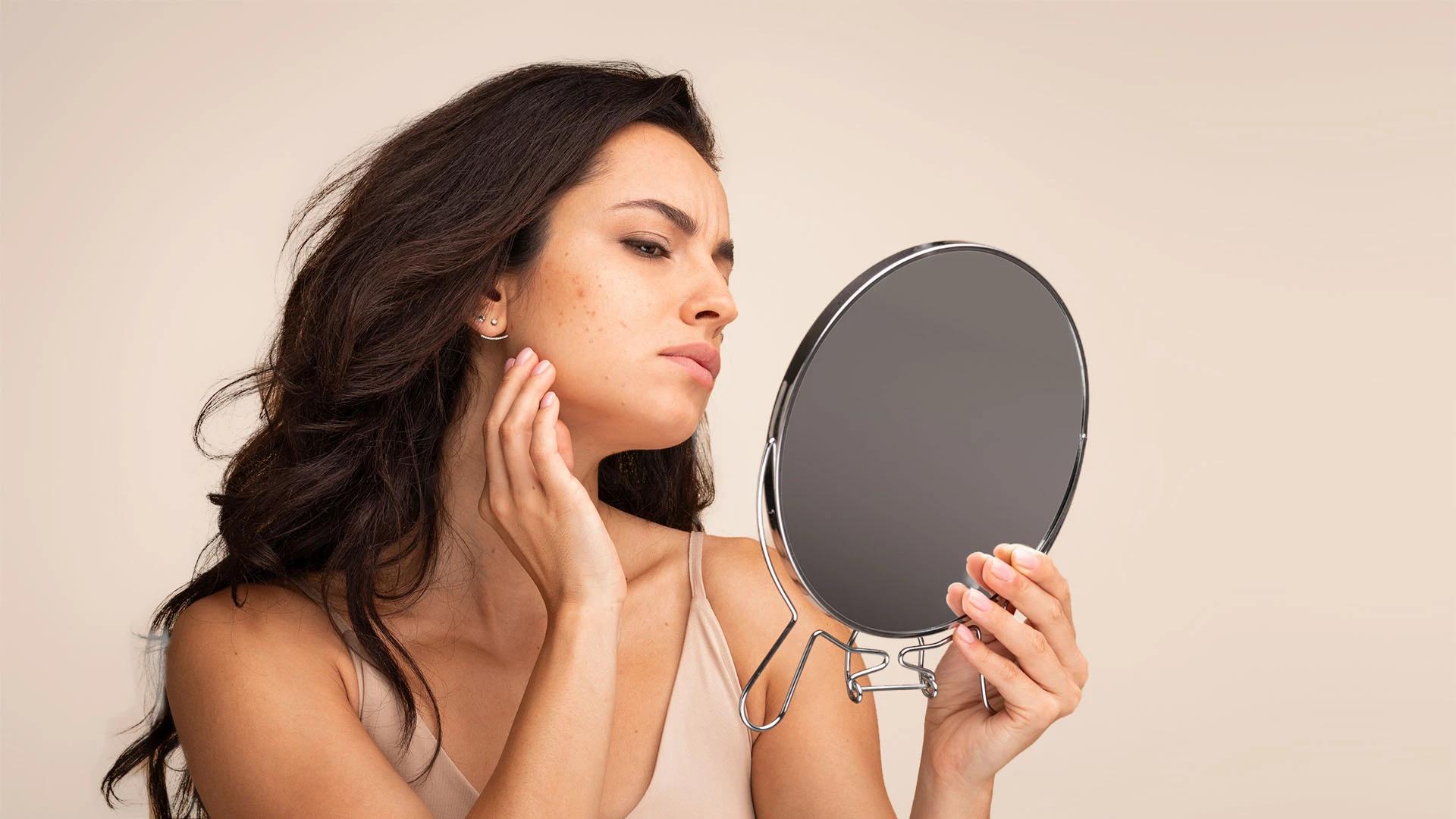
You've noticed those stubborn dark patches on your cheeks that seem to darken after every summer holiday. Or perhaps it's the acne marks that refuse to fade, leaving your complexion looking uneven despite your best skincare efforts. If you're wondering how Indian skin gets pigmentation and why it seems more persistent than what your friends with lighter skin tones experience, you're asking the right questions. Understanding the unique characteristics of Indian skin and its relationship with melanin production is the first step towards achieving the clear, even-toned complexion you're after.
The relationship between Indian skin hyperpigmentation and genetics runs deeper than many people realise. South Asian populations naturally produce higher levels of melanin, the pigment responsible for skin colour. This increased melanin production, while offering better natural protection against UV damage, also makes the skin more reactive to triggers that cause discolouration.
When your skin encounters inflammation, hormonal changes, or UV exposure, the melanocytes (pigment-producing cells) in Indian skin tend to go into overdrive. Think of it like an overly enthusiastic security system – whilst it's trying to protect your skin, it sometimes creates more pigment than necessary, leading to those frustrating dark spots and uneven patches.
Research shows that individuals of South Asian descent have melanocytes that are more sensitive to stimulation. This means that even minor skin trauma – like a small scratch or a barely-there pimple – can trigger significant pigment production. The enzyme tyrosinase, which converts the amino acid tyrosine into melanin, tends to be more active in Indian skin types.
Living in India's tropical climate means year-round exposure to intense UV radiation. The combination of high temperatures, humidity, and pollution creates a perfect storm for pigmentation causes Indian skin experiences daily. Air conditioning can also contribute to skin dehydration, making it more susceptible to irritation and subsequent pigmentation.
Understanding the different types of skin discoloration Indian skin experiences helps you choose the right treatment approach. Not all dark spots are created equal, and what works for melasma might not be effective for post-acne marks.
The most common forms include melasma (those symmetrical patches that often appear during pregnancy or hormonal changes), post-inflammatory hyperpigmentation (PIH) from acne or injuries, and periorbital hyperpigmentation (the technical term for those persistent dark circles many of us inherit genetically).
Melasma appears as brown or grey patches, typically on the cheeks, forehead, and upper lip. It's particularly common during pregnancy (earning it the nickname "pregnancy mask") and affects up to 70% of pregnant women with darker skin tones. Hormonal contraceptives and hormone replacement therapy can also trigger melasma.
These are the dark spots Indian skin develops after any form of inflammation or injury. Whether it's from acne, eczema, cuts, or even aggressive scrubbing, PIH can persist for months or even years without proper treatment. The darker your natural skin tone, the more likely you are to develop PIH.
Dark circles around the eyes are incredibly common in Indian populations due to genetic factors. The skin around the eyes is thinner, making blood vessels more visible, whilst increased melanin production in this area creates the characteristic darkening that many find frustrating.
The triggers for treating pigmentation Indian skin requires understanding go beyond just sun exposure. Whilst UV radiation remains the primary culprit, hormonal fluctuations, lifestyle factors, and even certain skincare practices can contribute to uneven skin tone.

Mineral Sunscreen SPF 50 | Matte Finish | No White Cast | Non-Nano Zinc Oxide | Cica | Pregnancy Safe | All Skin Types | 50ml
Many people don't realise that everyday activities like rubbing your eyes, using harsh scrubs, or even wearing tight clothing can create friction that leads to darkening in sensitive areas like the underarms, inner thighs, and neck.
Even brief exposure to Indian sunlight can trigger melanin production. The UV index in most Indian cities remains high throughout the year, meaning your skin is constantly defending itself against radiation. This cumulative damage builds up over time, leading to age spots, freckles, and overall skin darkening.
Pregnancy, PCOS, thyroid disorders, and even stress can trigger hormonal fluctuations that stimulate melanin production. Women often notice their pigmentation worsening during certain times of their menstrual cycle or when starting new medications.
Inflammatory foods like refined sugars, processed foods, and excessive dairy can worsen existing pigmentation. Chronic stress increases cortisol levels, which can stimulate melanin production. Poor sleep quality affects skin repair processes, making pigmentation more persistent.
When home remedies pigmentation Indian skin treatments aren't delivering the results you need, professional interventions can provide more dramatic improvements. However, it's crucial to work with dermatologists experienced in treating darker skin tones, as some treatments that work well on lighter skin can actually worsen pigmentation in Indian skin.
The key is finding treatments that target pigmentation without causing additional inflammation or trauma to the skin. This often means starting with gentler approaches and gradually increasing intensity based on how your skin responds.
Glycolic acid, lactic acid, and mandelic acid peels can effectively treat pigmentation when used appropriately. Mandelic acid is particularly suitable for Indian skin as it's gentler and less likely to cause post-inflammatory hyperpigmentation. These treatments work by accelerating cell turnover and helping pigmented cells shed more quickly.
Q-switched lasers and intense pulsed light (IPL) can target specific pigmented areas. However, these treatments require careful consideration for Indian skin, as improper settings can worsen pigmentation. Always ensure your practitioner has experience treating darker skin tones.
Dermatologists may prescribe combinations containing hydroquinone, tretinoin, and mild corticosteroids. Kojic acid, arbutin, and azelaic acid are gentler alternatives that work well for long-term maintenance. These ingredients work by inhibiting tyrosinase activity and promoting cell turnover.
Building an effective routine for uneven skin tone Indian skin requires understanding which ingredients work synergistically and which might cause irritation. The goal is to inhibit excess melanin production whilst promoting healthy cell turnover and protecting against future damage.
Consistency is more important than using the strongest possible ingredients. Many people make the mistake of trying to rush results, which often leads to irritation and worsened pigmentation.

Salicylic Acid Face Cleanser | Deep Cleansing Formula for Breakouts | Unclogs Pores & Controls Oil | For Oily & Acne-Prone Skin | 100ml
Vitamin C serums help inhibit melanin production whilst providing antioxidant protection. Niacinamide reduces inflammation and helps regulate melanin transfer to skin cells. Alpha arbutin and kojic acid are gentler alternatives to hydroquinone that work well for long-term use.
Morning routines should focus on protection with vitamin C serum followed by broad-spectrum SPF. Evening routines can include active ingredients like retinoids or AHAs, but introduce these gradually. Weekly treatments might include gentle exfoliation or brightening masks.
Always patch test new ingredients, especially actives like retinoids or AHAs. Start with lower concentrations and increase gradually. Avoid combining multiple active ingredients initially, as this can lead to irritation and rebound pigmentation.
Traditional home remedies pigmentation Indian skin treatments have been used for generations, and many contain ingredients that modern science has validated. However, it's important to have realistic expectations about what natural treatments can achieve compared to professional options.
Natural remedies work best for mild pigmentation and as supportive treatments alongside professional care. They're also excellent for maintaining results and preventing new pigmentation from forming.
Turmeric contains curcumin, which has anti-inflammatory and mild skin-lightening properties. Gram flour (besan) provides gentle exfoliation. Sandalwood and rose water can soothe inflammation whilst providing mild brightening effects.
Tomatoes contain lycopene and vitamin C, which can help with mild pigmentation. Potato juice contains vitamin C and mild acids that may help lighten dark spots. Oatmeal provides gentle exfoliation without irritation.
Natural remedies typically take 2-3 months to show visible results. Avoid harsh ingredients like lemon juice or baking soda, which can cause irritation and worsen pigmentation. If you have severe pigmentation, natural remedies alone may not be sufficient.
Preventing new pigmentation is often easier than treating existing dark spots. For melanin production Indian skin naturally produces in higher quantities, consistent protection and gentle skincare practices are essential for maintaining an even complexion.
The most effective prevention strategy combines daily sun protection with anti-inflammatory skincare and lifestyle practices that support overall skin health.

Hydrating Moisturizer | Non-Comedogenic | Boosts Collagen & Hydrates Deeply | Ceramides + Niacinamide | For Normal to Dry Skin | 50g
Use broad-spectrum SPF 30 or higher daily, regardless of weather or season. Reapply every 2-3 hours when outdoors. Physical sunscreens containing zinc oxide or titanium dioxide are often better tolerated by sensitive skin prone to pigmentation.
Include anti-inflammatory foods like berries, leafy greens, and omega-3 rich fish in your diet. Manage stress through meditation, exercise, or other relaxation techniques. Ensure adequate sleep (7-9 hours) to support skin repair processes.
Treat acne promptly to prevent PIH. Use gentle skincare products and avoid aggressive scrubbing. Address hormonal imbalances with medical guidance. Start using preventive ingredients like vitamin C and niacinamide before pigmentation becomes severe.
Most treatments require 3-6 months of consistent use to show significant improvement. Professional treatments may show faster results, but maintenance is usually required. Natural remedies typically take longer, often 6-12 months for noticeable changes.
While significant improvement is possible, complete permanent removal is challenging due to genetic predisposition and ongoing environmental triggers. Most people achieve excellent results with proper treatment but need maintenance routines to prevent recurrence.
Avoid harsh scrubs, high concentrations of glycolic acid without proper introduction, and ingredients like lemon juice or baking soda. Be cautious with retinoids initially, and always patch test new products.
Hydroquinone can be effective but should only be used under dermatological supervision and for limited periods. Long-term use can cause ochronosis (paradoxical darkening) in darker skin tones. Alternatives like kojic acid or arbutin may be safer for long-term use.
Hormonal pigmentation (melasma) typically appears as symmetrical patches on the face and may worsen with sun exposure or hormonal changes. Sun-induced pigmentation is usually more random in distribution and directly correlates with UV exposure patterns.
Understanding how Indian skin gets pigmentation empowers you to make informed decisions about prevention and treatment. While genetic predisposition means you may always need to be more vigilant about pigmentation than someone with lighter skin, effective treatments and preventive strategies can help you achieve and maintain clearer, more even-toned skin.
The key is patience, consistency, and working with products and treatments appropriate for your skin type. Whether you choose professional treatments, over-the-counter products, or natural remedies, remember that the best products pigmentation Indian skin responds to are those used consistently over time rather than harsh treatments that promise overnight results.
For those exploring new skincare solutions, platforms like Smytten Shop offer the opportunity to try products from premium brands before committing to full sizes. With over 28 million users discovering effective skincare solutions and earning cashback on purchases, it's worth exploring curated options that work specifically for pigmentation-prone skin. Your journey to clearer skin is unique, and finding the right combination of treatments, products, and lifestyle changes will help you achieve the results you're looking for.
