How Brightening Serums Work for a Radiant Complexion


2% Kojic Acid Serum | Dark Spot & Pigmentation Care | Alpha Arbutin + Niacinamide | Even-Tone Formula | For All Skin Types | 30ml
You've been diligently applying your skincare routine for weeks, yet those stubborn dark spots from last summer's breakouts still linger. Your skin feels healthy, but it lacks that luminous glow you see on others. If you've ever wondered why some people seem to have naturally radiant skin whilst yours appears dull or uneven, the answer might lie in understanding how brightening serums work. These potent formulations don't just promise surface-level improvements—they actually target the root causes of pigmentation and dullness at a cellular level.
Skin brightening serums are concentrated treatments designed to address uneven skin tone, dark spots, and overall dullness. Unlike heavy creams or basic moisturisers, these lightweight formulations contain active ingredients in higher concentrations that can penetrate deeper into your skin layers.
The science behind how brightening serums work centres on melanin regulation and accelerated cell turnover. Melanin is the pigment responsible for your skin colour, but when it's produced unevenly—due to sun damage, hormonal changes, or post-inflammatory responses—you end up with dark spots and patchy skin tone. Brightening serums contain ingredients that either inhibit excess melanin production or help remove existing pigmented cells more quickly.
What makes serums particularly effective is their molecular structure. The smaller molecules in serums can penetrate your skin barrier more efficiently than thicker formulations. This means the active ingredients reach the deeper layers where pigmentation actually forms, rather than sitting on the surface.
Real talk: you won't see overnight miracles, but most people notice an initial glow within 2-4 weeks of consistent use. More significant improvements in tone and texture typically appear after 4-12 weeks, depending on your specific concerns and skin type.
To understand hyperpigmentation treatment at a deeper level, let's explore what actually happens in your skin. Melanocytes are specialised cells that produce melanin through a process involving the enzyme tyrosinase. When your skin experiences trauma—whether from acne, sun exposure, or hormonal fluctuations—these cells can go into overdrive, creating those frustrating dark patches.
Brightening ingredients work through several mechanisms. Some ingredients act as tyrosinase inhibitors, essentially putting the brakes on excess melanin production. Others accelerate cell turnover, helping your skin shed pigmented cells more quickly and reveal fresh, even-toned skin underneath.
Many brightening serums also stimulate collagen production, which improves overall skin texture and creates that coveted luminous appearance. When your skin cells regenerate more efficiently, you're not just addressing existing pigmentation—you're also preventing future dark spots from forming.
Not all brightening ingredients are created equal, and understanding what each one does can help you choose the right serum for your specific concerns. Here's what actually works:
Vitamin C serum benefits extend far beyond basic brightening. L-Ascorbic acid and its more stable derivatives like magnesium ascorbyl phosphate work as powerful antioxidants whilst inhibiting melanin production. They also stimulate collagen synthesis, giving you that plump, radiant look that goes beyond just evening out your tone.

Target & Fade Duo for Hyperpigmentation | Even-Tone Underarms, Inner Thighs & Bum | Refines Skin Texture | For All Skin Types
This form of Vitamin B3 is particularly effective for sensitive skin types. Niacinamide reduces the transfer of melanin from deeper skin layers to the surface, gradually fading existing dark spots whilst strengthening your skin barrier. It's also brilliant for managing oil production and reducing inflammation.
These natural tyrosinase inhibitors offer gentle yet effective brightening without the irritation that some people experience with stronger acids. Alpha arbutin, derived from bearberry plants, is particularly well-suited for daily use and works beautifully on melanin-rich skin tones.
Retinol accelerates cell renewal, helping your skin shed pigmented cells more quickly. Peptides support this process by stimulating collagen production and improving overall skin texture. Together, they create a comprehensive approach to achieving radiant skin.
Different types of pigmentation require slightly different approaches, and the best serum for dark spots depends on what's causing your specific concerns.
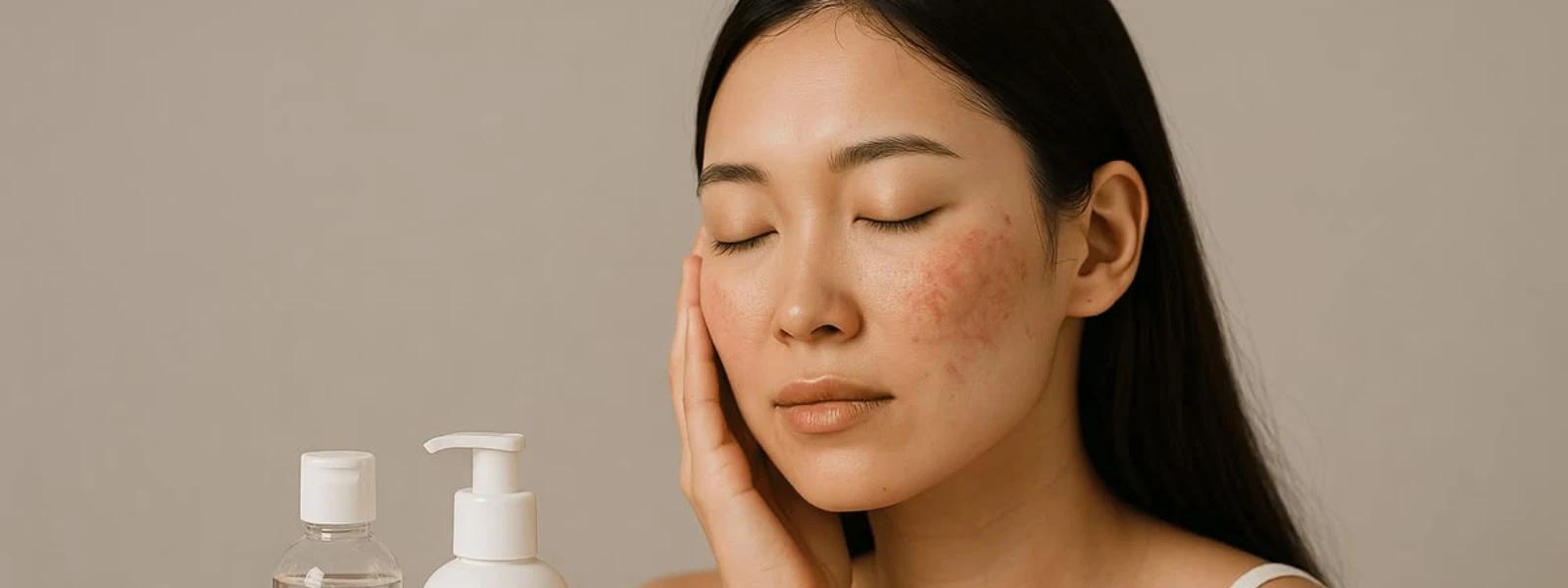
Post-inflammatory hyperpigmentation (PIH) from acne responds particularly well to niacinamide and alpha arbutin combinations. These ingredients are gentle enough for recently healed skin but effective enough to prevent dark spots from becoming permanent fixtures.
Hormonal discolouration, including melasma, often requires a more comprehensive approach. Vitamin C combined with gentle acids can help, but consistency is absolutely crucial. These types of pigmentation can be stubborn and may take 3-6 months of dedicated use to see significant improvement.
Sun-induced pigmentation typically responds well to vitamin C and retinol-based formulations. However, preventing further damage with daily SPF is non-negotiable—otherwise, you're essentially working against yourself.
For overall dullness and lack of radiance, uneven skin tone correction often comes down to improving cell turnover and boosting hydration alongside targeted brightening ingredients.
Knowing how to brighten skin effectively isn't just about choosing the right product—application technique and timing matter enormously. Most skin radiance boosters work best when applied to clean, slightly damp skin, allowing for better penetration.
The general rule is to apply your serum after cleansing but before heavier moisturisers or oils. Use gentle patting motions rather than rubbing, and always follow with SPF during the day. Some ingredients, particularly vitamin C, work beautifully in morning routines, whilst others like retinol are best reserved for evening use.

Mineral Sunscreen SPF 50 | Matte Finish | No White Cast | Non-Nano Zinc Oxide | Cica | Pregnancy Safe | All Skin Types | 50ml
Start slowly, especially if you're new to active ingredients. Begin with every other day application and gradually increase frequency as your skin adjusts. If you're using multiple active ingredients, introduce them one at a time to avoid irritation.
Always patch test new products, particularly if you have sensitive skin or are prone to reactions. Apply a small amount to your inner arm and wait 24-48 hours to ensure you don't experience any adverse effects.
The best brightening serum for you depends entirely on your skin type, specific concerns, and tolerance for active ingredients. There's no one-size-fits-all solution, but there are some general guidelines that can help.
For sensitive skin, look for formulations with niacinamide and alpha arbutin. These ingredients are effective but less likely to cause irritation than stronger acids or high-concentration vitamin C.
If you're dealing with both active breakouts and pigmentation, look for serums for glowing skin that combine brightening ingredients with gentle exfoliating acids. Niacinamide is particularly beneficial as it addresses both concerns simultaneously.
Hydrating formulations with peptides and stable vitamin C derivatives work well for dry skin types. Look for serums that include hyaluronic acid or glycerin to maintain moisture whilst delivering brightening benefits.
For melanin-rich skin tones, gentle, consistent approaches work best. Avoid harsh ingredients that might cause post-inflammatory hyperpigmentation, and always prioritise sun protection to prevent further pigmentation.
Understanding realistic expectations is crucial for success with any hyperpigmentation treatment. Your skin's natural renewal cycle takes approximately 28 days, which means you won't see dramatic changes overnight.
Within the first 1-2 weeks, many people notice improved skin texture and a subtle glow. This initial improvement comes from better hydration and the removal of surface dead skin cells.
By weeks 2-4, you should see more noticeable brightness and radiance. Your skin may appear more even-toned, and any dullness should start to diminish.
The most significant improvements in dark spots and pigmentation typically occur between weeks 4-8 of consistent use. This is when the deeper cellular changes become visible on the surface.

Salicylic Acid Face Cleanser | Deep Cleansing Formula for Breakouts | Unclogs Pores & Controls Oil | For Oily & Acne-Prone Skin | 100ml
For more stubborn pigmentation, particularly hormonal melasma or deep sun damage, you may need 3-6 months of dedicated use to see substantial improvement. Patience and consistency are your best allies in this journey.
Yes, brightening serums can be highly effective when they contain proven active ingredients like vitamin C, niacinamide, or alpha arbutin. Clinical studies show that consistent use of these ingredients can significantly improve skin tone and reduce the appearance of dark spots over time. However, results vary depending on your skin type, the severity of pigmentation, and how consistently you use the product.
Most brightening serums are safe for daily use, but it depends on the specific ingredients and your skin's tolerance. Gentle ingredients like niacinamide and alpha arbutin can typically be used twice daily, whilst stronger actives like high-concentration vitamin C or retinol might be better suited to once-daily or alternate-day use initially.
You'll typically notice an initial glow within 2-4 weeks, with more significant improvements in tone and dark spots appearing after 6-12 weeks of consistent use. Deeper pigmentation issues may take 3-6 months to show substantial improvement. The key is consistency and patience.
Yes, quality brightening serums are safe for all skin tones when they contain gentle, proven ingredients. However, people with darker skin tones should be particularly careful to avoid harsh ingredients that might cause irritation and subsequent post-inflammatory hyperpigmentation. Always patch test new products and start with lower concentrations.
You can layer different brightening ingredients, but it's important to introduce them gradually and understand which combinations work well together. For example, vitamin C and niacinamide can be used together, despite old myths suggesting otherwise. However, avoid combining multiple strong acids or high-concentration actives without building up tolerance first.
Understanding how brightening serums work empowers you to make informed decisions about your skincare routine. These powerful formulations can genuinely transform your complexion, but success lies in choosing the right ingredients for your specific concerns and using them consistently.
Remember that achieving radiant, even-toned skin is a journey, not a destination. Your skin will notice the difference when you commit to a routine that includes proven brightening ingredients, proper sun protection, and realistic expectations.
Whether you're exploring options through platforms that let you try before you buy or investing in full-sized products, the key is finding formulations that work with your skin type and lifestyle. With millions of users discovering new products and sharing their experiences, you're never alone in your skincare journey. Trust the process, be patient with your skin, and celebrate the small improvements along the way—they all add up to the glowing complexion you're working towards.
