Hormonal Acne Tips FAQ: Your Guide to Clear Skin


Target & Fade Duo for Hyperpigmentation | Even-Tone Underarms, Inner Thighs & Bum | Refines Skin Texture | For All Skin Types
That stubborn breakout along your jawline that appears like clockwork every month? The deep, painful spots that seem to mock every skincare routine you've tried? You're not alone in this frustrating dance with hormonal acne. Unlike the occasional stress-induced pimple, hormonal breakouts follow their own rhythm, often leaving you feeling defeated just when you thought your skin was finally cooperating. Real talk: understanding why these breakouts happen is the first step toward clearer, calmer skin.
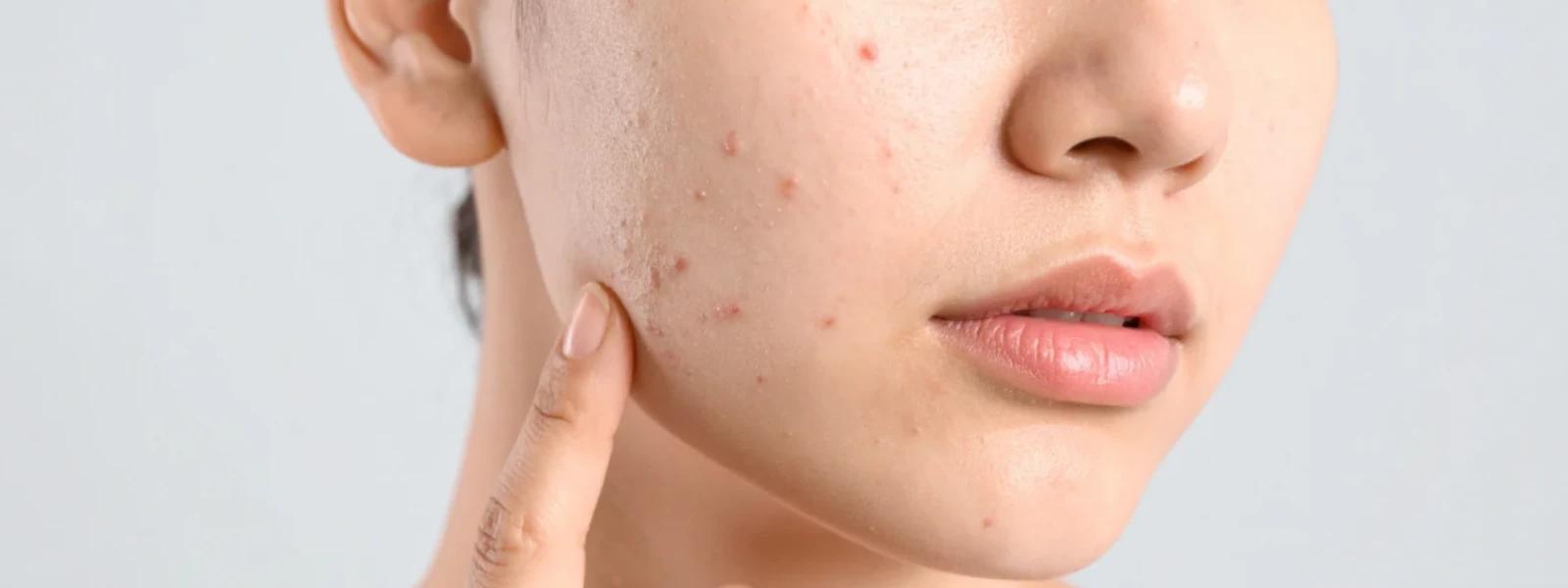
Hormonal acne isn't just a fancy term for adult breakouts—it's a specific type of acne triggered by fluctuations in your body's hormone levels. Unlike teenage acne that tends to appear across your T-zone, hormonal acne causes breakouts primarily along your jawline, chin, and lower cheeks. These spots often feel deeper, more tender, and take longer to heal than your average pimple.
The main culprit behind these breakouts is androgens—male hormones that both men and women produce. When androgen levels spike, they stimulate your sebaceous glands to produce more oil. This excess sebum, combined with dead skin cells, creates the perfect environment for acne and hormones to wreak havoc on your complexion.
Women often notice their breakouts worsen during specific times: the week before their period, during pregnancy, or when starting or stopping hormonal contraceptives. Stress also plays a significant role, as elevated cortisol levels can trigger androgen production. Even something as simple as switching to a new hair product or sleeping on unwashed pillowcases can exacerbate hormone imbalance acne.
What makes hormonal acne particularly challenging is its persistence. While teenage acne often improves with basic skincare routines, adult hormonal acne requires a more strategic approach that addresses both the external symptoms and internal triggers.
The good news? Hormonal acne treatment has come a long way, and there are several proven approaches that can help manage breakouts effectively. The key is finding the right combination that works for your specific skin type and lifestyle.
Topical treatments form the foundation of most effective routines. Retinoids, particularly adapalene and tretinoin, help speed up cell turnover and prevent pores from becoming clogged. Start slowly—perhaps twice a week initially—to allow your skin to adjust. Benzoyl peroxide remains one of the most effective ingredients for killing acne-causing bacteria, whilst salicylic acid helps dissolve the oil and dead skin cells that contribute to blockages.
For those dealing with persistent breakouts, prescription medications can provide significant relief. Combined oral contraceptives help regulate hormone fluctuations, particularly effective for women whose acne worsens around their menstrual cycle. Spironolactone, an anti-androgen medication, can dramatically reduce oil production and is often prescribed for adult acne solutions.
Professional treatments offer additional support for stubborn cases. Cortisone injections can quickly reduce the inflammation and size of cystic acne, making them invaluable for those painful, deep spots that seem to linger for weeks. Chemical peels and professional extractions can also help clear existing breakouts and prevent future ones.
Remember, most hormonal acne treatment options require patience. You'll typically need 8-12 weeks to see significant improvement, and initial purging is common with retinoids and other active ingredients.

Mineral Sunscreen SPF 50 | Matte Finish | No White Cast | Non-Nano Zinc Oxide | Cica | Pregnancy Safe | All Skin Types | 50ml
Creating an effective skincare for hormonal acne routine doesn't require a bathroom cabinet full of products—it requires the right products used consistently. Your skin craves gentle, consistent care rather than aggressive treatments that can trigger more oil production.
Your morning routine should focus on protection and gentle cleansing. Start with a pH-balanced cleanser that removes overnight buildup without stripping your skin. Look for ingredients like ceramides or hyaluronic acid that maintain your skin barrier. The best face wash for hormonal acne often contains salicylic acid or niacinamide, but avoid anything that leaves your skin feeling tight or squeaky clean.
After cleansing, apply a lightweight, non-comedogenic moisturiser. Even oily, acne-prone skin needs hydration—when your skin is dehydrated, it often overcompensates by producing more oil. Finish with a broad-spectrum SPF of at least 30. Sun protection is crucial because many acne treatments increase photosensitivity, and UV exposure can worsen post-inflammatory hyperpigmentation.
Your evening routine is where the real work happens. Double cleansing—starting with an oil-based cleanser followed by your regular cleanser—ensures you've removed all makeup, sunscreen, and daily buildup. This step is particularly important if you wear makeup or live in a polluted environment.
Apply your treatment products to clean, dry skin. If you're using retinoids, start with a pea-sized amount every other night. On alternate nights, you might use a salicylic acid treatment or niacinamide serum. Always finish with a gentle moisturiser to support your skin barrier.
When you're dealing with a particularly stubborn breakout, you need cystic acne remedies that work quickly without causing additional irritation. The temptation to pick or squeeze is real, but these aggressive tactics often lead to scarring and prolonged healing times.
For active breakouts, ice therapy can provide immediate relief. Wrap an ice cube in a clean cloth and hold it against the spot for 5-10 minutes. This reduces inflammation and can help shrink the size of the pimple. Follow up with a targeted spot treatment containing benzoyl peroxide or salicylic acid.
Hydrocolloid patches have become increasingly popular for good reason—they create a protective barrier whilst drawing out impurities. Apply them to clean skin and leave overnight for best results. For deeper, more painful spots, consider seeing a dermatologist for a cortisone injection, which can significantly reduce inflammation within 24-48 hours.
The connection between diet for acne and skin health is more significant than many people realise. Whilst food alone won't cure hormonal acne, certain dietary choices can either support or sabotage your skincare efforts.
Foods with a high glycemic index—think white bread, sugary snacks, and processed foods—can trigger insulin spikes that may increase androgen production. Instead, focus on low-glycemic options like quinoa, sweet potatoes, and leafy greens. These foods help maintain stable blood sugar levels, which can support more balanced hormone production.

Salicylic Acid Face Cleanser | Deep Cleansing Formula for Breakouts | Unclogs Pores & Controls Oil | For Oily & Acne-Prone Skin | 100ml
Omega-3 fatty acids, found in fatty fish, walnuts, and flaxseeds, have anti-inflammatory properties that may help reduce the severity of breakouts. Antioxidant-rich foods like berries, green tea, and dark leafy vegetables can help combat the oxidative stress that contributes to acne inflammation.
The relationship between dairy and acne remains controversial, but some people find that reducing dairy consumption helps improve their skin. If you suspect dairy might be triggering your breakouts, try eliminating it for 4-6 weeks to see if you notice any improvement.
Hydration plays a crucial role in skin health. Aim for at least 8 glasses of water daily, and consider adding green tea or spearmint tea, which may have anti-androgenic properties.
Managing hormone imbalance acne often requires looking beyond topical treatments to address the root causes. Stress management is crucial, as chronic stress elevates cortisol levels, which can trigger androgen production and worsen breakouts.
Regular exercise helps regulate hormones and reduce stress, but post-workout skincare is essential. Sweat mixed with bacteria and skincare products can clog pores, so cleanse your face as soon as possible after exercising. Choose breathable, moisture-wicking fabrics and avoid touching your face during workouts.
Sleep quality directly impacts hormone regulation. Aim for 7-9 hours of quality sleep each night, and consider your pillowcase hygiene. Silk or bamboo pillowcases are gentler on skin and hair, and washing them weekly prevents bacteria buildup.
Certain supplements may support clearer skin, though they should complement, not replace, a good skincare routine. Zinc has anti-inflammatory properties and may help reduce acne severity. Omega-3 supplements can support skin barrier function, whilst probiotics may help balance gut health, which some research suggests is connected to skin health.
Spearmint tea has gained attention for its potential anti-androgenic effects. Some studies suggest that drinking two cups daily may help reduce androgen levels, though more research is needed to confirm these effects.
The most effective approach combines consistent topical treatments with lifestyle modifications. Start with a gentle cleanser containing salicylic acid, use a retinoid or benzoyl peroxide treatment, and maintain a consistent routine. For faster results, consider professional treatments like cortisone injections for individual spots. Most people see improvement within 8-12 weeks, though some notice changes sooner.

Hydrating Moisturizer | Non-Comedogenic | Boosts Collagen & Hydrates Deeply | Ceramides + Niacinamide | For Normal to Dry Skin | 50g
Natural approaches include stress management through meditation or yoga, maintaining a low-glycemic diet, staying hydrated, and using gentle skincare ingredients like tea tree oil or niacinamide. However, severe hormonal acne often requires professional treatment. Natural methods work best as part of a comprehensive approach rather than standalone solutions.
Water is essential for maintaining skin hydration and supporting detoxification. Green tea provides antioxidants that may help reduce inflammation. Spearmint tea has shown promise in some studies for reducing androgen levels. Avoid high-sugar drinks and limit dairy if you suspect it triggers your breakouts.
Consistent gentle cleansing, stress reduction, adequate sleep, and a balanced diet form the foundation of natural treatment. Topical ingredients like tea tree oil, niacinamide, and salicylic acid can help manage breakouts. However, natural treatments require patience and consistency, and severe cases may need professional intervention.
Many people achieve significant improvement or complete clearance with the right treatment approach. However, hormonal acne often requires ongoing management rather than a one-time cure. Success rates are high with consistent treatment, but individual results vary based on factors like hormone levels, genetics, and lifestyle factors.
High-glycemic foods like refined sugars and processed carbohydrates can trigger insulin spikes that may worsen acne. Some people find dairy products problematic, possibly due to hormones naturally present in milk. Highly processed foods and those high in saturated fats may also contribute to inflammation and breakouts.
Most effective treatments require 8-12 weeks to show significant results. Some people notice improvement within 4-6 weeks, whilst others may need 3-4 months to see dramatic changes. Initial purging is common with retinoids and other active ingredients, so patience is essential during the first few weeks of treatment.
Managing hormonal acne successfully requires understanding that it's not just a surface-level concern—it's a complex interplay of hormones, lifestyle factors, and skincare choices. The most effective clear skin tips combine consistent topical treatments with attention to diet, stress management, and overall wellness.
Remember that finding the right routine takes time and patience. What works for your friend might not work for you, and that's perfectly normal. The key is starting with gentle, proven ingredients and building your routine gradually. Whether you're exploring new products through platforms like Smytten Shop, where you can try samples before committing to full sizes, or working with a dermatologist for prescription treatments, consistency is your best friend.
Your skin journey is unique, and setbacks don't mean failure—they're part of the process. With the right combination of treatments, lifestyle adjustments, and patience, clearer skin is absolutely achievable. Trust the process, be gentle with yourself, and remember that healthy skin is a marathon, not a sprint.
