Hormonal Acne FAQ: Your Guide to Clear Skin


Salicylic Acid Face Cleanser | Deep Cleansing Formula for Breakouts | Unclogs Pores & Controls Oil | For Oily & Acne-Prone Skin | 100ml
That stubborn breakout along your jawline that appears like clockwork before your period? The deep, painful spots that seem to mock every skincare routine you've tried? You're not alone in this frustrating dance with hormonal acne. Unlike the occasional teenage spot, adult acne follows its own rules, often appearing when you least expect it and refusing to budge with traditional treatments. Real talk: understanding what's happening beneath your skin is the first step to finally getting those persistent breakouts under control.
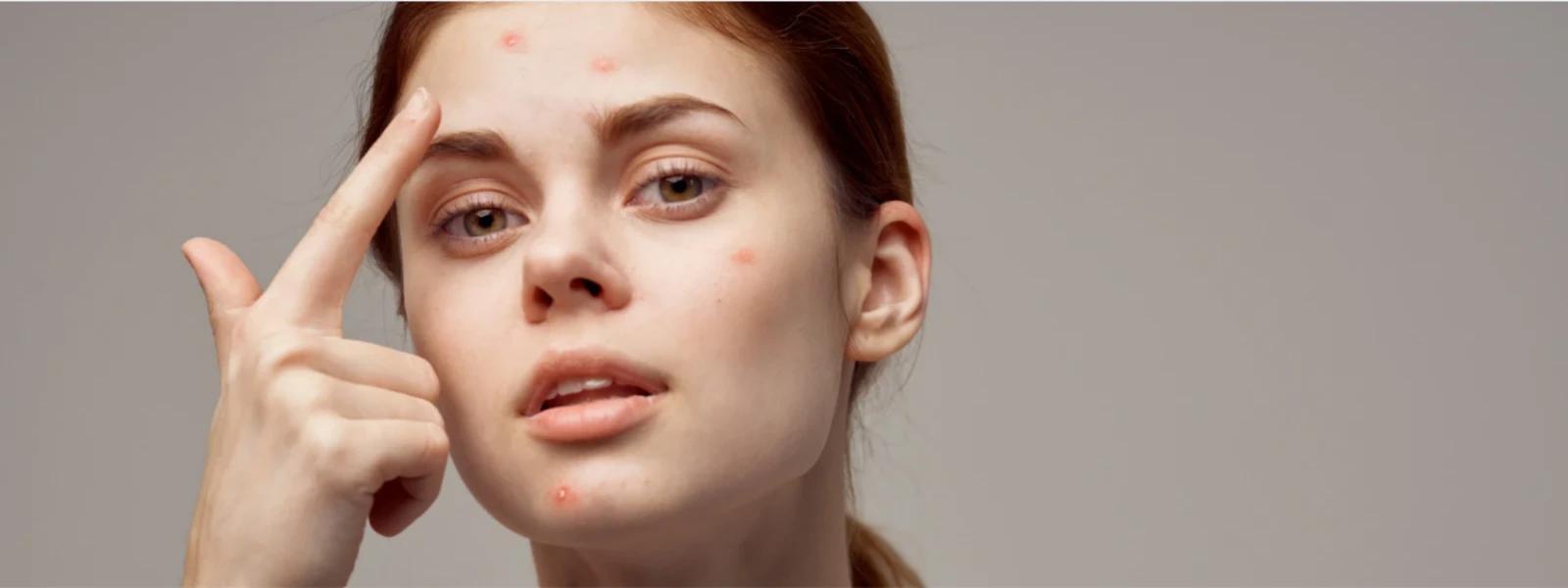
Hormonal acne isn't just a fancy term for regular spots – it's a specific type of breakout triggered by fluctuating hormone levels in your body. Unlike bacterial acne that can pop up anywhere, hormonal breakouts have a signature: they love the lower third of your face, particularly your jawline, chin, and sometimes your cheeks.
The main culprit? Androgens – male hormones that both men and women produce. When these hormones surge, they tell your sebaceous glands to go into overdrive, producing excess oil that clogs your pores. Think of it as your skin's unfortunate response to your body's natural hormone fluctuations.
Ever noticed how your breakouts seem to follow a pattern? The lower face has more androgen receptors, making it particularly sensitive to hormonal changes. This is why you'll often see cystic acne forming along the jawline and chin – these areas are essentially hormone hotspots.
Several factors can trigger hormonal imbalance acne:
Menstrual cycles – oestrogen drops before your period, allowing androgens to dominate
PCOS – elevated androgen levels create persistent breakouts
Stress – cortisol spikes can worsen existing hormonal imbalances
Pregnancy and postpartum – dramatic hormone shifts affect skin behaviour
Perimenopause – declining oestrogen levels in your 40s and beyond
When it comes to managing hormonal acne treatment, working from the inside out often proves most effective. Medical treatments target the root cause – those pesky hormones – rather than just treating surface symptoms.
Spironolactone has become a game-changer for many dealing with persistent adult acne. This medication blocks androgen receptors, essentially telling your oil glands to calm down. Most dermatologists start with 50-100mg daily, though some patients need up to 200mg for optimal results.
Certain birth control pills can help regulate hormones and reduce breakouts. Pills containing both oestrogen and progestin work best, particularly those with anti-androgenic properties. However, not all contraceptives are acne-friendly – some can actually make breakouts worse.

Dark Patch Removal Cream | For Knees, Neck & Elbows | Kojic Acid, AHAs & MelaMe Complex | Fades Pigmentation | Smoothens Skin | Pack of 2 | 50g
For targeted hormonal acne treatment, dermatologists often prescribe:
Tretinoin – increases cell turnover and prevents clogged pores
Adapalene – gentler retinoid option for sensitive skin
Prescription benzoyl peroxide – stronger formulations for stubborn bacteria
Azelaic acid – reduces inflammation and helps with post-acne marks
Creating an effective acne skincare routine for hormonal breakouts requires patience and consistency. Your skin needs gentle but effective ingredients that work with your hormonal fluctuations, not against them.
Start your morning with a gentle cleanser – over-cleansing can actually trigger more oil production. Follow with a salicylic acid treatment to keep pores clear, then moisturise even if your skin feels oily. This might seem counterintuitive, but dehydrated skin often produces more oil to compensate.
Benzoyl peroxide works brilliantly for hormonal breakouts, but timing matters. Apply it in the evening to clean skin, starting with a 2.5% concentration to avoid irritation. If you're using retinoids, alternate nights to prevent over-exfoliation.
That post-gym glow can quickly turn into post-gym breakouts if you're not careful. Rinse your face with cool water immediately after exercising, then follow your usual routine once you're home. Never let sweat sit on your skin for extended periods.
While medical treatments tackle hormones directly, lifestyle changes can provide powerful support for achieving clear skin. Think of these acne remedies as your backup singers – they might not be the star of the show, but they make everything else sound better.
Your diet plays a bigger role in hormonal balance than you might think. High-glycemic foods – think white bread, sugary snacks, and processed foods – can spike insulin levels, which in turn can increase androgen production. Swapping these for complex carbohydrates and anti-inflammatory foods can help stabilise your hormones.

Target & Fade Duo for Hyperpigmentation | Even-Tone Underarms, Inner Thighs & Bum | Refines Skin Texture | For All Skin Types
Chronic stress elevates cortisol, which can worsen existing hormonal imbalances and trigger breakouts. Quality sleep becomes crucial – aim for 7-9 hours nightly to allow your hormones to regulate naturally. Even a 10-minute evening walk or brief meditation session can help lower stress hormones.
While supplements aren't magic bullets, some can support your skin from within:
Zinc – helps reduce inflammation and regulate oil production
DIM – supports healthy oestrogen metabolism
Probiotics – emerging research suggests gut health influences skin health
Vitamin D – deficiency has been linked to acne severity
Not all hormonal breakouts look the same, and recognising the type you're dealing with can help guide your treatment approach. Cystic acne presents as deep, painful nodules that feel like hard lumps under the skin. These rarely come to a head and can persist for weeks without proper treatment.
PCOS-related acne often appears as persistent breakouts along the jawline and chin, accompanied by other symptoms like irregular periods or excess facial hair. These breakouts tend to be deeper and more inflammatory than typical hormonal acne.
Some cases of adult acne prove particularly stubborn, failing to respond to standard treatments. This might indicate underlying hormonal imbalances that require investigation, or the need for stronger prescription medications. Don't suffer in silence if your current routine isn't working after 3-4 months of consistent use.
Knowing when to seek professional help can save you months of frustration and prevent scarring. If you're dealing with moderate to severe breakouts, deep cystic acne, or notice scarring beginning to form, it's time to book that dermatology appointment.
A dermatologist can assess whether your acne is truly hormonal or if other factors are at play. They'll consider your medical history, examine your skin, and may recommend blood tests to check hormone levels. This comprehensive approach ensures you get targeted treatment rather than a one-size-fits-all solution.
Come prepared with photos of your skin at its worst and best, a list of products you've tried, and details about your menstrual cycle if applicable. Your dermatologist will develop a personalised treatment plan that might combine topical treatments, oral medications, and lifestyle recommendations.

Mineral Sunscreen SPF 50 | Matte Finish | No White Cast | Non-Nano Zinc Oxide | Cica | Pregnancy Safe | All Skin Types | 50ml
Managing hormonal acne requires a multi-pronged approach. Start with a consistent skincare routine using salicylic acid and benzoyl peroxide, maintain a balanced diet, and consider seeing a dermatologist for prescription treatments if over-the-counter options aren't working. Most people see improvement within 6-12 weeks of starting an effective treatment plan, though severe cases may take longer.
Key signs include persistent acne along the jawline and chin, irregular menstrual cycles, excess facial or body hair, unexplained weight gain or difficulty losing weight, and mood changes or sleep disturbances. These symptoms often appear together and can indicate conditions like PCOS that require medical attention.
Zinc is often most effective for acne, with studies showing 30-40mg daily can reduce inflammation and oil production. Vitamin A (through retinoids) helps with cell turnover, while DIM supports healthy hormone metabolism. Always consult a healthcare provider before starting new supplements, especially if you're taking other medications.
PCOS-related breakouts typically appear as deep, cystic lesions along the jawline, chin, and sometimes the neck. These spots are often painful, don't come to a head easily, and tend to recur in the same locations. They're usually accompanied by other PCOS symptoms like irregular periods or excess hair growth.
While some people experience improvement as their hormones naturally stabilise with age, most cases of hormonal acne require active management. Without treatment, breakouts often persist and can worsen over time, potentially leading to scarring. Early intervention typically leads to better outcomes.
Most people begin seeing improvement within 6-8 weeks of starting an effective treatment routine, with significant clearing by 3-4 months. However, hormonal acne can be cyclical, so maintaining your routine is crucial even after achieving clear skin. Prescription treatments may work faster but require medical supervision.
Managing hormonal acne isn't about finding a quick fix – it's about understanding your skin's unique needs and building a sustainable routine that works with your body's natural rhythms. Whether you're dealing with monthly breakouts or persistent cystic acne, remember that effective treatment often takes time and patience.
Your skin journey is valid, and finding the right combination of treatments might require some trial and error. The Smytten Shop offers a curated selection of skincare products from trusted brands, allowing you to explore different options without committing to full-sized products immediately. With over 28 million users discovering their perfect skincare matches, you're in good company on this path to clearer skin.
Most importantly, don't hesitate to seek professional help when needed. A dermatologist can provide targeted solutions that address the root causes of your breakouts, potentially saving you years of frustration. Your skin deserves the same attention and care you'd give any other aspect of your health.
