Hormonal Acne Explained: Your Complete FAQ Guide
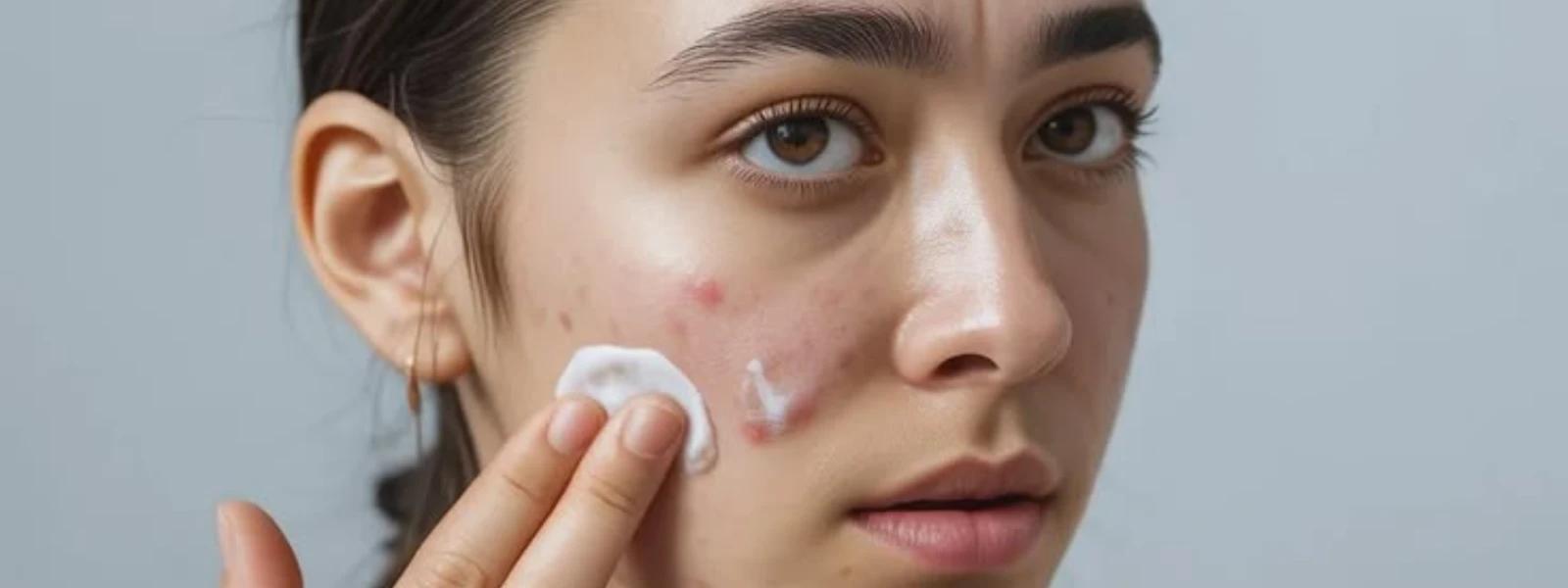

That painful bump along your jawline that seems to appear right before an important meeting? Or those deep, stubborn cysts that refuse to come to a head no matter what you try? If you're dealing with breakouts that feel different from the spots you had as a teenager, you're likely experiencing hormonal acne. Unlike the blackheads and whiteheads of adolescence, hormonal acne has its own rulebook – and understanding it is the first step towards clearer skin. Let's dive into everything you need to know about this common yet frustrating skin concern.
Hormonal acne is exactly what it sounds like – breakouts triggered by fluctuations in your hormone levels. While all acne involves some degree of hormonal influence, true hormonal acne is directly linked to changes in androgens (like testosterone), oestrogen, and progesterone. These hormonal shifts cause your sebaceous glands to produce excess oil, leading to clogged pores and inflammation.
The key difference lies in timing and location. Regular acne often appears during puberty when hormone levels are naturally surging, typically affecting the T-zone (forehead, nose, and chin). Adult acne, on the other hand, tends to cluster around the lower face – particularly the jawline, chin, and neck – and follows predictable patterns tied to your menstrual cycle, stress levels, or life changes.
What makes hormonal acne particularly challenging is its persistence. While teenage acne often resolves as hormone levels stabilise, hormonal imbalance acne can continue well into your twenties, thirties, and beyond. It's also more likely to be inflammatory, presenting as painful cysts and nodules rather than surface-level spots.
To tackle hormonal acne effectively, it helps to understand what's happening beneath the surface. The primary culprit is androgens – male hormones that both men and women produce. When androgen levels spike, they stimulate your oil glands to work overtime, creating the perfect environment for acne and hormones to wreak havoc.
Several factors can trigger these hormonal fluctuations. Your menstrual cycle is the most common trigger for women, with breakouts typically appearing in the week before your period when progesterone levels drop and androgens become more dominant. Pregnancy brings its own hormonal rollercoaster, often improving acne in the second and third trimesters but potentially worsening it initially.
PCOS (Polycystic Ovary Syndrome) is a significant contributor to persistent adult acne. Women with PCOS often have elevated androgen levels, leading to more severe and treatment-resistant breakouts. Thyroid disorders and insulin resistance can also disrupt your hormonal balance, contributing to ongoing skin issues.
Stress plays a major role in hormonal acne causes. When you're stressed, your body produces more cortisol, which can increase oil production and inflammation. Poor sleep, certain medications, and even some skincare products can also influence your hormonal balance and trigger breakouts.
Recognising hormonal acne isn't always straightforward, but there are telltale signs that can help you identify it. Location is often the biggest clue – if your breakouts consistently appear along your jawline, chin, or neck, hormones are likely the culprit.
The appearance of hormonal acne is distinctly different from other types of acne. These breakouts tend to be deeper, more painful, and often don't come to a head easily. You might notice large, tender bumps that feel like they're brewing beneath the surface for days before either resolving or developing into full-blown cysts.
Pay attention to when your breakouts occur. Hormonal acne often follows a predictable pattern, flaring up in the week before your period or during times of high stress. If you notice your skin consistently worsening at certain times of the month, hormones are likely involved.
Cystic acne is the most severe form of hormonal acne, presenting as large, painful nodules deep within the skin. These cysts can take weeks to resolve and often leave behind dark marks or scarring. Unlike surface-level spots, cystic acne rarely responds to topical treatments alone.
Effective hormonal acne treatment often requires a multi-pronged approach that addresses both the hormonal triggers and the resulting skin inflammation. The good news is that there are numerous options available, from prescription medications to targeted skincare routines.
Prescription treatments remain the gold standard for severe hormonal acne. Spironolactone, an anti-androgen medication, can significantly reduce oil production and inflammation. Combined oral contraceptives help regulate hormone levels, while topical retinoids like adapalene or tretinoin work to unclog pores and reduce inflammation.
Dermatologists can offer in-office procedures that provide faster relief. Cortisone injections can quickly reduce the size and pain of cystic breakouts, while chemical peels help address post-inflammatory hyperpigmentation and prevent future breakouts.
One of the most important things to understand about hormonal acne solutions is that they take time. Most treatments require 8-16 weeks to show significant improvement, and it's common for skin to initially worsen before getting better. Patience and consistency are crucial for success.
While topical treatments alone may not cure hormonal acne, the right skincare for hormonal acne can significantly improve your skin's appearance and prevent future breakouts. The key is choosing products that work with your skin's natural processes rather than against them.
Start with a gentle, non-comedogenic cleanser that removes excess oil without stripping your skin. Look for ingredients like salicylic acid or benzoyl peroxide in your cleansers or treatment products, but introduce them gradually to avoid irritation.
Niacinamide is particularly beneficial for hormonal acne as it helps regulate oil production and reduce inflammation. Retinoids remain the gold standard for acne treatment, helping to unclog pores and promote cell turnover. Zinc and tea tree oil offer natural anti-inflammatory benefits.
Resist the urge to over-treat your skin. Harsh scrubs, alcohol-based toners, and multiple active ingredients used simultaneously can actually worsen hormonal acne by disrupting your skin barrier and increasing inflammation.
Understanding how to clear hormonal acne extends beyond skincare products. Your lifestyle choices can significantly impact your hormonal balance and, consequently, your skin's health.
While the relationship between diet and acne is still being researched, some foods may trigger hormonal fluctuations. High-glycemic foods and dairy products have been linked to increased acne severity in some individuals. Focus on anti-inflammatory foods rich in omega-3 fatty acids, zinc, and antioxidants.
Chronic stress elevates cortisol levels, which can worsen hormonal imbalance acne. Regular exercise, adequate sleep, and stress-reduction techniques like meditation can help regulate your hormones naturally.
Poor sleep disrupts your body's natural hormone production, potentially worsening acne. Aim for 7-9 hours of quality sleep each night to support your skin's healing processes.
Androgens, particularly testosterone, are the primary hormones responsible for acne in females. When androgen levels rise relative to oestrogen and progesterone, they stimulate increased oil production, leading to clogged pores and breakouts.
While there's no permanent "cure" for hormonal acne, it can be effectively managed with the right treatment approach. Many people see significant long-term improvement with consistent treatment, though maintenance therapy is often needed.
PCOS-related acne typically appears as persistent, inflammatory breakouts along the jawline, chin, and neck. It's often accompanied by other signs of elevated androgens, such as excess facial hair or male-pattern hair loss.
Individual breakouts can last 2-6 weeks, but hormonal acne as a condition can persist for years without proper treatment. With appropriate therapy, most people see improvement within 3-6 months.
While the jawline is the most common location, hormonal acne can also appear on the chin, neck, chest, and back. The lower face concentration is due to the higher density of oil glands in these areas.
Yes, men can definitely experience hormonal acne, though it's less common than in women. Male hormonal acne is often triggered by stress, certain medications, or underlying health conditions affecting testosterone levels.
Hormonal acne can persist or even worsen with age, particularly during periods of hormonal change like pregnancy, perimenopause, or menopause. However, with proper treatment, it can be effectively managed at any age.
Consider seeing a dermatologist if your acne is painful, cystic, leaving scars, or not responding to over-the-counter treatments after 6-8 weeks. Also seek professional help if acne is accompanied by other signs of hormonal imbalance.
Understanding hormonal acne is the first step towards achieving clearer skin. Remember that this condition is incredibly common – you're not alone in this journey, and effective treatments are available. The key is finding the right combination of medical treatment, skincare routine, and lifestyle modifications that work for your unique situation.
If you're exploring new skincare products to support your hormonal acne treatment, platforms like Smytten Shop offer the opportunity to try products before committing to full sizes. With access to premium brands and the ability to test formulations on your skin first, you can build a routine that truly works for you without the guesswork. Their curated selection and cashback options make it easier to find effective solutions within your budget.
Your skin journey is unique, and what works for others might not work for you – and that's perfectly normal. Be patient with the process, consistent with your routine, and don't hesitate to seek professional help when needed. Clear skin is achievable, even with hormonal acne.
