Home Remedies vs Clinical Treatments for Dark Underarms


Dark Spot Reduction Set | 3-Step Routine for Hyperpigmentation & Even Skin Tone | Cleanser, Serum & Moisturizer | Skin Care Routine Kit
You've noticed those dark patches under your arms again, haven't you? Whether it's the dreaded moment of reaching for something on a high shelf or simply wanting to wear that sleeveless top with confidence, underarm discoloration can feel like an unwelcome companion. The good news? You're absolutely not alone in this journey, and there are proven ways to address armpit hyperpigmentation that actually work. From kitchen remedies your grandmother might have sworn by to cutting-edge clinical treatments, let's explore what really helps when it comes to treating those dark shadows under arms.
Before diving into solutions, it's worth understanding what's actually happening beneath the surface. Armpit hyperpigmentation isn't just about aesthetics—it's your skin responding to various triggers in ways that increase melanin production or cause inflammation.
The most common culprits include constant friction from tight clothing and frequent shaving, which creates micro-trauma that your skin responds to by producing more pigment. Hormonal fluctuations, particularly those linked to insulin resistance, can trigger a condition called acanthosis nigricans. Even your trusty deodorant might be causing contact dermatitis, leading to post-inflammatory darkening.
Your daily habits might be contributing more than you realise. Tight synthetic fabrics create constant friction, whilst harsh scrubbing or frequent shaving can irritate delicate underarm skin. Hormonal changes during pregnancy, PCOS, or diabetes often manifest as dark shadows under arms. Some deodorants and antiperspirants contain ingredients that can cause allergic reactions, leading to inflammation and subsequent darkening.
Not all underarm discoloration is the same. Acanthosis nigricans appears as velvety, thick patches often linked to insulin resistance. Post-inflammatory hyperpigmentation shows up after irritation or infection heals. Contact dermatitis creates patchy, sometimes itchy discoloration from product reactions.
Let's be honest—there's something deeply satisfying about solving skin concerns with ingredients you already have at home. Natural remedies for dark underarms have been passed down through generations, and whilst they require patience, many have genuine scientific backing.
The appeal of dark armpit remedies lies in their gentleness and accessibility. You're not introducing harsh chemicals to sensitive skin, and you can control exactly what goes onto your body. However, realistic expectations are crucial—natural doesn't mean instant.
Lemon juice contains natural citric acid that can help exfoliate dead skin cells and has mild bleaching properties. Mix fresh lemon juice with a pinch of turmeric for added anti-inflammatory benefits. Baking soda works as a gentle physical exfoliant—create a paste with water and massage gently twice weekly.
Potato slices might sound odd, but they contain vitamin C and mild enzymes that can help brighten skin over time. Simply rub fresh potato slices on clean underarms for 10-15 minutes daily. Aloe vera gel soothes irritation whilst promoting skin regeneration—particularly helpful if your darkening stems from inflammation.

Rapid Dark Spot Correction Set | Reduces Dark Spots & Post-Acne Marks | Cleanser, Gel, Moisturizer & Sunscreen Kit
For a powerful weekly treatment, mix two tablespoons of gram flour with one teaspoon of turmeric, a squeeze of lemon juice, and enough rose water to form a paste. Apply to clean underarms, leave for 15 minutes, then gently scrub off whilst rinsing. This combination exfoliates, brightens, and soothes simultaneously.
Apple cider vinegar diluted with equal parts water can help balance skin pH and has antimicrobial properties. Apply with a cotton pad, leave for 10 minutes, then rinse thoroughly. Always patch test first, as some skin types find ACV too harsh.
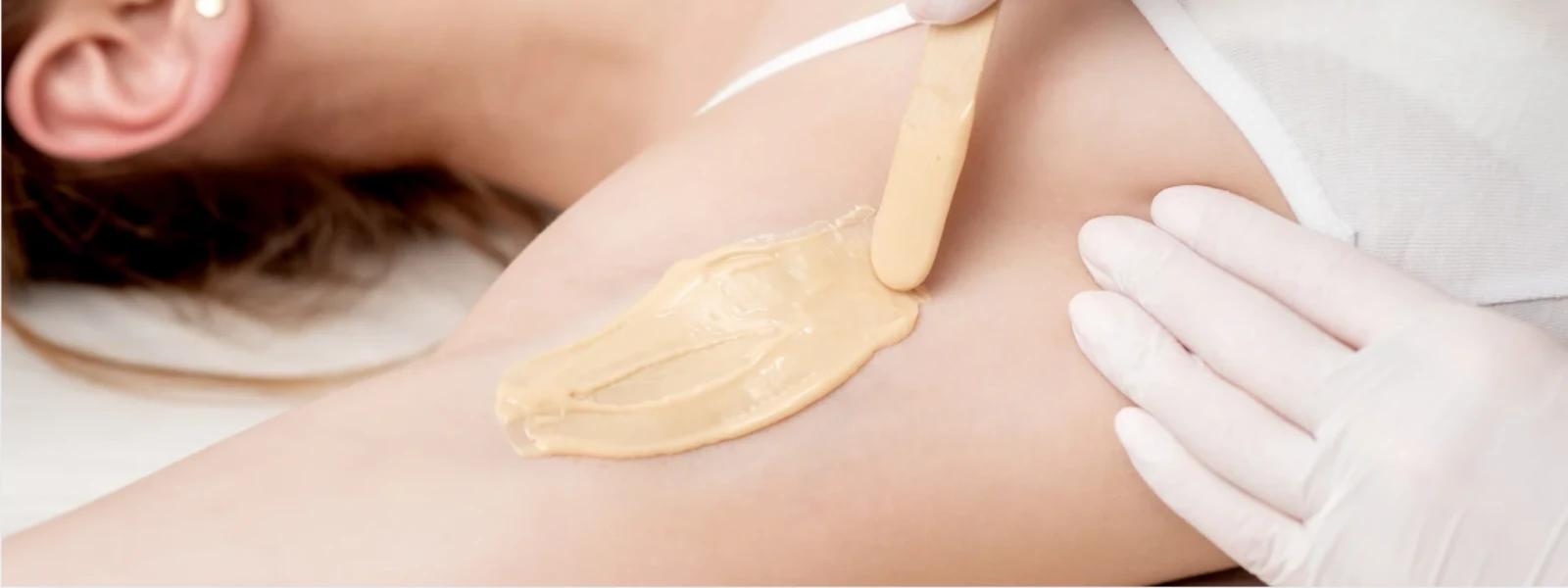
When home remedies aren't cutting it, or if you're dealing with severe armpit hyperpigmentation, professional treatments offer more targeted and often faster results. Clinical treatments for underarms work by either removing pigmented skin layers or inhibiting melanin production at a cellular level.
The advantage of professional treatments lies in their precision and potency. Dermatologists can assess your specific type of pigmentation and recommend treatments accordingly. However, they do require investment—both financial and in terms of downtime.
Chemical peels using glycolic acid or salicylic acid can effectively remove pigmented skin layers. A series of light peels is often more effective than one aggressive treatment. Laser therapy, particularly IPL (Intense Pulsed Light) and Q-switched lasers, targets melanin directly without damaging surrounding tissue.
Prescription topicals like hydroquinone, tretinoin, and kojic acid work by inhibiting melanin production. These are often combined in custom formulations for maximum effectiveness. Microdermabrasion provides controlled exfoliation that's more intensive than home scrubs but gentler than chemical peels.
Medical spas now offer specialised beauty treatments for armpits that combine multiple approaches. These might include enzyme peels followed by LED light therapy, or microneedling with vitamin C serums. The key is finding practitioners who understand the unique challenges of underarm skin.
Choosing between natural and professional approaches isn't always straightforward. Your decision should factor in severity, timeline, budget, and skin sensitivity. Let's break down the realistic expectations for each approach.
Home remedies typically show gradual improvement over 4-8 weeks with consistent use. They're budget-friendly, ranging from ₹50-500 for ingredients, and generally safe for most skin types. However, results can be subtle and require ongoing maintenance.
Clinical treatments often show noticeable results within 2-4 weeks, with dramatic improvement possible in 6-8 weeks. Costs range from ₹2,000-15,000 per session, depending on the treatment type and location. Professional treatments can address severe pigmentation that home remedies simply can't tackle.

Advanced Anti-Pigmentation Kit | Hyperpigmentation Reduction Kit | Cleanser, Serum, Moisturizer & Sunscreen | Complete Skin Care Routine
For mild to moderate underarm discoloration, home remedies combined with proper skincare can be remarkably effective. Severe cases, particularly those linked to medical conditions, typically require professional intervention for meaningful results.
Consider natural remedies if your darkening is recent, mild, or clearly linked to irritation from products or shaving. They're also ideal if you have sensitive skin or prefer gradual, gentle approaches. Professional treatments make sense for long-standing pigmentation, severe discoloration, or when you need faster results for a specific event.
Whether you're mixing up kitchen remedies or booking dermatologist appointments, safety should always come first. Underarm skin is particularly sensitive, and what works for your face might be too harsh for this delicate area.
Always patch test any new ingredient or product on a small area first. Wait 24-48 hours to check for reactions before applying to larger areas. If you experience burning, excessive redness, or irritation, discontinue use immediately.
Never use undiluted lemon juice or essential oils directly on underarms—they can cause chemical burns or sensitisation. Avoid scrubbing vigorously, especially after shaving or if skin is already irritated. If you're pregnant or breastfeeding, stick to gentler options like aloe vera or oatmeal-based treatments.
Professional treatments require proper aftercare to prevent complications. Avoid deodorants, tight clothing, and excessive sweating for 24-48 hours post-treatment. Sun protection is crucial, even though underarms aren't typically sun-exposed, as treated skin can be photosensitive.
The best treatment for dark patches under arms is preventing them in the first place. Simple changes to your daily routine can make a significant difference in maintaining clear, even-toned underarms.
Switch to loose-fitting, breathable fabrics, especially during exercise or hot weather. Choose deodorants with gentle, skin-friendly ingredients—look for options containing niacinamide or vitamin C, which can actually help brighten skin over time.
Gentle cleansing with a mild, fragrance-free soap prevents bacterial buildup without over-drying. Follow with a lightweight, non-comedogenic moisturiser to maintain skin barrier function. If you shave, use a sharp razor with plenty of shaving cream, and consider reducing frequency to minimise irritation.

Target & Fade Duo for Hyperpigmentation | Even-Tone Underarms, Inner Thighs & Bum | Refines Skin Texture | For All Skin Types
Managing underlying health conditions like diabetes or PCOS can significantly improve armpit hyperpigmentation. Regular exercise helps with insulin sensitivity, but shower promptly afterwards to prevent bacterial overgrowth. Maintain a healthy weight, as excess weight can increase friction and hormonal fluctuations.
Most natural remedies for dark underarms require 4-6 weeks of consistent daily use before you'll notice visible improvement. Mild cases might show changes in 2-3 weeks, whilst more stubborn pigmentation can take 8-12 weeks. The key is patience and consistency—skipping days will significantly slow your progress.
Yes, but timing matters. If you're using prescription topicals or have had professional treatments, wait at least a week before introducing home remedies. Start with gentler options like aloe vera or cucumber, and avoid acidic ingredients like lemon juice which might interact with clinical treatments.
Avoid harsh scrubs, undiluted essential oils, and products containing alcohol or strong fragrances. Hydroquinone, whilst effective, should only be used under dermatologist supervision. If you have sensitive skin, patch test everything, even supposedly gentle ingredients like baking soda.
Consider professional help if home remedies show no improvement after 8-10 weeks of consistent use, if the darkening is severe or spreading, or if it's accompanied by other symptoms like itching or thickness. Sudden onset of dark patches should always be evaluated by a healthcare provider.
There's no one-size-fits-all answer, but niacinamide consistently shows excellent results for various types of pigmentation. It's gentle enough for daily use, helps regulate melanin production, and has anti-inflammatory properties. Look for products with 2-5% niacinamide concentration.
The journey to clearer underarms isn't about finding the perfect quick fix—it's about understanding your skin and choosing approaches that work with your lifestyle, budget, and skin type. Whether you start with gentle home remedies or invest in professional treatments, consistency and patience are your best allies.
Remember, treating dark underarms is entirely possible with the right approach. Many people see significant improvement by combining simple preventive measures with targeted treatments. Your skin's response might be different from someone else's, and that's completely normal.
If you're exploring new skincare products or treatments, platforms like Smytten offer the perfect opportunity to try before you commit. With access to premium brands and the ability to test products through samples, you can discover what works for your unique skin needs without the guesswork. Sometimes the most effective solution is the one you can try risk-free first.
