Guide to Acne Pigmentation FAQ: Causes, Treatments & Removal


Target & Fade Duo for Hyperpigmentation | Even-Tone Underarms, Inner Thighs & Bum | Refines Skin Texture | For All Skin Types
You've finally cleared your acne, but now you're left staring at dark spots and uneven patches where breakouts used to be. Those stubborn marks seem to linger forever, making you wonder if your skin will ever look smooth and even again. If this sounds familiar, you're dealing with post-inflammatory hyperpigmentation – one of the most common concerns after acne clears. The good news? These marks aren't permanent scars, and with the right approach, you can fade them effectively.
Post-inflammatory hyperpigmentation, or PIH, is your skin's natural response to inflammation from acne. When a spot heals, your skin sometimes produces extra melanin in that area, leaving behind a dark mark. Think of it as your skin's overzealous attempt to protect itself – like wearing sunglasses indoors because someone turned the lights on too quickly.
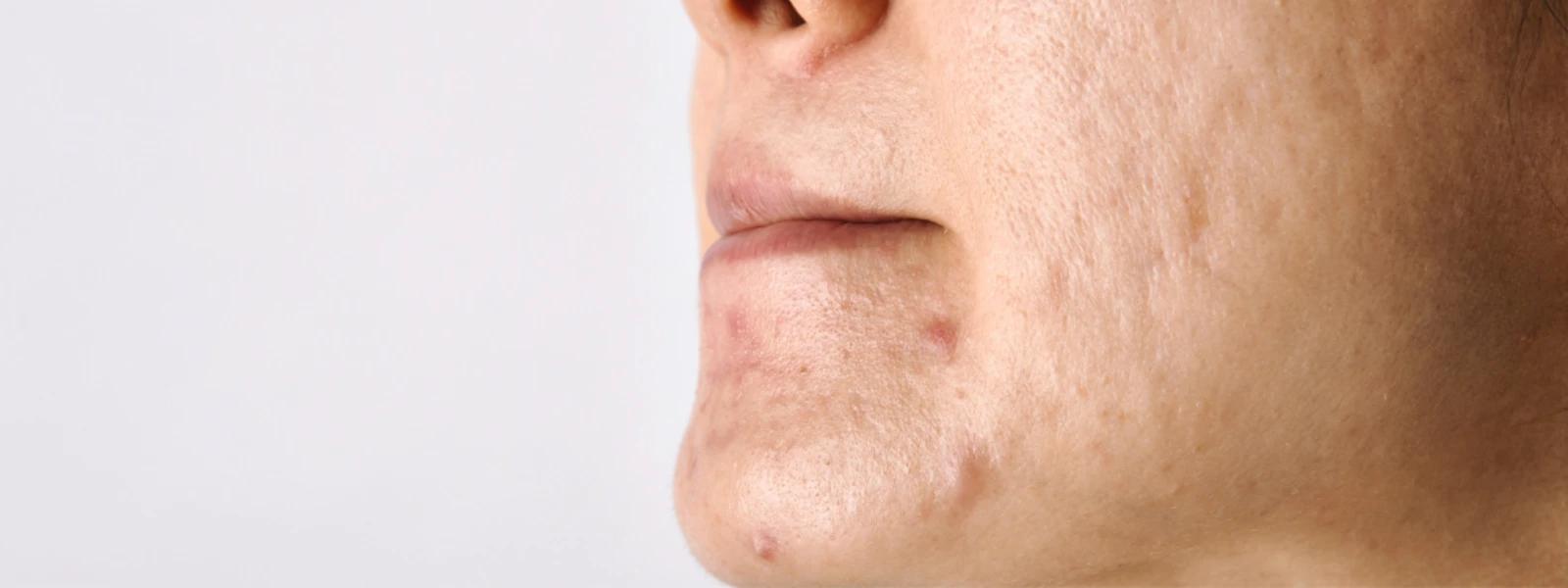
PIH appears as flat, dark spots that range from light brown to deep black, depending on your skin tone. Unlike acne scars, these marks don't change your skin's texture – they're purely about colour. You can run your finger over them and feel completely smooth skin.
Acne pigmentation sits on the surface as discolouration, whilst acne scars create actual indentations or raised areas in your skin. PIH will fade naturally over time (though it takes patience), whereas true scars are permanent changes to your skin's structure.
If you have deeper skin tones, you might notice dark spots more prominently. This happens because melanin-rich skin produces more pigment in response to inflammation. It's not unfair – it's just how your skin is designed to protect itself.
Understanding why hyperpigmentation happens helps you prevent it in future. Your skin creates these marks through a cascade of events that starts with inflammation and ends with excess melanin production.
The primary trigger is inflammatory acne itself. When your skin fights infection in a blocked pore, it releases inflammatory mediators that can stimulate melanocytes – the cells that produce pigment. The more inflamed the spot, the more likely it is to leave a mark behind.
UV rays don't cause PIH directly, but they make existing skin discoloration darker and more persistent. Even five minutes of unprotected sun exposure can set back weeks of fading progress. This is why dermatologists are obsessive about sunscreen – it's not just preventing new damage, it's protecting your healing process.
We've all been there – that satisfying pop when you squeeze a spot. But picking and squeezing dramatically increases your risk of PIH. The trauma from squeezing pushes infected material deeper into your skin and creates more inflammation than the original spot would have caused.
Hormonal changes during your cycle, pregnancy, or times of stress can make your skin more prone to both acne and subsequent pigmentation. Oestrogen and progesterone fluctuations affect how your skin responds to inflammation.
Not all post-acne marks are created equal. Knowing what type you're dealing with helps you choose the right treatment approach and set realistic expectations for fading time.

Mineral Sunscreen SPF 50 | Matte Finish | No White Cast | Non-Nano Zinc Oxide | Cica | Pregnancy Safe | All Skin Types | 50ml
Post-inflammatory hyperpigmentation appears as brown, black, or dark red flat spots. These are most common in medium to deep skin tones and typically fade within 3-24 months with proper care.
PIE shows up as pink or red marks and is more common in lighter skin tones. These marks are actually dilated capillaries under the skin and tend to fade faster than PIH – usually within 2-12 months.
Scarring after acne creates permanent texture changes. Ice pick scars are deep, narrow indentations. Boxcar scars are wider with defined edges. Rolling scars create a wavy, uneven surface. These require different treatments than pigmentation.
When at-home treatments aren't moving the needle fast enough, professional beauty treatments for acne marks can accelerate your results significantly. These treatments work by either removing pigmented skin cells or breaking up melanin deposits.
Chemical peels use acids like glycolic, salicylic, or trichloroacetic acid to remove the top layers of skin, taking pigmented cells with them. A series of peels over several months can dramatically improve uneven skin tone.
IPL (Intense Pulsed Light) targets pigment specifically, breaking it up so your body can naturally clear it away. Q-switched lasers work similarly but with more precision for individual spots.
Professional microneedling creates controlled micro-injuries that stimulate collagen production whilst allowing active ingredients to penetrate deeper. When combined with brightening serums, it's particularly effective for PIH.
You don't need expensive treatments to see real improvement in acne mark removal. Several proven ingredients can significantly fade PIH when used consistently over time.
Niacinamide is your gentle giant for pigmentation. This form of vitamin B3 blocks the transfer of melanin from pigment-producing cells to skin cells, preventing new dark spots whilst fading existing ones. It's suitable for all skin types and plays well with other ingredients.
L-ascorbic acid and its stable derivatives like magnesium ascorbyl phosphate work on multiple levels. They inhibit melanin production, provide antioxidant protection, and support collagen synthesis for overall skin health.
AHAs like glycolic and lactic acid speed up cell turnover, helping pigmented cells shed faster. Start with 2-3 times weekly and build up tolerance gradually.

Salicylic Acid Face Cleanser | Deep Cleansing Formula for Breakouts | Unclogs Pores & Controls Oil | For Oily & Acne-Prone Skin | 100ml
Retinol accelerates cell turnover whilst regulating melanin production. It's one of the most effective ingredients for PIH, but requires patience and proper introduction to avoid irritation.
The best guide to acne pigmentation starts with prevention. Stopping marks before they form is infinitely easier than fading them afterwards.
Daily broad-spectrum SPF is non-negotiable. Choose SPF 30 or higher and reapply every two hours when outdoors. Look for zinc oxide or titanium dioxide if you have sensitive, acne-prone skin.
Treat active acne promptly but gently. Use anti-inflammatory ingredients like niacinamide or azelaic acid to calm inflammation before it can trigger excess pigment production.
Keep your hands away from active breakouts. If you must extract something, use clean tools and follow up with anti-inflammatory treatments immediately.
Consistency trumps intensity when it comes to fading post-inflammatory hyperpigmentation. A well-structured routine that you can stick to long-term will always outperform aggressive treatments that you abandon after a week.
Morning routines should focus on protection and gentle brightening. Start with a mild cleanser that won't strip your skin, follow with a niacinamide or vitamin C serum, then moisturiser and broad-spectrum sunscreen.
Evenings are when you can introduce stronger actives. After cleansing, alternate between retinol (2-3 times weekly) and AHA treatments. Always follow with a hydrating moisturiser to support your skin barrier.
Once or twice weekly, incorporate a gentle exfoliating mask or a higher concentration of your chosen acid. Listen to your skin – if it's feeling sensitive, scale back rather than pushing through.
PIH typically fades within 3-24 months without treatment, depending on your skin tone and the severity of the original inflammation. Darker skin tones generally take longer to fade, whilst lighter marks may disappear in just a few months. Consistent sun protection significantly speeds up this natural fading process.

Hydrating Moisturizer | Non-Comedogenic | Boosts Collagen & Hydrates Deeply | Ceramides + Niacinamide | For Normal to Dry Skin | 50g
Yes, acne mark removal is absolutely possible with the right combination of treatments. Unlike true scars, PIH is temporary discolouration that will fade completely with time and proper care. Using proven ingredients like retinol, vitamin C, and niacinamide alongside religious sun protection can achieve complete fading.
The fastest approach combines professional treatments with consistent at-home care. Chemical peels or laser treatments can accelerate results, whilst daily use of niacinamide, vitamin C, and retinol maintains progress. However, realistic expectations are crucial – even the fastest treatments require 8-12 weeks to show significant improvement.
The likelihood of PIH depends on several factors: the depth and inflammation level of the original spot, your skin tone, sun exposure during healing, and whether you picked at the blemish. Deeper, more inflamed acne is more likely to leave marks, especially if exposed to UV rays during the healing process.
Yes, but introduce them gradually and pay attention to your skin's response. Niacinamide plays well with most ingredients and can actually help buffer potential irritation from stronger actives. However, avoid using multiple acids simultaneously, and always patch test new combinations.
Heavy, oil-based makeup can clog pores and potentially worsen acne, leading to more PIH. However, non-comedogenic makeup won't directly affect existing pigmentation. In fact, makeup with SPF can provide additional sun protection that helps prevent darkening of existing marks.
Some natural ingredients have research backing their effectiveness. Licorice root extract contains glabridin, which inhibits melanin production. Green tea extract provides antioxidant benefits. However, natural doesn't always mean gentle, and proven ingredients like niacinamide and retinol typically deliver more reliable results.
Consider professional help if your marks haven't improved after 6 months of consistent at-home treatment, if you're dealing with true scarring rather than just pigmentation, or if new marks continue forming despite treating active acne. A dermatologist can distinguish between PIH and scarring and recommend appropriate treatments.
Dealing with acne pigmentation requires patience, consistency, and realistic expectations. Remember that these marks are temporary – your skin is constantly renewing itself, and with the right support, it will return to an even tone.
The key is finding products that work for your skin type and sticking with them long enough to see results. Whether you're exploring gentle options like niacinamide serums or considering professional treatments, the most important factor is consistency in your routine and sun protection.
For those looking to experiment with new products safely, platforms like Smytten Shop offer the chance to try premium skincare brands before committing to full sizes. With over 28 million users discovering products through samples and earning cashback on purchases, it's easier than ever to find the right combination of ingredients for your skin's unique needs.
Your skin has been through a lot, and it deserves gentle, effective care as it heals. Trust the process, protect it from the sun, and celebrate the small improvements along the way. Clear, even skin is absolutely achievable – it just takes time and the right approach.
