Glass Skin Routine for Indian Teens: FAQ & Fixes


Target & Fade Duo for Hyperpigmentation | Even-Tone Underarms, Inner Thighs & Bum | Refines Skin Texture | For All Skin Types
Your Instagram feed is flooded with glass skin tutorials, your friends are debating 10-step routines, and you're wondering if this Korean beauty trend actually works for Indian teenage skin. Real talk: while the glass skin obsession has definitely reached Indian teens, the reality of following these routines in our climate with our skin types is quite different from what social media suggests. Let's dive into what's actually happening with glass skin routines among Indian teenagers and how to fix the common mistakes that might be sabotaging your skin goals.
Glass skin originated from Korean beauty culture, describing skin so smooth, clear, and luminous it resembles glass. The trend exploded on social media platforms, with Indian teenagers particularly drawn to the promise of poreless, dewy perfection. This shift represents a major change from traditional Indian skincare practices to K-beauty influenced routines.
The appeal is understandable. Indian teens are navigating hormonal acne, uneven skin tone, and the pressure of social media beauty standards. The glass skin trend promises a solution through elaborate multi-step routines featuring serums, essences, and layered hydration. However, what works in Korea's temperate climate doesn't always translate to India's diverse weather conditions.
Social media influence cannot be understated here. TikTok and Instagram tutorials make these routines look effortless and universally effective. Indian beauty influencers adapting K-beauty trends have created a surge in interest, particularly among urban teenagers who have access to international skincare brands and the disposable income to experiment.
Despite the social media buzz, glass skin routines aren't as widespread among Indian teenagers as you might think. Dermatologists across India report that while awareness has increased dramatically, actual adoption varies significantly based on several factors.
Urban teenagers in tier-1 cities show higher adoption rates, particularly those aged 16-19 with access to international beauty retailers and higher spending power. However, the majority of Indian teens still rely on simpler routines, often influenced by family traditions and budget constraints. The elaborate 10-step routines require significant time investment and product costs that many teenagers cannot sustain.
Regional differences play a crucial role too. Teenagers in humid coastal cities like Mumbai and Chennai find heavy, layered routines impractical, while those in drier climates like Delhi might embrace more hydrating steps. The Indian teenage skincare landscape is far more diverse than social media suggests, with many teens adapting only certain elements rather than following complete glass skin protocols.
The cost factor cannot be ignored. A complete glass skin routine can easily cost ₹5,000-₹10,000 monthly, which is beyond most teenage budgets. Many Indian families prioritise education and other expenses over elaborate skincare routines, leading teens to seek affordable alternatives or simplified versions.
The biggest issue with directly importing glass skin routines to India is the climate mismatch. Korean skincare formulations are designed for temperate weather, not India's intense heat and humidity. Heavy creams and multiple product layers can clog pores and exacerbate teenage acne in Indian conditions.
Skincare for oily skin teens becomes particularly challenging when following hydration-heavy glass skin routines. Indian teenagers often have naturally oilier skin due to genetics and climate, making the extensive moisturising steps counterproductive. The result? Increased breakouts, clogged pores, and frustrated teens wondering why their skin looks worse despite following every step religiously.

Mineral Sunscreen SPF 50 | Matte Finish | No White Cast | Non-Nano Zinc Oxide | Cica | Pregnancy Safe | All Skin Types | 50ml
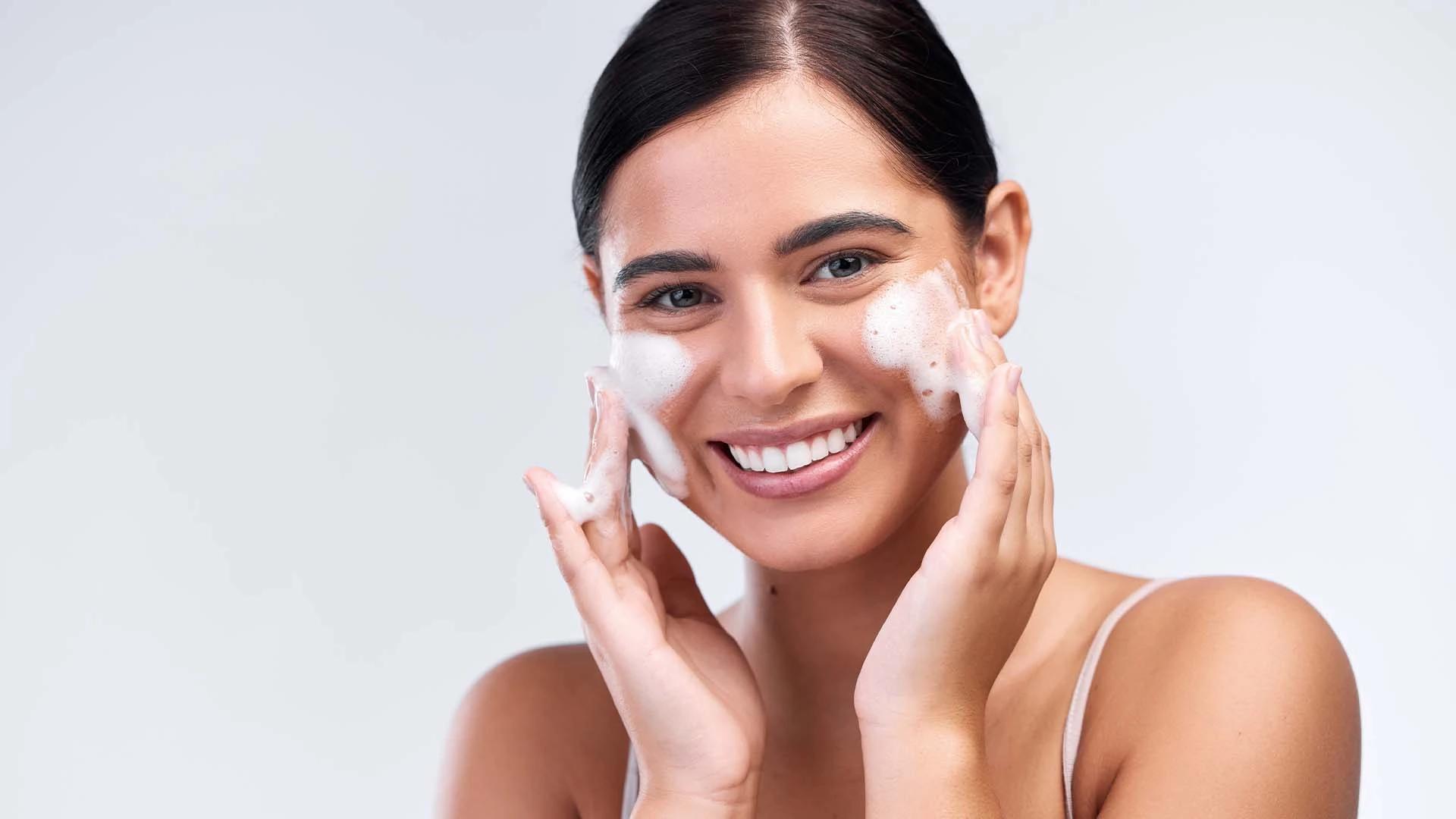
The popular 4-2-4 cleansing method (4 minutes oil cleansing, 2 minutes foam cleansing, 4 minutes massage) can be too aggressive for teenage skin. Young skin barriers are still developing and can be easily compromised by excessive cleansing, leading to increased sensitivity, dryness, and paradoxically, more oil production.
Many Indian teens also make the mistake of using age-inappropriate active ingredients. Retinoids, high-concentration acids, and multiple actives layered together can cause irritation, especially on melanin-rich skin that may be more prone to post-inflammatory hyperpigmentation.
The key to achieving healthy, glowing skin as an Indian teenager isn't about copying routines wholesale but adapting them intelligently. Natural skincare for teens combined with climate-appropriate products creates a much more sustainable and effective approach.
Start with a gentle cleanser suitable for your skin type. For acne-prone skin, look for ingredients like salicylic acid or neem. Avoid harsh scrubs or over-cleansing, which can trigger more oil production. Cleanse once in the evening and splash with water in the morning if your skin isn't very oily.
Follow with lightweight hydration. Hyaluronic acid serums work well in humid climates as they draw moisture from the environment. Choose oil-free, non-comedogenic moisturisers that won't feel heavy in Indian weather. Gel-based formulations often work better than cream-based ones for most Indian teens.
Add targeted treatments only in the evening. Spot treatments for active breakouts, gentle exfoliation once or twice weekly, and natural face masks can address specific concerns without overwhelming young skin. Remember, less is often more when it comes to teenage skincare.
Never skip sun protection. Indian sun exposure requires broad-spectrum SPF 30 or higher daily. Look for lightweight, non-greasy formulations that won't clog pores or feel uncomfortable in heat and humidity.
Traditional Indian ingredients often work better than expensive imported products for local skin and climate conditions. Turmeric and yogurt masks provide anti-inflammatory benefits for acne-prone skin, while being gentle enough for regular use.
Besan (gram flour) mixed with rose water creates an excellent gentle exfoliant that removes dead skin cells without irritation. Rose water alone makes an effective, hydrating toner that doesn't add unnecessary weight to your routine in humid weather.
Understanding that skin problems in teenagers are largely hormonal helps set realistic expectations. Rather than trying to achieve impossible perfection, focus on supporting your skin through this natural phase of development.
Hormonal acne management requires patience and consistency rather than aggressive treatments. Gentle, regular care often yields better results than constantly switching products or over-treating breakouts. Your skin barrier is still maturing, so protection and gentle care should take priority over dramatic transformation.

Salicylic Acid Face Cleanser | Deep Cleansing Formula for Breakouts | Unclogs Pores & Controls Oil | For Oily & Acne-Prone Skin | 100ml
Hydration needs to be balanced carefully. While glass skin emphasises intense hydration, Indian teenage skin often needs lighter, more breathable moisture. Pay attention to how your skin feels rather than following rigid rules about product layering.
Know when to seek professional help. Persistent acne, scarring, or skin that worsens despite gentle care may require dermatological intervention. Many skin concerns that seem urgent to teenagers resolve naturally with time and appropriate care.
Real healthy skin tips for teens start with understanding that healthy skin doesn't mean perfect skin. The glass skin ideal, while beautiful, isn't necessarily realistic or healthy for all skin types and ages. Focus on achieving skin that feels comfortable, looks healthy, and functions well rather than matching filtered social media images.
Visible improvements typically take 3-6 months of consistent, appropriate care. This timeline helps set realistic expectations and prevents the frustration that leads to constantly switching products or over-treating skin.
Budget-friendly approaches often work just as well as expensive routines. Many effective skincare for Indian teens routines can be maintained for under ₹2,000 monthly, making them sustainable for most families while still delivering good results.
Indian skin comes in beautiful diverse tones and textures. The goal shouldn't be to achieve someone else's skin but to help your own skin function at its healthiest. This mindset shift from perfection to health creates more sustainable and satisfying skincare practices.
Warning signs that your glass skin routine isn't working include increased breakouts, persistent irritation, unusual sensitivity, or skin that feels tight and uncomfortable. These symptoms often indicate over-treatment or inappropriate product choices for your skin type and age.
Ingredient conflicts are common when layering multiple products without understanding how they interact. Mixing different acids, using retinoids with certain ingredients, or layering too many active ingredients can cause irritation and compromise your skin barrier.
Indian dermatologists increasingly recommend simplified routines adapted for local climate and skin types. Many suggest starting with basic cleansing, moisturising, and sun protection before adding any additional steps or active ingredients.
Climate-appropriate product suggestions often favour gel-based formulations, lightweight serums, and non-comedogenic formulations that work well in heat and humidity. Local brands often understand these needs better than international ones.

Hydrating Moisturizer | Non-Comedogenic | Boosts Collagen & Hydrates Deeply | Ceramides + Niacinamide | For Normal to Dry Skin | 50g
The 4-2-4 method involves 4 minutes of oil cleansing, 2 minutes of foam cleansing, and 4 minutes of massage. While popular in K-beauty, this extensive cleansing can be too harsh for teenage skin, potentially damaging the skin barrier and causing increased sensitivity. Indian teens should stick to single, gentle cleansing appropriate for their skin type and climate.
Focus on consistent basics: gentle cleansing, appropriate hydration with lightweight products, regular sun protection, and occasional natural treatments like turmeric masks or gentle exfoliation with besan. Consistency with simple, climate-appropriate routines often yields better results than complex multi-step processes.
While the glass skin concept can inspire healthy skincare habits, direct adoption of Korean routines may not suit Indian climate, skin types, or teenage skin needs. Modifications focusing on lighter formulations, fewer steps, and age-appropriate ingredients work better for most Indian teens.
Indian skin can absolutely achieve a healthy, glowing appearance, but this might look different from the Korean glass skin ideal. Focus on skin health, appropriate hydration, and sun protection rather than trying to match a specific aesthetic that may not suit your natural skin type.
Most dermatologists recommend against full 10-step routines for teenagers. Young skin typically responds better to simplified 3-5 step routines focusing on gentle cleansing, appropriate moisturising, and sun protection. Complex routines can overwhelm developing skin barriers and cause more problems than they solve.
Many Korean skincare products are formulated for temperate climates and may be too heavy or occlusive for Indian weather conditions. Look for lightweight, non-comedogenic alternatives or Indian brands that understand local climate challenges when building your routine.
The glass skin trend has brought valuable attention to skincare among Indian teenagers, encouraging better habits and ingredient awareness. However, the key to healthy teenage skin lies in adaptation rather than imitation. Understanding your skin's needs, respecting your climate, and maintaining realistic expectations creates a much more sustainable path to skin health.
Remember that your skin journey is unique, and what works for others may not work for you. Focus on building healthy habits that you can maintain long-term rather than chasing trends that may not suit your lifestyle or skin type. With platforms like Smytten, you can explore different products through samples before committing to full sizes, making it easier to find what actually works for your skin without breaking your budget or overwhelming your routine.
Your skin will notice and appreciate consistent, gentle care much more than aggressive treatments or complicated routines. Trust the process, be patient with your skin's natural development, and remember that healthy skin is always more beautiful than perfect skin.
