Fungal Acne FAQ: What It Is & How It Forms in India


Advanced Anti-Pigmentation Kit | Hyperpigmentation Reduction Kit | Cleanser, Serum, Moisturizer & Sunscreen | Complete Skin Care Routine
Ever noticed those tiny, itchy bumps that seem to multiply overnight, especially during Mumbai's monsoon or Delhi's sweltering summer? You're treating them like regular acne, but they're not responding to your usual salicylic acid or benzoyl peroxide routine. In fact, they might be getting worse. What you're dealing with could be fungal acne – a completely different beast that thrives in India's hot, humid climate and requires a totally different approach to treatment.
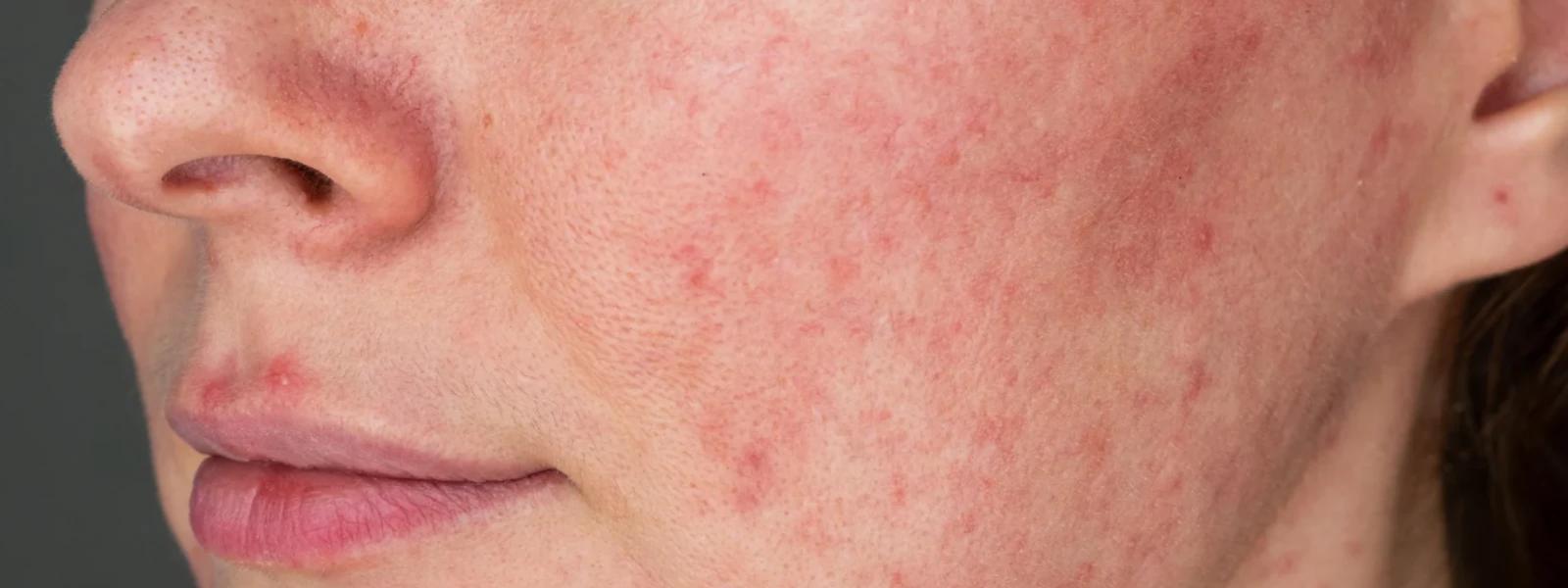
Fungal acne, medically known as malassezia folliculitis or pityrosporum folliculitis, isn't actually acne at all. It's a skin infection caused by an overgrowth of yeast called Malassezia that naturally lives on your skin. Unlike bacterial acne that forms when pores get clogged with oil and dead skin cells, fungal acne develops when this yeast multiplies rapidly inside your hair follicles, causing inflammation and those characteristic small, itchy bumps.
The key difference lies in what's causing the problem. Regular acne vulgaris is primarily bacterial, involving Propionibacterium acnes, whilst fungal acne is purely yeast-related. This is why your go-to acne treatments might actually make fungal acne worse – you're feeding the yeast instead of fighting it. The bumps typically appear as uniform, small, red or flesh-coloured papules that cluster together, often accompanied by intense itching that regular acne rarely causes.
In India's climate, where humidity levels can soar above 80% during monsoons and temperatures regularly cross 35°C, malassezia folliculitis finds the perfect breeding ground. The combination of heat, moisture, and sweat creates an environment where yeast thrives, making this condition particularly common across Indian cities from Chennai's coastal humidity to Kolkata's sticky summers.
Understanding how fungal acne forms starts with knowing that Malassezia yeast is always present on healthy skin as part of your natural microbiome. Problems arise when this delicate balance gets disrupted, allowing the yeast to multiply unchecked. The process begins when hair follicles become damaged or compromised, creating tiny openings where yeast can penetrate deeper into the follicle.
Once inside, the yeast feeds on the natural oils (sebum) your skin produces, particularly triglycerides and fatty acids. As it multiplies, it releases inflammatory byproducts that trigger your immune system's response, resulting in those telltale red, itchy bumps. Unlike bacterial acne that can form deep cysts or pustules, fungal acne typically stays superficial, creating clusters of small, uniform bumps that rarely develop whiteheads or blackheads.
In India's unique climate conditions, several factors accelerate this process. High humidity prevents sweat from evaporating efficiently, keeping your skin moist for extended periods. Pollution particles can clog pores and damage follicles, whilst the constant heat increases sebum production. Air conditioning that many of us rely on can also disrupt skin barrier function, making follicles more susceptible to yeast invasion.
Your skin's natural flora can become imbalanced through various triggers common in Indian lifestyles. Frequent antibiotic use, whether for infections or preventive measures during travel, can wipe out beneficial bacteria that normally keep yeast populations in check. Stress from urban living, irregular sleep patterns, and dietary changes can also affect your skin's immune response, making fungal acne more likely to develop.

Anti-Pigmentation Set | Brightening & Pigmentation Reduction Kit | Cleanser, Serum, Moisturizer & Sunscreen | Complete Skin Care Routine
Several environmental and lifestyle factors make Indians particularly susceptible to malassezia folliculitis. The primary culprit is our climate – the combination of heat and humidity creates perfect conditions for yeast overgrowth. During monsoon season, when humidity can reach 90% in cities like Mumbai and Goa, the risk increases dramatically as sweat and moisture get trapped against the skin for hours.
India's tropical and subtropical climate zones present unique challenges for skin conditions. The pre-monsoon heat builds up sebum production, whilst the subsequent humidity prevents proper skin breathing. Pollution in metropolitan areas adds another layer of complexity, with particulate matter clogging pores and creating micro-injuries that yeast can exploit. Even indoor environments contribute – poorly ventilated spaces, shared air conditioning systems, and synthetic clothing that doesn't breathe properly all create microclimates where yeast thrives.
Many popular skincare routines inadvertently feed fungal acne. Oil-based products, particularly those containing fatty acids that yeast loves, can worsen the condition. Coconut oil, a staple in many Indian households, is particularly problematic as it's rich in the exact fatty acids that Malassezia feeds on. Tight-fitting synthetic clothing, common in gym wear and office attire, traps sweat and heat against the skin. Even seemingly harmless habits like using the same towel for days or not changing pillowcases frequently can harbour yeast and reinfect treated areas.
Recognising fungal acne requires looking beyond surface similarities to regular acne. The most distinctive feature is the intense itching – if your "acne" makes you want to scratch constantly, especially at night, it's likely fungal. The bumps themselves are typically smaller and more uniform than bacterial acne, appearing as clusters of tiny, red or flesh-coloured papules that rarely develop into pustules or cysts.
Location patterns also provide crucial clues. Fungal acne commonly appears on the forehead, particularly along the hairline where sweat and hair products accumulate. The chest, upper back, and shoulders are other frequent targets, especially in areas where clothing fits snugly. Unlike hormonal acne that often concentrates along the jawline and chin, fungal acne tends to avoid the lower face entirely.
One of the clearest indicators that you're dealing with fungal acne is when traditional acne treatments fail or worsen the condition. If you've been using salicylic acid, benzoyl peroxide, or retinoids without improvement – or notice the bumps multiplying – yeast overgrowth is likely the culprit. Oil-based treatments, moisturisers containing fatty acids, or products with fermented ingredients can actually feed the yeast, making the condition progressively worse.

Target & Fade Duo for Hyperpigmentation | Even-Tone Underarms, Inner Thighs & Bum | Refines Skin Texture | For All Skin Types
Treating fungal acne requires a completely different approach from bacterial acne treatment. The goal is to eliminate yeast overgrowth whilst restoring your skin's natural balance. In India, several effective options are readily available, from over-the-counter antifungal treatments to prescription medications that dermatologists commonly prescribe.
Antifungal cleansers containing ketoconazole or selenium sulfide form the foundation of most treatment routines. Brands like Nizoral and Selsun are widely available in Indian pharmacies and can be used as face washes when diluted appropriately. Zinc pyrithione, found in many dandruff shampoos, also works effectively against Malassezia yeast. These treatments typically show results within 2-4 weeks of consistent use, though improvement often begins within the first week.
For persistent or severe cases, dermatologists in India commonly prescribe oral antifungal medications like fluconazole or itraconazole. These systemic treatments work from within to eliminate yeast overgrowth throughout the body, not just on the skin surface. Treatment duration typically ranges from 2-6 weeks, depending on severity and response. Many Indian dermatologists also recommend combining oral treatment with topical antifungals for faster, more comprehensive results.
Preventing fungal acne recurrence in India's challenging climate requires strategic lifestyle adjustments and skincare modifications. The key is creating an environment where yeast cannot thrive whilst maintaining healthy skin barrier function. This means staying cool and dry whenever possible, choosing breathable fabrics, and avoiding products that feed yeast growth.
Post-workout hygiene becomes crucial in India's heat. Showering immediately after exercise, changing out of sweaty clothes quickly, and using antifungal body washes can prevent yeast from establishing colonies in hair follicles. During monsoon season, extra vigilance is needed – using antifungal powders in areas prone to sweating, ensuring clothes dry completely before wearing, and maintaining lower indoor humidity levels through proper ventilation or dehumidifiers.
The main cause is an overgrowth of Malassezia yeast that naturally lives on your skin. This overgrowth typically occurs when your skin's natural balance is disrupted by factors like humidity, excessive sweating, oil-based skincare products, or antibiotic use that kills beneficial bacteria normally keeping yeast populations in check.

Mineral Sunscreen SPF 50 | Matte Finish | No White Cast | Non-Nano Zinc Oxide | Cica | Pregnancy Safe | All Skin Types | 50ml
Fungal acne is not contagious through casual contact like kissing, hugging, or sharing personal items. The Malassezia yeast that causes it already exists on everyone's skin naturally. However, sharing skincare products or using the same towels could potentially transfer yeast colonies, so maintaining good hygiene practices is still important.
Sudden onset usually occurs when multiple triggers align – perhaps you started a new skincare routine with oil-based products, experienced increased stress, took antibiotics, or faced environmental changes like moving to a more humid climate. In India, seasonal transitions, particularly the onset of monsoons or extreme summer heat, commonly trigger sudden fungal acne outbreaks.
Indian climate requires extra focus on staying dry and cool. Use antifungal cleansers containing ketoconazole or selenium sulfide, avoid oil-based products, wear breathable cotton clothing, shower immediately after sweating, and consider using antifungal powders during humid months. Many find success with readily available products like Nizoral shampoo used as a face wash or selenium sulfide cleansers.
Fungal acne is completely treatable and not permanent. Most cases resolve within 2-6 weeks of proper antifungal treatment. However, without addressing underlying triggers like climate factors, product choices, or lifestyle habits, it can recur. Long-term management often involves ongoing prevention strategies rather than continuous treatment.
The forehead is particularly susceptible because it's where hair products, sweat, and oils accumulate. Hair conditioners, styling products, and even shampoo residue can feed yeast growth along the hairline. Additionally, the forehead produces more sebum and is often covered by hair or caps, creating the warm, moist environment that Malassezia yeast loves.
With proper antifungal treatment, improvement typically begins within 1-2 weeks, with significant clearing by 4-6 weeks. However, complete resolution can take 2-3 months, especially if you're also addressing underlying triggers like skincare routine changes or lifestyle modifications needed for India's climate conditions.
Understanding what is fungal acne and how does it form in India empowers you to tackle this frustrating condition effectively. The key lies in recognising that it's not traditional acne at all, but a yeast overgrowth that requires antifungal treatment rather than conventional acne products. India's unique climate challenges make prevention equally important as treatment – staying cool, dry, and avoiding yeast-feeding ingredients becomes part of your daily routine.
Remember that fungal acne is completely manageable with the right approach. Whether you're dealing with Mumbai's humidity, Delhi's pollution, or any other Indian city's climate challenges, consistent antifungal treatment combined with smart lifestyle choices can keep your skin clear. If you're exploring new skincare products or looking for antifungal treatments, platforms like Smytten Shop offer curated selections where you can discover effective solutions from trusted brands, often with the benefit of trying samples before committing to full-sized products – particularly valuable when you're rebuilding your routine to avoid fungal acne triggers.
