Fading Hyperpigmentation FAQ: Your Questions Answered


Target & Fade Duo for Hyperpigmentation | Even-Tone Underarms, Inner Thighs & Bum | Refines Skin Texture | For All Skin Types
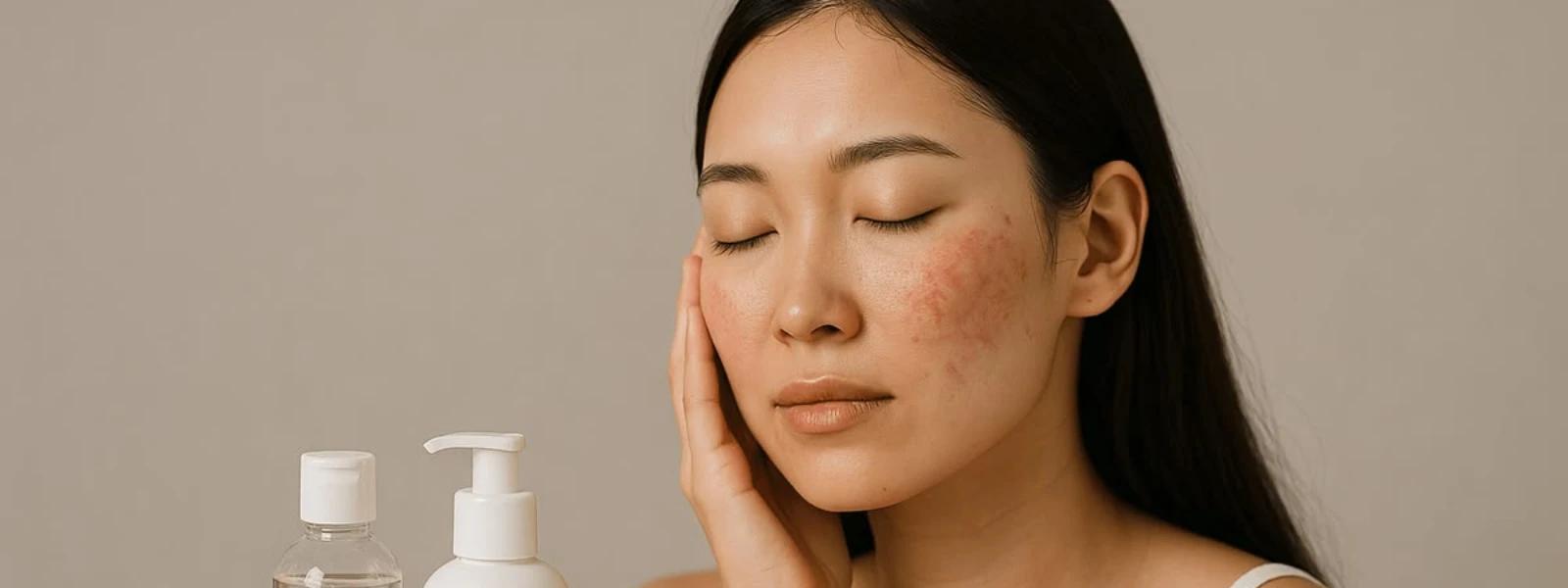
That stubborn dark spot on your cheek from last summer's breakout. The melasma patches that appeared during pregnancy and never quite faded. The uneven skin tone that makes you reach for concealer every morning. If you're dealing with hyperpigmentation, you're not alone—and more importantly, you're not stuck with it. Let's tackle the most common questions about fading hyperpigmentation with real answers that actually help.
Hyperpigmentation occurs when your skin produces too much melanin in certain areas, creating those frustrating dark patches that seem to have a mind of their own. Think of melanin as your skin's natural defence system—it ramps up production when it senses damage or irritation, but sometimes it gets a bit overzealous.
The main culprits behind skin discoloration include sun exposure (those UV rays are relentless), hormonal changes during pregnancy or from birth control, and inflammation from acne or injuries. Your skin essentially 'remembers' these incidents by depositing extra pigment in those spots.
There are several types you might be dealing with. Melasma typically shows up as symmetrical patches on your face, often triggered by hormones. Sun spots and age spots are exactly what they sound like—flat, brown spots from years of UV exposure. Post-inflammatory hyperpigmentation (PIH) develops after your skin heals from acne, cuts, or other injuries.
People with darker skin tones are more prone to developing hyperpigmentation because their skin naturally produces more melanin. However, anyone can develop these spots, and they tend to become more common as we age.
Here's the honest truth about fading hyperpigmentation: patience is your best friend. The timeline varies dramatically depending on several factors, but understanding what to expect can help you stay motivated during the process.
Mild surface-level spots typically take 3-6 months to fade with consistent treatment. These are usually newer spots that haven't had time to settle deep into your skin. Sun spots and age spots fall into a similar timeframe when you're using effective treatments.
Melasma treatment requires more patience—expect 12 months or longer, especially for hormone-related cases. This type of pigmentation runs deeper and often fluctuates with hormonal changes, making it one of the more challenging forms to address.
Deep post-inflammatory marks from severe acne or injuries can take 12+ months to significantly fade. The depth of the pigmentation and your skin's natural cell turnover rate both play crucial roles in the timeline.
Several factors affect how quickly you'll see results: your skin type, the depth and age of the spots, their location on your body, and how consistently you follow your treatment routine. Areas with thinner skin, like your face, typically respond faster than thicker areas like your hands.
When you're ready to take action against dark spot removal, you have several evidence-based options. The key is choosing the right approach for your skin type and the severity of your pigmentation.

Mineral Sunscreen SPF 50 | Matte Finish | No White Cast | Non-Nano Zinc Oxide | Cica | Pregnancy Safe | All Skin Types | 50ml
Chemical peels work by removing the top layers of skin, revealing fresher, more evenly toned skin underneath. Glycolic acid and salicylic acid peels are particularly effective for surface-level pigmentation. Laser therapy offers targeted pigmentation correction by breaking up melanin deposits, though it requires professional expertise to avoid complications.
Prescription-strength treatments like tretinoin or higher concentrations of hydroquinone can accelerate results significantly. A dermatologist can assess whether your pigmentation requires professional intervention or if at-home treatments will suffice.
Vitamin C serves double duty as an antioxidant that protects against further damage while gently brightening existing spots. Look for stable forms like magnesium ascorbyl phosphate or sodium ascorbyl phosphate.
Retinoids accelerate cell turnover, helping pigmented cells shed faster while preventing new spots from forming. Start with lower concentrations to build tolerance. Hydroquinone remains the gold standard for skin lightening, though it should be used under guidance and with breaks to prevent irritation.
Kojic acid and arbutin offer gentler alternatives for sensitive skin, while niacinamide provides mild brightening effects with added benefits for overall skin health.
Not all hyperpigmentation treatment approaches work equally well for everyone. Your skin type, tone, and specific concerns require tailored strategies for the best results.
Darker skin requires extra caution because aggressive treatments can actually worsen pigmentation or cause new dark spots. The higher melanin content means your skin is more reactive to inflammation, so gentle, consistent approaches work better than harsh, quick fixes.
Ingredients like azelaic acid, kojic acid, and lower concentrations of vitamin C are excellent starting points. Avoid harsh scrubs or high-concentration acids that can trigger post-inflammatory hyperpigmentation.
Facial pigmentation often responds well to layered treatments combining multiple gentle ingredients. The delicate skin around your eyes requires special formulations designed for that area. Body pigmentation, particularly on areas like elbows, knees, or underarms, may need stronger concentrations due to thicker skin.

Salicylic Acid Face Cleanser | Deep Cleansing Formula for Breakouts | Unclogs Pores & Controls Oil | For Oily & Acne-Prone Skin | 100ml
Korean skincare philosophy emphasises gentle, consistent skin brightening through layered products rather than aggressive single treatments. This approach often proves more sustainable and less irritating for long-term pigmentation correction.
Key Korean ingredients include vitamin C in gentle formulations, niacinamide for overall skin health, and natural brighteners like licorice root extract. The multi-step routine allows you to layer these ingredients effectively without overwhelming your skin.
Morning routines focus on protection with vitamin C and SPF, while evening routines incorporate gentle exfoliating ingredients and nourishing treatments. Essences and serums provide concentrated active ingredients in lightweight formulations that layer beautifully.
This gradual approach may take longer to show dramatic results, but it builds healthier skin overall and reduces the risk of irritation that can worsen pigmentation.
The truth about 'permanent' dark spot removal is more nuanced than many people realise. While existing spots can be successfully faded or removed, preventing new ones requires ongoing commitment to proper skincare and sun protection.
Most hyperpigmentation can be significantly improved or completely faded with consistent treatment. However, the underlying tendency to develop pigmentation remains, especially if you're prone to hormonal changes or have naturally reactive skin.
Prevention strategies become crucial for long-term results. Daily SPF use, gentle skincare practices, and prompt treatment of any inflammation help prevent new spots from forming. Think of it as managing a condition rather than achieving a one-time cure.
Maintenance routines after initial fading typically involve continued use of gentle brightening ingredients and religious sun protection. Many people find that once they establish an effective routine, maintaining results becomes much easier than the initial treatment phase.
Combine professional treatments like chemical peels or laser therapy with proven at-home ingredients such as vitamin C, retinoids, and hydroquinone. Consistency is more important than intensity—gentle daily treatment often outperforms aggressive weekly treatments. Always consult a dermatologist for stubborn or severe cases.

Hydrating Moisturizer | Non-Comedogenic | Boosts Collagen & Hydrates Deeply | Ceramides + Niacinamide | For Normal to Dry Skin | 50g
While hyperpigmentation can be successfully treated and faded, truly 'permanent' removal requires ongoing prevention through diligent sun protection and proper skincare. Most people can achieve significant improvement within 3-12 months, but maintaining results requires consistent habits.
No, hyperpigmentation is treatable and not permanent. Most cases respond well to consistent treatment within 3-12 months, though deeper or hormonal pigmentation like melasma may take longer. The key is patience and consistency with your chosen treatment approach.
Gentle ingredients like vitamin C, kojic acid, azelaic acid, and niacinamide work well for darker skin tones. Avoid harsh treatments that can cause inflammation and potentially worsen pigmentation. Start with lower concentrations and build up gradually.
Consult a professional if your spots are spreading rapidly, covering large areas, or haven't improved after 3-6 months of consistent at-home treatment. Also seek professional help if you're unsure about the type of pigmentation you're dealing with or if you have very dark skin and want guidance on safe treatment options.
Yes, but introduce them gradually to avoid irritation. Start with one ingredient for 2-4 weeks, then slowly add others. Vitamin C in the morning and retinoids in the evening is a popular combination. Always use SPF when using any brightening ingredients.
This can happen if you're not using sun protection, if you're over-treating your skin causing irritation, or if hormonal changes are affecting your pigmentation. Sometimes spots appear darker initially as deeper pigment rises to the surface before fading.
Fading hyperpigmentation is absolutely achievable with the right approach and realistic expectations. Whether you're dealing with stubborn melasma, frustrating sun spots, or post-acne marks, understanding your specific type of pigmentation helps you choose the most effective treatment strategy.
Remember that consistency trumps intensity every time. Gentle, daily treatment with proven ingredients like vitamin C, niacinamide, and appropriate acids will serve you better than sporadic aggressive treatments that can irritate your skin and potentially worsen pigmentation.
For those exploring new products and treatments, platforms like Smytten Shop offer the perfect opportunity to try proven formulations from trusted brands before committing to full sizes. With over 28 million users discovering their perfect skincare matches, you can explore hyperpigmentation treatment options with confidence, knowing you're making informed choices backed by real results.
Your skin's journey to more even tone takes time, but every day of consistent care brings you closer to the results you're seeking. Trust the process, protect your progress with daily SPF, and remember that the most beautiful skin is healthy skin—spots and all.
