Fading Body Dark Spots FAQ: Your Questions Answered


Target & Fade Duo for Hyperpigmentation | Even-Tone Underarms, Inner Thighs & Bum | Refines Skin Texture | For All Skin Types
You've noticed those stubborn dark patches on your elbows, the lingering marks from last summer's breakouts on your back, or perhaps those persistent spots on your knees that seem immune to every cream you've tried. You're not alone—studies show that over 80% of people experience some form of body hyperpigmentation, yet most skincare advice focuses solely on facial concerns. The truth is, fading body dark spots requires a different approach than treating facial pigmentation, and understanding these differences is the first step towards clearer, more even-toned skin across your entire body.
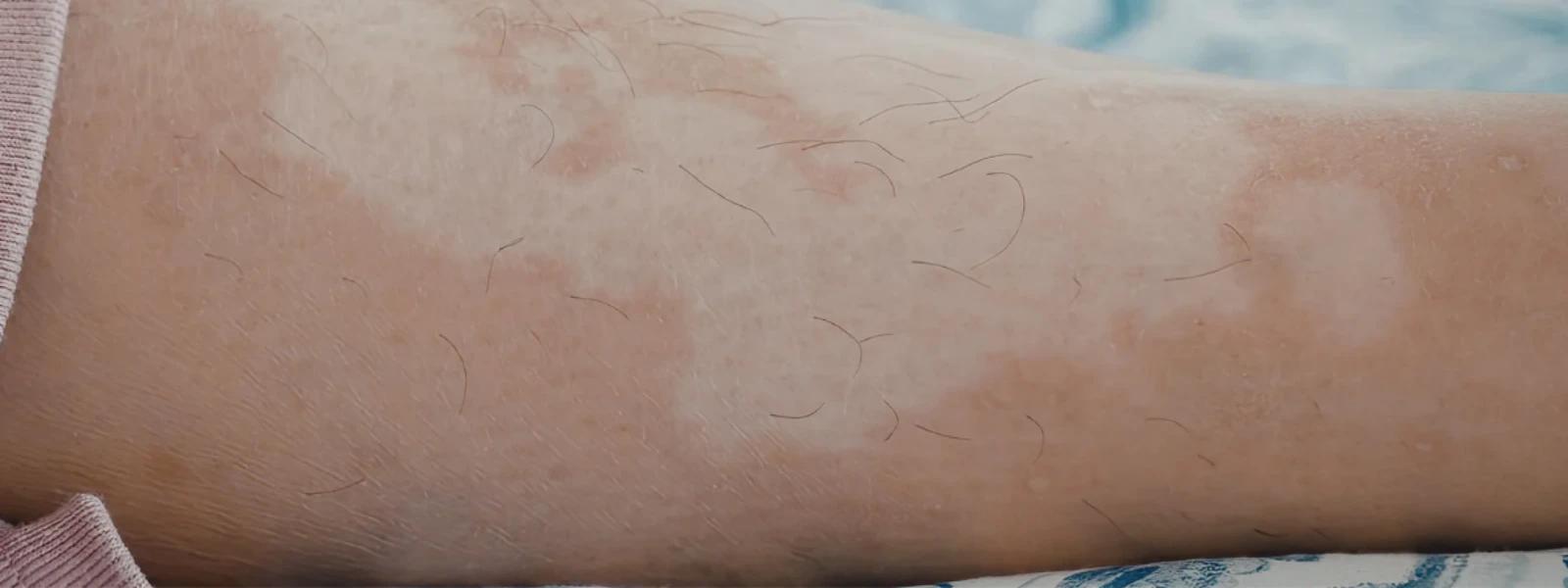
Body dark spots, medically known as hyperpigmentation, occur when melanin—the pigment responsible for your skin colour—becomes overproduced in specific areas. Unlike facial pigmentation, body spots often develop in areas prone to friction, sun exposure, or hormonal influences, creating unique challenges for treatment.
Melanin overproduction on the body typically manifests differently than on the face. Common locations include elbows, knees, underarms, back, chest, and inner thighs—areas where skin experiences regular friction or hormonal sensitivity. Post-inflammatory hyperpigmentation (PIH) develops after injury, acne, or irritation, whilst age spots result from cumulative sun damage over time.
The key difference lies in skin thickness and cell turnover rates. Body skin is generally thicker than facial skin, meaning treatments penetrate differently and results may take longer to appear. Additionally, body areas often receive less daily skincare attention, allowing pigmentation to become more established before treatment begins.
Sun exposure remains the leading cause of body pigmentation, particularly on shoulders, back, and chest areas frequently exposed during summer months. UV damage accumulates over years, eventually manifesting as sun spots or age spots that can appear suddenly despite gradual development.
Hormonal changes during pregnancy, menopause, or whilst taking hormonal contraceptives can trigger melasma-like pigmentation on the body. Friction from tight clothing, bra straps, or repetitive movements creates inflammatory responses that lead to darkening, particularly in areas like underarms and inner thighs. Medical conditions such as diabetes or insulin resistance can also contribute to skin discoloration, particularly in skin folds.
Natural approaches to dark spot removal can be effective for mild pigmentation, though patience and consistency are essential. These methods work by gently encouraging cell turnover, providing antioxidant protection, or offering mild bleaching effects through natural compounds.
Vitamin C serums designed for body use offer powerful antioxidant properties that help inhibit melanin production whilst protecting against further UV damage. Look for stable forms like magnesium ascorbyl phosphate, which penetrate effectively without causing irritation on larger body areas.
Lemon juice and honey masks provide natural bleaching agents, though they require careful application. The citric acid in lemon juice offers gentle exfoliation, whilst honey provides moisturising and healing properties. However, lemon juice can increase photosensitivity, making diligent sun protection essential. Green tea treatments contain polyphenols that help reduce inflammation and may inhibit melanin production when applied topically or consumed regularly.
Aloe vera applications offer both healing and mild lightening properties, particularly effective for post-inflammatory hyperpigmentation from acne or minor injuries. Fresh aloe gel can be applied directly to affected areas twice daily for gradual improvement.

Mineral Sunscreen SPF 50 | Matte Finish | No White Cast | Non-Nano Zinc Oxide | Cica | Pregnancy Safe | All Skin Types | 50ml
Create effective natural treatments by combining ingredients strategically. Mix equal parts fresh lemon juice and honey, apply to clean skin for 15-20 minutes, then rinse thoroughly. Follow with moisturiser and always apply SPF before sun exposure. For sensitive skin, dilute lemon juice with water or substitute with gentler alternatives like rice water.
Realistic timelines for natural methods typically range from 8-12 weeks for noticeable improvement, with full results taking 6-12 months. Patch testing remains crucial—apply any new treatment to a small, inconspicuous area first and wait 24-48 hours to check for reactions. Remember that natural doesn't always mean gentle, and some ingredients can cause irritation or increased sensitivity.
Professional treatments offer faster, more dramatic results for stubborn hyperpigmentation that doesn't respond to natural methods. These evidence-based approaches target melanin production at cellular levels or physically remove pigmented skin layers.
Hydroquinone remains the gold standard for prescription skin lightening, typically available in 2-4% concentrations for body use. It works by inhibiting tyrosinase, the enzyme responsible for melanin production. Results usually appear within 6-8 weeks, though treatment should be limited to 3-4 months to prevent side effects.
Tretinoin and other retinoids accelerate cell turnover, helping pigmented cells shed more quickly whilst preventing new pigmentation formation. Body-strength formulations are typically gentler than facial versions but still require gradual introduction to prevent irritation. Kojic acid and alpha arbutin offer alternative lightening agents with fewer side effects than hydroquinone, though they may work more slowly.
Niacinamide (Vitamin B3) provides a gentler approach, inhibiting melanin transfer to skin cells whilst offering anti-inflammatory benefits. It's particularly effective for post-inflammatory hyperpigmentation and can be used long-term without the restrictions associated with hydroquinone.
Chemical peels designed for body use can dramatically improve pigmentation by removing damaged skin layers. Glycolic acid, lactic acid, and TCA peels offer varying depths of treatment, with deeper peels providing faster but more intensive results requiring professional supervision and recovery time.
Laser therapy and IPL (Intense Pulsed Light) target melanin directly, breaking down pigmented cells for natural elimination. These treatments work particularly well for sun spots and age spots, often requiring 3-6 sessions spaced 4-6 weeks apart. Microdermabrasion provides gentler exfoliation suitable for surface-level pigmentation, whilst cryotherapy uses controlled freezing to destroy pigmented cells in targeted spots.
Professional treatments typically show initial results within 2-4 weeks, with significant improvement visible after 6-12 weeks. Combination therapy approaches, using both topical treatments and in-office procedures, often provide the fastest and most comprehensive results. Costs vary significantly, from ₹2,000-5,000 for prescription topicals to ₹10,000-50,000 for laser treatments, with most procedures considered cosmetic and not covered by insurance.
The fastest approach to fading body dark spots combines professional treatments with consistent at-home care, creating a comprehensive strategy that addresses both existing pigmentation and prevention of new spots.

Salicylic Acid Face Cleanser | Deep Cleansing Formula for Breakouts | Unclogs Pores & Controls Oil | For Oily & Acne-Prone Skin | 100ml
Morning routines should focus on protection and gentle treatment. Apply a broad-spectrum SPF 30 or higher to all exposed areas, including often-forgotten spots like hands, neck, and décolletage. Use antioxidant serums containing vitamin C or niacinamide under sunscreen for added protection against environmental damage.
Evening routines allow for more intensive treatments. After gentle cleansing, apply prescription treatments or targeted serums to affected areas. Follow with a moisturiser to support skin barrier function and prevent irritation. Weekly intensive treatments might include gentle exfoliation or mask applications, depending on your skin's tolerance and current treatment regimen.
Gentle exfoliation 2-3 times weekly helps remove dead skin cells and allows treatments to penetrate more effectively. Use body brushes, exfoliating gloves, or chemical exfoliants like AHAs, but avoid over-exfoliation which can worsen pigmentation through inflammation.
Proper moisturising supports skin barrier function and healing processes. Look for ingredients like ceramides, hyaluronic acid, or glycerin that help maintain hydration without clogging pores. Lifestyle factors including adequate sleep, stress management, and proper nutrition all impact skin healing speed and overall treatment success.
Prevention remains the most effective long-term strategy for maintaining clear, even-toned skin. Protecting skin from further damage whilst treating existing pigmentation ensures better results and prevents new spot formation.
Broad-spectrum SPF protection should be applied to all exposed body areas, not just the face. Use approximately one ounce (30ml) of sunscreen for full body coverage, and reapply every two hours or after swimming or sweating. Choose water-resistant formulations for active days, and don't forget often-missed areas like feet, ears, and the back of hands.
Protective clothing offers additional defence against UV damage. Look for fabrics with tight weaves or UPF (Ultraviolet Protection Factor) ratings. Dark colours generally provide better protection than light colours, and synthetic fabrics often offer superior UV blocking compared to natural fibres.
Choose gentle, fragrance-free cleansers that won't irritate skin or disrupt barrier function. Avoid harsh scrubbing or abrasive materials that can trigger inflammatory responses leading to post-inflammatory hyperpigmentation. Select clothing with smooth seams and appropriate fits to minimise friction in prone areas like underarms and inner thighs.
Natural methods typically require 8-12 weeks for initial improvement, with full results taking 6-12 months. Professional treatments show faster results, with initial changes visible in 2-4 weeks and significant improvement after 6-12 weeks. The timeline depends on spot size, depth, skin type, and treatment method chosen.

Hydrating Moisturizer | Non-Comedogenic | Boosts Collagen & Hydrates Deeply | Ceramides + Niacinamide | For Normal to Dry Skin | 50g
Facial products can often be used on the body, but consider concentration differences and cost effectiveness. Body skin is typically less sensitive and may tolerate higher concentrations, whilst the larger surface area makes facial products expensive for body use. Look for body-specific formulations designed for larger application areas.
Melanin-rich skin requires special consideration to avoid further discoloration. Gentle approaches using niacinamide, kojic acid, or alpha arbutin often work better than harsh treatments. Avoid aggressive procedures that might trigger post-inflammatory hyperpigmentation, and always work with professionals experienced in treating darker skin tones.
Natural remedies can be effective for mild pigmentation but typically work more slowly than professional treatments. They're excellent for maintenance and prevention but may not provide sufficient results for stubborn or extensive pigmentation. Consider natural methods as complementary to, rather than replacements for, professional care when dealing with significant hyperpigmentation.
Consistent sun protection remains the most crucial factor in preventing recurrence. Continue using gentle skincare products, avoid inflammatory triggers like harsh scrubbing or tight clothing, and maintain any prescribed maintenance treatments. Regular dermatological check-ups help catch new pigmentation early when it's easier to treat.
Combining treatments can be effective but requires careful coordination to avoid irritation or adverse reactions. Start with one treatment at a time, gradually introducing additional products as your skin adapts. Always consult with a dermatologist when combining prescription treatments or professional procedures with at-home care.
Professional evaluation becomes necessary when spots change in size, colour, or texture, or when over-the-counter treatments fail to provide improvement after 3-4 months of consistent use. Underlying medical conditions like diabetes or hormonal imbalances may require addressing before topical treatments can be fully effective.
Seek immediate professional consultation for spots that develop irregular borders, multiple colours within the same spot, or rapid changes in appearance. Additionally, spots that bleed, itch persistently, or don't respond to appropriate treatments warrant professional evaluation to rule out other skin conditions.
Prepare for consultations by documenting spot development, previous treatments tried, and any family history of skin conditions. Ask about treatment options suitable for your skin type, expected timelines, potential side effects, and maintenance requirements. Combining professional treatments with appropriate at-home care typically provides the best long-term results.
Successfully fading body dark spots requires patience, consistency, and often a combination of approaches tailored to your specific skin type and pigmentation concerns. Whether you choose natural methods, professional treatments, or a combination of both, the key lies in understanding that body hyperpigmentation responds differently than facial pigmentation and requires specialised care.
Remember that prevention through diligent sun protection and gentle skincare practices remains your most powerful tool for maintaining clear, even-toned skin. For those exploring new products and treatments, platforms like Smytten Shop offer curated selections from premium brands, allowing you to discover effective solutions with the confidence that comes from trying products before committing to full sizes. With over 28 million users trusting the platform for their beauty discoveries, you can explore targeted treatments for hyperpigmentation and uneven skin tone whilst earning cashback on your purchases.
Start with the approach that feels right for your skin and lifestyle, but don't hesitate to seek professional guidance when needed. Your skin's journey towards clarity and evenness is unique, and with the right combination of treatments, protection, and patience, achieving the results you desire is entirely possible.
