Facial Pigmentation FAQ: Causes, Types, and Treatments Explained


Target & Fade Duo for Hyperpigmentation | Even-Tone Underarms, Inner Thighs & Bum | Refines Skin Texture | For All Skin Types
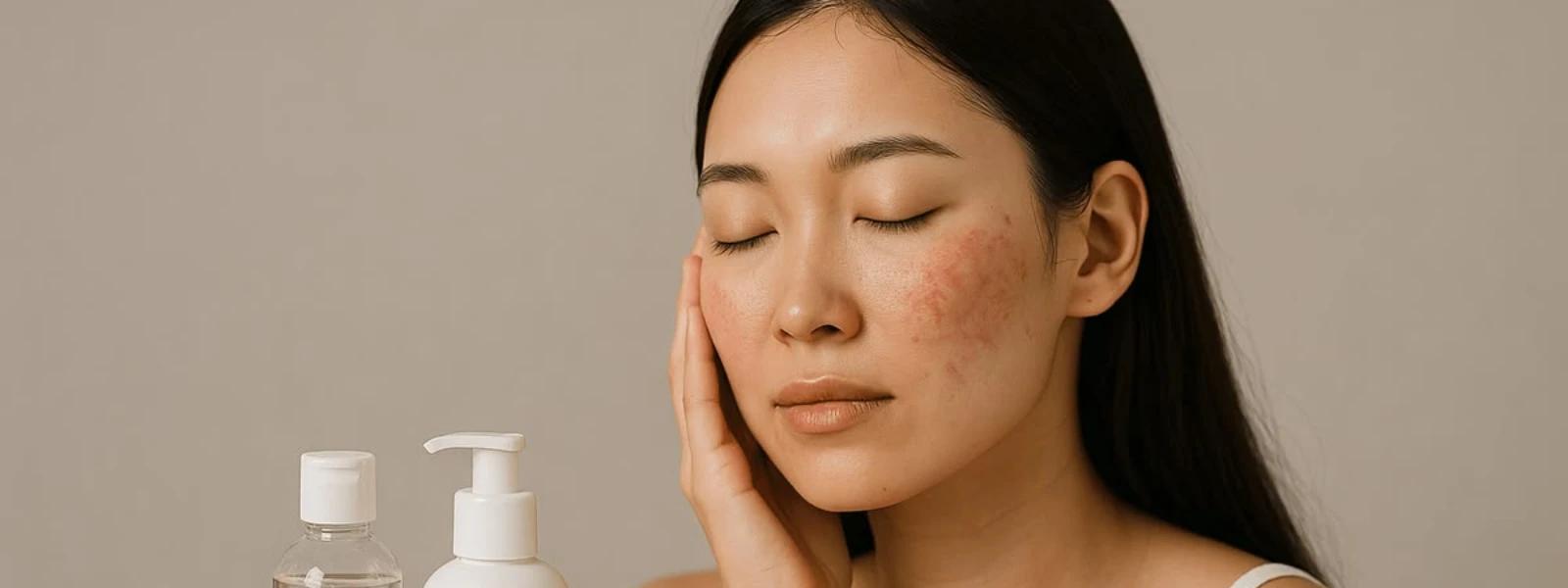
You've noticed those stubborn dark patches on your cheeks that seem to appear overnight, or perhaps those tiny brown spots that weren't there last summer. Facial pigmentation can feel like an unwelcome surprise, but understanding what's happening beneath your skin's surface is the first step towards addressing it. Whether it's post-acne marks that refuse to fade or mysterious patches that appeared during pregnancy, pigmentation concerns affect nearly everyone at some point. The good news? With the right knowledge and approach, most pigmentation issues can be significantly improved.
Facial pigmentation refers to areas where your skin produces either too much or too little melanin, the natural pigment that gives your skin its colour. Think of melanin as your skin's internal umbrella - it's produced by cells called melanocytes to protect your skin from UV damage. When this system goes into overdrive or becomes patchy, you end up with uneven skin tone and visible discolouration.
Normal pigmentation creates your natural skin tone, whilst abnormal pigmentation manifests as darker patches (hyperpigmentation) or lighter areas (hypopigmentation). These changes can appear gradually over months or seemingly overnight, depending on the trigger. Different skin types respond differently to pigmentation triggers - those with naturally higher melanin production often experience more noticeable hyperpigmentation, whilst lighter skin tones may show sun damage more readily.
Look for flat, brown or grey patches that feel the same texture as surrounding skin. If the area is raised, bumpy, or changes in texture, it's worth consulting a dermatologist to rule out other skin conditions.
Understanding what triggers pigmentation helps you prevent future occurrences whilst treating existing concerns. The most common culprits often work together, creating the perfect storm for dark spots on face to develop.
UV rays are the primary trigger for melanin production. Even brief daily exposure - like walking to your car or sitting near a window - accumulates over time. Your skin remembers every unprotected moment, which is why sunspots often appear in your thirties and forties, reflecting sun exposure from decades earlier.
Pregnancy, birth control pills, and hormone replacement therapy can trigger melasma - symmetrical brown patches typically appearing on cheeks, forehead, and upper lip. These hormonal fluctuations make your skin more sensitive to UV exposure, explaining why melasma often worsens during summer months.
Any skin trauma - from acne breakouts to eczema flares or even aggressive scrubbing - can leave behind post-inflammatory hyperpigmentation. This is your skin's healing response gone awry, producing excess melanin in the affected area long after the initial inflammation has resolved.
Some people are simply more prone to pigmentation due to their genetic makeup. Age also plays a role, as years of cumulative sun exposure and slower cell turnover contribute to more visible pigmentation concerns over time.
Different types of pigmentation require different approaches, so identifying what you're dealing with is crucial for effective treatment. Each type has distinct characteristics and responds better to specific ingredients and treatments.

Mineral Sunscreen SPF 50 | Matte Finish | No White Cast | Non-Nano Zinc Oxide | Cica | Pregnancy Safe | All Skin Types | 50ml
Melasma appears as symmetrical brown or grey patches, typically on both sides of the face. It's often triggered by hormonal changes and worsens with sun exposure. Unlike other pigmentation types, melasma can be particularly stubborn and may require ongoing maintenance to prevent recurrence.
These flat, brown spots typically appear on areas with the most sun exposure - cheeks, forehead, nose, and temples. Sunspots develop gradually and are usually well-defined with clear borders. They're essentially your skin's way of showing cumulative UV damage over the years.
PIH appears as dark marks where previous breakouts or skin injuries occurred. These spots are typically darker than melasma and may have irregular shapes. The good news is that PIH often fades naturally over 6-12 months, though treatment can significantly speed up this process.
Less common types include vitiligo (white patches due to melanin loss), drug-induced pigmentation from certain medications, and congenital birthmarks. These typically require specialised dermatological assessment and treatment.
Professional treatments offer the most dramatic and fastest results for stubborn pigmentation. Dermatologists can assess your specific type of pigmentation and recommend the most effective approach for your skin type and lifestyle.
Tretinoin and other retinoids accelerate cell turnover, helping pigmented cells shed faster whilst preventing new pigmentation from forming. Hydroquinone remains the gold standard for pigmentation treatment, though it requires careful use under medical supervision. Azelaic acid offers a gentler alternative that's safe for sensitive skin and pregnancy.
Professional chemical peels using glycolic acid, lactic acid, or TCA can dramatically improve pigmentation by removing the top layers of pigmented skin. Results are typically visible after 2-3 treatments, with deeper peels offering more dramatic improvements but requiring longer recovery time.
IPL (Intense Pulsed Light) and Q-switched lasers target melanin specifically, breaking up pigmented areas without damaging surrounding skin. These treatments are particularly effective for sunspots and can show results after just one session, though multiple treatments are usually recommended.
Many dermatologists now recommend combining treatments - for example, using topical retinoids alongside periodic chemical peels or laser treatments. This multi-modal approach often provides better, longer-lasting results than any single treatment alone.
Whilst professional treatments offer the fastest results, several evidence-based natural ingredients can help improve pigmentation over time. The key is consistency and realistic expectations - natural remedies for pigmentation typically take 3-6 months to show noticeable results.

Salicylic Acid Face Cleanser | Deep Cleansing Formula for Breakouts | Unclogs Pores & Controls Oil | For Oily & Acne-Prone Skin | 100ml
Vitamin C is a powerful antioxidant that inhibits melanin production whilst brightening existing pigmentation. Niacinamide helps regulate melanin transfer and reduces inflammation that can worsen pigmentation. Licorice root extract and arbutin offer gentle melanin-inhibiting properties without the potential irritation of stronger ingredients.
Whilst lemon juice is often touted as a natural bleaching agent, it can actually worsen pigmentation by causing photosensitivity. Safer options include turmeric masks (though be aware they may temporarily stain skin yellow) and aloe vera for its anti-inflammatory properties. However, these remedies work slowly and may not be effective for deeper pigmentation.
Prevention is always better than treatment. Daily broad-spectrum SPF 30+ sunscreen is non-negotiable, even on cloudy days. A diet rich in antioxidants supports skin health, whilst managing stress and getting adequate sleep help regulate hormones that can trigger pigmentation.
An effective pigmentation correction routine requires patience and consistency. The key is introducing active ingredients gradually whilst maintaining your skin's barrier function to prevent irritation that could worsen pigmentation.
Start with a gentle cleanser that won't strip your skin. Apply a vitamin C serum to inhibit melanin production and provide antioxidant protection. Follow with a lightweight moisturiser and finish with broad-spectrum SPF 30+ sunscreen - this is your most important step for preventing further pigmentation.
Double cleanse to remove sunscreen and daily pollutants. This is when you'll apply your active ingredients - whether it's a retinoid, niacinamide, or other pigmentation-fighting ingredients. Start slowly, using actives every other night initially, then build up to nightly use as your skin tolerates.
Gentle exfoliation 1-2 times weekly helps remove pigmented surface cells. Look for products containing AHAs like glycolic or lactic acid. Brightening masks can provide an extra boost, but avoid over-exfoliating, which can worsen pigmentation through inflammation.
The most effective treatments combine topical retinoids with melanin-inhibiting ingredients like hydroquinone, azelaic acid, or kojic acid. For faster results, professional treatments like chemical peels or laser therapy may be recommended. The best approach depends on your pigmentation type, skin sensitivity, and lifestyle factors.
Whilst significant improvement is possible, true permanent removal is challenging because the underlying triggers (sun exposure, hormones) remain. Most people achieve 70-90% improvement with consistent treatment, but ongoing maintenance with sunscreen and gentle actives is essential to prevent recurrence.

Hydrating Moisturizer | Non-Comedogenic | Boosts Collagen & Hydrates Deeply | Ceramides + Niacinamide | For Normal to Dry Skin | 50g
Topical treatments typically show initial results in 6-8 weeks, with significant improvement by 3-6 months. Professional treatments like chemical peels may show results within 2-4 weeks, whilst laser treatments can show improvement after just one session. Patience is key - skin cell turnover takes time.
Prevention focuses on daily broad-spectrum sunscreen use, avoiding picking at breakouts, managing hormonal fluctuations where possible, and using gentle skincare products. Once pigmentation appears, consistent use of proven ingredients like retinoids, vitamin C, and niacinamide can help prevent worsening whilst treating existing spots.
The most common pigmentation changes include melasma (hormonal brown patches), post-inflammatory hyperpigmentation (dark spots after acne or injury), solar lentigines (age spots from sun damage), vitiligo (white patches from melanin loss), and drug-induced pigmentation from certain medications.
Natural approaches include consistent use of vitamin C serums, niacinamide, and gentle exfoliation with fruit acids. However, natural methods work slowly and may not be effective for deeper pigmentation. The most important natural approach is prevention through daily sunscreen use and gentle skincare practices.
Darker skin tones are more prone to post-inflammatory hyperpigmentation and may be more sensitive to certain treatments. Gentle options like azelaic acid, kojic acid, and niacinamide are often better tolerated than hydroquinone. Professional treatments require careful selection to avoid triggering more pigmentation.
Whilst many pigmentation concerns can be managed with over-the-counter products, certain situations warrant professional assessment. Understanding when to seek help can save you time, money, and potential skin damage from inappropriate treatments.
See a dermatologist if you notice sudden pigmentation changes, spots with irregular borders or multiple colours, any pigmentation that's raised or changing in texture, or if you have a family history of skin cancer. These could indicate more serious conditions requiring immediate attention.
A dermatologist can assess your specific pigmentation type, skin sensitivity, and lifestyle factors to recommend the most effective treatment approach. They can also prescribe stronger ingredients that aren't available over-the-counter and monitor your progress to adjust treatments as needed.
Professional guidance helps set realistic expectations and establish clear success metrics. Taking before and after photos, tracking improvement over time, and understanding maintenance requirements are all crucial for long-term success with pigmentation treatment.
Addressing facial pigmentation requires patience, consistency, and the right approach for your specific concerns. Whether you're dealing with stubborn melasma, post-acne marks, or sun damage, understanding your pigmentation type is the first step towards effective treatment. Remember that prevention through daily sunscreen use remains your most powerful tool against future pigmentation.
For those exploring new skincare solutions, platforms like Smytten Shop offer access to premium brands and curated selections, allowing you to discover effective pigmentation-fighting products with the confidence of their 28M+ user community. The key is finding products that work for your skin type and sticking with them long enough to see results.
Your skin's pigmentation journey is unique, and what works for others may not work for you. Be patient with the process, protect your skin daily, and don't hesitate to seek professional guidance when needed. With the right approach, clearer, more even-toned skin is absolutely achievable.
