Expert Insights: Unraveling the Causes of Skin Discoloration


Dark Spot Reduction Set | 3-Step Routine for Hyperpigmentation & Even Skin Tone | Cleanser, Serum & Moisturizer | Skin Care Routine Kit
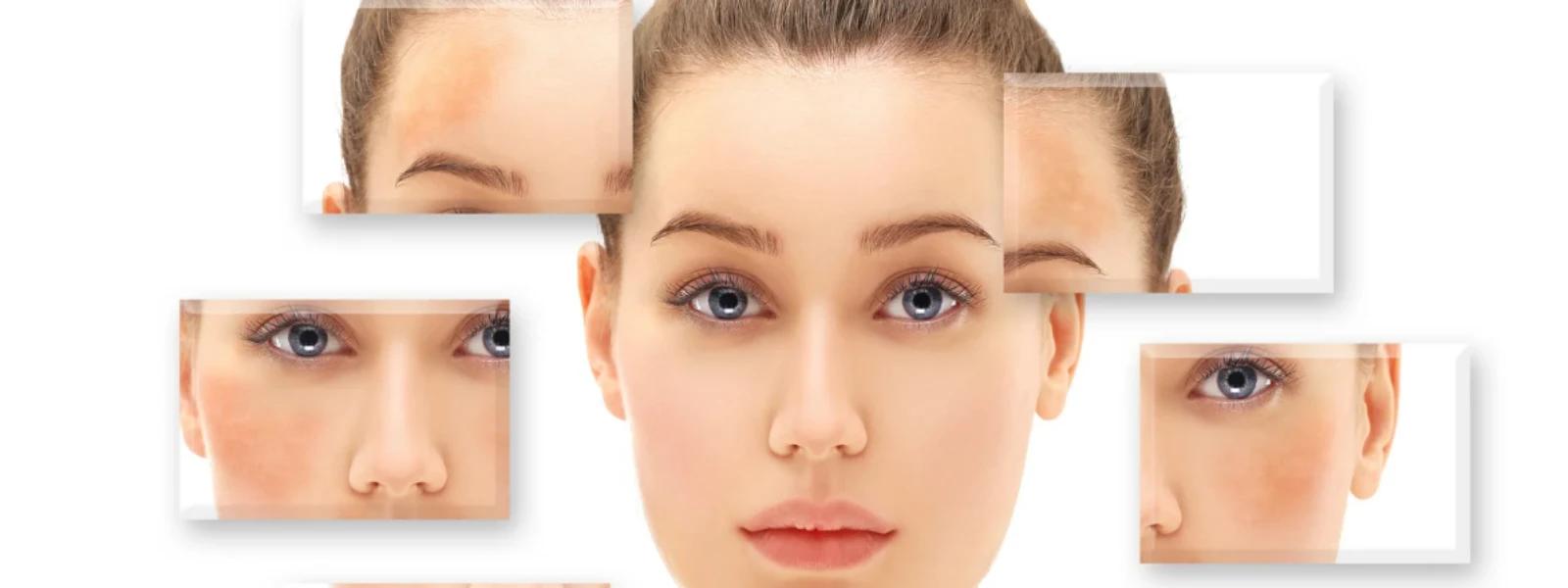
You've noticed those stubborn dark patches on your cheeks that seem to have appeared overnight, or perhaps those age spots on your hands that weren't there last summer. Skin discoloration affects nearly 90% of adults at some point in their lives, making it one of the most common dermatological concerns worldwide. Whether it's melasma from hormonal changes, sunspots from years of UV exposure, or post-inflammatory marks from that stubborn breakout, understanding what's happening beneath your skin's surface is the first step towards addressing these concerns. Real talk: skin discoloration isn't just about aesthetics—it's often your skin's way of telling you something important about your health, lifestyle, or genetic predisposition.
Your skin pigmentation is like a sophisticated biological printing system, with melanocytes acting as the ink cartridges. These specialised cells produce melanin, the pigment responsible for your skin's natural colour. Think of melanin as your skin's built-in sunscreen—it's designed to protect deeper layers from UV damage by absorbing and scattering harmful rays.
The process is remarkably complex: when your skin detects potential damage, it signals melanocytes to ramp up melanin production. This melanin is then transferred to surrounding skin cells called keratinocytes, which carry it to the skin's surface. In healthy skin, this process happens evenly across your face and body. However, when this system goes awry—whether from sun damage, hormonal fluctuations, or inflammation—you end up with the uneven patches and dark spots that characterise skin discoloration.
Your baseline skin colour depends on several factors: genetics determine your melanocyte density and melanin type, whilst environmental factors like sun exposure can trigger temporary or permanent changes. Interestingly, your skin's ability to produce melanin varies across different areas of your body, which explains why some spots are more prone to discoloration than others.
Let's be honest—that gorgeous tan from your summer holiday might have come with some unwelcome souvenirs. UV damage is the leading cause of skin discoloration, responsible for everything from subtle uneven skin tone to pronounced sunspots and age spots. When UV rays penetrate your skin, they trigger an inflammatory response that can lead to irregular melanin production.
Sunspots, also called solar lentigines, typically appear on areas with the most sun exposure: your face, hands, shoulders, and décolletage. These flat, brown or black spots can range from freckle-sized to several centimetres across. What's particularly frustrating is that they often don't appear immediately—the damage accumulates over years before becoming visible, which is why they're sometimes called age spots.
UV damage follows a predictable pattern: immediate tanning occurs within hours, whilst long-term discoloration can take months or years to develop. The cumulative effect means that even brief, daily sun exposure without proper SPF protection can lead to significant pigmentation issues over time.

Rapid Dark Spot Correction Set | Reduces Dark Spots & Post-Acne Marks | Cleanser, Gel, Moisturizer & Sunscreen Kit
Melasma is often called the "mask of pregnancy" for good reason—it affects up to 70% of pregnant women. This type of discoloration appears as symmetrical brown or grey patches, typically on the cheeks, forehead, bridge of the nose, and upper lip. The culprit? Fluctuating oestrogen and progesterone levels that make your skin hypersensitive to UV exposure.
But pregnancy isn't the only trigger. Hormonal contraceptives, hormone replacement therapy, and even thyroid disorders can spark melasma development. What makes this condition particularly challenging is its tendency to worsen with sun exposure, creating a frustrating cycle where even minimal UV contact can darken existing patches.
Polycystic ovary syndrome (PCOS), menopause, and certain medications can all influence melanin production. Understanding your hormonal patterns can help predict when your skin might be most vulnerable to discoloration.
Post-inflammatory hyperpigmentation (PIH) is your skin's response to injury or inflammation. Whether it's from acne, eczema, cuts, or even aggressive skincare treatments, any trauma that triggers inflammation can result in dark spots. This type of discoloration is particularly common in individuals with darker skin tones, where melanocytes are naturally more reactive.
The mechanism is straightforward: when your skin is injured, inflammatory cells release chemicals that stimulate melanin production. As the wound heals, excess melanin remains trapped in the skin layers, creating those persistent dark marks that can linger for months or even years without proper treatment.
Acne breakouts, insect bites, minor cuts, harsh chemical peels, and even aggressive scrubbing can all lead to PIH. The key is recognising that any inflammation—no matter how minor—has the potential to cause lasting discoloration.
Hyperpigmentation causes extend far beyond sun and hormones. Certain medications, including antimalarials, chemotherapy drugs, and even some antibiotics, can trigger pigmentation changes. Café au lait spots, those light brown birthmarks, represent genetic variations in melanin distribution, whilst conditions like drug-induced hyperpigmentation can create widespread colour changes.
Nutritional deficiencies, particularly B12, folate, and vitamin D deficiencies, can also influence skin pigmentation. Additionally, autoimmune conditions like lupus or scleroderma may cause both hyperpigmentation and hypopigmentation in different areas of the body.

Target & Fade Duo for Hyperpigmentation | Even-Tone Underarms, Inner Thighs & Bum | Refines Skin Texture | For All Skin Types
Not all dark spots on skin are created equal. Seborrhoeic keratoses appear as waxy, stuck-on patches, whilst dermatofibromas present as firm, dark nodules. Learning to distinguish between different types of skin blemishes helps determine the most appropriate treatment approach.
Sometimes skin darkening seems to appear out of nowhere, leaving you wondering what's changed. Acanthosis nigricans, characterised by dark, velvety patches in body folds, often signals insulin resistance or diabetes. Similarly, sudden widespread darkening might indicate thyroid dysfunction or Addison's disease.
Certain medications can cause unexpected pigmentation changes months after starting treatment. Iron supplements, for instance, can sometimes cause a greyish discoloration, whilst antimalarial drugs may create a blue-black tint in sun-exposed areas.
Liver disease, kidney dysfunction, and certain cancers can all manifest through skin colour changes. This is why persistent or widespread discoloration warrants professional evaluation—your skin often reflects your internal health status.
Skin discoloration treatment has evolved significantly, offering targeted solutions for different types of pigmentation issues. Topical treatments containing hydroquinone, tretinoin, or kojic acid work by inhibiting melanin production or promoting cell turnover. Chemical peels using glycolic acid or salicylic acid help remove pigmented surface layers, whilst laser treatments can target specific chromophores in melanin.
The key to successful treatment lies in accurate diagnosis and customised approaches. What works brilliantly for sunspots might be ineffective for melasma, and treatments that suit one skin type could cause irritation or worsening in another. Professional evaluation ensures you're addressing the root cause rather than just the symptoms.
Prevention remains the most effective approach to managing skin discoloration. Daily SPF application, even indoors, helps prevent UV-triggered pigmentation. Gentle skincare routines minimise inflammation that could lead to PIH, whilst hormonal management through lifestyle or medical interventions can help control melasma.

Mineral Sunscreen SPF 50 | Matte Finish | No White Cast | Non-Nano Zinc Oxide | Cica | Pregnancy Safe | All Skin Types | 50ml
The three most common types are sun-induced hyperpigmentation (including age spots and sunspots), melasma (hormonal pigmentation), and post-inflammatory hyperpigmentation (dark marks following acne or skin trauma). Each has distinct characteristics and requires different treatment approaches.
Skin discoloration typically indicates an imbalance in melanin production or distribution. This can result from UV damage, hormonal changes, inflammation, genetic factors, or underlying medical conditions. Whilst often cosmetic, sudden or widespread discoloration may signal health issues requiring medical attention.
Many types of skin discoloration can be significantly improved or completely resolved with appropriate treatment. Fresh PIH and early-stage sun damage respond particularly well to treatment, whilst deeper, older pigmentation may require more intensive approaches. Genetic pigmentation variations are typically permanent but can often be lightened.
Treatment timelines vary significantly depending on the type and depth of discoloration. Surface-level pigmentation may improve within 4-6 weeks, whilst deeper melasma or long-standing sun damage can take 3-6 months or longer. Consistency with treatment and sun protection is crucial for optimal results.
Whilst some natural ingredients like vitamin C, liquorice extract, and arbutin have mild lightening properties, they're generally less effective than proven treatments. However, they can be useful for maintenance or sensitive skin types. Always combine any natural approach with proper sun protection for best results.
Understanding the causes of skin discoloration empowers you to make informed decisions about prevention and treatment. Whether you're dealing with stubborn melasma, frustrating acne marks, or age-related sun damage, recognising the underlying mechanisms helps you choose the most effective approach.
Your skin tells a story—of sunny holidays, hormonal changes, and life's little bumps along the way. Whilst some discoloration is inevitable, much of it is preventable and treatable with the right knowledge and approach. For those exploring treatment options, platforms like Smytten Shop offer access to dermatologist-recommended brands and ingredients, allowing you to try proven formulations before committing to full-sized products. With over 28 million users discovering effective skincare solutions, you're not alone in this journey towards healthier, more even-toned skin.
