Expert Insights: Unpacking the Causes of Uneven Skin Tone


SPF 50 Sunscreen for Pigmentation | Lightweight, Non-Greasy, No White Cast | Fades Dark Spot & Acne Marks | For All Skin Types | 50g
You've noticed it in the mirror—patches of darker skin around your temples, stubborn marks where breakouts used to be, or that general lack of brightness that makes your complexion look tired. Uneven skin tone affects nearly everyone at some point, yet understanding why it happens can feel like solving a puzzle. The truth is, skin discoloration has multiple culprits, from the obvious sun damage to surprising hormonal shifts happening beneath the surface. Let's unpack what dermatologists know about the real causes of uneven skin and why your complexion might be telling a story you didn't realise it was writing.
When dermatologists talk about uneven skin tone, they're referring to variations in colour and pigmentation across your face or body. This differs from skin texture irregularities, which involve bumps, rough patches, or scarring. Think of tone as the canvas colour, whilst texture is the surface feel.
The science behind skin discoloration centres on melanin—the pigment that gives your skin its colour. Melanocytes, the cells that produce melanin, can become overactive or damaged, leading to patches of darker or lighter skin. Some discoloration is temporary, like the redness after a breakout, whilst other changes, particularly from sun damage, can be permanent without intervention.
Research shows that approximately 85% of adults experience some form of uneven pigmentation by age 30. This isn't just a cosmetic concern—it often signals underlying skin health issues that deserve attention. Understanding whether your skin pigmentation problems stem from external damage or internal changes helps determine the most effective approach to treatment.
Dermatologists have identified several key factors that contribute to uneven skin tone. Each cause creates pigmentation changes through different mechanisms, which explains why some treatments work brilliantly for certain types of discoloration whilst having little effect on others.
Sun damage skin represents the most common cause of uneven pigmentation. UV rays trigger melanocytes to produce excess melanin as a protective response, but this protection isn't always evenly distributed. Areas that receive the most sun exposure—your face, hands, shoulders, and décolletage—develop concentrated patches of pigmentation over time. These changes typically become visible 10-20 years after the initial damage occurs, which explains why many people notice age spots appearing in their thirties and forties.
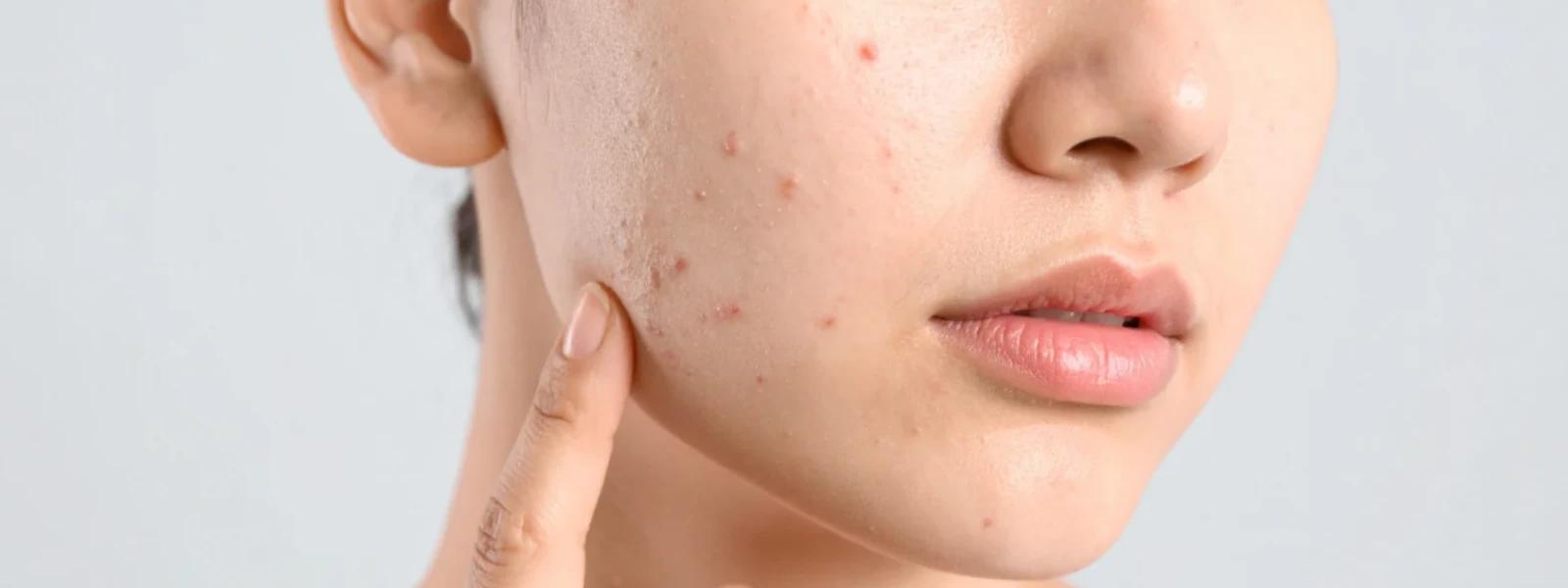
Post inflammatory hyperpigmentation occurs when skin inflammation triggers excess melanin production. Acne breakouts, cuts, burns, or even aggressive skincare treatments can leave behind dark marks that persist long after the initial injury heals. People with deeper skin tones are particularly susceptible to this type of pigmentation, as their melanocytes are naturally more reactive to inflammation.

Target & Fade Duo for Hyperpigmentation | Even-Tone Underarms, Inner Thighs & Bum | Refines Skin Texture | For All Skin Types
Melasma causes are primarily hormonal, which is why this condition is sometimes called "the mask of pregnancy." Fluctuating oestrogen and progesterone levels trigger melanocyte activity, creating symmetrical patches of darkened skin, typically on the cheeks, forehead, and upper lip. Birth control pills, hormone replacement therapy, and pregnancy can all trigger melasma, and sun exposure significantly worsens the condition.
As skin ages, cellular turnover slows down, and melanin distribution becomes less even. Age spots removal has become increasingly sought after as people notice these flat, brown spots appearing on sun-exposed areas. Unlike freckles, which are genetic, age spots develop purely from cumulative UV damage and the skin's decreased ability to repair itself efficiently.
Beyond the obvious causes, several surprising factors contribute to uneven skin tone. Environmental pollution creates free radical damage that can trigger irregular pigmentation, particularly in urban areas with high air pollution levels.
Certain medications, including antimalarials, chemotherapy drugs, and even some antibiotics, can cause medication-induced pigmentation changes. These typically appear as blue-grey discoloration and may take months or years to develop. Nutritional deficiencies, particularly in vitamins B12, folate, and iron, can also affect skin tone and contribute to an overall dull, uneven appearance.
Some underlying medical conditions manifest through skin pigmentation problems. Addison's disease causes generalised darkening, whilst conditions affecting iron metabolism can create bronze-coloured skin changes. These systemic causes require medical evaluation and treatment of the underlying condition rather than topical skincare approaches.
Different areas of your body are prone to specific types of pigmentation issues based on their anatomy and exposure patterns. Understanding these patterns helps explain why causes of uneven skin vary by location.
Facial skin shows the most dramatic variations because it combines high sun exposure with hormonal sensitivity. The T-zone often appears different from the cheeks due to varying oil production and sun exposure angles. The upper lip and forehead are particularly susceptible to melasma, whilst the cheeks and temples commonly show sun damage.

Mineral Sunscreen SPF 50 | Matte Finish | No White Cast | Non-Nano Zinc Oxide | Cica | Pregnancy Safe | All Skin Types | 50ml
Hands and arms reveal cumulative sun exposure over decades. The backs of hands are especially vulnerable because the skin is thin and receives direct UV exposure during daily activities. Skin texture irregularities often accompany pigmentation changes in these areas due to collagen breakdown from chronic sun exposure.
Dermatological solutions for skin pigmentation have advanced significantly, but knowing when to seek professional help is crucial. Any new, changing, or asymmetrical pigmentation should be evaluated by a dermatologist to rule out serious conditions like melanoma.
Professional hyperpigmentation treatment options include chemical peels, laser therapy, microneedling, and prescription-strength topical treatments. Dermatologists can accurately diagnose the type of pigmentation you're dealing with and recommend the most effective treatment approach. They also monitor for any concerning changes that might indicate skin cancer or other serious conditions.
Treatment timelines vary significantly based on the cause and depth of pigmentation. Surface-level discoloration from recent inflammation might improve within 6-8 weeks, whilst deeper melasma or sun damage can take 6-12 months of consistent treatment to show significant improvement.
Preventing uneven skin tone is far easier than treating existing pigmentation. Daily broad-spectrum SPF 30 or higher is non-negotiable, even on cloudy days and indoors near windows. Reapplication every two hours during sun exposure is essential for preventing sun damage skin changes.
A gentle skincare routine that supports healthy cell turnover without causing inflammation helps maintain even tone. Ingredients like niacinamide, vitamin C, and gentle AHAs can help prevent and address mild pigmentation issues when used consistently. Avoiding picking at breakouts or irritating the skin reduces the risk of post inflammatory hyperpigmentation.
Lifestyle factors also play a role. Managing stress, getting adequate sleep, and maintaining a balanced diet rich in antioxidants support overall skin health and resilience. Early intervention at the first signs of uneven pigmentation prevents more significant changes from developing.

Salicylic Acid Face Cleanser | Deep Cleansing Formula for Breakouts | Unclogs Pores & Controls Oil | For Oily & Acne-Prone Skin | 100ml
Fixing uneven skin tone requires identifying the underlying cause first. Sun damage responds well to vitamin C serums, retinoids, and professional treatments like chemical peels. Post inflammatory hyperpigmentation often improves with gentle exfoliation and niacinamide. Melasma requires strict sun protection and may need prescription treatments. Consistency is key—most treatments take 3-6 months to show significant results.
Sudden changes in skin tone can result from hormonal fluctuations, new medications, increased sun exposure, or recent skin trauma like breakouts or injuries. Stress and lack of sleep can also make existing pigmentation more noticeable. If changes appear rapidly or seem unusual, consult a dermatologist to rule out underlying medical conditions.
Some types of skin discoloration fade naturally over time, particularly post inflammatory hyperpigmentation from recent breakouts. However, sun damage and melasma typically worsen without intervention. The skin's natural cell turnover can gradually improve minor discoloration, but this process slows with age, making active treatment more effective than waiting.
Vitamin B12, folate, and iron deficiencies can contribute to uneven skin tone and overall dullness. Vitamin C deficiency affects collagen production and skin healing, whilst vitamin D deficiency may impact skin cell turnover. A balanced diet typically provides adequate vitamins, but blood tests can identify specific deficiencies that might be affecting your skin.
Understanding the causes of uneven skin empowers you to make informed decisions about prevention and treatment. Whether you're dealing with stubborn sun damage, hormonal melasma, or post-breakout marks, knowing the underlying mechanism helps you choose the most effective approach.
The key is patience and consistency. Skin pigmentation problems develop over months or years, and improvement takes time. Professional guidance ensures you're using the right treatments for your specific type of discoloration whilst avoiding approaches that might worsen the condition.
For those exploring new skincare solutions, platforms like Smytten Shop offer access to dermatologist-recommended brands and treatments, allowing you to try products before committing to full sizes. With over 28 million users discovering effective skincare solutions, you're not alone in this journey towards more even, healthy-looking skin.
