Expert Insights: Understanding What Causes Hyperpigmentation


Target & Fade Duo for Hyperpigmentation | Even-Tone Underarms, Inner Thighs & Bum | Refines Skin Texture | For All Skin Types
You've noticed those stubborn dark patches on your cheeks that seem to appear overnight, or perhaps those brown spots on your hands that weren't there last summer. If you're wondering what causes hyperpigmentation, you're not alone. These frustrating marks affect millions of people worldwide, leaving many searching for answers about why their skin develops these uneven patches and what they can do about them.
Hyperpigmentation occurs when certain areas of your skin produce more melanin than surrounding tissue, creating those telltale dark spots or patches. Think of melanin as your skin's natural protection system - it's the pigment that gives your skin its colour and helps shield you from harmful UV rays. When this system goes into overdrive in specific areas, you end up with skin discoloration that can range from light brown to deep black.
The process begins deep within your skin, where specialised cells called melanocytes live in the bottom layer of your epidermis. These cells produce melanin and distribute it to surrounding skin cells. When something triggers these melanocytes to work harder in certain spots, you get concentrated areas of pigment that appear darker than your natural skin tone.
Most commonly, you'll notice these dark spots on skin in areas that see the most sun exposure - your face, hands, shoulders, and décolletage. However, hyperpigmentation can develop anywhere on your body, depending on what's causing it. The patches might be small and isolated, like individual age spots, or larger and more diffuse, like the butterfly-shaped pattern often seen with melasma.
Understanding what causes hyperpigmentation is crucial for both treatment and prevention. The triggers are more varied than you might expect, ranging from everyday sun exposure to hormonal changes and even certain medications.
Sun damage remains the leading cause of hyperpigmentation worldwide. When UV rays hit your skin, they trigger your melanocytes to produce more melanin as a protective response. Over time, this repeated stimulation can cause certain areas to produce melanin continuously, even when you're not in the sun. These are the brown spots commonly called age spots or solar lentigines, though they're more accurately described as cumulative sun damage rather than natural ageing.
The tricky thing about sun damage skin is that it often doesn't appear immediately. Those beach holidays from your twenties might not show up as dark spots until your forties or fifties, making it easy to forget the connection between past sun exposure and current pigmentation issues.
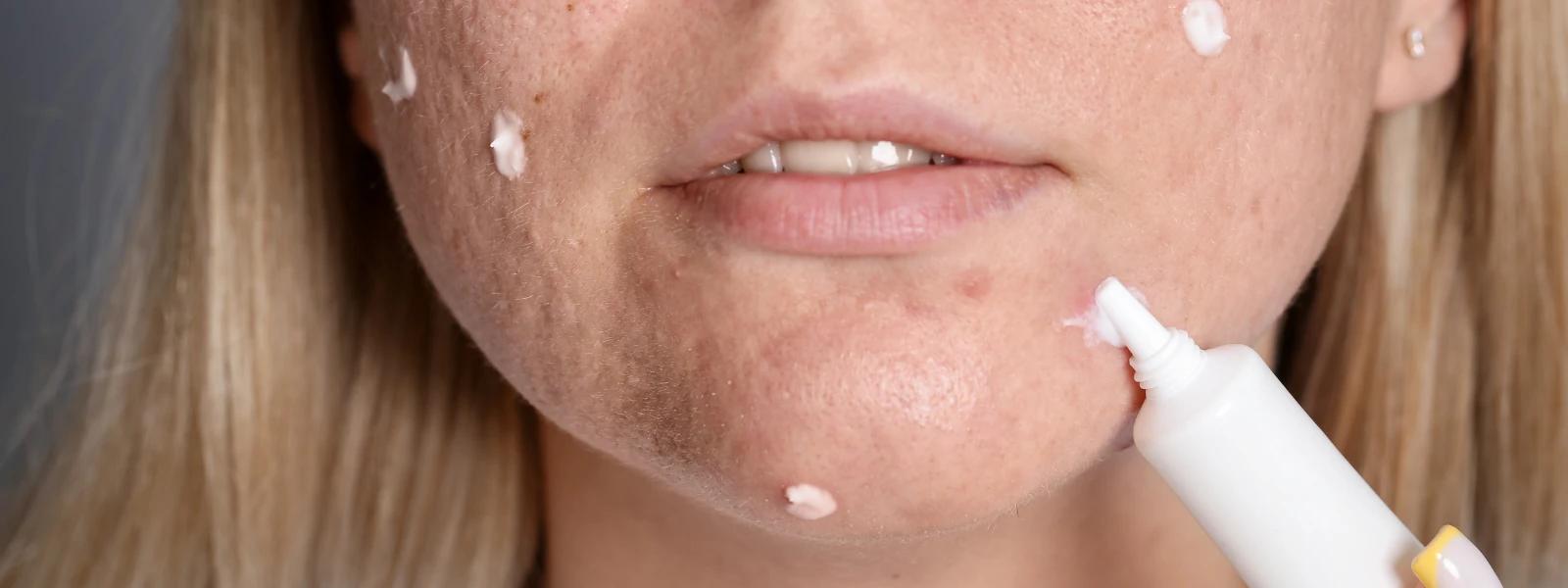
Post-inflammatory hyperpigmentation develops after your skin experiences trauma or inflammation. This could be anything from a particularly aggressive breakout to a cut, burn, or even an overly enthusiastic skincare routine. When your skin heals from injury or inflammation, the healing process can trigger excess melanin production in that area.
PIH is particularly common in people with darker skin tones, as their melanocytes are naturally more active and responsive to triggers. This explains why acne scars often appear as dark marks rather than the red or pink marks more common in lighter skin tones.

Mineral Sunscreen SPF 50 | Matte Finish | No White Cast | Non-Nano Zinc Oxide | Cica | Pregnancy Safe | All Skin Types | 50ml
Hormonal fluctuations can significantly impact melanin production, leading to a specific type of hyperpigmentation called melasma. This condition is so closely linked to pregnancy that it's often called the "mask of pregnancy," though it can affect anyone experiencing hormonal changes.
Birth control pills, hormone replacement therapy, and thyroid disorders can all trigger melasma. The condition typically appears as symmetrical patches on the face, particularly the cheeks, forehead, nose, and upper lip. Unlike other forms of hyperpigmentation, melasma often fluctuates with hormonal cycles and can worsen during pregnancy or when starting new hormonal medications.
Sometimes, skin pigmentation disorders have deeper roots in medical conditions or genetic predisposition. These causes are less common but important to understand, especially if your hyperpigmentation doesn't fit typical patterns or doesn't respond to standard treatments.
Certain medications can trigger hyperpigmentation as a side effect. Antibiotics like tetracyclines and sulfonamides are common culprits, often causing a blue-grey discolouration that's quite different from typical brown hyperpigmentation. Anti-seizure medications, some chemotherapy drugs, and antimalarial medications can also affect skin pigmentation.
If you've recently started a new medication and noticed changes in your skin colour, it's worth discussing with your doctor. Drug-induced hyperpigmentation often has distinctive patterns or colours that can help identify the cause.
Several medical conditions can manifest as changes in skin pigmentation. Addison's disease, which affects your adrenal glands, often causes a bronze-like darkening of the skin. Diabetes and insulin resistance can lead to a condition called acanthosis nigricans, which appears as dark, velvety patches in skin folds.
Liver disease can also affect skin pigmentation, sometimes causing a yellowish or bronze discolouration. These medical causes of hyperpigmentation typically require treatment of the underlying condition rather than topical skincare approaches.
Your genetic makeup plays a significant role in how prone you are to developing hyperpigmentation. People with darker skin tones naturally have more active melanocytes, making them more susceptible to post-inflammatory hyperpigmentation but often more resistant to sun-induced age spots.
Family history matters too. If your parents or siblings have struggled with melasma or age spots, you're more likely to develop similar issues. Understanding your genetic predisposition can help you take preventive measures early.

Salicylic Acid Face Cleanser | Deep Cleansing Formula for Breakouts | Unclogs Pores & Controls Oil | For Oily & Acne-Prone Skin | 100ml
Not all dark spots are created equal, and identifying the specific type of hyperpigmentation you're dealing with is crucial for effective treatment. Each type has distinct characteristics and responds differently to various treatments.
Solar lentigines, commonly called age spots, appear as well-defined brown or black spots on sun-exposed areas. They're usually round or oval and have clear borders. Melasma, on the other hand, appears as larger, more diffuse patches with irregular borders, often in symmetrical patterns on both sides of the face.
Post-inflammatory hyperpigmentation typically appears in areas where you've had acne, cuts, or other skin trauma. These marks often start dark and gradually fade over time, though the process can take months or even years without intervention.
Prevention truly is the best medicine when it comes to hyperpigmentation. Once dark spots form, they can be stubborn to treat, making prevention strategies incredibly valuable.
Daily broad-spectrum sunscreen with at least SPF 30 is non-negotiable. This means every day, regardless of weather or season. UV rays can penetrate clouds and windows, so indoor workers aren't exempt from sun protection needs. Reapplication every two hours when outdoors is essential, and don't forget often-missed areas like your hands, neck, and ears.
Gentle skincare practices can prevent post-inflammatory hyperpigmentation. This means avoiding harsh scrubs, not picking at spots or scabs, and being cautious when trying new active ingredients. If you do experience breakouts or skin injuries, proper wound care and gentle treatment can minimise the risk of developing dark marks.
For those prone to melasma, managing hormonal triggers where possible can help. This might mean discussing alternative contraception methods with your doctor or being extra vigilant about sun protection during pregnancy.
When prevention isn't enough, various hyperpigmentation treatment options can help fade existing dark spots and prevent new ones from forming. The key is choosing the right approach for your specific type of hyperpigmentation and skin type.
Topical treatments remain the first line of defence against hyperpigmentation. Hydroquinone is considered the gold standard, working by inhibiting the enzyme responsible for melanin production. However, it requires careful use and isn't suitable for everyone.
Vitamin C serums offer a gentler approach, providing antioxidant protection while gradually lightening dark spots. Kojic acid and azelaic acid are other effective options, particularly for sensitive skin types. Retinoids work by increasing cell turnover, helping to shed pigmented cells more quickly while preventing new dark spots from forming.

Hydrating Moisturizer | Non-Comedogenic | Boosts Collagen & Hydrates Deeply | Ceramides + Niacinamide | For Normal to Dry Skin | 50g
For stubborn hyperpigmentation that doesn't respond to topical treatments, professional procedures can provide more dramatic results. Chemical peels using glycolic acid, salicylic acid, or TCA can remove the top layers of pigmented skin, revealing fresher, more even-toned skin beneath.
Laser treatments like IPL (Intense Pulsed Light) or Q-switched lasers can target specific pigmented areas with precision. These treatments work by breaking up melanin deposits, allowing your body to naturally clear them away. However, laser treatments require careful consideration of skin type, as they can sometimes worsen hyperpigmentation in darker skin tones if not performed correctly.
The timeline for natural fading varies significantly depending on the type and depth of pigmentation. Surface-level post-inflammatory hyperpigmentation might fade in 3-6 months, while deeper pigmentation from sun damage or melasma can take years to improve without treatment. Consistent sun protection is essential during this process, as UV exposure can darken existing spots and slow the fading process.
While no food can cure hyperpigmentation, a diet rich in antioxidants may support overall skin health. Vitamin C from citrus fruits and berries, vitamin E from nuts and seeds, and foods high in glutathione like avocados and spinach may help protect against further damage. However, topical treatments and sun protection remain far more effective than dietary approaches alone.
Hyperpigmentation often appears more prominent in winter because your surrounding skin becomes paler due to less sun exposure, creating greater contrast with dark spots. Additionally, indoor heating can dry out your skin, making pigmentation appear more obvious. Maintaining a consistent skincare routine and continuing sun protection year-round can help minimise this effect.
Many common hyperpigmentation treatments, including hydroquinone and retinoids, aren't recommended during pregnancy. However, gentle options like vitamin C, azelaic acid, and kojic acid are generally considered safe. The most important step during pregnancy is consistent sun protection to prevent melasma from worsening. Always consult with your healthcare provider before starting any new skincare treatments during pregnancy.
Understanding what causes hyperpigmentation empowers you to make informed decisions about prevention and treatment. Whether you're dealing with sun-induced age spots, hormonal melasma, or post-acne marks, remember that improvement takes time and patience. The most effective approach combines consistent prevention strategies with appropriate treatments for your specific skin type and concerns.
For those exploring treatment options, Smytten Shop offers a curated selection of skincare products from trusted brands, allowing you to discover effective hyperpigmentation treatments through their sample programme. With over 28 million users finding their perfect skincare matches, you can explore ingredients like vitamin C, kojic acid, and gentle retinoids risk-free before committing to full-sized products.
Remember, your skin's journey with hyperpigmentation is unique. What works for others might not work for you, and that's perfectly normal. The key is understanding your triggers, protecting your skin consistently, and being patient with the treatment process. With the right approach and realistic expectations, achieving more even-toned skin is absolutely possible.
