Essential Checklist: Understanding Causes of Uneven Skin Tone
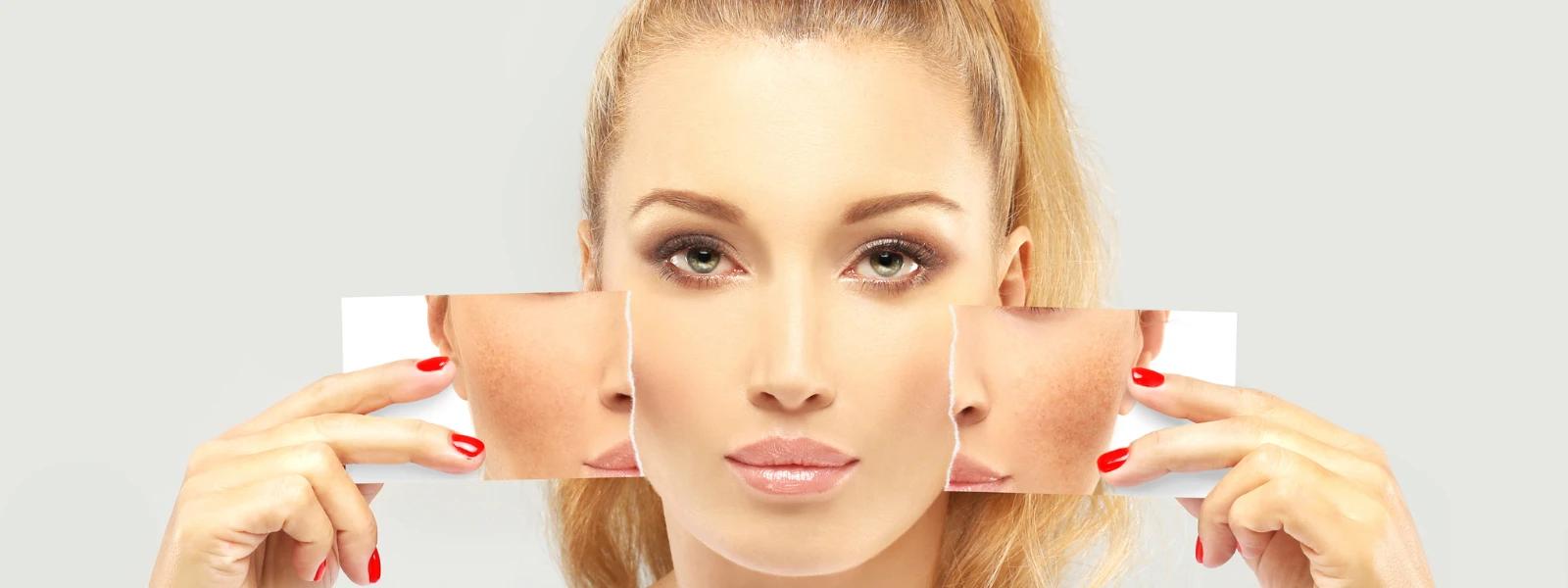

You've been staring at your reflection, wondering when those patches appeared on your cheeks or why your forehead looks different from the rest of your face. Uneven skin tone isn't just about a few dark spots—it's that frustrating patchwork of colours and textures that makes your skin look tired, even when you're not. Whether it's the stubborn marks left behind from last summer's breakouts or the gradual changes you've noticed over the years, understanding what's actually causing your skin discoloration is the first step towards addressing it properly.
Uneven skin tone refers to areas of your skin that appear darker, lighter, or different in colour compared to your natural complexion. Unlike temporary blemishes that come and go, skin discoloration tends to persist and can affect both the colour and texture of your skin. You might notice it as dark patches on your cheeks, lighter spots scattered across your face, or areas that feel rougher than others.
The most common visual signs include dark spots on face, patches of redness, areas of hyperpigmentation, and variations in skin texture that catch light differently. These changes typically appear on sun-exposed areas like your face, neck, chest, and hands, though they can develop anywhere on your body. Uneven skin texture often accompanies colour changes, creating a bumpy or rough feeling that makeup struggles to smooth over.
What sets uneven skin tone apart from normal skin variations is its persistence and the way it affects your overall complexion. Everyone has slight natural variations in their skin colour, but when these differences become pronounced or create a patchy appearance, it's worth understanding the underlying causes.
Your skin's colour comes from melanin production, a complex process that happens in specialised cells called melanocytes. These cells sit at the base of your epidermis and produce melanin pigment, which travels up through the skin layers to give you your natural colour. When this process works smoothly, you get even, healthy-looking skin.
Problems arise when melanin production becomes irregular. Various triggers can cause melanocytes to either overproduce pigment (creating dark spots) or underproduce it (leading to lighter patches). The distribution of melanocytes also varies across your body, which explains why some areas are naturally more prone to hyperpigmentation causes than others.
Skin pigmentation occurs in two main layers: epidermal (surface level) and dermal (deeper). Epidermal pigmentation tends to be easier to address and may fade naturally over time, whilst dermal pigmentation sits deeper and often requires more targeted treatment. Understanding which type you're dealing with helps explain why some discoloration responds quickly to treatment whilst other patches seem stubbornly permanent.
Environmental factors are often the biggest culprits behind uneven skin tone, with cumulative damage building up over years of exposure. The good news is that understanding these causes helps you prevent further damage whilst addressing existing concerns.
Sun damage skin is perhaps the most common cause of uneven pigmentation. UV rays trigger your melanocytes to produce extra melanin as a protective response, but this protection isn't always distributed evenly. Over time, this creates the patchy appearance we associate with age spots and sun damage.
The difference between immediate and cumulative sun damage is crucial to understand. That post-holiday tan might fade, but the underlying cellular damage accumulates. Age spots typically appear decades after the initial sun exposure, which is why they're sometimes called the "sins of your youth" showing up later in life.
Air pollution creates free radicals that damage your skin cells and can trigger inflammatory responses leading to post-inflammatory hyperpigmentation. Even blue light from screens has been shown to potentially affect melanin production, though research is still ongoing about its long-term effects on skin pigmentation.
Sometimes the causes of uneven skin tone come from within your body, making them trickier to identify but equally important to understand. These internal factors often create distinctive patterns of discoloration that can help you identify the root cause.
Hormonal imbalance skin changes are incredibly common, particularly in women. Pregnancy often triggers melasma, creating symmetrical dark patches across the cheeks, forehead, and upper lip. Birth control pills and hormone replacement therapy can have similar effects, as fluctuating oestrogen levels directly influence melanin production.
Thyroid disorders can also affect skin pigmentation, often creating more generalised changes in skin colour rather than specific spots. These hormonal influences explain why some people notice their skin discoloration worsening during certain life stages or times of the month.
As you age, your skin's natural renewal process slows down, meaning pigmented cells stick around longer than they should. This creates the gradual accumulation of age spots and overall uneven tone that many people notice in their thirties and beyond. Decreased collagen production also affects how light reflects off your skin, making existing discoloration more noticeable.
Inflammation is a major trigger for skin discoloration, often leaving lasting marks long after the initial problem has healed. Understanding these inflammatory causes helps explain why some people develop persistent dark spots whilst others heal without a trace.
Post-inflammatory hyperpigmentation is what happens when your skin produces extra melanin in response to injury or inflammation. This is why acne often leaves behind dark spots on face even after the breakout has cleared. The inflammation from picking at spots, harsh scrubbing, or even aggressive skincare treatments can trigger this response.
Eczema, dermatitis, and other inflammatory skin conditions often leave behind patches of altered pigmentation. Even minor injuries like cuts or insect bites can result in lasting discoloration, particularly in people with darker skin tones who are naturally more prone to PIH.
Certain medical conditions can cause distinctive patterns of skin pigmentation. Addison's disease, for example, often causes generalised darkening of the skin, whilst some autoimmune conditions create patchy areas of lighter or darker skin. Various medications, including some antibiotics and antimalarial drugs, can also trigger pigmentation changes as a side effect.
Your daily habits and skincare routine play a significant role in either preventing or contributing to uneven skin tone. Small changes in these areas can make a substantial difference over time.
Over-exfoliation is a common culprit behind uneven skin texture and can actually worsen pigmentation issues by causing irritation. Using products that are too harsh for your skin type, or mixing incompatible ingredients, can trigger inflammatory responses that lead to post-inflammatory hyperpigmentation.
Inconsistent sun protection is perhaps the biggest skincare mistake when it comes to preventing further discoloration. Even if you're treating existing dark spots on face, continued UV exposure will keep triggering new pigmentation.
Chronic inflammation from poor diet, lack of sleep, or high stress levels can contribute to skin discoloration. Dehydration affects how your skin reflects light, making existing uneven tone more noticeable. Poor sleep quality disrupts your skin's natural repair processes, potentially slowing the fading of existing pigmentation.
Understanding what's causing your particular uneven skin tone requires a bit of detective work. Start by examining the pattern and location of your discoloration. Sun damage skin typically appears on areas that get the most exposure, whilst hormonal imbalance skin changes often create symmetrical patterns on the face.
Keep a skin diary noting when you first noticed changes, whether they coincide with hormonal changes, new medications, or lifestyle shifts. Take photos in consistent lighting to track changes over time. If your discoloration appeared suddenly, covers large areas, or is accompanied by other symptoms, it's worth consulting a dermatologist for professional assessment.
Consider your family history too—some people are genetically predisposed to certain types of pigmentation issues. Understanding your risk factors helps you take preventive measures and choose appropriate treatments.
Uneven skin tone develops when your melanin production becomes irregular due to various triggers including sun exposure, hormonal changes, inflammation, or genetic factors. Your individual susceptibility depends on your skin type, lifestyle, and genetic predisposition to pigmentation issues.
Some types of skin discoloration fade naturally as your skin renews itself, particularly surface-level pigmentation from recent inflammation. However, deeper pigmentation from sun damage skin or age spots typically requires targeted treatment to see significant improvement.
Yes, genetics play a significant role in your predisposition to hyperpigmentation causes. Some people inherit more reactive melanocytes that overproduce pigment in response to triggers, whilst others have genetic variations that affect how their skin responds to sun exposure or inflammation.
Post-inflammatory hyperpigmentation can appear within weeks of inflammation, whilst age spots from sun damage may take decades to become visible. The timeline varies depending on the cause and your individual skin characteristics.
People with darker skin tones are generally more prone to post-inflammatory hyperpigmentation due to higher melanin activity, whilst those with lighter skin are more susceptible to sun damage skin and age-related pigmentation changes.
Understanding the causes of uneven skin tone is empowering—it transforms a frustrating skin concern into a solvable puzzle. Whether your discoloration stems from years of sun exposure, hormonal changes, or inflammatory responses, identifying the root cause helps you choose the most effective approach for your specific situation.
The beauty of modern skincare is that you don't have to guess what might work for your skin. Platforms like Smytten Shop allow you to explore targeted treatments from premium brands, with the security of trying products through samples before committing to full sizes. With over 28 million users discovering their perfect skincare matches, you're joining a community that values informed choices over guesswork.
Remember, addressing uneven skin tone is a journey, not a destination. Your skin will notice consistent, gentle care more than aggressive quick fixes. Start with understanding your triggers, protect against further damage, and be patient with the healing process—your future self will thank you for the care you show your skin today.
