Essential Checklist for Treating Dark Spots on Face & Hyperpigmentation


Target & Fade Duo for Hyperpigmentation | Even-Tone Underarms, Inner Thighs & Bum | Refines Skin Texture | For All Skin Types
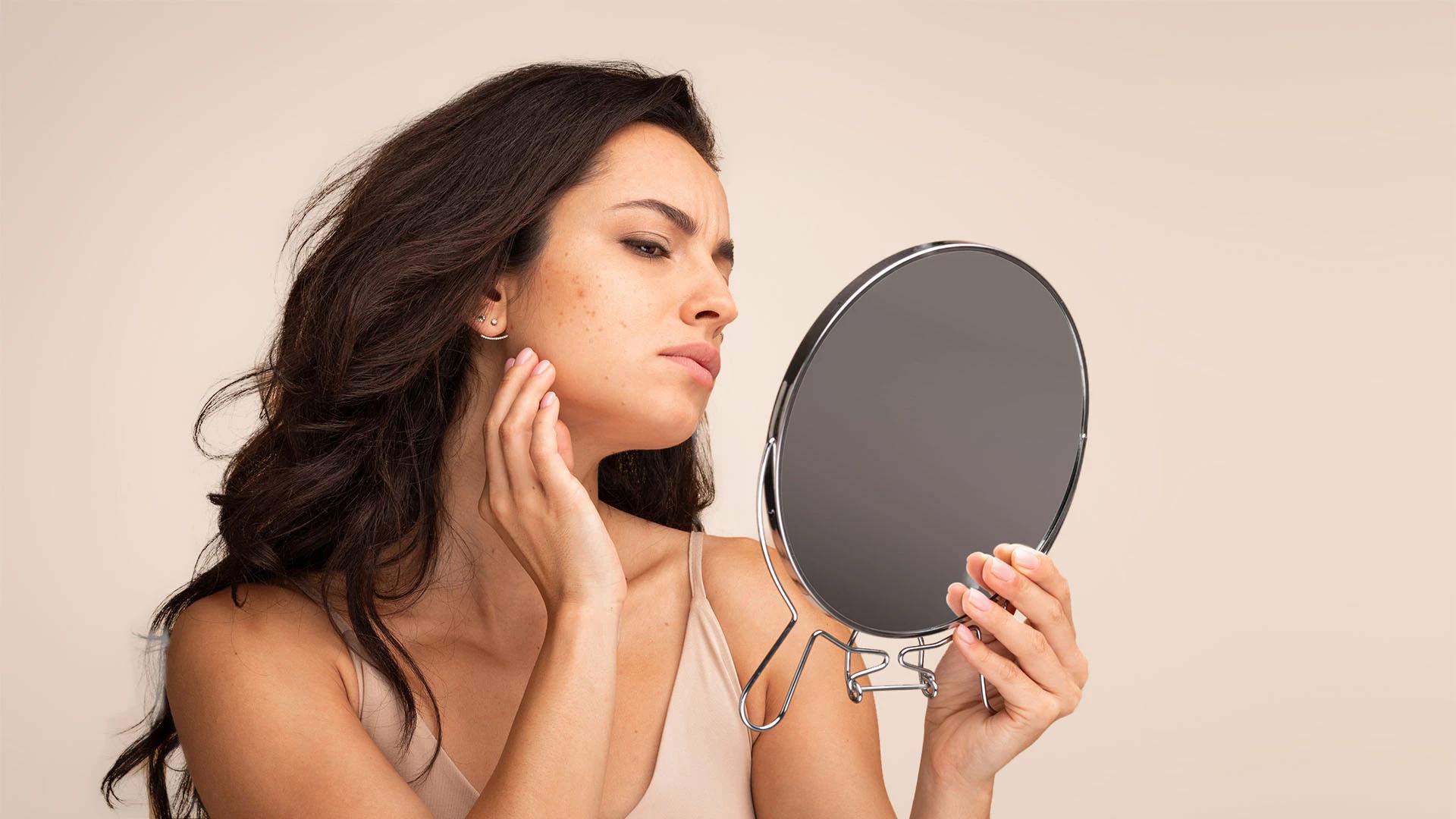
You've noticed them in the mirror—those stubborn dark spots on face that seem to appear overnight and refuse to budge. Whether it's post-acne marks from last summer's breakouts or mysterious patches that showed up after a beach holiday, you're not alone. Real talk: nearly everyone deals with some form of hyperpigmentation at some point, and the good news is that with the right approach, these spots don't have to be permanent residents on your skin.
From age spots to melasma, facial blemishes come in many forms, but they all share one thing in common—they respond well to consistent, targeted treatment. This comprehensive checklist will walk you through everything you need to know about tackling skin discoloration, from understanding what you're dealing with to creating an action plan that actually works for your skin type and budget.
Before diving into treatments, it's worth understanding exactly what those dark spots on face actually are. Hyperpigmentation occurs when your skin produces excess melanin—the pigment that gives your skin its colour—in certain areas. Think of it as your skin's overzealous response to various triggers, creating patches that are darker than your natural skin tone.
The key to effective hyperpigmentation treatment lies in identifying which type you're dealing with. Sun spots typically appear on areas that get the most UV exposure—your forehead, cheeks, and nose. They're usually brown or black and have well-defined edges. Age spots, despite their name, aren't just about getting older; they're actually cumulative sun damage that becomes more visible over time.
Melasma presents as larger, symmetrical patches, often triggered by hormonal changes during pregnancy or from birth control. It typically appears on both sides of your face in a butterfly pattern. Post-inflammatory hyperpigmentation (PIH) shows up after your skin has been injured or inflamed—think acne spots, cuts, or even aggressive skincare treatments.
The good news? Most skin discoloration is purely cosmetic and responds well to treatment. However, if you notice any spots that are asymmetrical, have irregular borders, multiple colours, or are larger than 6mm, it's worth having them checked by a dermatologist.
Understanding why dark spots on face appear in the first place helps you prevent new ones whilst treating existing ones. UV exposure is the biggest culprit—even brief, daily exposure without SPF can trigger melanin production. Your skin has a memory, and years of unprotected sun exposure can suddenly manifest as visible spots.
Hormonal fluctuations play a significant role too. Many people notice melasma appearing during pregnancy, whilst taking hormonal contraceptives, or during menopause. Your skin's response to these internal changes can create persistent patches that seem resistant to typical treatments.
Inflammation is another major trigger. This includes obvious sources like acne, but also subtler ones like using harsh scrubs, over-exfoliating with acids, or even picking at your skin. Each inflammatory event can potentially leave behind a dark mark, especially on deeper skin tones.

Mineral Sunscreen SPF 50 | Matte Finish | No White Cast | Non-Nano Zinc Oxide | Cica | Pregnancy Safe | All Skin Types | 50ml
Certain medications can increase photosensitivity, making you more prone to developing sun spots. Antibiotics, some blood pressure medications, and even certain skincare ingredients like retinoids can make your skin more vulnerable to UV damage if you're not diligent about sun protection.
Effective hyperpigmentation treatment requires a systematic approach. Think of it as building a skincare routine that not only addresses existing spots but prevents new ones from forming. This checklist breaks down your treatment journey into manageable phases, each building on the previous one.
Before introducing any active treatments, you need to establish a solid protective foundation. This phase is crucial because treating dark spots on face whilst continuing to damage your skin with UV exposure is like trying to fill a bucket with holes in it.
SPF 30+ broad-spectrum sunscreen applied every morning, regardless of weather
Reapplication every 2 hours when outdoors or near windows
Physical sun protection—wide-brimmed hats, sunglasses, seeking shade
Gentle cleansing routine to avoid additional inflammation
Basic moisturiser to maintain skin barrier function
Once your protective routine is established, you can begin introducing active ingredients that target pigmentation removal. Start slowly—your skin needs time to adjust to new treatments, and rushing this process often leads to irritation that can worsen pigmentation.
Vitamin C serums are excellent for skin brightening and preventing new spots from forming. Look for stable forms like magnesium ascorbyl phosphate or sodium ascorbyl phosphate if you have sensitive skin. Niacinamide works beautifully for most skin types, helping to regulate melanin production whilst strengthening your skin barrier.
Vitamin C serum (10-20% concentration) in the morning
Niacinamide 5-10% for gentle brightening
Retinoids 2-3 times weekly to increase cell turnover
Hydroquinone 2% for stubborn spots (use as directed)
Kojic acid or arbutin as gentler alternatives
If you're not seeing the results you want after 8-12 weeks of consistent home treatment, it might be time to consider professional options. Chemical peels can accelerate the process by removing the top layers of pigmented skin, whilst laser treatments target melanin deposits more precisely.
Professional treatments for hyperpigmentation include IPL (Intense Pulsed Light), which targets brown spots specifically, and various laser treatments that can address different types of pigmentation. These options typically require multiple sessions but can provide more dramatic results than home treatments alone.

Salicylic Acid Face Cleanser | Deep Cleansing Formula for Breakouts | Unclogs Pores & Controls Oil | For Oily & Acne-Prone Skin | 100ml
Whilst professional treatments and cosmeceuticals often provide the fastest results, natural approaches can be effective for mild skin discoloration and make excellent supportive treatments. Many natural ingredients contain compounds that gently inhibit melanin production or promote cell turnover.
Liquorice root extract contains glabridin, which can help brighten skin over time. Kojic acid, derived from fungi, is a gentle alternative to hydroquinone that's well-tolerated by most skin types. Arbutin, found in bearberry plants, works similarly to hydroquinone but with less potential for irritation.
Apple cider vinegar contains natural acids that can help with gentle exfoliation, but it must be diluted properly to avoid chemical burns. Mix equal parts water and apple cider vinegar, apply for no more than 2-3 minutes, and always follow with moisturiser and SPF.
Turmeric has anti-inflammatory properties and contains curcumin, which may help with skin brightening. Mix turmeric powder with yoghurt or honey to create a gentle mask, but be aware that it can temporarily stain your skin yellow—test on a small area first.
Green tea compresses for antioxidant benefits
Aloe vera gel for healing and hydration
Vitamin E oil for skin repair
Rosehip seed oil for gentle regeneration
Even with the best intentions, certain mistakes can slow your progress or even worsen dark spots on face. The most common error is inconsistent sun protection—using SPF only on sunny days or forgetting to reapply. UV exposure during treatment can not only prevent fading but actually darken existing spots.
Over-exfoliation is another frequent mistake. In the enthusiasm to speed up results, many people use multiple acids, scrubs, and active ingredients simultaneously, leading to irritation and potentially more pigmentation. Your skin needs time to process and respond to treatments.
Applying treatments to wet skin can increase penetration beyond what's intended, leading to irritation. Most active ingredients should be applied to clean, dry skin unless specifically directed otherwise. Mixing incompatible ingredients—like vitamin C with retinoids or certain acids—can neutralise their effectiveness or cause reactions.
Impatience is perhaps the biggest obstacle to successful hyperpigmentation treatment. Skin cell turnover takes approximately 28 days, and seeing significant improvement in pigmentation typically requires 3-6 months of consistent treatment. Switching products every few weeks prevents you from seeing their full potential.

Hydrating Moisturizer | Non-Comedogenic | Boosts Collagen & Hydrates Deeply | Ceramides + Niacinamide | For Normal to Dry Skin | 50g
Most people begin noticing subtle improvements after 6-8 weeks of consistent treatment, with more significant fading occurring after 3-6 months. The timeline varies depending on the type of pigmentation, your skin type, and the treatments you're using. Deeper, older spots typically take longer to fade than newer, surface-level discolouration.
Whilst combining certain ingredients can be effective, it's important to introduce them gradually and ensure they're compatible. Start with one active ingredient and add others slowly, spacing them throughout your routine. For example, use vitamin C in the morning and retinoids at night, rather than layering everything together.
Natural treatments can be effective for mild pigmentation and are excellent for maintenance, but they typically work more slowly than chemical alternatives. Many people find success combining both approaches—using gentle natural treatments for daily maintenance whilst incorporating stronger actives for targeted treatment.
This is often normal, especially when using treatments that increase cell turnover like retinoids or chemical exfoliants. As deeper pigmented cells come to the surface, spots may temporarily appear darker before they begin to fade. This process typically lasts 2-4 weeks.
You don't need to become a hermit, but diligent sun protection is crucial. Many pigmentation removal treatments make your skin more photosensitive, and UV exposure can darken spots you're trying to fade. Use broad-spectrum SPF 30+ daily, seek shade during peak hours, and consider physical sun protection like hats and sunglasses.
Treating dark spots on face successfully requires patience, consistency, and the right approach for your specific type of pigmentation. Start with a solid foundation of sun protection before introducing active treatments, and remember that gentle, consistent care often yields better results than aggressive approaches that can cause irritation.
Whether you choose professional treatments, over-the-counter products, or natural approaches, the key is maintaining realistic expectations and giving your chosen method time to work. Your skin will notice the difference when you commit to a routine that addresses both existing spots and prevents new ones from forming. With platforms like Smytten Shop, you can explore curated selections of effective treatments from trusted brands, often with the opportunity to try before committing to full sizes—because finding the right products for your unique skin concerns shouldn't involve guesswork.
