Essential Checklist for Shop Skin Fading Treatments & Dark Spot Removal


Target & Fade Duo for Hyperpigmentation | Even-Tone Underarms, Inner Thighs & Bum | Refines Skin Texture | For All Skin Types
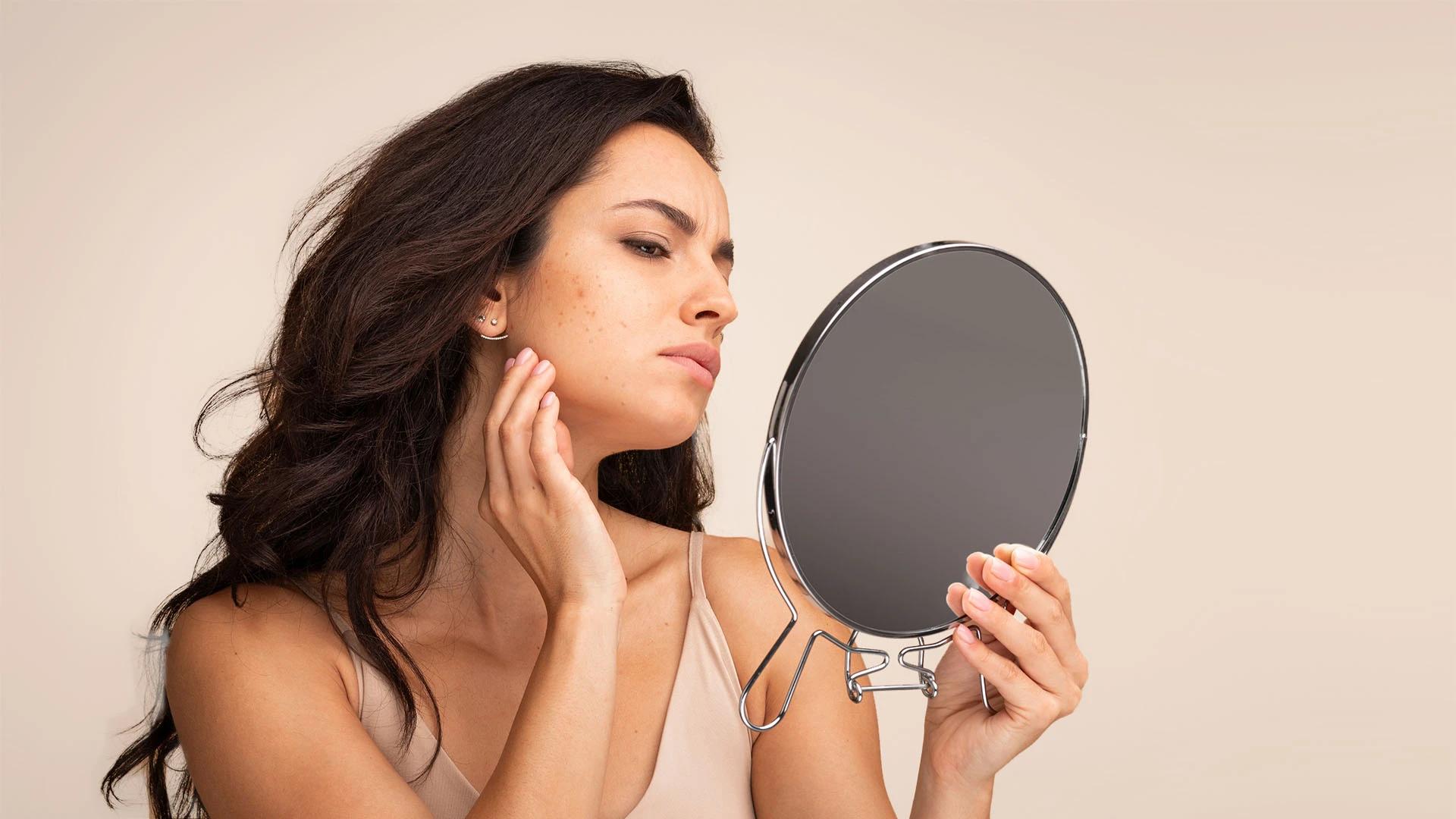
You've been staring at that stubborn dark spot for months now, watching it mock your skincare efforts. Whether it's a reminder of last summer's breakout, those pregnancy hormones playing havoc with your complexion, or simply the result of years without proper SPF, hyperpigmentation can feel overwhelming. The good news? With the right approach and products, you can effectively address skin discoloration and work towards that even, radiant complexion you're after.
Before you dive into shopping for skin fading treatments, it's crucial to understand what you're actually dealing with. Not all dark spots are created equal, and different types of pigmentation respond better to specific ingredients and treatment approaches.
Melasma typically appears as symmetrical brown patches on the face, often triggered by hormonal changes during pregnancy or from birth control. Post-inflammatory hyperpigmentation (PIH) develops after acne, cuts, or other skin injuries, leaving behind dark marks that can take months to fade naturally. Age spots result from cumulative sun damage over the years, usually appearing on areas frequently exposed to UV rays like the face, hands, and shoulders.
Understanding your specific type of skin discoloration helps you choose the most effective skin lightening creams and treatments for your concerns.
UV exposure remains the primary culprit behind most pigmentation issues, making broad-spectrum SPF your most important ally in any dark spot removal routine. Hormonal fluctuations, particularly during pregnancy or menopause, can trigger melasma that requires gentle yet effective treatment approaches. Inflammatory skin conditions like acne create PIH that responds well to ingredients that both treat active breakouts and fade existing marks.
Genetic factors also play a role in how your skin produces and distributes melanin, which is why some people are more prone to developing uneven skin tone than others.
When you shop skin fading treatments, the ingredient list should be your first stop. Certain actives have proven track records for addressing pigmentation, whilst others provide supporting benefits that enhance overall results.
Retinoids work by accelerating cell turnover, helping to shed pigmented skin cells more quickly whilst preventing new dark spots from forming. Vitamin C acts as both an antioxidant and a brightening agent, protecting against environmental damage whilst gradually lightening existing pigmentation. Niacinamide reduces inflammation that can worsen pigmentation whilst helping to regulate melanin production.
Kojic acid, derived from fungi, naturally inhibits melanin production and works particularly well for age spots and sun damage. These ingredients form the backbone of effective hyperpigmentation treatment products.

Mineral Sunscreen SPF 50 | Matte Finish | No White Cast | Non-Nano Zinc Oxide | Cica | Pregnancy Safe | All Skin Types | 50ml
Look for salicylic acid in your skin brightening products for gentle exfoliation that helps other actives penetrate better. Glutathione provides comprehensive antioxidant protection whilst supporting natural skin brightening processes. Alpha arbutin offers a gentler alternative to hydroquinone for targeted pigmentation treatment, whilst licorice extract provides natural anti-inflammatory and skin-evening benefits.
The format of your melasma treatment or dark spot corrector can significantly impact its effectiveness and how well it fits into your routine. Different formulations offer unique benefits depending on your skin type and lifestyle.
Fade creams typically offer deeper moisturisation alongside active ingredients, making them ideal for dry or mature skin types dealing with pigmentation. Tone correcting serums provide concentrated formulations that penetrate quickly, perfect for layering under moisturiser or mixing with other products. Overnight treatments work during your skin's natural repair cycle, often containing higher concentrations of actives for intensive results.
Dermatologist-recommended skin discoloration solutions often contain higher concentrations of proven actives, whilst over-the-counter options provide gentler introduction to pigmentation treatment. Clinical-grade formulations may deliver faster results but require careful introduction to avoid irritation. Accessible beauty treatments for pigmentation allow you to start your journey without significant investment.
Use this comprehensive checklist to ensure you're making informed decisions when you shop skin fading treatments. Taking time to research and plan prevents costly mistakes and helps you build an effective routine from the start.
✅ Identify your specific pigmentation type through photos or dermatologist consultation
✅ Check ingredient compatibility with your current skincare routine
✅ Verify dermatologist recommendations and read authentic user reviews
✅ Compare prices across different retailers and platforms
✅ Research brand reputation and clinical testing behind products
✅ Verify active ingredient concentration levels meet therapeutic thresholds
✅ Ensure packaging protects light-sensitive ingredients like vitamin C
✅ Look for clear usage instructions and realistic timeline expectations
✅ Check for additional beneficial ingredients that support your skin goals
✅ Confirm product size provides adequate treatment duration

Salicylic Acid Face Cleanser | Deep Cleansing Formula for Breakouts | Unclogs Pores & Controls Oil | For Oily & Acne-Prone Skin | 100ml
✅ Choose dermatologist-tested formulations over unverified products
✅ Ensure patch test recommendations are included with product
✅ Verify absence of harmful bleaching agents or mercury
✅ Confirm suitability for your skin sensitivity level
✅ Check expiration dates and storage requirements
Success with fade cream for dark spots depends largely on consistent application and proper routine integration. Your morning and evening routines should work together to address pigmentation whilst protecting your skin from further damage.
Start with a gentle cleanser that prepares your skin without stripping natural oils. Apply your tone correcting serum or vitamin C product to clean skin, allowing full absorption before layering. Broad-spectrum SPF 30 or higher is absolutely non-negotiable when treating pigmentation, as UV exposure can worsen existing dark spots and create new ones.
Finish with a moisturiser that supports your skin barrier whilst providing additional brightening benefits if possible.
Double cleansing ensures complete removal of SPF and environmental pollutants that can interfere with treatment absorption. Apply your retinoid or fade cream for dark spots to completely clean, dry skin for maximum penetration. Follow with hydrating treatments that support your skin barrier during the renewal process.
Consider rotating different actives throughout the week to prevent irritation whilst maintaining consistent treatment pressure on pigmentation.
Investing in effective skin discoloration solutions requires balancing your budget with realistic expectations about results and timelines. Quality ingredients and formulations often command higher prices, but the investment pays off in faster, more sustainable results.
Budget-friendly options (₹1,200-4,000) can provide excellent results for mild pigmentation or maintenance routines. Mid-range treatments (₹4,000-12,000) typically offer higher concentrations of proven actives with better formulation stability. Premium formulations (₹12,000+) often combine multiple treatment approaches with luxury textures and packaging.

Hydrating Moisturizer | Non-Comedogenic | Boosts Collagen & Hydrates Deeply | Ceramides + Niacinamide | For Normal to Dry Skin | 50g
Consider product size relative to recommended usage amounts and treatment duration. Higher concentrations of active ingredients often provide better value despite higher upfront costs. Multi-purpose formulations that address pigmentation alongside other concerns can offer excellent value for comprehensive skincare routines.
Long-term results matter more than immediate visible changes when evaluating the true cost-effectiveness of any pigmentation treatment.
Most people notice initial improvements within 4-6 weeks of consistent use, with significant results typically visible after 8-12 weeks. Deeper pigmentation may require 3-6 months of treatment for optimal results.
Yes, but introduce new products gradually to avoid irritation. Vitamin C works well in the morning, whilst retinoids are best used at night. Always use SPF when using any pigmentation treatment.
Some natural ingredients like kojic acid, licorice extract, and vitamin C provide proven benefits for pigmentation. However, synthetic ingredients often offer more consistent concentrations and faster results.
Maintenance use helps prevent new pigmentation from forming and keeps results stable. Many people transition to lower concentrations or less frequent application once they achieve their desired results.
Shopping for effective skin fading treatments becomes much simpler when you understand your specific pigmentation type and the ingredients that address it. This checklist ensures you make informed decisions that deliver real results for your dark spot removal and skin brightening goals.
Remember that consistency trumps perfection when it comes to treating pigmentation. The most expensive product won't work if you don't use it regularly, whilst a well-chosen, affordable option used consistently can deliver impressive results. Platforms like Smytten allow you to try products before committing to full sizes, helping you discover what works for your unique skin without the risk of unwanted purchases.
Your journey to even, radiant skin requires patience, but with the right products and approach, those stubborn dark spots will gradually fade, revealing the clear, confident complexion you deserve.
